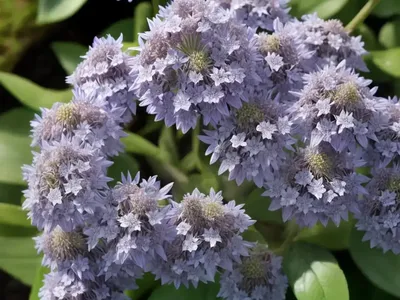
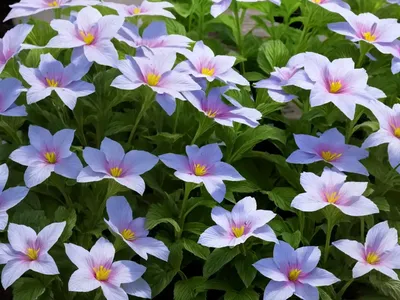
Echium (Echium Amoenum ‘Red Feathers’)
Echium amoenum, commonly known as “Red Feathers,” is a strikingly beautiful flowering plant that has gained popularity among gardeners and plant.
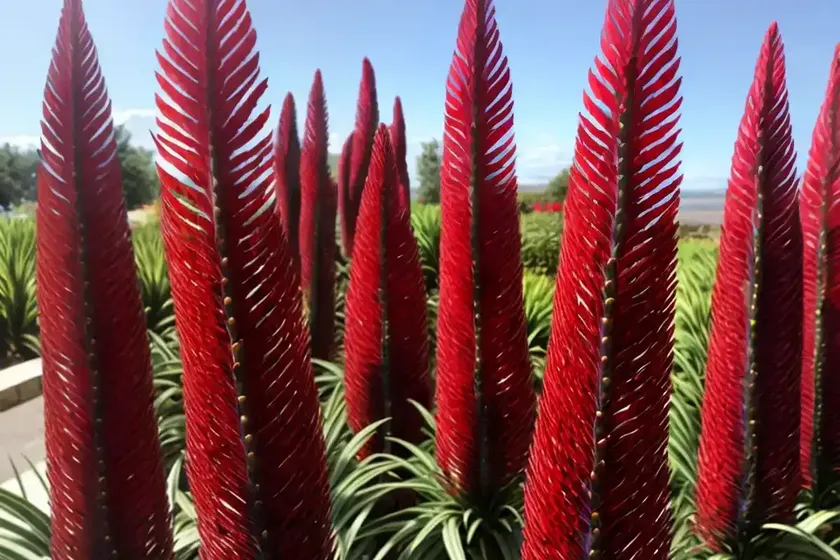
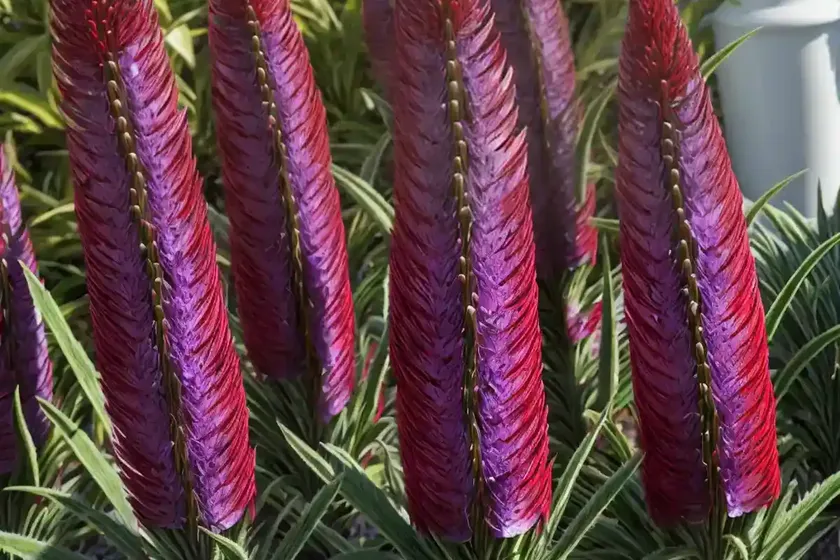
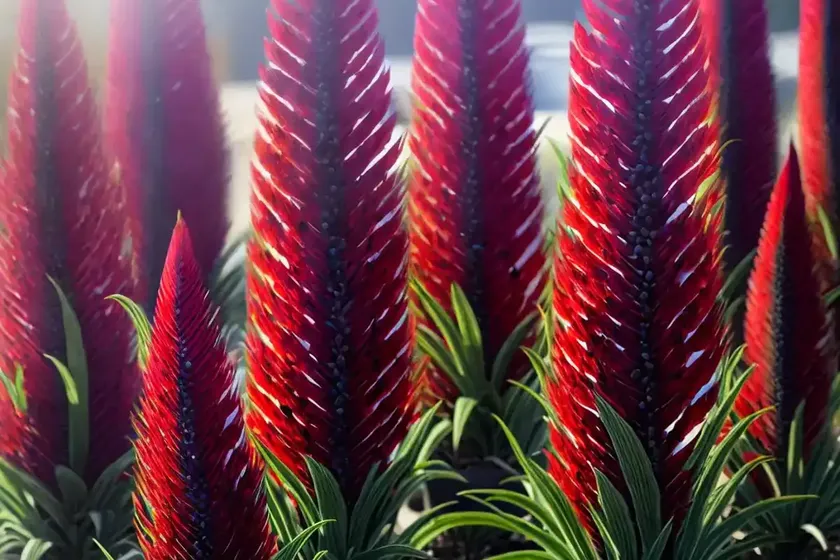
Echium amoenum, commonly known as “Red Feathers,” is a strikingly beautiful flowering plant that has gained popularity among gardeners and plant enthusiasts. Its vibrant red blossoms and unique growth habits make it a captivating addition to gardens and landscapes. In this comprehensive guide, we will delve into the various aspects of growing and caring for Echium amoenum ‘Red Feathers,’ exploring its cultural requirements, uses, propagation methods, common diseases, and more. Whether you are a novice gardener or an experienced horticulturist, this article aims to provide valuable insights into the cultivation and maintenance of this fascinating plant.
What is Echium amoenum ‘Red Feathers’?
Echium amoenum ‘Red Feathers’ is a member of the Boraginaceae family, which encompasses a diverse range of flowering plants. It is a herbaceous perennial species native to the Mediterranean region, where it thrives in sunny and arid environments. The plant is characterized by its elongated, lance-shaped leaves and dense clusters of crimson-red flowers, which give rise to its common name, “Red Feathers.”
Key Takeaways – Echium amoenum ‘Red Feathers’
- Botanical Name: Echium amoenum ‘Red Feathers’
- Family: Boraginaceae
- Common Name: Red Feathers
- Plant Type: Herbaceous perennial
- Flower Color: Crimson-red
- Native Region: Mediterranean
Now, let’s explore the essential cultural aspects of Echium amoenum ‘Red Feathers,’ including its water, sunlight, fertilizer, soil, pruning, and propagation requirements.
Culture
Uses
Echium amoenum ‘Red Feathers’ holds multiple uses, ranging from aesthetic and ornamental purposes to potential medicinal applications. Its remarkable visual appeal makes it a sought-after plant for enhancing garden landscapes, while its potential medicinal properties have sparked interest in herbal medicine and natural remedies.
Ornamental Uses
- Garden borders and edging
- Flower arrangements
- Wildlife habitat creation (pollinator-friendly)
Medicinal Uses
Echium amoenum has a history of traditional medicinal use, particularly in herbal medicine. Various parts of the plant, including its flowers and leaves, are believed to contain bioactive compounds with potential therapeutic properties. These may include anti-inflammatory, antioxidant, and other beneficial effects.
Water
Being native to the Mediterranean region, Echium amoenum ‘Red Feathers’ exhibits a preference for well-drained soil and moderate water levels. While it is drought-tolerant once established, it benefits from regular watering during periods of prolonged dryness, especially in container-grown specimens or newly planted individuals. However, care should be taken to avoid waterlogged conditions, as excessive moisture can lead to root rot and other adverse effects.
Sunlight
As a sun-loving plant, Echium amoenum ‘Red Feathers’ thrives in full sunlight. Providing it with at least 6-8 hours of direct sunlight each day is essential for promoting vigorous growth and prolific flowering. Insufficient sunlight may lead to leggy, weak growth and reduced blooming, so it is crucial to position the plant in a location with ample exposure to the sun.
Fertilizer
When it comes to fertilization, Echium amoenum ‘Red Feathers’ benefits from a balanced, slow-release fertilizer applied during the growing season. A general-purpose fertilizer with a balanced NPK ratio (nitrogen, phosphorus, potassium) can support the plant’s nutritional needs and promote healthy foliage and flowers. However, it is important to avoid excessive fertilization, as this can potentially lead to excessive vegetative growth at the expense of flowering.
Soil
The ideal soil for Echium amoenum ‘Red Feathers’ is well-drained and moderately fertile. A sandy or loamy soil with good drainage properties is preferable, as it helps prevent waterlogging and root suffocation. In regions with heavy clay soils, incorporating organic matter such as compost or peat moss into the planting area can improve soil structure and drainage, providing a more hospitable environment for the plant’s roots.
Pruning
Pruning plays a pivotal role in shaping the growth and appearance of Echium amoenum ‘Red Feathers.’ While the plant generally has a naturally compact and bushy growth habit, occasional pruning can help maintain its shape, remove spent flower spikes, and encourage a more robust and floriferous display. Pruning can be performed after the blooming period to remove faded flowers and can also include light shaping to promote a more symmetrical and tidy appearance.
Propagation
Echium amoenum ‘Red Feathers’ can be propagated through several methods, including seed propagation and vegetative propagation. Both approaches have their unique advantages and can be employed based on the gardener’s preferences and the specific requirements of the propagation project.
Seed Propagation
- Sow seeds in a well-draining seed-starting mix
- Maintain consistent moisture and provide indirect light for germination
- Transplant seedlings into individual containers or garden beds once they have developed several sets of true leaves
Vegetative Propagation
- Take stem cuttings from healthy, mature plants
- Dip the cut ends in a rooting hormone to promote root development
- Plant the cuttings in a well-draining medium and provide appropriate moisture and warmth to encourage rooting
Container Popularity
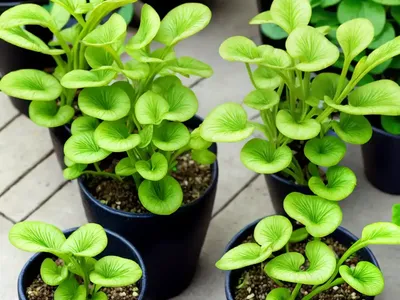
Echium amoenum ‘Red Feathers’ is well-suited for container cultivation, making it an excellent choice for urban and small-space gardening. Its compact growth habit and striking floral display make it an appealing addition to balconies, patios, and other outdoor spaces where ground planting may be limited.
Container Common Diseases
When grown in containers, Echium amoenum ‘Red Feathers’ may be susceptible to certain diseases and disorders commonly associated with containerized plants. These can include issues related to water management, soil health, and environmental stress, which may manifest as symptoms such as wilting, leaf discoloration, or stunted growth. Proper container selection, well-draining soil, and adequate watering practices can help mitigate these potential concerns.
Disease Diagnosis
- Root Rot: Caused by waterlogged soil and poor drainage, leading to decay and decline of the plant’s root system.
- Fungal Diseases: Including powdery mildew and leaf spot, which can occur in conditions of high humidity and poor air circulation within the container.
Common Pests
Container-grown Echium amoenum ‘Red Feathers’ may also face pest pressures, with certain insects and mites posing potential threats to the plant’s health and vigor. Regular monitoring and proactive pest management are essential for preventing severe infestations and minimizing damage to the plant.
Botanist’s Tips
- Companion Plants: Pair Echium amoenum ‘Red Feathers’ with other sun-loving perennials and annuals, such as lavender, salvia, and coreopsis, to create dynamic and visually appealing plant combinations in the garden.
- Overwintering: In regions with cold winters, provide protection for Echium amoenum ‘Red Feathers’ by mulching the base of the plant and situating it in a sheltered location to enhance its chances of survival during the colder months.
Fun Facts
- The flowers of Echium amoenum are known to be highly attractive to pollinators, including bees and butterflies, making it a valuable addition to pollinator gardens.
- Echium amoenum ‘Red Feathers’ has a long history of cultivation for its potential medicinal properties, with the plant being utilized in traditional medicine in certain regions.
Now that we have explored the essential care and cultivation aspects of Echium amoenum ‘Red Feathers,’ it’s time to delve into more detailed aspects of the plant’s requirements, characteristics, and maintenance practices.
Links to External Resources
For further information and in-depth resources on Echium amoenum ‘Red Feathers,’ consider exploring the following links:
- Echium amoenum Cultivation Guide
- Medicinal Uses of Echium amoenum
- Companion Planting Ideas for Echium amoenum
- Pollinator-Friendly Gardening with Echium amoenum
In the next sections, we will further explore the keywords provided, addressing the complete set of topics related to Echium amoenum ‘Red Feathers’ in gardens and landscapes.
Please let me know if you would like to continue with more detailed information on each of the provided keywords, or if there are any specific aspects of Echium amoenum ‘Red Feathers’ you would like to focus on as we proceed with the article.