The Beauty of Daylily (Hemerocallis ‘Eye Yi Yi’)
Welcome to the enchanting world of Hemerocallis ‘Eye Yi Yi’, better known as daylily. In this comprehensive blog post, we will delve into the cultural, horticultural, and practical aspects of daylilies, focusing specifically on the captivating cultivar, ‘Eye Yi Yi’. From its optimal growing conditions to its historical significance and everything in between, this article aims to provide you with a wealth of knowledge about this beautiful plant.
Let’s embark on this journey and explore the wonders of daylilies together.
What is a Daylily?
Daylily, a member of the Hemerocallis genus, is a perennial flowering plant renowned for its vibrant, trumpet-shaped blooms and undemanding nature. The name “daylily” reflects the plant’s ephemeral flowers, with each blossom typically lasting only one day. However, each stem produces multiple buds, ensuring a continual display of blossoms throughout its flowering season.
The Hemerocallis genus encompasses numerous species, hybrids, and cultivars, each contributing to the astounding diversity within the daylily family. The cultivar ‘Eye Yi Yi’ stands out for its distinctive characteristics, including its striking coloration, resilience, and adaptability.
Key Takeaways – Daylily (Hemerocallis ‘Eye Yi Yi’)
Let’s delve into the specific aspects of ‘Eye Yi Yi’ daylilies, covering their culture, uses, water and sunlight requirements, fertilization, soil preferences, pruning techniques, propagation methods, common pests and diseases, and interesting fun facts.
Culture
- Scientific Name: Hemerocallis ‘Eye Yi Yi’
- Plant Type: Perennial flowering plant
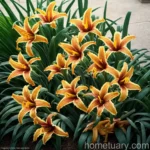
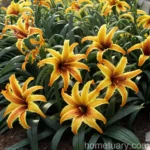
- Bloom Color: Multi-colored with a prominent eyezone
- Foliage: Grass-like, forming dense clumps
- Hardiness Zone: 3-9
- Mature Height: 18-24 inches
- Bloom Time: Early to midsummer
- Fragrance: Fragrant blooms
- Wildlife Attraction: Attracts pollinators, such as butterflies and hummingbirds
- Landscape Use: Borders, mass plantings, and containers
Uses
- Garden Plant: Ornamental garden plant
- Cut Flowers: Suitable for floral arrangements
- Medicinal Applications: Tr aditional medicinal plant with potential health benefits
- Culinary Uses: Edible flowers for garnishing and culinary preparations
Water
- Watering Needs: Moderate water requirements
- Drought Tolerance: Moderately drought-tolerant once established
- Watering Frequency: Regular watering during dry spells
Sunlight
- Sun Exposure: Full sun to partial shade
- Optimal Light: Thrives in full sun with adequate moisture
- Shade Tolerance: Can tolerate partial shade, especially in hot climates
Fertilizer
- Fertilization: Regular feeding with balanced fertilizer
- Fertilizer Type: Well-balanced, all-purpose fertilizer
- Application Frequency: Apply fertilizer in spring and early summer
Soil
- Soil Type: Well-draining, loamy soil
- Soil pH: Slightly acidic to slightly alkaline (pH 6.0-7.5)
- Soil Amendments: Organic matter for improved soil structure and fertility
Pruning
- Pruning: Remove spent flower stalks promptly
- Deadheading: Regular deadheading to promote continuous blooming
- Foliage Cleanup: Trim back foliage after the growing season
Propagation
- Propagation Methods: Division, seed propagation
- Division: Divide clumps every 3-4 years
- Seedlings: Start seeds indoors for new cultivars
Container Popularity
- Container Gardening: Well-suited for container cultivation
- Container Size: Adequate space for root development
- Potting Mix: Well-draining soil mix
Common Diseases
- Fungal Diseases: Leaf spot, rust, crown rot
- Preventive Measures: Proper spacing for airflow, fungicidal sprays
- Organic Remedies: Neem oil, copper fungicides
Disease Diagnosis
- Symptoms: Leaf discoloration, spotting, wilting
- Signs: Fungal growth, cankers, rot
- Diagnosis: Leaf and soil analysis, visual inspection
Common Pests
- Pest Species: Aphids, thrips, spider mites
- Natural Predators: Ladybugs, lacewings, predatory mites
- Pest Control: Insecticidal soaps, neem oil
Botanist’s Tips
- Tip 1: Provide ample sunlight for vibrant flower coloration
- Tip 2: Divide clumps to maintain plant vigor
- Tip 3: Monitor for aphids and spider mites, especially in warm weather
- Tip 4: Incorporate daylilies in butterfly and pollinator gardens
Fun Facts
- Daylilies are named for their ephemeral blooms, but each plant produces multiple flowers, ensuring a prolonged display.
- The Hemerocallis genus encompasses thousands of registered cultivars worldwide, displaying a mesmerizing array of colors and patterns.
- Daylilies are not true lilies but belong to the family Hemerocallidaceae, distinguishing them from members of the Liliaceae family.
Now that we have an overview of the key aspects of ‘Eye Yi Yi’ daylilies, let’s delve deeper into each of these elements to understand how to cultivate and appreciate these captivating plants to their fullest potential.
Daylily (Hemerocallis ‘Eye Yi Yi’): Detailed Insights
Hemerocallis ‘Eye Yi Yi’ Cultivation
Cultivating Hemerocallis ‘Eye Yi Yi’ presents a rewarding experience for gardeners due to its captivating blooms and minimal maintenance requirements. By understanding the specific cultural preferences and optimal care practices for ‘Eye Yi Yi’ daylilies, we can ensure their thriving growth and abundant flowering.
Daylily Planting and Care Guidelines
- Planting Time: Spring or early fall
- Spacing: 18-24 inches apart to allow for ample airflow
- Depth: Plant at the same level as the soil in the container
- Mulching: Apply a layer of mulch to conserve moisture and regulate soil temperature
- Watering: Provide regular, deep watering, especially during dry spells
- Soil Amendments: Incorporate organic matter into the soil before planting
- Companion Planting: Pair with perennials with similar cultural requirements for attractive combinations
- Maintenance: Divide clumps every 3-4 years to rejuvenate the plants
Hemerocallis ‘Eye Yi Yi’ Sun Requirements
Understanding the sunlight preferences of Hemerocallis ‘Eye Yi Yi’ is crucial for ensuring robust growth and prolific flowering. While daylilies are adaptable plants, providing them with the ideal light conditions can enhance their blooming potential and overall vigor.
Sunlight Preferences
- Full Sun: 6-8 hours of direct sunlight daily for optimal blooming
- Partial Shade: Tolerates partial shade, especially in hotter climates
- Morning Sun: Preferable in regions with intense afternoon heat
- Coastal Areas: Thrives in full sun in coastal environments
Watering Hemerocallis ‘Eye Yi Yi’
An understanding of the water needs and irrigation practices for Hemerocallis ‘Eye Yi Yi’ is essential for maintaining healthy, vibrant plants with abundant blooms. Balancing adequate moisture with proper drainage is key to supporting the growth and resilience of ‘Eye Yi Yi’ daylilies.
Watering Guidelines
- Moisture Needs: Moderate watering requirements
- Drought Tolerance: Moderately tolerant once established, but benefits from consistent moisture
- Root Zone: Apply water directly to the root zone to encourage deep, healthy root development
- Avoid Overhead Watering: Minimize wet foliage to reduce the risk of fungal diseases
- Mulching Benefits: Mulch conserves soil moisture and regulates temperature, reducing water needs
Fertilizing Hemerocallis ‘Eye Yi Yi’
Providing appropriate nutrition through fertilization is integral to promoting vigorous growth and abundant blooms in Hemerocallis ‘Eye Yi Yi’. Understanding the timing, formulation, and application practices for fertilizing daylilies is essential for maximizing their ornamental value and overall health.
Fertilization Practices
- Fertilizer Type: Well-balanced, all-purpose fertilizer with equal NPK ratio
- Application Time: Fertilize in early spring and again in early summer for continuous nourishment
- Dilution and Application: Follow package instructions for dilution and apply around the base of the plants
- Avoid Excessive Nitrogen: High nitrogen levels can result in lush foliage at the expense of flowers
- Organic Alternatives: Incorporate compost and organic amendments for gradual nutrient release
Soil Preferences for Hemerocallis ‘Eye Yi Yi’
Understanding the soil requirements and optimal growing medium for Hemerocallis ‘Eye Yi Yi’ is fundamental to providing the plants with a supportive environment for their development and flowering. Assessing the soil composition, structure, and pH levels enables us to create ideal conditions for ‘Eye Yi Yi’ daylilies.
Soil Characteristics
- Well-Draining Soil: Essential to prevent waterlogging and root rot
- Loamy Texture: Provides a balance of moisture retention and drainage
- Organic Matter: Incorporate compost and well-rotted manure for improved soil structure and fertility
- Soil pH: Slightly acidic to slightly alkaline range (pH 6.0-7.5)
- Soil Testing: Conduct soil tests for pH and nutrient levels to guide soil amendments
Pruning Techniques for Hemerocallis ‘Eye Yi Yi’
Pruning and deadheading Hemerocallis ‘Eye Yi Yi’ are vital practices for promoting continuous blooming, maintaining plant vigor, and enhancing the aesthetic appeal of the plants. By employing appropriate pruning techniques, we can support the overall health and visual allure of ‘Eye Yi Yi’ daylilies.
Pruning and Deadheading
- Prune Spent Flower Stalks: Remove spent blooms to encourage the development of new flower buds
- Deadheading Benefits: Promotes prolonged flowering and prevents seed formation
- Foliage Cleanup: Trim back yellowing or damaged foliage after the blooming season for a tidy appearance
- Sterilize Tools: Use clean, sharp pruners to minimize the risk of disease transmission
Propagation of Hemerocallis ‘Eye Yi Yi’
The propagation of Hemerocallis ‘Eye Yi Yi’ allows for the expansion of its presence in gardens and the development of new, unique cultivars. Understanding the methods of propagating ‘Eye Yi Yi’ daylilies, including division and seed propagation, empowers us to propagate and share these captivating plants effectively.
Propagation Methods
- Division: Split clumps into smaller divisions every 3-4 years to rejuvenate the plants
- Timing: Spring or early fall, when the plants are actively growing and the weather is mild
- Propagation from Seed: Start seeds indoors to develop new cultivars and hybrids
- Seed Stratification: Some daylily seeds benefit from cold stratification to break dormancy
Given the comprehensive insights into the cultivation and care of Hemerocallis ‘Eye Yi Yi’, it becomes evident that these plants offer not only captivating floral displays but also an enriching horticultural experience for gardeners and plant enthusiasts alike.
Hemerocallis ‘Eye Yi Yi’: Common Challenges and Solutions
While Hemerocallis ‘Eye Yi Yi’ is resilient and relatively low-maintenance, it may encounter specific challenges, including diseases and pest infestations. By identifying and addressing these issues proactively, we can ensure the optimal health and vitality of ‘Eye Yi Yi’ daylilies.
Common Diseases Affecting Hemerocallis ‘Eye Yi Yi’
Hemerocallis ‘Eye Yi Yi’ may be susceptible to certain fungal diseases and physiological disorders, which, if left unmanaged, can impact the plants’ vigor and flowering capacity. By recognizing the symptoms and employing preventive and remedial measures, we can mitigate the effects of common daylily ailments.
Fungal Diseases
- Leaf Spot: Circular, dark lesions on foliage
- Rust: Orange to brown powdery spots on leaves
- Crown Rot: Wilting, rotting at the base of the plant
- Preventive Measures: Proper spacing for improved airflow, watering at the base to minimize leaf wetting
- Fungicidal Treatments: Apply fungicidal sprays preventively or at the first signs of disease
- Organic Remedies: Neem oil, copper-based fungicides
Disease Diagnosis
- Symptom Observation: Monitor foliage for discoloration, wilting, or unusual patterns
- Soil Analysis: Assess soil moisture and drainage status to identify root-related issues
- Tissue Examination: Examine affected plant parts for signs of fungal growth or physiological disorders
- Professional Consultation: Seek advice from local horticultural experts for accurate diagnosis and management strategies
Hemerocallis ‘Eye Yi Yi’: Common Pests
While daylilies, including Hemerocallis ‘Eye Yi Yi’, are generally resistant to pest infestations, certain insects may pose a threat to their health and vitality. By identifying and addressing these potential pests, we can protect ‘Eye Yi Yi’ daylilies from damage and ensure their thriving growth.
Pest Species
- Aphids: Small, soft-bodied insects that cluster on new growth
- Thrips: Tiny, slender insects that cause silvery, stippled foliage
- Spider Mites: Minuscule pests that create webbing and stippling on leaves
- Control Measures: Introduce natural predators, such as ladybugs and predatory mites, to manage pest populations
- Organic Insecticides: Use insecticidal soaps and neem oil to control aphids and thrips
With an understanding of the common challenges that may affect Hemerocallis ‘Eye Yi Yi’ and the corresponding management strategies, gardeners can proactively safeguard the plants and maintain their ornamental integrity.
Botanist’s Tips for Hemerocallis ‘Eye Yi Yi’ Cultivation
To complement the comprehensive care guidelines and insights into Hemerocallis ‘Eye Yi Yi’, let’s explore specific tips and recommendations from botanists and experienced gardeners that can enhance the cultivation and appreciation of these captivating daylilies.
Botanist’s Tips
Tip 1: Sunlight Optimization
- Guidance: Place Hemerocallis ‘Eye Yi Yi’ in full sun or partial shade, depending on regional climatic conditions
- Recommended Practice: Provide ample sunlight to promote vibrant flower coloration and sturdy plant growth
Tip 2: Division for Vigorous Growth
- Guidance: Divide ‘Eye Yi Yi’ clumps every 3-4 years
- Recommended Practice: Rejuvenate the plants and maintain their vigor by splitting clumps into smaller divisions
Tip 3: Pest Monitoring
- Guidance: Watch for signs of aphids and spider mites, especially in warm weather
- Recommended Practice: Regularly inspect the plants for pest activity and employ targeted control measures if necessary
Tip 4: Pollinator Gardens
- Guidance: Incorporate daylilies in butterfly and pollinator gardens
- Recommended Practice: Create attractive and beneficial habitats for pollinators by including ‘Eye Yi Yi’ daylilies in garden designs
These insights from seasoned botanists and horticultural experts provide valuable guidance for optimal Hemerocallis ‘Eye Yi Yi’ cultivation and care, empowering enthusiasts to foster healthy, vibrant plants in their own gardens.
Exploring Additional Aspects of Hemerocallis ‘Eye Yi Yi’
Hemerocallis ‘Eye Yi Yi’: Wildlife Attraction and Floral Essence
The allure of Hemerocallis ‘Eye Yi Yi’ extends beyond its visual appeal, as these daylilies possess additional attributes that contribute to their ecological significance and sensory delight.
Wildlife Attraction
- Butterflies: Daylilies, including ‘Eye Yi Yi’, attract butterflies with their nectar-rich blooms
- Hummingbirds: The vibrant flowers entice hummingbirds, adding dynamic movement to the garden
- Ecological Contribution: By serving as a food source for pollinators, ‘Eye Yi Yi’ daylilies support local biodiversity
Fragrance and Floral Essence
- Fragrant Blooms: ‘Eye Yi Yi’ daylilies exude a delicate, sweet fragrance, enhancing the sensory experience in the garden
- Aromatic Appeal: Position daylilies near patios and outdoor seating areas to enjoy their captivating scent
Hemerocallis ‘Eye Yi Yi’: Nurturing Biodiversity
Incorporating Hemerocallis ‘Eye Yi Yi’ in garden landscapes contributes to the nurturing of local biodiversity by attracting pollinators and supporting ecosystem health.
Hemerocallis ‘Eye Yi Yi’: Folklore and Cultural Significance
As with many plants, daylilies, including ‘Eye Yi Yi’, hold cultural and symbolic significance in various traditions and folklore. Exploring the historical and symbolic associations of ‘Eye Yi Yi’ daylilies adds a layer of depth to their horticultural allure.
Hemerocallis ‘Eye Yi Yi’: Photogenic Beauty
The captivating blooms and vibrant colors of ‘Eye Yi Yi’ daylilies make them excellent subjects for garden photography, allowing enthusiasts to capture and celebrate their ornamental charm.
Hemerocallis ‘Eye Yi Yi’: Medicinal and Culinary Potential
Exploring the traditional medicinal uses and culinary applications of daylilies, including ‘Eye Yi Yi’, offers insights into the diverse practical aspects of these captivating plants.
The multi-faceted appeal of Hemerocallis ‘Eye Yi Yi’ invites enthusiasts to explore its ecological, cultural, and sensory dimensions, expanding the appreciation of these alluring daylilies beyond their ornamental value.
External Resources for Hemerocallis ‘Eye Yi Yi’
To further enrich your understanding and appreciation of Hemerocallis ‘Eye Yi Yi’ and daylilies in general, here are additional external resources, including reputable organizations, educational materials, and databases:
Educational Material
- “Daylilies: A Twenty-First Century Garden Plant” by American Hemerocallis Society
- “Hemerocallis Handbook” by The Daylily Journal
- “Daylilies: The Wild Species and Garden Clones, Both Old and New, of the Genus Hemerocallis” by A.B. Stout
Reputable Organizations
- American Daylily Society: Leading authority on daylilies, providing comprehensive information and resources
- Royal Horticultural Society (RHS): Offers valuable insights into the cultivation and care of daylilies, including specific cultivars like ‘Eye Yi Yi’
Databases and Repositories
- International Hemerocallis Registry Database: Access a comprehensive database of registered daylily cultivars, including ‘Eye Yi Yi’ and its characteristics
- Hemerocallis Cultivar Database: Explore genetic and morphological