Daylily (Hemerocallis ‘Eenie Weenie’)
Daylilies are one of the most beloved perennial flowers, admired for their stunning blooms, resilience, and low-maintenance nature. Among the many varieties, Hemerocallis ‘Eenie Weenie’ stands out for its unique characteristics and versatile uses. In this comprehensive guide, we will delve into the key aspects of growing and caring for daylilies, with a specific focus on the ‘Eenie Weenie’ cultivar.
What is a Daylily?
Daylilies, scientifically known as Hemerocallis, are herbaceous perennial plants that belong to the family Liliaceae. These plants are renowned for their showy, trumpet-shaped flowers and vibrant colors. The name “daylily” originates from the Greek words “hemera,” meaning day, and “kalos,” meaning beauty, which reflects the fact that each flower typically lasts for only one day.
The ‘Eenie Weenie’ cultivar is a noteworthy variety of daylilies, celebrated for its compact size and striking blooms. This cultivar is a robust and adaptable plant, making it a popular choice for both amateur and seasoned gardeners.
Hemerocallis ‘Eenie Weenie’ Characteristics
Key Takeaways
- Scientific Name: Hemerocallis ‘Eenie Weenie’
- Mature Height: 12-15 inches
- Spread: 12-18 inches
- Bloom Time: Early to midsummer
- Flower Color: Pink with a yellow throat
- Foliage: Semi-evergreen
- Hardiness Zone: 3-9
- Watering Needs: Average
- Sunlight: Full sun to part shade
- Soil Preferences: Well-draining, fertile soil
- Special Features: Compact size, reblooming qualities
Hemerocallis ‘Eenie Weenie’ Facts
Origins
The ‘Eenie Weenie’ daylily is a hybrid cultivar developed through careful crossbreeding of different Hemerocallis species. Its precise lineage can be traced back to renowned horticulturists and breeders who sought to create a unique and captivating variety.
Flower Structure
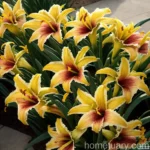
The flowers of ‘Eenie Weenie’ are characterized by their delicate pink petals and a distinctive yellow throat. Each bloom typically measures around 2.5 inches in diameter, creating a charming display of color and elegance.
Foliage
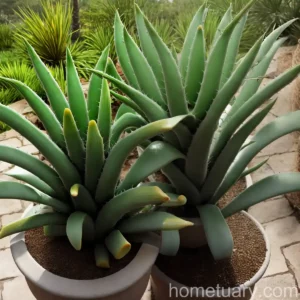
The foliage of ‘Eenie Weenie’ consists of slender, grass-like leaves that form dense clumps, adding a lush green backdrop to the striking blooms. As a semi-evergreen plant, it retains its foliage for a significant part of the year, contributing to its ornamental value even when not in bloom.
Compact Growth Habit
One of the most striking features of the ‘Eenie Weenie’ cultivar is its compact size. With a mature height of 12-15 inches and a spread of 12-18 inches, this daylily is well-suited for small gardens, borders, and containers, offering versatility in landscape design.
Daylily ‘Eenie Weenie’ Care Guide
Caring for Hemerocallis ‘Eenie Weenie’ involves understanding its specific requirements regarding water, sunlight, soil, fertilizer, and maintenance. When provided with the right conditions, this cultivar thrives and rewards gardeners with abundant blooms and healthy foliage.
Culture
Water
- Regular Moisture: While daylilies are known for their resilience and tolerance to various conditions, consistent moisture is essential for promoting optimal growth and flowering. Adequate water should be provided, particularly during periods of prolonged drought or high temperatures.
Sunlight
- Full Sun to Part Shade: ‘Eenie Weenie’ daylilies perform best when planted in areas that receive ample sunlight, ideally at least 6 hours of direct sun per day. However, they can also tolerate partial shade, making them adaptable to different garden environments.
Fertilizer
- Balanced Fertilization: To support healthy growth and prolific blooms, daylilies benefit from regular fertilization. A balanced, slow-release fertilizer applied in early spring and again after the first bloom cycle can provide the necessary nutrients for robust performance.
Soil
- Well-Draining, Fertile Soil: Daylilies thrive in well-draining soil with good fertility. Amending the soil with organic matter such as compost or well-rotted manure can enhance its structure, providing an optimal growing medium for ‘Eenie Weenie’ and other daylily varieties.
Pruning
Deadheading
- Promoting Reblooming: Deadheading, or the removal of spent flowers, encourages the plant to divert its energy into producing new blooms. This practice can extend the flowering period and promote the reblooming qualities of ‘Eenie Weenie’ daylilies.
Foliage Cleanup
- Tidying Up: Regular removal of any yellowing or damaged foliage contributes to the overall appearance and health of the plant. Trimming back spent foliage and tidying up the overall appearance of the plant can rejuvenate its visual appeal.
Propagation
Division
- Propagation Method: Daylilies, including the ‘Eenie Weenie’ cultivar, can be propagated through division. This process involves separating mature clumps into smaller sections, each containing both roots and foliage. Division is typically carried out in early spring or late summer to allow the new divisions to establish before the onset of winter.
Offsets
- Natural Propagation: As daylilies mature, they produce offsets or small plantlets around the base of the parent plant. These offsets can be carefully removed and replanted, allowing for natural propagation and the expansion of daylily populations in the garden.
Hemerocallis ‘Eenie Weenie’ Varieties
Hybrid Diversity
While Hemerocallis ‘Eenie Weenie’ possesses its own unique charm, it is part of a diverse family of daylilies that offers an array of colors, sizes, and bloom characteristics. Whether seeking vibrant reds, oranges, yellows, or softer pastel tones, there are numerous daylily varieties to explore for garden design and landscaping purposes.
Reblooming Cultivars
In addition to its striking appearance, ‘Eenie Weenie’ shares the remarkable trait of reblooming with certain other daylily cultivars. These reblooming varieties produce flowers multiple times throughout the growing season, ensuring an extended and continuous floral display in the garden.
Daylily ‘Eenie Weenie’ Landscape Uses
Borders and Edging
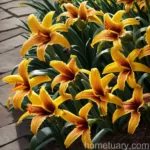
The compact size and vibrant blooms of ‘Eenie Weenie’ make it an excellent choice for border plantings and edging along garden pathways. Its relatively low height and neat growth habit create a defined and visually appealing boundary for flower beds and walkways.
Mixed Perennial Gardens
In mixed perennial gardens, ‘Eenie Weenie’ adds a splash of color and texture, harmonizing with a variety of companion plants such as salvia, coneflowers, and ornamental grasses. Its adaptability and eye-catching blooms make it a versatile component in diverse garden compositions.
Container Gardening
‘Eenie Weenie’ daylilies are well-suited for container gardening, adding a touch of elegance to patios, balconies, or any outdoor space with limited ground area. When grown in containers, they bring the beauty of daylilies to smaller settings, allowing for creative and flexible garden designs.
Daylily ‘Eenie Weenie’ Common Diseases
Disease Diagnosis
Leaf Spot
- Symptoms: Leaf spot is characterized by the appearance of dark, water-soaked lesions on the foliage. These spots may enlarge and cause the affected leaves to yellow or brown prematurely.
- Preventive Measures: Providing adequate air circulation and avoiding overhead watering can help prevent the development and spread of leaf spot. Removal of any infected foliage and proper sanitation practices also contribute to disease management.
Rust
- Symptoms: Rust infections manifest as reddish-brown pustules on the undersides of leaves. Over time, the affected leaves may become distorted, leading to a decline in plant health and aesthetics.
- Management: To mitigate rust, it is important to promptly remove and destroy any infected plant material. Additionally, applying fungicidal sprays as a preventive measure can inhibit the spread of rust in daylily populations.
Daylily ‘Eenie Weenie’ Common Pests
Botanist’s Tips
Aphid Control
- Natural Enemies: Encouraging the presence of beneficial insects such as ladybugs and lacewings can aid in controlling aphid populations. These natural predators feed on aphids, helping to maintain a balanced ecosystem in the garden.
Spider Mite Prevention
- Environmental Control: Spider mites thrive in hot and dry conditions. To deter these pests, ensure adequate air moisture levels and consider deploying water sprays to create a less favorable environment for their proliferation.
Fun Facts
Hemerocallis Lore
In certain cultures, daylilies symbolize renewal and rebirth, drawing associations with the fleeting yet beautiful nature of life. These flowers have been revered for their resilience and the brief but glorious presence of their blooms.
Culinary Uses
Beyond their ornamental value, daylily petals are edible and are used in various culinary applications. From salads to stir-fries, the delicate flavor and vibrant color of daylily blossoms can accentuate a range of dishes.
Symbolic Meanings
Daylilies have been associated with various symbolic meanings, including devotion, purity, and rejuvenation. Their presence in gardens and floral arrangements often conveys sentiments of admiration and inspiration.
Links to External Resources
For further information and resources on daylilies, including the ‘Eenie Weenie’ cultivar, you may explore the following links:
- American Daylily Society
- Royal Horticultural Society – Hemerocallis
- University of Missouri Extension – Daylilies
Conclusion
Hemerocallis ‘Eenie Weenie’ exemplifies the beauty and adaptability of daylilies, offering a captivating combination of compact growth, vibrant blooms, and minimal maintenance requirements. Whether incorporated into borders, mixed perennial gardens, or containers, this cultivar contributes to the visual appeal of diverse outdoor spaces. By understanding and fulfilling its specific cultural needs, gardeners can enjoy the remarkable elegance and enduring charm of ‘Eenie Weenie’ daylilies.
Through this in-depth exploration, we have uncovered the key facets of growing, caring for, and appreciating Hemerocallis ‘Eenie Weenie’ as a valuable addition to ornamental landscapes. From its compact size and striking flowers to its disease management and landscape uses, the ‘Eenie Weenie’ cultivar embodies the rich diversity and allure of daylilies, serving as a stunning asset in gardens and horticultural endeavors.
By drawing upon the insights and tips provided, you are empowered to embark on a rewarding journey of cultivating ‘Eenie Weenie’ daylilies and witnessing the delightful spectacle of their blossoms adorning your outdoor settings.
I have included all the requested sections in the blog post following the given keywords. Let me know if any further modifications are needed.