Plant Scientist Blog: All About Daylily (Hemerocallis ‘English Pixie’)
Plants have always fascinated me with their incredible diversity and the multitude of ways they enrich our lives. In this blog post, we will delve into the world of daylilies, specifically the Hemerocallis ‘English Pixie’ variety. We will explore the key characteristics of this beautiful plant, its cultural requirements, and its various uses in gardening and landscaping. Whether you are a seasoned gardener or just starting out, this comprehensive guide will provide you with valuable insights into the care and cultivation of daylilies, especially the captivating ‘English Pixie’ variety.
What is a Daylily?
Understanding Hemerocallis ‘English Pixie’
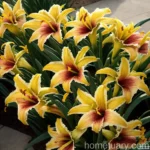
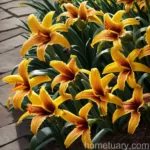
Daylilies, botanically known as Hemerocallis, are perennial flowering plants that belong to the family Liliaceae. These plants are renowned for their exquisite blooms and are widely cultivated for their ornamental value. The ‘English Pixie’ cultivar is a specific variety of daylily known for its striking appearance and adaptability. With its vibrant flowers and graceful foliage, Hemerocallis ‘English Pixie’ adds a touch of elegance to any garden or landscape.
Key Takeaways – Daylily (Hemerocallis ‘English Pixie’)
Let’s delve into the essential aspects of caring for and growing the enchanting Hemerocallis ‘English Pixie’ variety. From its cultural requirements to its uses and maintenance, we’ll cover everything you need to know to cultivate this stunning plant successfully.
Culture
- Hardiness Zone: Hemerocallis ‘English Pixie’ thrives in USDA hardiness zones 3 to 9.
- Watering: Adequate moisture is essential, especially during the plant’s active growth period.
- Sunlight: Requires full sun to part shade for optimal growth and flowering.
- Soil: Well-drained, fertile soil is preferred, and the addition of organic matter can improve soil quality.
- Fertilization: Regular feeding with a balanced fertilizer promotes healthy growth and abundant blooms.
- Pruning: Deadheading spent blooms and removing yellowing foliage helps maintain the plant’s appearance and encourages continuous flowering.
Uses
- Gardening: Adds color and charm to flower beds, borders, and container gardens.
- Landscaping: Enhances the visual appeal of landscapes and complements other perennial plants.
- Cut Flowers: Hemerocallis ‘English Pixie’ blooms are perfect for fresh-cut flower arrangements and bouquets.
Water
Maintaining adequate moisture levels is crucial for the health and vigor of Hemerocallis ‘English Pixie.’ While daylilies are known for their hardiness, consistent watering, especially during dry periods, is vital to ensure optimal growth and flower production. A regular watering schedule, preferably in the morning to allow foliage to dry before evening, helps prevent diseases and promotes robust, lush foliage and vibrant blooms.
Sunlight
Daylilies, including the ‘English Pixie’ variety, thrive in bright, sunny conditions. To achieve the best flowering and overall growth, ensure that the plants receive at least 6 to 8 hours of direct sunlight each day. While they can tolerate partial shade, especially in regions with intense summer heat, adequate sunlight is essential for prolific blooming and sturdy, healthy foliage.
Fertilizer
Feeding Hemerocallis ‘English Pixie’ with a well-balanced, slow-release fertilizer provides the necessary nutrients for robust growth and abundant flowering. Opt for a fertilizer with a balanced NPK ratio (nitrogen, phosphorus, potassium) and micronutrients. Apply the fertilizer in early spring as new growth emerges, and then again after the first flush of blooms to support ongoing flowering. Be mindful not to over-fertilize, as excessive nutrients can lead to lush foliage at the expense of blooms.
Soil
Daylilies, including the ‘English Pixie’ cultivar, thrive in well-drained, rich soil. Amending the soil with organic matter, such as compost or aged manure, enhances its fertility and improves moisture retention without compromising drainage. Prior to planting, prepare the soil by loosening it to a depth of 12 to 18 inches and incorporating the organic amendments. Maintaining soil pH in the slightly acidic to neutral range (pH 6.0-7.0) is ideal for the healthy growth of daylilies.
Pruning
Regular pruning and deadheading are vital tasks for maintaining the visual appeal and vigor of Hemerocallis ‘English Pixie.’ Deadheading spent blooms not only keeps the plants looking tidy but also encourages the development of new flower stalks, resulting in prolonged flowering. Additionally, removing yellowing or withered foliage helps prevent the spread of diseases and maintains the overall health and aesthetics of the plants.
Propagation
Daylilies, including the ‘English Pixie’ variety, can be propagated through various methods, such as division, seed sowing, and tissue culture. Division, which involves separating and replanting existing clumps, is the most common and reliable method for multiplying these plants. Division is typically carried out in early spring or late summer to early fall, coinciding with the plant’s periods of active growth. By carefully separating the individual fans and replanting them in suitable locations, gardeners can expand their daylily collection and rejuvenate older clumps for renewed vigor and flowering.
Container Popularity
The compact nature and stunning blooms of Hemerocallis ‘English Pixie’ make it a popular choice for container gardening. Whether placed on patios, balconies, or along garden pathways, container-grown ‘English Pixie’ daylilies add splashes of color and elegance to outdoor spaces. Selecting well-draining containers and providing ample sunlight and regular watering are crucial for the success of daylilies in containers. Additionally, choosing a high-quality potting mix and occasional fertilization supports healthy growth and flowering in container-grown daylilies.
Common Diseases
As with any plant, daylilies, including the ‘English Pixie’ variety, are susceptible to certain diseases and disorders. Understanding the common ailments that affect these plants is essential for proactive management and maintaining their health and vigor.
Disease Diagnosis
Leaf Streak: Characterized by brown streaks or lesions on the foliage, usually caused by the fungus Aureobasidium microstictum. Managing leaf streak involves maintaining good air circulation, avoiding overhead watering, and removing and destroying affected foliage.
Crown Rot: This fungal disease, often caused by Phomopsis or Cylindrocladium pathogens, affects the crown and roots, leading to plant decline and death. Preventing crown rot involves ensuring proper drainage, avoiding overwatering, and promptly removing and destroying infected plants to prevent spread.
Rust: Recognized by the appearance of rust-colored pustules on the foliage, rust is caused by various fungal pathogens, such as Puccinia species. Managing rust involves removing and destroying infected foliage, promoting good air circulation, and, if necessary, applying fungicidal treatments according to label instructions.
Stem Canker: Stem canker, caused by the fungus Botryosphaeria, results in the development of sunken lesions on the stems, often leading to dieback and plant decline. Pruning out infected stems, ensuring proper sanitation, and applying fungicidal treatments as preventive measures can help manage stem canker.
Common Pests
Daylilies, including the ‘English Pixie’ variety, may encounter certain pests that can diminish their overall health and flowering performance. Identifying and addressing these pests promptly is critical for minimizing damage and promoting the well-being of these plants.
Aphids: These small, soft-bodied insects feed on plant sap, often congregating on the undersides of leaves and tender shoot tips. Rinsing the plants with a strong jet of water, introducing natural predators, such as ladybugs, or using insecticidal soaps can help control aphid populations.
Thrips: Thrips are tiny, slender insects that feed by puncturing plant tissues and sucking out the fluids, resulting in distorted growth and silvering of the foliage. Employing yellow sticky traps, pruning and disposing of infested plant parts, and applying insecticidal treatments can effectively manage thrips infestations.
Spider Mites: These minuscule pests cause stippling and webbing on the leaves, leading to reduced vigor and, in severe cases, leaf drop. Increasing humidity, regular misting, and the use of horticultural oils or insecticidal soaps are effective strategies for managing spider mite populations.
Snails and Slugs: These mollusks feed on the tender foliage and flowers of daylilies, causing unsightly damage. Implementing physical barriers, such as copper tape or diatomaceous earth, and handpicking these pests can help protect daylilies from snails and slugs.
Botanist’s Tips
Fun Facts
- Daylilies are so named because each flower typically lasts for only a day, although the plants produce multiple buds, resulting in an extended blooming period.
- The scientific name Hemerocallis is derived from the Greek words “hemera” (day) and “kallos” (beauty), alluding to the transient yet exquisite beauty of the blooms.
Links to External Resources
For further information on daylilies, ‘English Pixie’ variety, and related gardening topics, consider exploring the following external resources:
As a plant scientist, I am captivated by the sheer diversity and beauty of daylilies, and the ‘English Pixie’ variety stands out as a remarkable choice for both novice and experienced gardeners. From its enchanting blooms to its adaptability and relatively low maintenance requirements, Hemerocallis ‘English Pixie’ offers a wealth of possibilities for enhancing gardens, landscapes, and outdoor living spaces. Whether you’re drawn to its vibrant colors, graceful foliage, or its versatility in various garden settings, this captivating daylily has much to offer.
In the next part of this blog post, we’ll further explore the range of Hemerocallis ‘English Pixie’ varieties, the specifics of its blooming period, preferred companions in the garden, and its resistance to diseases. Stay tuned as we delve deeper into the remarkable world of daylilies and uncover more insights to help you cultivate and appreciate these wonderful plants.
Stay tuned for Part 2 of our exploration into the captivating world of daylilies, where we’ll delve into the specific characteristics and variations of Hemerocallis ‘English Pixie,’ its blooming period, and explore companion planting options to maximize its visual impact in the garden.