Coral Bells (Heuchera ‘TNHEU041’ DOLCE CREME BRULEE): A Comprehensive Guide
Coral Bells, scientifically known as Heuchera ‘TNHEU041’ DOLCE CREME BRULEE, are known for their striking foliage and delicate flowers. This perennial plant has gained popularity for its versatility and low maintenance, making it a favorite among gardeners and landscape enthusiasts. In this comprehensive guide, we will explore the different aspects of Coral Bells, from its cultural requirements to potential diseases and pests, along with a botanist’s tips and fun facts. So, whether you’re a seasoned horticulturist or a novice plant enthusiast, there’s something for everyone to learn about this captivating plant.
Let’s dive into the fascinating world of Coral Bells and uncover the secrets of Heuchera ‘TNHEU041’ DOLCE CREME BRULEE!
What is the Coral Bells (Heuchera ‘TNHEU041’ DOLCE CREME BRULEE)?
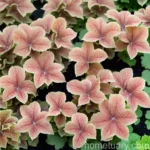
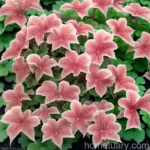
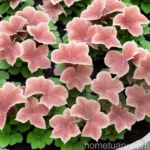
Coral Bells, or Heuchera ‘TNHEU041’ DOLCE CREME BRULEE, is a cultivar of the genus Heuchera, which is part of the Saxifragaceae family. This perennial plant is prized for its stunning foliage and delicate, bell-shaped flowers, which come in an array of colors. The ‘TNHEU041’ variety, also known as DOLCE CREME BRULEE, is particularly cherished for its vibrant foliage and compact growth habit.
Key Takeaways
- Common Name: Coral Bells
- Scientific Name: Heuchera ‘TNHEU041’ DOLCE CREME BRULEE
- Plant Type: Perennial
- Growth Habit: Compact, Mounding
- Foliage Color: Variegated, Ranging from Golden to Amber
- Flower Color: Delicate, Bell-shaped Flowers in Various Hues
- Hardiness Zones: 4-9 (May Vary Based on Microclimates)
Now that we have an overview of the Coral Bells (Heuchera ‘TNHEU041’ DOLCE CREME BRULEE), let’s delve into the specific cultural requirements, uses, and care tips for this captivating plant.
Culture
Coral Bells are known for their adaptability and can thrive in a variety of environmental conditions. Understanding their cultural needs is essential for promoting their growth and ensuring their longevity in the garden or landscape.
Uses
The versatility of Coral Bells makes them suitable for various landscaping and gardening purposes. Here are some common uses of Heuchera ‘TNHEU041’ DOLCE CREME BRULEE:
- Groundcover: The compact, mounding growth habit of Coral Bells makes them ideal for creating lush groundcover in garden beds and borders.
- Container Planting: Their graceful foliage and vibrant colors make Coral Bells a popular choice for container gardens, adding visual interest to patios, balconies, and outdoor living spaces.
- Mixed Borders: When planted alongside other perennials and shrubs, Coral Bells can add texture and color to mixed border plantings, creating eye-catching displays throughout the growing season.
- Woodland Gardens: Due to their shade tolerance, Coral Bells thrive in woodland or shade gardens, where their elegant foliage can brighten up shaded areas.
Water
Proper watering is crucial for the health of Coral Bells, as they prefer consistently moist, well-draining soil. While they have moderate drought tolerance once established, they benefit from regular watering, especially during dry periods. However, it’s essential to avoid overwatering, as excessive moisture can lead to root rot and other complications.
Here are some general guidelines for watering Coral Bells:
- Established Plants: Water deeply once or twice a week, allowing the soil to dry slightly between waterings.
- Container Plants: Check the moisture levels regularly and water when the top inch of the soil feels dry to the touch.
- Avoid Waterlogged Soil: Ensure proper drainage to prevent waterlogged conditions, which can be detrimental to the plant’s health.
Sunlight
Coral Bells exhibit a preference for partial shade to full sun, although their sunlight requirements may vary based on regional climates. In warmer regions, providing afternoon shade can help protect the plants from excessive heat and sun exposure. On the other hand, in cooler climates, they may benefit from more sun exposure to promote flower production and vibrant foliage colors.
Consider the following tips for managing sunlight for Coral Bells:
- Partial Shade: In regions with intense sunlight, provide filtered or partial shade to protect the plants from excessive heat stress.
- Full Sun: In cooler climates, Coral Bells can thrive in full sun, intensifying the colors of their foliage and encouraging prolific flowering.
- Morning Sun: If possible, position the plants where they can receive morning sun and filtered afternoon shade for balanced light exposure.
Fertilizer
Appropriate fertilization can enhance the growth and performance of Coral Bells, providing them with essential nutrients for strong, vibrant foliage and prolific flowering. When fertilizing this perennial, it’s crucial to choose a balanced, slow-release fertilizer to avoid excessive nutrient buildup and potential damage to the plant.
Follow these fertilization guidelines for Coral Bells:
- Timing: Apply fertilizer in early spring as new growth emerges, and again in midsummer to support continued vigor and flowering.
- Balanced Formula: Choose a fertilizer with a balanced NPK ratio, such as 10-10-10 or 14-14-14, to provide a steady supply of essential nutrients.
- Avoid Overfeeding: Use fertilizers sparingly, following the manufacturer’s recommendations, to prevent overfeeding, which can lead to excessive foliage growth at the expense of flowering.
Soil
The soil composition plays a critical role in the overall health and vitality of Coral Bells. These plants thrive in well-draining, organic-rich soil that provides a supportive growing environment for their root systems.
Consider these soil-related factors when planting and caring for Coral Bells:
- Well-Draining Soil: Ensure that the planting site has well-draining soil to prevent waterlogged conditions, which can lead to root rot and other moisture-related issues.
- Organic Matter: Incorporate organic matter, such as compost or well-rotted manure, into the soil to improve its structure and fertility, providing a beneficial environment for the plant’s roots.
- Soil pH: Coral Bells prefer slightly acidic to neutral soil with a pH range of 6.0 to 7.0. Conduct a soil test if needed and amend the soil to achieve the optimal pH level for these perennials.
Pruning
Pruning is an essential aspect of maintaining the shape, vigor, and aesthetics of Coral Bells. By removing spent flowers and dead foliage, as well as conducting periodic rejuvenation pruning, gardeners can promote healthy growth and encourage continuous flowering.
Follow these pruning tips for Heuchera ‘TNHEU041’ DOLCE CREME BRULEE:
- Deadheading: Remove spent flower stems to encourage additional blooms and prevent self-seeding, redirecting the plant’s energy towards new growth and flowering.
- Rejuvenation Pruning: Every few years, consider rejuvenation pruning by cutting back the entire plant to a low height in early spring, rejuvenating its growth and vigor.
- Sanitation: Regularly remove any dead, yellowing, or damaged foliage to maintain a clean and healthy appearance, reducing the risk of disease and pest infestations.
Propagation
Propagating Coral Bells allows for the expansion of their presence in the garden or landscape, as well as the preservation of favored cultivars such as Heuchera ‘TNHEU041’ DOLCE CREME BRULEE. This perennial can be propagated through several methods, including division, stem cuttings, and seed propagation.
Explore these propagation techniques for Coral Bells:
- Division: In early spring or fall, divide mature clumps of Coral Bells, ensuring that each division has sufficient roots and foliage for successful transplantation.
- Stem Cuttings: Take stem cuttings from healthy, non-flowering shoots in late spring or early summer, rooting them in a suitable growing medium to establish new plants.
- Seed Propagation: Collect seeds from mature flower spikes and sow them in a prepared seed-starting mix, providing adequate moisture and warmth for germination and seedling growth.
Container Popularity
The compact size and vibrant foliage of Coral Bells make them a popular choice for container gardening, allowing enthusiasts to incorporate these captivating plants into their outdoor spaces, even in limited areas. When growing Heuchera ‘TNHEU041’ DOLCE CREME BRULEE in containers, several considerations can contribute to their success and visual appeal.
Discover the key aspects of cultivating Coral Bells in containers:
- Container Selection: Choose a spacious, well-draining container with adequate drainage holes to accommodate the plant’s root system and prevent waterlogged conditions.
- Growing Medium: Use a high-quality potting mix with added organic matter to provide a nutrient-rich and well-aerated environment for Coral Bells to thrive.
- Watering Needs: Monitor the moisture levels closely and water container-grown Coral Bells as needed to ensure consistent soil moisture without waterlogging the roots.
Common Diseases
While Coral Bells are relatively resilient, they can be susceptible to certain diseases, particularly in unfavorable growing conditions or during periods of stress. By being aware of common diseases and their symptoms, gardeners can promptly address any issues and implement preventive measures to protect their plants.
Disease Diagnosis
Here are some common diseases that may affect Coral Bells, along with their potential symptoms and management strategies:
- Powdery Mildew (Erysiphe biocellata): Identified by a powdery white coating on the foliage, powdery mildew can affect Coral Bells, especially in humid or poorly ventilated conditions. To manage this fungal disease, improve air circulation, avoid overhead watering, and consider fungicidal treatments if necessary.
- Crown Rot (Rhizoctonia solani): Excessive soil moisture and poor drainage can lead to crown rot, causing the plant to wilt and exhibit stunted growth. To prevent crown rot, ensure proper drainage, and avoid overwatering, while applying fungicidal treatments as needed.
- Leaf Spot (Several Fungal Species): Leaf spot diseases can manifest as dark spots or lesions on the foliage, potentially impacting the plant’s overall vigor. Promote good sanitation, such as removing and disposing of affected leaves, and consider fungicidal applications to manage leaf spot diseases effectively.
Common Pests
Several pests can pose potential threats to Coral Bells, feeding on their foliage and compromising the plants’ health and appearance. By monitoring for common pests and implementing integrated pest management practices, gardeners can safeguard their Coral Bells from destructive infestations.
Explore the common pests that may target Heuchera ‘TNHEU041’ DOLCE CREME BRULEE:
- Spider Mites: These tiny pests can cause stippling and discoloration on the leaves, leading to weakened plant vigor. Mitigate spider mite infestations through regular monitoring, hosing down the foliage, and applying horticultural oils if needed.
- Snails and Slugs: These moisture-loving pests can chew on the foliage and leave behind unsightly damage. Employ physical barriers, such as copper tape or diatomaceous earth, and utilize organic control methods to manage snails and slugs effectively.
- Vine Weevils: The larvae of vine weevils can feed on the roots of Coral Bells, potentially causing significant damage. Implement preventive measures, such as using biological control agents and nematodes, to manage vine weevil populations and protect the plants from harm.
Botanist’s Tips
As a plant scientist and enthusiast, I recommend the following tips for cultivating and enjoying Coral Bells in garden and landscape settings:
- Selecting Companion Plants: Pair Coral Bells with shade-loving companions, such as Hostas, Ferns, and Astilbes, to create visually appealing and harmonious plant combinations in shaded garden areas.
- Exploring Foliage Varieties: Explore the diverse foliage colors and patterns available in Coral Bells, ranging from deep burgundies to vibrant lime greens, to create captivating garden compositions and striking contrasts.
- Enhancing Wildlife Habitat: The delicate flowers of Coral Bells can attract pollinators, including bees and hummingbirds, contributing to the ecological richness of garden environments and supporting biodiversity.
- Adapting to Creative Containers: Experiment with different container types and sizes to showcase the unique foliage of Coral Bells, accentuating their ornamental qualities in container gardening displays.
Fun Facts
To further appreciate the allure of Coral Bells, consider these intriguing fun facts about Heuchera ‘TNHEU041’ DOLCE CREME BRULEE:
- Native American Uses: Some Indigenous communities historically used the roots of Heuchera species for medicinal purposes, including treating various ailments such as coughs and digestive issues.
- Edible Flowers: The delicate blossoms of Coral Bells are edible and can be used to add a touch of color and whimsy to culinary creations, such as salads and desserts.
- Etymology of Heuchera: The genus name “Heuchera” honors Johann Heinrich von Heucher, an 18th-century German physician and botanist known for his contributions to the study of medicinal plants.
As we conclude our exploration of Coral Bells (Heuchera ‘TNHEU041’ DOLCE CREME BRULEE), I encourage you to further expand your knowledge and appreciation of this remarkable plant through the use of external resources and reputable sources. By engaging with the broader community of plant enthusiasts and horticultural experts, you can enrich your understanding of Coral Bells and cultivate a deeper connection with the natural world.
Links to External Resources
To continue your journey of discovery and learning, consider exploring the following external resources:
- Royal Horticultural Society (RHS): The RHS offers valuable insights into the cultivation, care, and recommended varieties of Heuchera, including Heuchera ‘TNHEU041’ DOLCE CREME BRULEE.
- Missouri Botanical Garden: The Missouri Botanical Garden provides comprehensive information on the taxonomy, distribution, and cultural requirements of Heuchera species, enriching your understanding of these captivating plants.
- American Society of Horticultural Science (ASHS): Explore scholarly articles and research publications on Heuchera and related topics within the ASHS digital library, accessing scientific insights and horticultural advancements.
As you delve into these resources and interact with fellow enthusiasts, I hope that you will continue to derive joy and inspiration from the beauty and resilience of Coral Bells, fostering a deeper appreciation for the wonders of the plant kingdom.
In closing, let the vibrant foliage and delicate charm of Coral Bells (Heuchera ‘TNHEU041’ DOLCE CREME BRULEE) kindle your curiosity and passion for horticulture, enriching your life with the timeless allure of nature’s botanical treasures.
Thank you for embarking on this botanical journey with me, and may your gardening endeavors flourish with abundant beauty and splendor!
“`