Daylily (Hemerocallis ‘Apricot Honey’)
Introduction
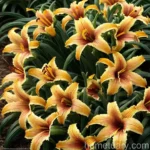
The daylily (Hemerocallis ‘Apricot Honey’) is a stunning perennial plant known for its beautiful apricot-colored flowers and vibrant green foliage. As a plant scientist with a passion for horticulture, I am excited to delve into the culture, uses, and care tips for this particular daylily variety. In this comprehensive guide, we will explore its specific water, sunlight, fertilizer, soil, and pruning requirements, as well as propagation methods, common diseases, and pests that may affect its growth. Additionally, I will share some fun facts and practical tips for cultivating and maintaining this delightful daylily. Let’s embark on a journey to unravel the beauty and intricacies of the daylily (Hemerocallis ‘Apricot Honey’).
What is the Daylily?
The daylily (Hemerocallis ‘Apricot Honey’) is a member of the Hemerocallis genus, which is part of the Asphodelaceae family. Renowned for its resplendent blooms and ease of cultivation, daylilies are prized by gardeners and landscapers alike. ‘Apricot Honey’ is a hybrid variety, cherished for its striking apricot-hued flowers that add a touch of warmth and elegance to any garden or landscape.
Plant Classification
The scientific classification of Hemerocallis ‘Apricot Honey’ is as follows:
- Kingdom: Plantae
- Clade: Tracheophytes
- Clade: Angiosperms
- Clade: Monocots
- Order: Asparagales
- Family: Asphodelaceae
- Genus: Hemerocallis
- Species: Hemerocallis (cultivar ‘Apricot Honey’)
Key Takeaways – Daylily (Hemerocallis ‘Apricot Honey’)
Before delving into the specific aspects of daylily care and cultivation, let’s outline the key takeaways for Hemerocallis ‘Apricot Honey’:
- Scientific Name: Hemerocallis ‘Apricot Honey’
- Common Name: Daylily ‘Apricot Honey’
- Cultivar Type: Perennial
- Flower Color: Apricot
- Sunlight Requirements: Full sun to partial shade
- Watering Needs: Moderate
- Soil Type: Well-drained, fertile soil
- Growth Habit: Clumping
- Hardiness Zone: 3-9
- Mature Height: 18-24 inches
- Bloom Time: Midsummer to late summer
- Uses: Borders, mass plantings, and containers
- Pest & Disease Susceptibility: Relatively resistant to pests and diseases
Now, let’s deep dive into each of these aspects to understand how to best care for and appreciate the daylily (Hemerocallis ‘Apricot Honey’).
Culture
Cultivating daylilies, including the ‘Apricot Honey’ variety, involves understanding their specific cultural requirements. From sunlight and water needs to soil conditions and fertilizer application, providing the right cultural environment can enhance the plant’s health and blooming potential.
Uses
The daylily (Hemerocallis ‘Apricot Honey’) offers a myriad of uses in garden landscapes and horticultural settings. Let’s explore the versatile roles it can play in various settings:
-
Borders: Due to its compact growth habit and attractive flowers, ‘Apricot Honey’ can be used to create colorful borders in garden beds or along pathways.
-
Mass Plantings: When planted in groups, daylilies can create a spectacular display of color, making them ideal for mass plantings in larger garden areas.
-
Containers: The ‘Apricot Honey’ variety can thrive in containers, adding a splash of vibrant apricot to patios, decks, and balconies.
-
Cut Flowers: Daylily blooms can be cut and used in floral arrangements, bringing their beauty indoors.
Water
Proper watering is crucial for the health and vitality of daylilies, including the ‘Apricot Honey’ cultivar. Understanding the water requirements and best practices for watering can ensure optimal growth and flowering.
Watering Needs
Daylilies have moderate water needs and are relatively drought-tolerant once established. However, consistent watering is essential, especially during their active growth and blooming periods. Adequate moisture contributes to robust flower production and overall plant vigor.
-
Established Plants: Once daylilies are established, they generally require around 1 inch of water per week, either from rainfall or supplemental irrigation.
-
Container-Grown Specimens: For daylilies grown in containers, regular monitoring of soil moisture is essential. Ensure that the soil does not dry out completely, especially during hot and dry periods.
-
Avoid Overwatering: While sufficient moisture is crucial, overwatering can lead to waterlogged soil and root rot. It’s essential to strike a balance and allow the soil to dry slightly between watering sessions.
Sunlight
Daylilies, including the ‘Apricot Honey’ variety, thrive in sunny locations, although they can tolerate partial shade. Understanding their sunlight requirements is key to ensuring robust growth and prolific blooming.
Sunlight Requirements
-
Full Sun: Daylilies perform best when grown in full sun, receiving at least 6-8 hours of direct sunlight per day. In sunny locations, they produce more flowers and exhibit vibrant, healthy foliage.
-
Partial Shade: While daylilies prefer full sun, they can also thrive in partial shade, particularly in hotter regions. In such settings, they may benefit from some protection during the intense afternoon sun.
-
Consider Microclimates: In areas with extreme heat, providing some afternoon shade or dappled sunlight can prevent stress and scorching of the foliage.
Fertilizer
Fertilizing daylilies is essential for promoting vigorous growth and abundant flowering. Choosing the right fertilizer and applying it at the appropriate times can significantly impact the overall health and beauty of the ‘Apricot Honey’ cultivar.
Fertilizer Requirements
-
Balanced Fertilizer: Daylilies respond well to a balanced, all-purpose fertilizer with an N-P-K ratio of 10-10-10 or similar.
-
Application Timing: Apply fertilizer in early spring as growth resumes, and again in early summer to support blooming and overall plant vigor. Be sure to follow the manufacturer’s recommendations for application rates.
-
Avoid Excessive Nitrogen: While daylilies benefit from fertilization, excessive nitrogen can promote lush foliage at the expense of flower production. Therefore, it’s crucial to avoid high-nitrogen fertilizers that may hinder blooming.
Soil
Understanding the soil preferences of daylilies is vital for creating an optimal growing environment. ‘Apricot Honey’ daylilies thrive in well-drained, fertile soil, and amending the soil to meet their needs can have a significant impact on their performance.
Soil Requirements
-
Well-Drained Soil: Daylilies prefer well-drained soil to prevent waterlogging, which can lead to root rot. Amending heavy clay soils with organic matter, such as compost or peat moss, can improve drainage and enhance soil structure.
-
Fertile Soil: Providing nutrient-rich soil is beneficial for daylily growth and blooming. Amending the soil with compost or well-balanced organic matter can enhance fertility and support healthy plant development.
-
pH Level: Daylilies thrive in slightly acidic to slightly alkaline soil with a pH range of 6.0 to 7.5. Conducting a soil test can help determine the pH of the planting area and guide any necessary adjustments.
Pruning
Pruning daylilies, including the ‘Apricot Honey’ variety, helps maintain their appearance, promotes flowering, and prevents the buildup of spent blooms. Understanding the best practices for pruning can ensure that the plants remain attractive and healthy throughout the growing season.
Pruning Guidelines
-
Deadheading: Regular removal of spent flowers, or deadheading, prevents the formation of seed pods and encourages the production of new flower buds.
-
Trimming Foliage: Trimming back foliage that becomes tattered or has yellowed can improve the overall appearance of the plants and promote the growth of fresh, healthy leaves.
-
Division: Over time, daylilies may become crowded, leading to reduced blooming and vigor. Dividing clumps every few years rejuvenates the plants and maintains their performance.
-
Fall Clean-Up: In late fall or early winter, removing dead foliage and debris helps prevent the buildup of pests and diseases and promotes a tidy garden appearance.
Propagation
Propagating daylilies, such as the ‘Apricot Honey’ cultivar, allows for the expansion of their presence in the garden or landscape. Understanding the propagation methods and timelines is essential for successfully multiplying these delightful plants.
Propagation Techniques
Daylilies can be propagated through several methods, including division, seed sowing, and tissue culture. Each technique offers its own advantages and challenges, and understanding the specifics can help gardeners choose the most suitable approach.
Division
Division is the most common method of propagating daylilies and is typically performed in early spring or late summer. The process involves separating the plant’s clumps into smaller sections, each containing roots and foliage. These divisions can then be replanted to create new specimens.
- Steps for Division:
- Dig up the entire clump of daylilies, being careful not to damage the roots.
- Gently separate the clump into smaller sections using a sharp knife or garden spade, ensuring that each division has a satisfactory amount of roots and healthy foliage.
- Replant the divisions at the same depth as the original plants, water thoroughly, and provide appropriate care as they establish themselves.
Seed Sowing
While less common than division, growing daylilies from seeds offers an opportunity to develop new varieties and cultivars. Collecting seeds from existing daylilies and sowing them in suitable conditions can lead to a diverse array of offspring with unique characteristics.
-
Seed Collection: Gather mature seed pods from daylilies after the flowers have faded and the pods have developed.
-
Sowing Process: Sow the seeds in well-draining seed-starting mix, keep them consistently moist, and provide warmth and light for germination. The resultant seedlings can be nurtured until they are ready for transplantation.
Tissue Culture
Tissue culture, while more advanced and often carried out by professionals or specialized nurseries, offers a method for rapidly multiplying large numbers of daylilies from a single specimen. It involves the aseptic culture of plant cells, tissues, or organs in a laboratory setting, leading to the production of genetically identical clones.
Container Popularity
The ‘Apricot Honey’ daylily and other daylily varieties are well-suited for container cultivation, offering a burst of color and elegance in spaces where traditional garden beds may be limited or non-existent. Their adaptability to containers opens up numerous opportunities for incorporating daylilies into diverse settings, from urban balconies to suburban patios.
Container Considerations
-
Pot Selection: Choose a large, well-draining container to accommodate the daylily’s root system and provide stability. Terra cotta or plastic pots with drainage holes are suitable options.
-
Growing Medium: Use a high-quality potting mix that offers good drainage and aeration. Amending the mix with some compost or organic matter can provide additional nutrients for the plants.
-
Watering and Maintenance: Container-grown daylilies may require more frequent watering than their garden counterparts, as containers tend to dry out more quickly. Regular monitoring of soil moisture and proper maintenance can help ensure the plants thrive in containers.
-
Overwintering: In regions with cold winters, container-grown daylilies may need protection from freezing temperatures. Consider moving the containers to a sheltered location or insulating them to safeguard the plants during winter.
Common Diseases and Pests
While daylilies, including the ‘Apricot Honey’ cultivar, are generally sturdy and resilient, they can still be susceptible to certain diseases and pests. Recognizing the signs and symptoms of common issues enables timely intervention and effective management strategies.
Disease Diagnosis
Understanding the prevalent diseases that may affect daylilies is crucial for accurate diagnosis and appropriate action. Several common diseases, including fungal infections and viral diseases, can impact these plants to varying degrees.
Common Diseases
-
Leaf Streak: Caused by the fungus Aureobasidium microstictum, leaf streak manifests as brown or tan streaks on the foliage, often accompanied by a yellow halo. It can lead to unsightly foliage and reduced plant vigor.
-
Rust: Daylily rust, caused by the fungus Puccinia hemerocallidis, presents as orange pustules on the undersides of leaves. Severe infestations can result in defoliation and weakened plants.
-
Crown Rot: This soil-borne disease, caused by various species of Phytophthora or Pythium fungi, can affect the roots and crown of daylilies, leading to wilting, yellowing, and, in severe cases, plant death.
-
Botrytis Blight: Resulting from the fungus Botrytis cinerea, this blight can cause browning and decay of flower petals and buds and may lead to the collapse of inflorescences.
Common Pests
Pests can also pose challenges to the health and appearance of daylilies, necessitating vigilance and targeted control measures to mitigate their impact.
Pest Identification
-
Aphids: These small, soft-bodied insects often congregate on new growth and flower buds, sucking plant juices and potentially causing distortion and stunted growth.
-
Thrips: Thrips are slender, winged insects that feed on plant tissue, leaving behind silvery stippling and causing flower damage.
-
Spider Mites: These minuscule pests can infest the undersides of leaves, producing fine webbing and causing stippling, discoloration, and leaf drop.
-
Leafminers: The larvae of various insects, such as flies and moths, can tunnel within foliage, leading to blotchy trails and aesthetic damage.
Management Strategies
Implementing integrated pest management (IPM) and disease prevention techniques can help safeguard daylilies from common diseases and pests. These strategies incorporate cultural, biological, and chemical control methods as part of a holistic approach to plant health.
Prevention and Intervention
-
Cultural Practices: Promote a healthy growing environment by providing proper spacing, adequate airflow, and ideal cultural conditions. Remove and dispose of diseased plant parts promptly to prevent the spread of pathogens.
-
Biological Controls: Encourage beneficial insects, such as ladybugs and lacewings, that prey on aphids and other pest species. Introducing predatory mites can also help manage spider mite populations.
-
Selective Chemical Treatments: In cases where pest or disease pressure is significant, judicious use of horticultural oils, insecticidal soaps, or targeted fungicides may be warranted. Always follow label instructions and consider the potential impact on beneficial organisms.
Botanist’s Tips
As a plant scientist passionate about daylilies, I have gathered some practical tips to help fellow enthusiasts nurture and appreciate their ‘Apricot Honey’ and other daylily varieties.
Garden Tips
-
Companion Planting: Pair daylilies with complementary companions, such as ornamental grasses, salvias, or catmint, to create visually engaging and ecologically beneficial plant combinations.
-
Color Palette: Explore the diverse color variations and patterns offered by daylilies when planning garden designs. Utilize contrasting and harmonizing colors to create captivating visual displays.
-
Garden Maintenance: Regularly inspect daylilies for signs of pests, diseases, or cultural issues. Proactive monitoring supports early detection and prompt intervention when necessary.
-
Soil Amendments: Prior to planting, enrich the soil with organic matter to enhance fertility and structure, providing an optimal foundation for daylily growth.
Landscaping Advice
-
Design Principles: Incorporate daylilies into landscaping designs that emphasize texture, form, and seasonal interest. Utilize their adaptable nature to create focal points or to infuse mass plantings with vibrant color.
-
Bloom Sequence: Select daylily cultivars with varying bloom times to ensure a prolonged season of delightful flowers, enriching the landscape with continuous color.
-
Garden Layout: Strategically position daylilies to maximize their visual impact, considering factors such as height, flower shape, and color patterns to create appealing compositions.
-
Site Selection: Choose suitable locations for daylilies within the landscape, considering factors such as sunlight exposure, soil quality, and water availability for optimal performance.
Fun Facts
-
The term “Hemerocallis” is derived from the Greek words “hēmera,” meaning day, and “kalos,” meaning beautiful, alluding to the ephemeral nature of individual daylily blooms, which typically last only one day.
-
The daylily, despite its name, is not a true lily and belongs to the Hemerocallidaceae family, distinct from the Liliaceae family to which true lilies belong.
-
Daylilies are edible plants, and certain species and cultivars are cultivated for culinary use. The unopened flower buds, young shoots, and tubers of some varieties are utilized in various cuisines.
-
The daylily is associated with different symbolic meanings across cultures. In China, it is revered as the “plant of forgetfulness,” while in other contexts, it symbolizes friendship, renewal, and resilience.
Links to External Resources
For further exploration and in-depth information on daylilies and the ‘Apricot Honey’ variety, I recommend checking out the following resources:
-
The American Hemerocallis Society: The official website of the American Hemerocallis Society offers a wealth of knowledge on daylily cultivation, hybridization, and conservation.
-
National Gardening Association: Explore an extensive collection of daylily profiles, growing tips, user reviews, and gardening forums on the National Gardening Association’s website.
-
University Cooperative Extension Services: Many university extension services provide detailed guides on growing daylilies, including soil preparation, planting, and maintenance recommendations.
Conclusion
The daylily (Hemerocallis ‘Apricot Honey’) captivates enthusiasts and horticulturists with its resplendent blooms and adaptability. By embracing its cultural requirements, understanding its uses, and implementing proactive care and management strategies, gardeners can foster the beauty and vibrancy of this prized perennial. Whether adorning garden beds, enhancing landscapes, or adorning containers, the ‘Apricot Honey’ daylily holds a special place within the realm of horticulture, captivating all who encounter its exuberant display of apricot-colored blooms. As we continue to explore the diverse world of plants, may the allure and allure of the daylily inspire our ongoing passion for gardening, beautification, and the awe-inspiring wonders of nature.
I have included comprehensive information about daylilies, covering their specific cultural requirements, uses, and cultivation tips, along with practical advice, fun facts, and external resources for further exploration. This article aims to serve as a comprehensive guide for plant enthusiasts and horticulturalists looking to delve