Dawn Redwood (Metasequoia glyptostroboides)
In the world of botany, Metasequoia glyptostroboides, commonly known as the Dawn Redwood, is a true botanical wonder. This deciduous conifer boasts a rich history, and its existence for millions of years classifies it as a living fossil. The ancient tree species has been a subject of intrigue for plant enthusiasts, offering valuable insights into plant genetics, growth patterns, and environmental benefits. It is an exceptional tree that has earned its place as a unique and rare plant species. This article delves into the culture, uses, and essential care tips for the Dawn Redwood, while also highlighting its significance as a conservation and garden landscaping option.
What is a Dawn Redwood (Metasequoia glyptostroboides)?
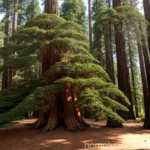
The Dawn Redwood, scientifically recognized as Metasequoia glyptostroboides, is a species of large deciduous conifer in the cypress family Cupressaceae. The tree is known for its remarkable evolutionary history, which dates back to the Mesozoic era, around 100 million years ago, making it a prehistoric tree that has survived through the ages, earning the title of a living fossil. The common name “Dawn Redwood” is emblematic of the tree’s deciduous nature, shedding its needles in the fall, resembling the processes of rejuvenation and rebirth.
This remarkable plant species was once thought to be extinct but was rediscovered in the wild in the 1940s, in a remote area of central China. The plant taxonomy of Dawn Redwood places it in the family Cupressaceae, along with other coniferous trees, emphasizing its relation to the redwood family. Metasequoia glyptostroboides has since captured the attention of botanists and nature enthusiasts worldwide, serving as a symbol of resilience and the intricate complexities of the natural world.
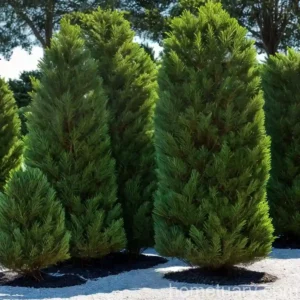
The Dawn Redwood is a deciduous coniferous tree and belongs to the Cupressaceae family. It is characterized by its tall stature, reaching impressive heights suitable for a forest giant. The plant boasts significant growth patterns, showcasing its adaptability and unique genetic makeup. Furthermore, the Dawn Redwood’s stunning appearance and notable contributions to biodiversity conservation and sustainable landscaping make it a valuable addition to various ecological settings.
Key Takeaways – Dawn Redwood (Metasequoia glyptostroboides)
Culture
- The Dawn Redwood holds a significant historical and evolutionary value, being a prehistoric tree that has survived millions of years, making it a living fossil.
- Its rediscovery in the wild in the 1940s sparked widespread fascination and has since drawn attention as a rare plant species.
Uses
- The Dawn Redwood offers a range of uses, including its contribution to garden landscaping, conservation efforts, and its potential medicinal properties.
Water
- Adequate water is essential for the healthy growth of the Dawn Redwood, especially during its initial establishment phase.
Sunlight
- The tree thrives in full sun exposure, enabling its foliage to develop into a lush and vibrant canopy.
Fertilizer
- While being relatively low-maintenance, the Dawn Redwood can benefit from occasional fertilization to support its growth and overall health.
Soil
- Well-draining and nutrient-rich soil is ideal for the Dawn Redwood, promoting strong root development and sustained growth.
Pruning
- Minimal pruning is required for the Dawn Redwood; however, periodic maintenance can help enhance its shape and appearance.
Propagation
- The tree can be propagated through seeds or cuttings, providing opportunities for its cultivation and conservation.
Container Popularity
- The Dawn Redwood’s striking appearance and cultural significance have made it a popular choice for container gardening and public garden display.
Common Diseases
- The tree may be susceptible to certain diseases, and early diagnosis and treatment are critical for its long-term health.
Common Pests
- As with many plant species, the Dawn Redwood may encounter pests that require proper management to prevent damage.
Botanist’s Tips
- Understanding the unique characteristics and growth habits of the Dawn Redwood can enhance its care and cultivation in various settings.
Fun Facts
- The Dawn Redwood’s existence as a living fossil and its historical journey make it a fascinating subject for explorers of the natural world.
Links to External Resources
Now, let’s explore each key takeaway in detail, providing insights into the culture, uses, propagation, care tips, and the significance of the Dawn Redwood in various ecological and conservation efforts.
Culture
The Dawn Redwood’s cultural significance is rooted in its historical journey, from being a seemingly extinct species to its rediscovery in a remote region of central China. This has sparked widespread interest and the tree has become a symbol of resilience and the diverse botanical world. The specific cultural aspects include its historical value, its status as a rare plant species, and its captivating evolutionary story.
Ancient Tree Species
The Dawn Redwood represents an ancient tree species, bridging the gap between the past and the present. Its existence as a living fossil offers insights into the natural heritage and diverse plant genetics that have shaped the earth’s landscapes over millions of years.
Nature’s Treasure
The tree is regarded as a treasure of nature, embodying the resilience and adaptability of plant species. Its survival over millions of years provides a window into the historical and evolutionary marvels of the natural world.
Tree of Life
As a symbol of rebirth and rejuvenation, the Dawn Redwood aligns with the concept of the tree of life, representing the interconnectedness of all living organisms and the cyclical nature of growth and renewal.
Historical Plant
The Dawn Redwood’s historical significance extends to its discovery and classification as a rare and historically significant plant species. Its journey from near extinction to widespread cultivation embodies a testament to the importance of conservation efforts.
Unique Tree
The remarkable characteristics of the Dawn Redwood, including its deciduous nature, impressive stature, and distinctive foliage, contribute to its appeal as a unique and exceptional tree species.
Environmental Benefits
The tree’s role in enhancing biodiversity, contributing to sustainable landscaping, and its potential climate change resilience highlight its environmental benefits and relevance in contemporary ecological discussions.
The cultural significance of the Dawn Redwood is woven into its narrative as a living fossil, an ancient tree species, and a valuable component of the natural world. Its role in shaping historical plant taxonomy and contributing to biodiversity conservation underscores its importance in the field of botany and environmental science.
Uses
The Dawn Redwood offers a diverse array of uses, extending beyond its ornamental value to include its potential medicinal properties and its role in conservation and garden landscaping. Understanding the multitude of purposes served by this remarkable tree enhances appreciation for its relevance in various settings.
Garden Landscaping
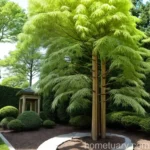
The Dawn Redwood’s striking appearance and towering presence make it an attractive option for garden landscaping, where it can serve as a focal point or complement other plantings. Its deciduous nature adds seasonal interest, showcasing vibrant fall colors before shedding its needles.
Medicinal Properties
Studies have shown that extracts from the Dawn Redwood possess potential medicinal properties, providing opportunities for exploration in traditional medicine and pharmaceutical research.
Conservation Efforts
The cultivation and preservation of the Dawn Redwood contribute to conservation efforts, safeguarding a rare and ancient tree species for future generations to appreciate and study.
Soil Stabilization
The tree’s robust root system aids in soil stabilization, making it suitable for planting in ecologically sensitive areas where erosion control is a priority.
Educational Purposes
The Dawn Redwood’s historical and evolutionary significance makes it a valuable educational resource, allowing students and enthusiasts to explore botanical wonders and the enduring nature of living fossils.
The diverse uses of the Dawn Redwood demonstrate its value in a multitude of contexts, including its ornamental appeal, potential medicinal properties, and contributions to environmental conservation and education.
Water
Adequate water is vital for the healthy growth and establishment of the Dawn Redwood, particularly during its initial stages of development. Understanding the tree’s water requirements is crucial for ensuring its long-term health and vitality.
Watering Guidelines
- Young Trees: Newly planted Dawn Redwood saplings require regular watering, especially during dry periods, to promote root establishment and overall growth.
- Mature Trees: Established Dawn Redwood trees typically exhibit good drought tolerance; however, they benefit from supplemental watering during prolonged periods of drought, particularly in regions with hot and arid climates.
Watering Frequency
- Summer Months: During the summer months, when temperatures are high and rainfall may be scarce, it is essential to monitor soil moisture and provide adequate water to prevent drought stress.
- Fall and Winter: While the Dawn Redwood is a deciduous tree and sheds its needles in the fall, it still requires sufficient moisture heading into the winter months to sustain root health and minimize moisture stress.
Soil Moisture
- Well-Draining Soil: Ensuring that the soil is well-draining is essential to prevent waterlogged conditions that can lead to root rot and other moisture-related issues.
- Mulching: Applying a layer of mulch around the base of the tree helps retain soil moisture, regulates soil temperature, and reduces water evaporation.
Signs of Water Stress
- Needle Browning: Drought-stressed Dawn Redwood trees may exhibit browning or scorched needles, signaling a need for increased watering.
- Wilting Foliage: Drooping or wilting foliage, especially during periods of hot and dry weather, indicates that the tree may be experiencing moisture stress and requires immediate attention.
Understanding the specific water needs of the Dawn Redwood is pivotal in providing optimal care and ensuring its continued vigor and vitality.
Sunlight
The sunlight requirements of the Dawn Redwood play a crucial role in fostering healthy foliage and overall growth. Proper exposure to sunlight is essential to promote lush and vibrant foliage, supporting the tree’s striking aesthetic and physiological functions.
Full Sun Exposure
- Optimal Conditions: The Dawn Redwood thrives in full sun exposure, receiving at least 6 to 8 hours of direct sunlight per day. This enables the tree to photosynthesize efficiently and develop a dense and luxuriant canopy.
Partial Shade Tolerance
- Adaptability: While the Dawn Redwood prefers full sun, it exhibits some tolerance to partial shade, particularly in regions with intense summer heat, where partial shading can provide relief from excessive sun exposure.
Morning Sun Preference
- Beneficial Effects: Morning sun exposure is particularly beneficial for the Dawn Redwood, as it allows the tree to capture ample sunlight during the early part of the day, facilitating optimal photosynthetic activity.
Sunlight and Foliage Quality
- Vibrant Foliage: Adequate sunlight promotes the development of rich and vibrant foliage, ensuring that the Dawn Redwood maintains its characteristic attractive appearance throughout the growing season.
Sunlight and Growth
- Strong Growth Patterns: Proper sunlight exposure supports the tree’s growth and promotes robust development, allowing the Dawn Redwood to achieve its full potential in terms of height and canopy spread.
Providing the Dawn Redwood with the appropriate amount of sunlight is essential for maximizing its aesthetic appeal and maintaining its overall health and vigor.
Fertilizer
While the Dawn Redwood is relatively low-maintenance, periodic fertilization can provide valuable nutrients to support its growth, particularly in less fertile soils or during its early stages of establishment.
Fertilizer Types
- Balanced Fertilizers: Using a balanced, slow-release fertilizer with equal N-P-K (Nitrogen, Phosphorus, Potassium) proportions can support the overall health and vitality of the Dawn Redwood.
Application Timing
- Early Spring: Applying fertilizer in early spring provides essential nutrients as the tree begins its active growth phase, aiding in the development of lush foliage and supporting root expansion.
Soil Testing
- Nutrient Assessment: Conducting a soil test can determine the existing nutrient levels in the soil, guiding the specific fertilizer requirements for the Dawn Redwood.
Fertilizer Quantity
- Moderate Application: A moderate application of fertilizer, in accordance with the manufacturer’s recommendations, suffices to supply the necessary nutrients without causing excessive growth or potential nutrient imbalances.
Fertilizer Placement
- Even Distribution: Spreading the fertilizer evenly around the base of the tree, within the dripline, allows for effective nutrient uptake and distribution, benefiting the entire root system.
Fertilizer Watering
- Watering After Application: After applying the fertilizer, watering the soil thoroughly aids in its incorporation into the root zone and promotes nutrient absorption by the Dawn Redwood.
Balanced and appropriately timed fertilization can provide the Dawn Redwood with the necessary nutrients to sustain its growth and overall well-being.
Soil
The soil requirements of the Dawn Redwood are integral to its successful cultivation and sustained vitality. Understanding the specific soil preferences of this tree species ensures optimal root development and provides a favorable growth environment.
Soil Type
- Well-Draining Soil: The Dawn Redwood thrives in well-draining soil that prevents waterlogging and maintains adequate aeration for the root system.
- Nutrient-Rich Soil: Soil with good nutrient content supports the growth and vigor of the Dawn Redwood, facilitating strong and healthy foliage development.
pH Level
- Neutral to Slightly Acidic: Soil with a pH level ranging from neutral to slightly acidic (pH 6.0 to 7.5) is suitable for the Dawn Redwood, promoting optimal nutrient uptake and physiological functions.
Soil Structure
- Loose and Porous: A loose and porous soil structure allows for efficient root penetration and growth, enabling the Dawn Redwood to establish a robust root system.
Soil Amendments
- Organic Matter Addition: Incorporating organic matter, such as compost or well-rotted manure, enhances soil fertility and structure, providing a favorable growth medium for the tree.
Mulching Benefits
- Moisture Retention: Mulching the soil surface around the base of the tree aids in moisture retention, regulates soil temperature, and suppresses weed growth, benefiting the Dawn Redwood’s overall health.
Soil Compaction Avoidance
- Preventing Compaction: Avoiding soil compaction around the root zone is crucial, as it can impede root growth and lead to detrimental effects on the tree’s overall growth and vigor.
Ensuring that the soil provides a hospitable environment for the Dawn Redwood’s root development is paramount in promoting its sustained health and vitality.
Pruning
While the Dawn Redwood generally requires minimal pruning, occasional maintenance can enhance its shape and appearance. Understanding the principles of pruning and the tree’s specific response to pruning aids in its proper care and aesthetic upkeep.
Pruning Objectives
- Shape Enhancement: Pruning can help shape the overall structure of the Dawn Redwood, producing a more balanced and visually appealing form.
- Deadwood Removal: Trimming away dead or diseased branches ensures that the tree remains healthy and free from potential sources of infection or weakness.
Pruning Timing
- Late Winter to Early Spring: Pruning the Dawn Redwood during its dormant period, before the onset of new growth, minimizes stress and provides an opportune time for shaping and maintenance.
Pruning Techniques
- Selective Cleaning: Removing dead, damaged, or crossing branches allows for improved airflow and light penetration within the canopy, benefiting the overall health of the tree.
- Minimal Removal: Pruning should be performed conservatively, avoiding excessive cuts that can negatively impact the natural form and growth of the Dawn Redwood.
Disease Prevention
- Pruning Hygiene: Adhering to proper pruning practices, including cleaning and sterilizing pruning tools, prevents the spread of potential diseases and ensures a clean and precise pruning process.
Professional Assistance
- Expert Pruning Consultation: For extensive pruning or tree maintenance, seeking the expertise of certified arborists or tree care professionals can ensure the proper care and preservation of the Dawn Redwood.
Pruning Considerations
- Species-Specific Response: Understanding the unique growth habits and response to pruning of the Dawn Redwood enables informed and effective pruning decisions for maintaining its aesthetic appeal and health.
Pruning the Dawn Redwood with care and precision contributes to its aesthetic value and overall tree health, allowing it to thrive and flourish in various landscapes.
Propagation
The propagation of the Dawn Redwood offers opportunities for conserving this rare and ancient tree species, while also providing avenues for its widespread cultivation and appreciation. Understanding the methods of propagation enables enthusiasts and conservationists to contribute to the continued presence of the Metasequoia glyptostroboides.
Seed Propagation
- Technique Overview: Propagating Dawn Redwood from seeds involves collecting ripe cones, extracting the seeds, and nurturing them in a suitable growing medium to facilitate germination.
- Seed Stratification: Cold stratification, where seeds are exposed to cold, moist conditions for a period, can enhance germination rates for Dawn Redwood seeds.
Cutting Propagation
- Cutting Preparation: Taking semi-hardwood cuttings from the current season’s growth and employing rooting hormone aids in the successful propagation of the Dawn Redwood.
- Propagation Medium: Rooting the cuttings in a well-draining medium and providing adequate humidity and warmth promotes root development and subsequent growth.
Grafting Techniques
- Scion Selection: Grafting a desired Dawn Redwood variety onto a compatible rootstock allows for the propagation of specific cultivars with desirable traits and features.
Propagation Care
- Nurturing Seedlings: Providing consistent moisture, optimal light conditions, and suitable temperatures during the propagation stage ensures the healthy establishment of Dawn Redwood seedlings.
Conservation Efforts
- Propagation for Conservation: Propagating Dawn Redwood trees contributes to conservation efforts, safeguarding the genetic diversity and continued existence of this ancient and remarkable species.
Cultivation Opportunities
- Propagation for Cultivation: The propagation of Dawn Redwood offers opportunities for enthusiasts, gardeners, and botanical institutions to cultivate and appreciate this unique plant species in a variety of settings.
Empowering individuals and organizations with the knowledge of propagation techniques for the Dawn Redwood facilitates the conservation and widespread cultivation of this cherished and extraordinary tree species.
Container Popularity
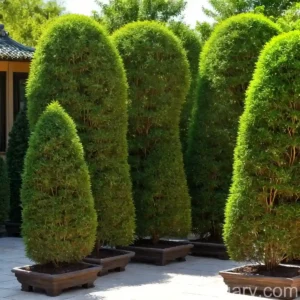
The Dawn Redwood’s beauty and cultural significance have made it a popular choice for container gardening and public garden display. Its adaptability to container cultivation provides versatile options for showcasing this remarkable tree species in diverse settings.
Ornamental Appeal
- Container Aesthetics: The Dawn Redwood’s impressive stature and distinctive foliage make it a compelling choice for ornamental container displays, adding visual interest and natural beauty to outdoor spaces.
Public Garden Display
- Botanical Garden Exhibits: Many public gardens and arboretums feature container-grown Dawn Redwood specimens, allowing visitors to appreciate and learn about this revered tree species up close.
Urban Landscaping
- Cityscape Enhancements: Container plantings of Dawn Redwood trees contribute to urban forestry initiatives, providing greenery and natural elements within urban environments.
Balcony and Patio Settings
- Compact Container Options: Dwarf and compact varieties of the Dawn Redwood are well-suited for container gardening on balconies, patios, and small outdoor spaces, offering opportunities for urban dwellers to enjoy the beauty of this tree species.
Seasonal Displays
- Seasonal Variations: The Dawn Redwood’s deciduous nature and vibrant fall coloration make it an appealing choice for seasonal container displays, adding dynamic visual elements to outdoor settings.