Dasylirion Acrotrichum (Green Desert Spoon)
Dasylirion acrotrichum, commonly known as the Green Desert Spoon, is a stunning and low-maintenance plant native to Mexico. It belongs to the Asparagaceae.
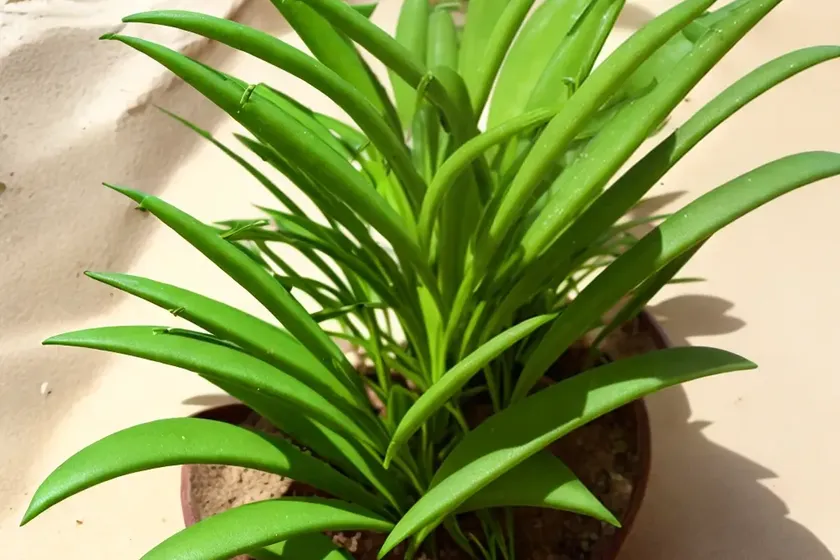
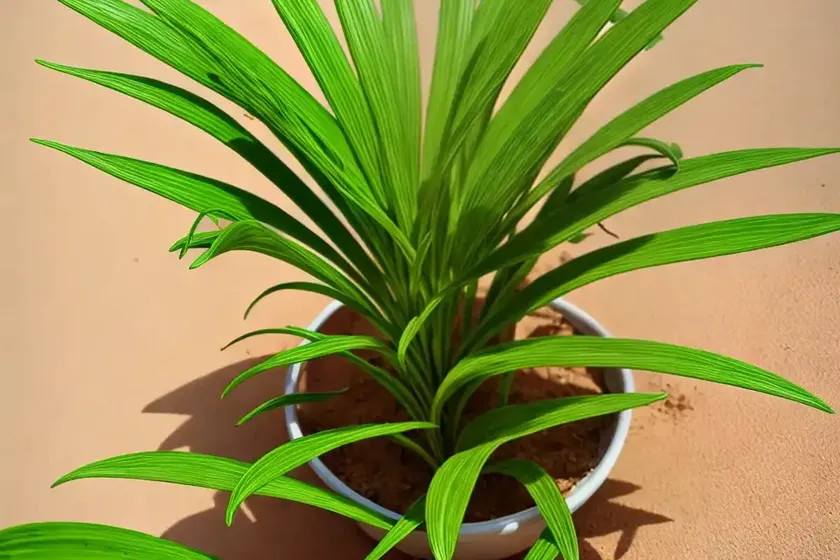
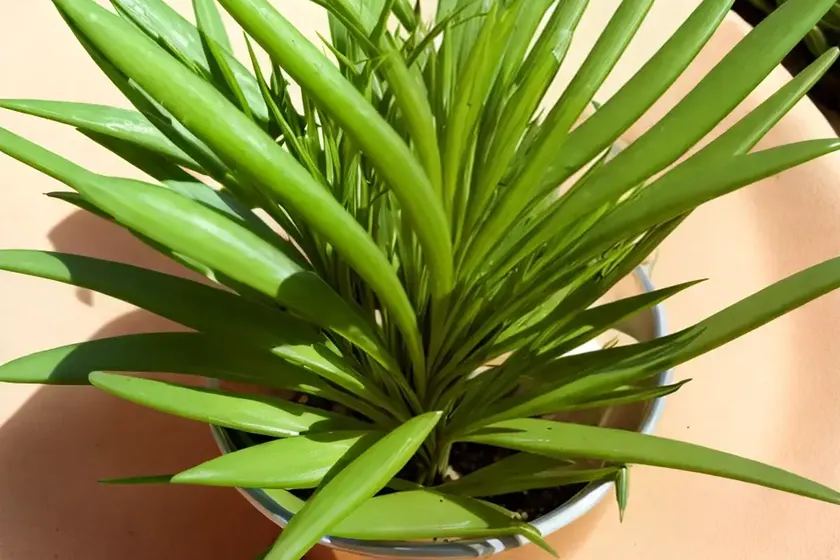
Dasylirion acrotrichum, commonly known as the Green Desert Spoon, is a stunning and low-maintenance plant native to Mexico. It belongs to the Asparagaceae family and is prized for its striking rosette of long, narrow, and serrated leaves. This visually appealing plant is a popular choice for xeriscaping, landscaping, and container gardening due to its drought tolerance and minimal care requirements.
The Green Desert Spoon plant exhibits a remarkable ability to thrive in arid conditions, making it an excellent choice for gardeners and plant enthusiasts who are looking for resilient and visually appealing plants.
Let’s delve into the key takeaways, culture, uses, and maintenance of the Dasylirion acrotrichum, also known as the Green Desert Spoon plant.
Key Takeaways – Dasylirion acrotrichum (Green Desert Spoon)
Scientific Name: Dasylirion acrotrichum
Common Name: Green Desert Spoon
Family: Asparagaceae
Native to: Mexico
Growth Habits: Rosette-forming, long and narrow serrated leaves
Uses: Landscaping, xeriscaping, container gardening
Special Features: Drought-tolerant, low-maintenance, visually appealing
Now, let’s explore the essential aspects of caring for and maintaining the Green Desert Spoon plant in home gardens, landscapes, and containers.
Culture
Cultivating the Dasylirion acrotrichum requires an understanding of its natural habitat, growth patterns, and environmental preferences. This section will provide insights into the cultural aspects of the Green Desert Spoon plant, including its native habitat, ideal conditions, and growth requirements.
Native Habitat
Dasylirion acrotrichum is native to Mexico, where it thrives in arid and semi-arid regions. It is commonly found in rocky slopes, plains, and desert landscapes. The plant has adapted to withstand drought conditions and is well-suited for environments with minimal water availability.
Ideal Conditions
To ensure the optimal growth and development of the Green Desert Spoon plant, it is essential to provide it with the following ideal conditions:
- Temperature: Thrives in warm and hot climates; tolerant of high temperatures
- Sunlight: Full sun to partial shade; prefers direct sunlight for several hours a day
- Soil: Well-draining, sandy or gravelly soil; tolerant of poor soil conditions
- Water: Drought-tolerant once established; minimal water requirements
- Fertilizer: Low-fertility soil; infrequent fertilization
By replicating its natural habitat and providing the ideal conditions, gardeners can cultivate healthy and thriving Dasylirion acrotrichum plants in their outdoor spaces or indoor environments.
Uses
The Green Desert Spoon plant serves various practical and aesthetic purposes, making it a versatile addition to gardens, landscapes, and container arrangements. Understanding its uses can help gardeners and landscapers make informed decisions about incorporating the Dasylirion acrotrichum into their projects.
Landscaping
Dasylirion acrotrichum is a popular choice for landscaping due to its striking visual appeal, low-maintenance nature, and ability to thrive in arid environments. It can be used in:
- Xeriscaping: Ideal for water-wise landscaping and drought-tolerant garden designs
- Rock gardens: Adds texture and interest to rockeries and dry garden beds
- Desert landscapes: Complements desert-themed or arid landscapes with its natural resilience
The Green Desert Spoon plant’s architectural form and evergreen foliage make it an attractive focal point in various landscaping settings, contributing to the overall aesthetic appeal of the outdoor space.
Container Gardening
In addition to its use in landscaping, Dasylirion acrotrichum is well-suited for container gardening, including:
- Patio containers: Adds a touch of greenery and visual interest to outdoor patios, decks, and balconies
- Indoor spaces: Thrives as a low-maintenance indoor plant, bringing a touch of the desert into interior settings
When grown in containers, the Green Desert Spoon plant offers versatility and can be showcased in diverse settings, from modern apartments to rustic garden spaces.
Water
One of the most appealing characteristics of the Green Desert Spoon plant is its remarkable drought tolerance and minimal water requirements. Understanding the plant’s water needs is essential for fostering its healthy growth and ensuring its long-term survival in various environments.
Watering Requirements
Dasylirion acrotrichum is known for its ability to thrive in arid conditions and withstand minimal watering. When establishing or caring for the Green Desert Spoon plant, it is crucial to adhere to the following watering guidelines:
- Establishment phase: Provide regular watering during the first few months to help the plant establish its root system
- Established plants: Water infrequently, allowing the soil to dry out between watering sessions
- Avoid overwatering: Excess moisture can lead to root rot and other issues; prioritize well-draining soil and controlled watering
By following a conservative watering approach and ensuring the plant’s root zone remains relatively dry, gardeners can support the Dasylirion acrotrichum’s natural resilience and water-saving capabilities.
Water Conservation
The Green Desert Spoon plant’s drought tolerance and minimal water needs align with water conservation efforts, particularly in regions prone to water scarcity and dry climates. By incorporating Dasylirion acrotrichum into landscaping and garden designs, individuals can contribute to sustainable water usage practices while enjoying the beauty of this resilient plant.
Sunlight
As a sun-loving plant, the Green Desert Spoon thrives in bright, sunny environments. Understanding its sunlight requirements is pivotal for providing the optimal growing conditions and maximizing the plant’s visual appeal in garden settings.
Sunlight Preferences
Dasylirion acrotrichum exhibits the following sunlight preferences:
- Full sun: Flourishes in direct sunlight for several hours a day
- Partial shade: Tolerates partial shade but performs best when exposed to ample sunlight
- Indoor lighting: Requires bright indirect light when grown indoors
Whether incorporated into outdoor landscapes or indoor spaces, providing adequate sunlight is crucial for maintaining the Green Desert Spoon plant’s vibrant green foliage and overall health.
Fertilizer
The Green Desert Spoon plant has minimal fertilizer requirements, which align with its low-maintenance nature and adaptability to nutrient-poor soils. Understanding the plant’s fertilizer needs is essential for promoting healthy growth and preventing potential nutrient imbalances.
Fertilization Guidelines
When considering fertilizer application for Dasylirion acrotrichum, it is important to adhere to the following guidelines:
- Sparse fertilization: Use a diluted, low-nitrogen fertilizer to supplement the soil sparingly
- Frequency: Apply fertilizer once or twice during the growing season, typically in spring and early summer
- Avoid over-fertilization: Excessive nutrients can lead to rapid, weak growth and may compromise the plant’s natural resilience
By adopting a conservative approach to fertilization and prioritizing low-nutrient inputs, gardeners can support the Green Desert Spoon plant’s robust growth while respecting its natural adaptation to nutrient-poor environments.
Soil
The soil composition and quality directly influence the growth and performance of Dasylirion acrotrichum. Understanding the plant’s soil preferences and requirements is essential for creating an optimal growing environment and ensuring its long-term vitality.
Soil Requirements
The Green Desert Spoon plant thrives in the following soil conditions:
- Well-draining soil: Prefers sandy, gravelly, or loamy soil with excellent drainage
- Low fertility: Thrives in nutrient-poor or lean soils, tolerating low-nutrient environments
- pH tolerance: Adaptable to a wide range of soil pH levels, including slightly acidic to alkaline soils
By selecting well-draining, low-fertility soil mixes and promoting good soil aeration, gardeners can provide an ideal growing medium for the Dasylirion acrotrichum, replicating its native habitat’s soil characteristics.
Pruning
Proper pruning techniques play a significant role in maintaining the Green Desert Spoon plant’s visual appeal, managing its size, and promoting overall plant health. This section outlines essential pruning considerations for Dasylirion acrotrichum.
Pruning Guidelines
When it comes to pruning the Green Desert Spoon plant, gardeners should consider the following guidelines:
- Remove dead or damaged leaves: Trim off any brown or withered leaves close to the base of the plant
- Manage overall size: Trim older leaves if the plant becomes excessively large, aiming to maintain a balanced rosette form
- Prune with caution: Avoid excessive pruning, as Dasylirion acrotrichum typically requires minimal intervention
By practicing selective pruning and addressing specific maintenance needs, gardeners can promote the Green Desert Spoon plant’s aesthetic appeal and structural integrity while minimizing unnecessary foliage removal.
Propagation
Understanding the propagation methods for Dasylirion acrotrichum is valuable for expanding plant collections, sharing cuttings with other enthusiasts, and establishing new plantings. This section explores propagation techniques for the Green Desert Spoon plant.
Propagation Methods
The following propagation methods are commonly used for propagating the Green Desert Spoon plant:
- Offsets: Propagate using offsets or “pups” that develop around the base of mature plants
- Seeds: Sow seeds in well-draining soil and provide warm, bright conditions for germination
- Division: Divide mature clumps into smaller sections, ensuring each division has some roots attached
By exploring these propagation methods, enthusiasts can multiply their Dasylirion acrotrichum collection and share the beauty of the Green Desert Spoon plant with fellow gardening enthusiasts.
Container Popularity
The Green Desert Spoon plant’s suitability for container gardening has contributed to its popularity among enthusiasts seeking low-maintenance and visually striking plants for their indoor and outdoor spaces. This section highlights the reasons behind the plant’s container popularity.
Container Gardening Advantages
The following advantages make Dasylirion acrotrichum a popular choice for container gardening:
- Visual appeal: Adds a bold and architectural element to container arrangements, enhancing the overall aesthetics
- Space efficiency: Thrives in limited spaces, making it suitable for balconies, patios, and small gardens
- Low maintenance: Requires minimal care, making it an excellent option for busy individuals or novice gardeners
By choosing suitable containers, providing proper drainage, and selecting well-draining soil, enthusiasts can successfully cultivate the Green Desert Spoon plant in various container arrangements.
Common Diseases
While the Green Desert Spoon plant is known for its resilience and minimal care requirements, it may encounter specific diseases or issues that can impact its health and appearance. Familiarizing oneself with common diseases and potential concerns is essential for proactive management and plant health preservation.
Disease Diagnosis
The Green Desert Spoon plant may be susceptible to the following common diseases and issues:
- Root rot: Caused by excessively moist soil conditions, leading to rotting of the roots
- Leaf spot: Fungal infections may cause dark spots or lesions on the foliage, particularly in overly humid environments
- Pest infestations: Certain pests, such as spider mites or mealybugs, may affect Dasylirion acrotrichum under stressed conditions
By promptly identifying and addressing these issues, gardeners can safeguard the health and vitality of the Green Desert Spoon plant, promoting its long-term well-being.
Common Pests
In addition to potential diseases, the Green Desert Spoon plant may attract certain pests that can impact its growth and appearance. Identifying common pests and implementing appropriate pest management strategies is crucial for preserving the plant’s health.
Pest Identification
The Green Desert Spoon plant may encounter the following common pests:
- Spider mites: Small arachnids that may cause webbing and stippling on the foliage
- Mealybugs: Soft-bodied insects that may cluster on the leaves and stem, feeding on plant sap
- Scale insects: Immobile pests that may appear as small, waxy bumps on the plant, particularly along the leaves
By monitoring the plant for signs of pest infestations and implementing targeted pest control measures, gardeners can mitigate the impact of common pests on the Green Desert Spoon plant.
Botanist’s Tips
As a plant scientist, I recommend the following tips for cultivating and caring for Dasylirion acrotrichum, also known as the Green Desert Spoon plant:
- Select well-draining soil: Prioritize soil mixes with excellent drainage to prevent waterlogged conditions and support the plant’s drought tolerance.
- Provide ample sunlight: Position the plant in a location that receives direct sunlight for several hours each day, promoting robust growth and vibrant foliage.
- Limit fertilizer usage: Avoid excessive fertilization, as the Green Desert Spoon plant thrives in nutrient-poor soils and may exhibit rapid growth in response to high-nitrogen fertilizers.
- Monitor moisture levels: Allow the soil to dry out between watering sessions to prevent overwatering and maintain appropriate soil moisture levels for the plant.
- Practice cautious pruning: Trim dead or damaged leaves as needed, but refrain from excessive pruning to preserve the plant’s natural form and structure.
By incorporating these botanist’s tips into plant care routines, enthusiasts can support the health and vitality of the Green Desert Spoon plant while appreciating its unique characteristics and resilience.
Fun Facts
To enrich your knowledge of Dasylirion acrotrichum, here are some fascinating fun facts about the Green Desert Spoon plant:
- The plant’s long, slender leaves and rosette form resemble a visual “spoon,” inspiring its common name, Green Desert Spoon.
- Dasylirion acrotrichum is a valuable addition to xeriscaping projects, contributing to water-wise landscaping designs and sustainable gardening practices.
- The plant’s refined and architectural appearance makes it a desirable choice for contemporary and minimalist garden designs, adding a touch of elegance to outdoor spaces.
- In its natural habitat, the Green Desert Spoon plant thrives in challenging conditions, showcasing its adaptability and resilience in arid environments.
These fun facts offer a deeper appreciation for the unique traits and characteristics of the Green Desert Spoon plant, enriching the overall gardening experience for enthusiasts.
Links to External Resources
For further exploration of Dasylirion acrotrichum care and cultivation, here are valuable external resources that provide in-depth information and insights:
- The Spruce – How to Grow and Care for Green Desert Spoon
- Arizona State University – Desert Landscaping Plants
- Gardening Know How – Growing a Green Desert Spoon Plant
These external resources offer comprehensive guidance, practical tips, and valuable insights into cultivating and caring for Dasylirion acrotrichum, enriching the knowledge base of gardening enthusiasts and plant enthusiasts.
In conclusion, the Green Desert Spoon plant, scientifically known as Dasylirion acrotrichum, stands out as a resilient, visually striking, and versatile addition to gardens, landscapes, and container arrangements. With its remarkable drought tolerance, low-maintenance nature, and captivating aesthetics, this plant has earned its place as a prized selection for enthusiasts seeking sustainable and visually appealing plant options. By embracing the cultural insights, maintenance practices, and botanist’s tips outlined in this guide, individuals can cultivate and appreciate the beauty of the Green Desert Spoon plant, contributing to vibrant and sustainable garden spaces.