Dahlia ‘Sunshine’)
The dahlia ‘Sunshine’ is a captivating and sun-loving plant that adds a burst of color and charm to any garden or landscape. With its stunning.
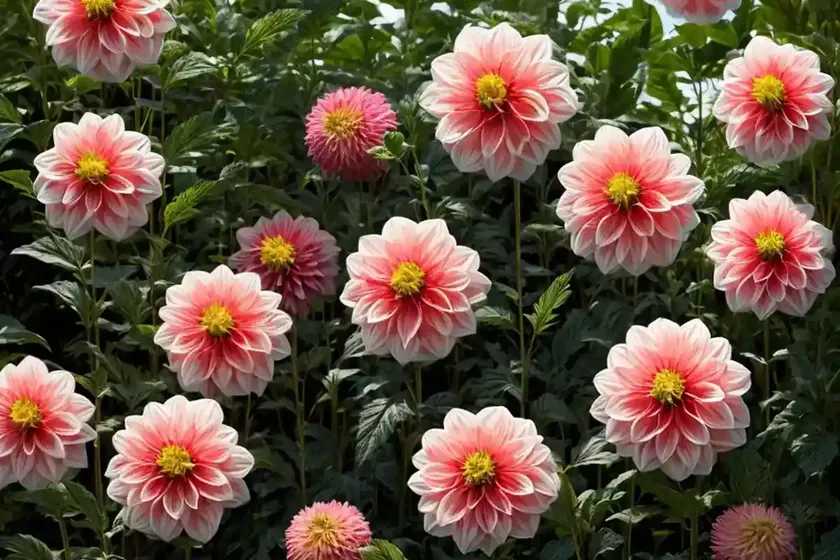
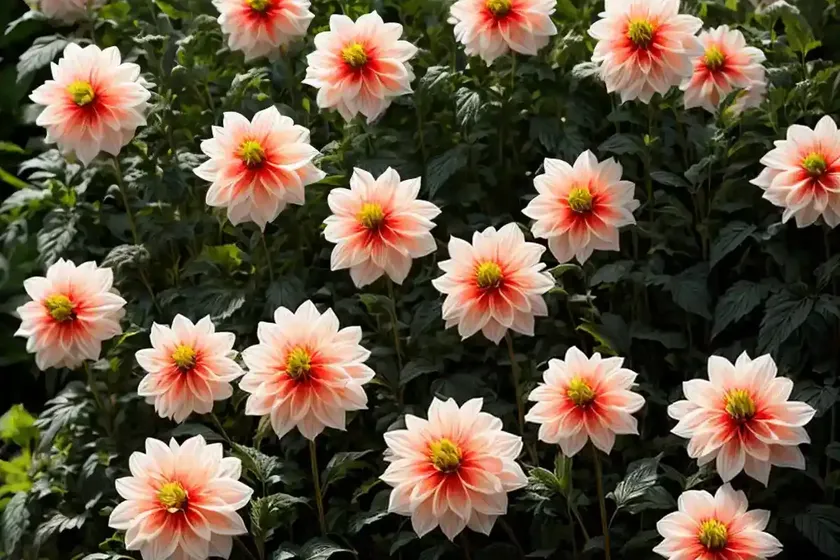
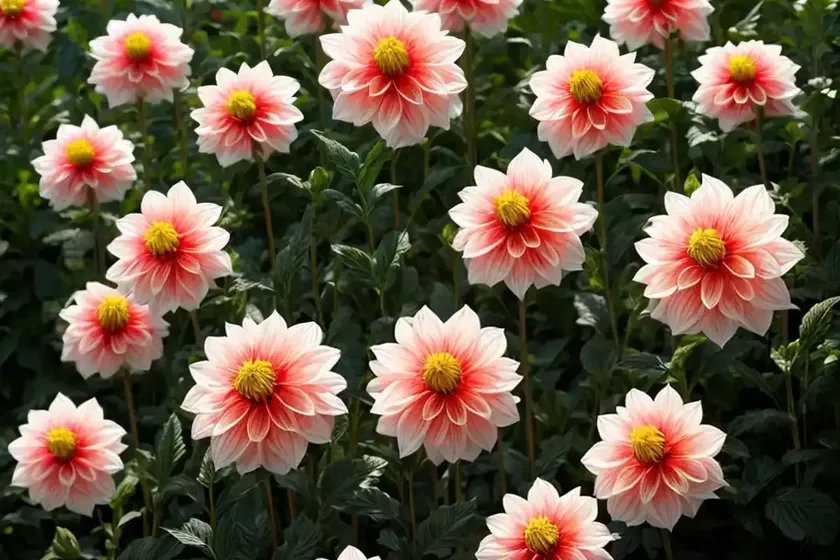
The dahlia ‘Sunshine’ is a captivating and sun-loving plant that adds a burst of color and charm to any garden or landscape. With its stunning sunflower-like blossoms and low-maintenance nature, this plant is a favorite among gardeners and plant enthusiasts. In this comprehensive guide, we will explore all aspects of the dahlia ‘Sunshine,’ from its cultivation and care to its overall benefits and place in gardens. Whether you’re a seasoned gardener or a beginner looking to enhance your landscape, this guide will provide you with valuable insights to grow and appreciate this radiant plant.
What is the Dahlia ‘Sunshine’?
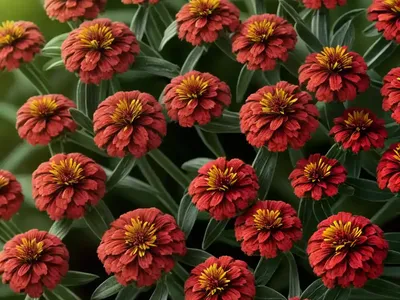
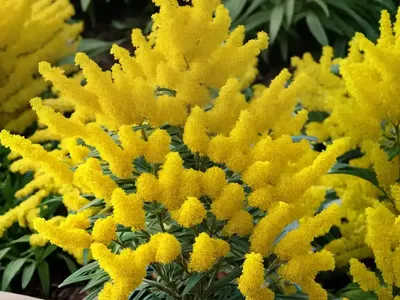
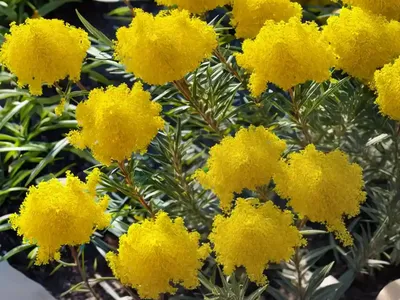
The dahlia ‘Sunshine’ is a cultivar of the dahlia species, known for its vibrant yellow and gold-toned flowers that resemble miniature sunflowers. It belongs to the Asteraceae family, which includes a wide variety of flowering plants. The ‘Sunshine’ cultivar is prized for its prolific blooming and compact growth habit, making it an ideal choice for containers, borders, and garden beds. With its cheerful and eye-catching blossoms, the dahlia ‘Sunshine’ is a versatile plant that can brighten up any outdoor space.
Key Takeaways
Before delving into the specifics of cultivating and caring for the dahlia ‘Sunshine,’ let’s highlight some key takeaways about this delightful plant:
- The dahlia ‘Sunshine’ is a sun-loving plant that thrives in bright, sunny conditions.
- It is prized for its dazzling yellow and gold-toned flowers, reminiscent of miniature sunflowers.
- This cultivar is well-suited for container gardening and can also be grown in garden beds and borders.
- The ‘Sunshine’ dahlia is relatively low-maintenance, making it an excellent choice for both beginner and experienced gardeners.
- It adds a pop of color and visual interest to landscapes and gardens, attracting pollinators and adding vibrancy to outdoor spaces.
With these key points in mind, let’s explore the various aspects of cultivating, caring for, and appreciating the dahlia ‘Sunshine’ in more detail.
Cultivation
Uses
The dahlia ‘Sunshine’ serves multiple purposes in the garden and beyond. Here are some common uses and applications of this radiant plant:
-
Ornamental Display: The vibrant and eye-catching blooms of the dahlia ‘Sunshine’ make it an excellent choice for ornamental display in gardens, landscapes, and outdoor spaces. Its cheerful flowers add visual interest and a splash of color to any setting.
-
Cut Flowers: The ‘Sunshine’ dahlia’s blossoms are well-suited for use as cut flowers in floral arrangements. Their long stems and striking appearance make them popular choices for creating bouquets and floral centerpieces.
-
Container Gardening: Due to its compact growth habit and prolific blooming, the dahlia ‘Sunshine’ is an ideal candidate for container gardening. It can be grown in pots, planters, and other containers to adorn patios, balconies, and outdoor living areas.
-
Pollinator Attraction: Like many flowering plants, the ‘Sunshine’ dahlia plays a role in attracting pollinators such as bees, butterflies, and hummingbirds. Its nectar-rich flowers provide a food source for these beneficial insects and contribute to overall garden biodiversity.
Water
Proper watering is essential for the health and vitality of the dahlia ‘Sunshine.’ Adequate moisture levels promote robust growth and abundant flowering. However, it’s important to strike a balance, as overwatering can lead to issues such as root rot, while underwatering can result in stunted growth and poor blooming.
-
Watering Requirements: The ‘Sunshine’ dahlia prefers consistently moist soil, especially during active growth and flowering periods. When watering, aim to provide enough moisture to keep the soil evenly damp but not waterlogged. The frequency of watering may vary depending on climate, soil type, and container size.
-
Avoid Overhead Watering: When watering the dahlia ‘Sunshine,’ it’s advisable to avoid overhead irrigation, as wet foliage can potentially lead to fungal diseases. Instead, direct the water at the base of the plant to ensure the soil receives adequate moisture without excessively wetting the leaves and stems.
-
Mulching: Applying a layer of organic mulch around the base of the ‘Sunshine’ dahlia can help retain soil moisture, reduce weed growth, and protect the roots from temperature extremes. Mulching is particularly beneficial during hot, dry periods when evaporation rates are higher.
Sunlight
As a sun-loving plant, the dahlia ‘Sunshine’ thrives in bright, sunny conditions. Adequate sunlight is crucial for promoting healthy growth, robust flowering, and vibrant blooms. When selecting a planting site or positioning containers, it’s essential to consider the plant’s sunlight requirements.
-
Sunlight Preference: The ‘Sunshine’ dahlia performs best when grown in full sun, which typically refers to at least 6-8 hours of direct sunlight per day. In regions with intense summer heat, some afternoon shade may be beneficial to protect the plant from excessive heat and sun exposure.
-
Container Placement: When cultivating the ‘Sunshine’ dahlia in containers, choose locations that receive ample sunlight, such as sunny patios, decks, or south-facing areas. Position the containers to maximize sun exposure while providing some protection from strong winds, if possible.
-
Indoor Cultivation: For gardeners in cooler climates or those with limited outdoor space, the ‘Sunshine’ dahlia can be grown indoors in bright, sunlit areas such as sunny windowsills. Indoor cultivation allows for year-round enjoyment of the plant’s cheerful blossoms.
Fertilizer
Providing appropriate nutrients through fertilization is essential for promoting healthy growth and abundant flowering in the dahlia ‘Sunshine.’ By supplying the necessary macronutrients and micronutrients, gardeners can support the plant’s overall vigor and enhance its visual appeal.
-
Fertilizer Selection: When selecting a fertilizer for the ‘Sunshine’ dahlia, opt for a balanced, water-soluble formula designed for flowering plants. Look for a fertilizer with a higher phosphorus content to promote blooming and root development. Additionally, consider using organic fertilizers for a more sustainable approach to plant nutrition.
-
Application Timing: Begin fertilizing the dahlia ‘Sunshine’ in early spring, as new growth emerges. Apply a balanced fertilizer every 4-6 weeks throughout the growing season, following the manufacturer’s instructions regarding application rates and dilution.
-
Avoid Over-Fertilization: While providing adequate nutrients is important, over-fertilizing can lead to excessive foliage growth at the expense of flowering. Monitor the plant’s response to fertilization and adjust the feeding schedule or concentrations as needed to achieve a balance between vegetative growth and flowering.
Soil
The quality and composition of the soil have a significant impact on the dahlia ‘Sunshine’s’ growth and blooming. By ensuring proper soil preparation and maintenance, gardeners can create optimal growing conditions for this vibrant plant.
-
Well-Draining Soil: The ‘Sunshine’ dahlia thrives in well-draining, loamy soil that retains moisture without becoming waterlogged. Prior to planting, amend heavy or compacted soils with organic matter, such as compost or peat moss, to improve drainage and aeration.
-
Soil pH: Aim for a slightly acidic to neutral soil pH range of 6.0-7.0 for the ‘Sunshine’ dahlia. Conduct a soil test to assess the pH level and make any necessary adjustments using amendments such as lime or sulfur.
-
Container Soil Mix: When growing the ‘Sunshine’ dahlia in containers, use a high-quality potting mix specifically formulated for flowering plants. Ensure that the mix provides good drainage while retaining sufficient moisture for optimal growth.
Pruning
Pruning is an essential aspect of dahlia ‘Sunshine’ maintenance, contributing to tidy growth, improved airflow, and increased flower production. By following proper pruning techniques, gardeners can encourage the plant to produce more blooms and maintain an attractive appearance throughout the growing season.
-
Deadheading: Regular deadheading, which involves removing spent flowers, is beneficial for prolonging the blooming period of the ‘Sunshine’ dahlia. Snip off faded blossoms to stimulate the production of new flower buds and prevent the plant from channeling energy into seed formation.
-
Cutting Back Foliage: In regions with frost or as the growing season comes to a close, it’s important to cut back the foliage of the ‘Sunshine’ dahlia. Trim the stems to a few inches above ground level and remove any remaining foliage to prepare the plant for dormancy and winter storage.
-
Stem Pruning: To encourage bushier growth and more flowering stems, consider selectively pruning the ‘Sunshine’ dahlia’s main stems. Pinch or cut back the tips of the stems to promote lateral branching and the development of additional flower-producing shoots.
Propagation
The propagation of the dahlia ‘Sunshine’ allows for the expansion of its presence in the garden or the sharing of its beauty with fellow gardening enthusiasts. Several methods can be employed to propagate this vibrant cultivar, providing gardeners with options for multiplying their plant stock.
-
Division: One of the most common methods of propagating the ‘Sunshine’ dahlia is through division, which involves separating the plant’s tubers or clumps into smaller sections. This process is typically performed in early spring before new growth begins or in the fall after the plant’s flowering period.
-
Cuttings: Propagating the ‘Sunshine’ dahlia from stem cuttings is another viable option for creating new plants. Select healthy, non-flowering shoots and root them in a suitable growing medium to establish new plantlets.
-
Seed Propagation: While the ‘Sunshine’ dahlia can be grown from seed, this method is less common due to the variability of traits in dahlia offspring. For gardeners interested in growing new dahlia varieties, seed propagation offers an opportunity to explore and create unique cultivars.
Container Popularity
The dahlia ‘Sunshine’ enjoys popularity among avid gardeners and enthusiasts of container gardening for several compelling reasons. Its suitability for container cultivation opens up a range of possibilities for incorporating this vibrant plant into various outdoor settings.
-
Space Efficiency: The compact growth habit of the ‘Sunshine’ dahlia makes it an excellent choice for small-space gardening. Its ability to thrive in containers allows for the creation of colorful displays on patios, balconies, and urban gardening spaces.
-
Portability: Container-grown ‘Sunshine’ dahlias offer the convenience of portability, allowing gardeners to move the plants as needed to achieve optimal sun exposure, protection from inclement weather, or aesthetic arrangement.
-
Design Flexibility: Incorporating the ‘Sunshine’ dahlia into container plantings provides opportunities for creative design and visual impact. Its vibrant flowers and lush foliage can serve as focal points or complementary elements in container gardens and outdoor living areas.
-
Overwintering: For gardeners in regions with cold winters, container cultivation of the ‘Sunshine’ dahlia facilitates overwintering. Containers can be brought indoors or stored in protected locations to safeguard the plants from frost and cold temperatures.
Common Diseases
Like all plants, the dahlia ‘Sunshine’ is susceptible to certain diseases and conditions that can impact its health and vigor. Understanding and identifying these common issues is essential for implementing effective disease management strategies and preserving the plant’s well-being.
Disease Diagnosis
The following are some of the typical diseases and conditions that may affect the ‘Sunshine’ dahlia, along with their identifying symptoms and diagnostic considerations:
-
Powdery Mildew: This fungal disease presents as a powdery, white or gray coating on the leaves and stems of the ‘Sunshine’ dahlia. It thrives in humid conditions and can lead to foliage distortion and reduced plant vigor.
-
Botrytis Blight: Also known as gray mold, botrytis blight manifests as grayish-brown fuzzy growth on the plant’s leaves, stems, and flowers. It can cause flower rot and leaf spotting, particularly in damp or poorly ventilated environments.
-
Leaf Spot: Leaf spot diseases appear as circular or irregularly shaped lesions on the foliage of the ‘Sunshine’ dahlia. These spots may vary in color and can lead to premature leaf drop and reduced photosynthetic activity.
-
Root Rot: Excessive soil moisture, poor drainage, or waterlogged conditions can contribute to root rot in the ‘Sunshine’ dahlia. Affected plants may display wilting, yellowing leaves, and overall decline in health.
-
Viral Diseases: Various viral diseases can affect dahlias, leading to symptoms such as mottled or distorted foliage, stunted growth, and reduced flowering. Viral infections are often spread by insect vectors and can be challenging to manage.
Disease Management
To address and mitigate common diseases affecting the dahlia ‘Sunshine,’ gardeners can employ several preventative and responsive measures, including:
-
Cultural Practices: Implement proper cultural practices, such as adequate spacing, good airflow, and sanitation, to reduce the risk of disease development and spread.
-
Fungicidal Treatments: When necessary, apply fungicidal treatments according to label instructions to control fungal diseases such as powdery mildew and botrytis blight.
-
Quarantine and Removal: Isolate and, if necessary, remove any severely infected plants to prevent the spread of diseases to healthy specimens.
-
Healthy Plant Practices: Maintain overall plant health through proper watering, fertilization, and soil management, as healthy plants are better equipped to resist and recover from disease pressures.
-
Monitoring and Early Intervention: Regularly monitor the ‘Sunshine’ dahlia for signs of disease and address any emerging issues promptly through targeted interventions.
Common Pests
Pests are another potential challenge that gardeners may encounter when cultivating the dahlia ‘Sunshine.’ By familiarizing themselves with common pests and their management, gardeners can protect their plants and maintain their overall health and beauty.
Botanist’s Tips
Fun Facts
The dahlia ‘Sunshine’ holds several intriguing and noteworthy characteristics that add to its allure and desirability in gardens and landscapes. Here are some fun and fascinating facts about this radiant plant:
-
Historical Significance: The dahlia’s cultivation dates back to ancient times, and it has been treasured for its ornamental value and symbolism in various cultures and traditions.
-
Variety of Flower Forms: Dahlias exhibit an astonishing array of flower forms, ranging from single-flowered types to intricately petalled and quilled varieties. This diversity adds to the dahlia’s appeal as a captivating and versatile plant.
-
Breeding Innovation: Many vibrant and distinctive dahlia cultivars, including the ‘Sunshine’ variety, have been developed through dedicated breeding efforts aimed at creating new colors, forms, and features.
-
Seasonal Enjoyment: The ‘Sunshine’ dahlia offers gardeners the opportunity to enjoy its radiant blooms throughout the growing season, providing continuous visual delight and a vibrant presence in outdoor spaces.
-
Botanical Diversity: Within the dahlia genus, there exists a broad spectrum of species and hybrids, each with its own unique characteristics and contributions to horticulture and floral artistry.
-
Cultural Significance: In numerous cultures, dahlias hold symbolic meanings associated with traits such as dignity, elegance, and creativity, adding a layer of cultural significance to their presence in gardens.
-
Aesthetic Versatility: Dahlias, including the ‘Sunshine’ variety, are prized for their aesthetic versatility and can be integrated into various garden styles, from formal and structured landscapes to informal and cottage-inspired plantings.
Links to External Resources
- American Dahlia Society
- Royal Horticultural Society – Growing Dahlias
- University of California Integrated Pest Management – Dahlia Diseases
- North Carolina State University Extension – Growing Dahlias in the Garden
- National Gardening Association – Plant Care Guides
- Gardening Know How – Dahlia Plant Care
- The Old Farmer’s Almanac – How to Grow Dahlias
- Missouri Botanical Garden – Dahlia Plant Care
In conclusion, the dahlia ‘Sunshine’ stands as a captivating and versatile plant that contributes visual appeal, colorful blooms, and aesthetic diversity to gardens and landscapes. By understanding its cultivation, care requirements, potential challenges, and broader significance, gardeners can fully appreciate and harness the beauty and charm of this radiant plant. Whether grown in containers, beds, or borders, the ‘Sunshine’ dahlia offers a delightful opportunity to infuse outdoor spaces with its cheerful and sun-loving presence.
With the insights and tips provided in this comprehensive guide, gardeners can confidently cultivate and care for the dahlia ‘Sunshine,’ creating vibrant, sun-kissed displays and enjoying the continuous beauty of this remarkable plant throughout the growing season.