Plant Scientist’s Guide to Dahlia ‘Scura’
As a plant scientist, I am always fascinated by the diversity of plant species and the unique characteristics they possess. One such captivating plant is the Dahlia ‘Scura’, a stunning flower that captivates with its rich hues and intricate bloom structure. In this comprehensive guide, I will delve into the intricacies of Dahlia ‘Scura’, covering everything from its cultural needs to common diseases and pests, as well as propagation and fun facts. Whether you are a gardening enthusiast, a professional horticulturist, or simply an admirer of nature’s beauty, this guide will provide you with valuable insights into the world of Dahlia ‘Scura’.
What is Dahlia ‘Scura’?
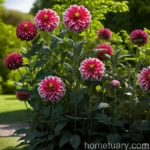
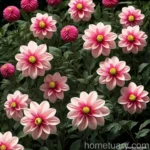
Dahlia ‘Scura’ is a member of the Asteraceae family, renowned for its captivating and diverse array of cultivars. This plant is indigenous to the highlands of Mexico and South America, where it thrives in the moderate climates of these regions. The ‘Scura’ variety is particularly cherished for its deep, velvety petals and a lush, symmetrical bloom form that sets it apart from other Dahlia cultivars.
Key Takeaways
Before we dive deeper into the cultivation and care of Dahlia ‘Scura’, let’s highlight some key takeaways that will serve as a reference throughout this guide.
- Plant Name: Dahlia ‘Scura’
- Optimal Planting Time: Spring
- Watering: Regular, thorough watering
- Sunlight: Full sun to partial shade
- Fertilization: Balanced, water-soluble fertilizer
- Soil Type: Well-draining, fertile soil
- Pruning: Regular deadheading for prolonged blooming
- Propagation: Division, cuttings, or seeds
- Container Popularity: Well-suited for containers
- Common Diseases: Powdery mildew, botrytis
- Common Pests: Aphids, spider mites
- Fun Facts: The Dahlia is the official flower of Seattle, Washington.
Now, let’s explore each of these aspects in detail, starting with the cultural requirements of Dahlia ‘Scura’.
Culture
Water
Proper watering is essential for the health and vitality of Dahlia ‘Scura’. This plant thrives in moist, but not waterlogged, conditions. When establishing young plants, it’s crucial to water them regularly to encourage robust root development. Once established, mature plants should be watered deeply but infrequently, allowing the soil to dry slightly between watering intervals.
Watering Tips:
– Consistent Moisture: Aim to keep the soil consistently moist, especially during the active growing season.
– Deep Watering: Water deeply to promote deep root growth and drought tolerance.
– Avoid Overwatering: Overwatering can lead to root rot and other water-related issues.
Sunlight
Dahlia ‘Scura’ thrives in full sun to partial shade, with at least 6 hours of direct sunlight being ideal for optimal growth and prolific blooming. When planting in regions with intense afternoon sun, providing some afternoon shade can be beneficial to prevent stress and sunburn on the foliage.
Sunlight Requirements:
– Optimal Sun Exposure: Aim for 6-8 hours of direct sunlight per day for abundant blooming.
– Afternoon Shade: In areas with scorching afternoon sun, providing some shade can prevent leaf scorch.
Fertilizer
Proper fertilization is essential for promoting vigorous growth and bountiful blooms in Dahlia ‘Scura’. A balanced, water-soluble fertilizer applied at regular intervals can provide the necessary nutrients for healthy foliage and prolific flowering.
Fertilizing Techniques:
– Balanced Fertilizer: Choose a balanced fertilizer with equal N-P-K ratios to support overall plant health.
– Regular Feeding: Feed every 4-6 weeks during the growing season to support continuous growth and flowering.
Soil
The soil type plays a crucial role in the overall health and vigor of Dahlia ‘Scura’. Well-draining, fertile soil with a slightly acidic to neutral pH (6.0-7.0) is optimal for this plant. Amending the soil with organic matter, such as compost or well-rotted manure, can improve its texture and fertility.
Soil Type:
– Well-draining: Ensure the soil provides adequate drainage to prevent waterlogging and root rot.
– Fertile Soil: Amend the soil with organic matter to enhance its fertility and structure.
Pruning
Regular pruning and deadheading can significantly prolong the blooming period of Dahlia ‘Scura’ and maintain the plant’s overall appearance. Removing spent flowers not only encourages the production of new blooms but also prevents energy wastage on seed production.
Pruning Tips:
– Deadhead Spent Blooms: Remove faded flowers to stimulate continuous blooming.
– Prune for Vigor: Trim back leggy growth to encourage bushier, more compact growth.
Propagation
Dahlia ‘Scura’ can be propagated through various methods, including division, cuttings, and seeds. Each propagation method offers its unique advantages and is suitable for different purposes or preferences.
Propagation Methods:
– Division: Divide tubers in spring to create new plants and rejuvenate existing clumps.
– Cuttings: Take softwood or semi-ripe cuttings in spring for vegetative propagation.
– Seeds: Collect and sow seeds to explore genetic variability and develop new cultivars.
Container Popularity
The compact growth habit and striking blooms of Dahlia ‘Scura’ make it an excellent candidate for container gardening. Whether placed on patios, balconies, or as focal points in garden beds, container-grown Dahlia ‘Scura’ adds a splash of vibrant color and texture to any setting.
Common Diseases
Despite being relatively low-maintenance, Dahlia ‘Scura’ is susceptible to certain diseases that can affect its overall health and appearance. Keeping an eye out for common diseases and promptly addressing any issues can help maintain the plant’s vigor and resilience.
Disease Diagnosis
Two common diseases that can affect Dahlia ‘Scura’ are powdery mildew and botrytis. These fungal diseases can cause foliar damage and affect the overall aesthetic appeal of the plant.
Powdery Mildew: A powdery white fungal growth on the foliage, often leading to leaf distortion and premature leaf drop.
Botrytis: Gray mold that appears as fuzzy gray spots on the foliage and flowers, particularly in humid conditions.
Common Pests
Aphids and spider mites are two of the most prevalent pests that may affect Dahlia ‘Scura’. Regular monitoring and prompt intervention can help manage pest infestations effectively.
Aphids: Small, sap-sucking insects that can cause distorted growth and transmit viral diseases.
Spider Mites: Tiny arachnids that feed on plant sap, leading to stippled, discolored foliage.
Botanist’s Tips
Now that we have explored the key elements of caring for Dahlia ‘Scura’, let’s delve into some additional tips that can further enhance the plant’s health and ornamental value.
Fun Facts
- Official Flower of Seattle: The Dahlia is proudly designated as the official flower of Seattle, Washington, adding to its cultural significance and appeal.
Links to External Resources
To further expand your knowledge and appreciation of Dahlia ‘Scura’, I recommend exploring the following external resources:
- The American Dahlia Society: A comprehensive source of information on dahlias, including cultivation tips and varietal showcases.
- Royal Horticultural Society – Dahlias: The RHS offers valuable insights into the cultivation and maintenance of dahlias, including ‘Scura’ varieties.
- University of Minnesota Extension – Dahlia Pests: An informative resource on managing pests that affect dahlias, including spider mites.
With this wealth of knowledge at your disposal, you can embark on a journey of cultivating and appreciating the captivating beauty of Dahlia ‘Scura’. Whether you are a seasoned gardener or a newcomer to the world of horticulture, the allure of this stunning flower is sure to captivate and inspire. Happy gardening!