Galanthus Nivalis F. Pleniflorus ‘Flore Pleno’ (Double Snowdrop)
The beauty and elegance of flowers have been celebrated for centuries, and amongst them, the snowdrop holds a special place. The Galanthus nivalis F..
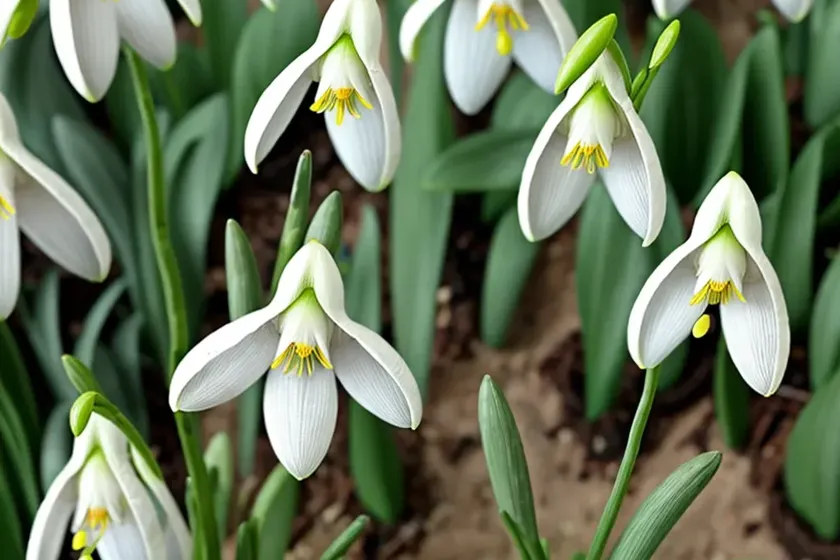
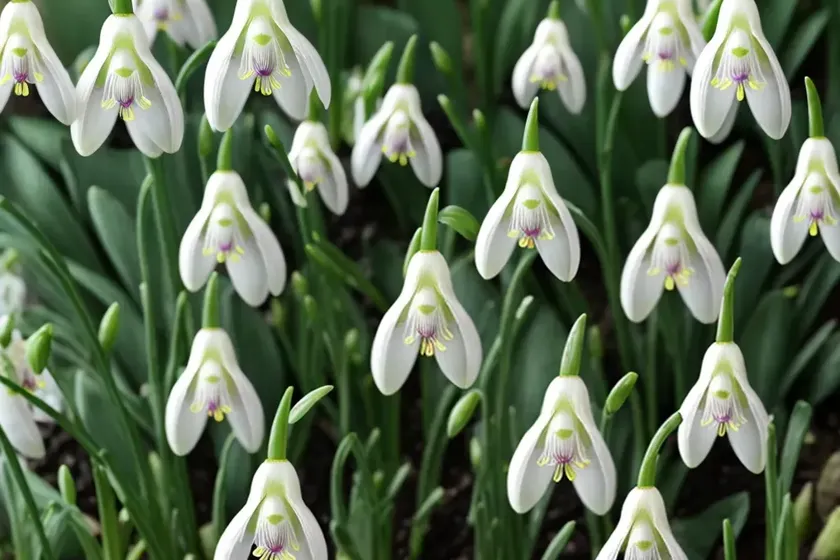
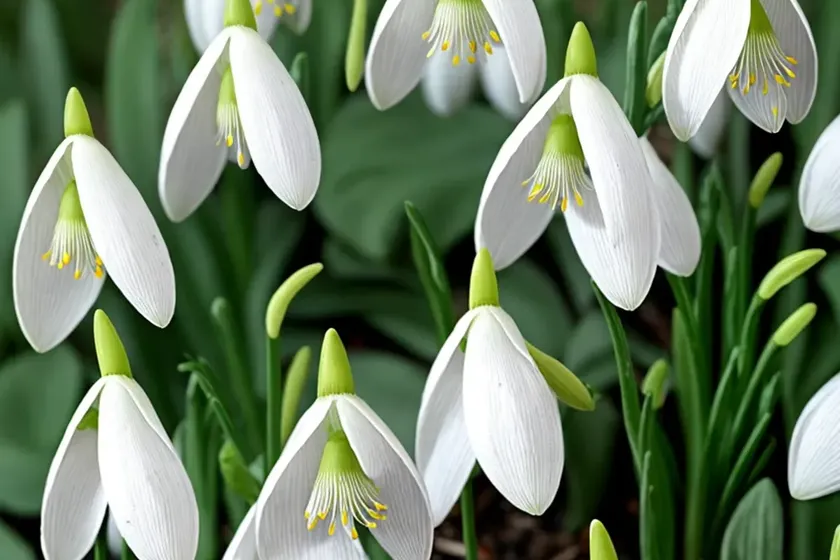
The beauty and elegance of flowers have been celebrated for centuries, and amongst them, the snowdrop holds a special place. The Galanthus nivalis F. pleniflorus ‘Flore Pleno’, commonly known as the Double Snowdrop, is a mesmerizing variety that captivates gardeners and nature enthusiasts with its charm. In this comprehensive guide, we will delve into the realms of this exquisite bloom, exploring its cultural significance, uses, care requirements, and much more.
What is the Galanthus nivalis F. pleniflorus ‘Flore Pleno’ (Double Snowdrop)?
The Galanthus nivalis F. pleniflorus ‘Flore Pleno’ is a cultivar of the Galanthus nivalis, a species of bulbous perennial plants belonging to the Amaryllidaceae family. This double-flowered snowdrop variety is native to Europe and is particularly cherished for its dainty, nodding, bell-shaped flowers. As an early bloomer, it often signals the arrival of spring with its delicate white blossoms.
Key Takeaways – Galanthus nivalis F. pleniflorus ‘Flore Pleno’
-
Double Snowdrop variety:
- The ‘Flore Pleno’ is a double-flowered variety of the Galanthus nivalis, characterized by its densely clustered, petal-like inner segments.
-
Galanthus nivalis F. pleniflorus:
- This nomenclature refers to the species (Galanthus nivalis) and the forma (pleniflorus), signifying the full or double nature of the flower.
-
Flore Pleno Snowdrop:
- ‘Flore Pleno’ is the cultivar name for this particular variety of snowdrop.
-
Snowdrop flowers:
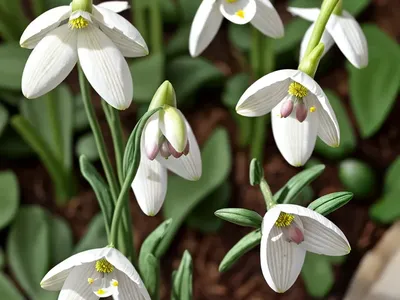
- The snowdrop flowers are iconic for their pure white coloration and drooping, pendulous appearance.
-
Galanthus nivalis F. pleniflorus ‘Flore Pleno’ description:
- The ‘Flore Pleno’ exhibits a doubling of the typical six tepals, resulting in a fuller and more substantial floral display.
Culture of Galanthus nivalis F. pleniflorus ‘Flore Pleno’
Cultivating the Galanthus nivalis F. pleniflorus ‘Flore Pleno’ is an endeavor that carries with it a sense of nurturing and admiration for the beauty of nature. Understanding its specific cultural requirements is paramount to ensuring its healthy growth and abundant bloom.
Uses
The cultivation of the Double Snowdrop serves various purposes, from ornamental adornment to symbolic significance in folklore and myths.
-
Ornamental Planting:
- The charming allure of the ‘Flore Pleno’ makes it a popular choice for gardens, parks, and landscapes, where it imparts a sense of enchantment to the surroundings.
-
Symbolic Significance:
- In folklore, the snowdrop is often associated with purity, hope, and the transition from winter to spring, making it a symbol of renewal and optimism.
Water
Proper watering is essential for the healthy development of the Galanthus nivalis F. pleniflorus ‘Flore Pleno’. While it is relatively resilient, it thrives best in moist, well-draining soil.
- Watering Guidelines:
- Regular, moderate watering is recommended, particularly during the growing season and dry spells. However, it is crucial to avoid waterlogging, as excessively wet conditions can lead to root rot.
Sunlight
The ‘Flore Pleno’ prefers partial shade to full shade, emulating its natural woodland habitat. It can tolerate dappled sunlight, especially when it emerges early in the season before the trees have fully leafed out.
- Ideal Light Conditions:
- Plant the snowdrops in locations that receive filtered sunlight, such as beneath deciduous trees or within garden beds that offer shade for part of the day.
Fertilizer
The application of fertilizer can bolster the vigor and resilience of the Galanthus nivalis F. pleniflorus ‘Flore Pleno’, but it should be approached with moderation to prevent adverse effects.
- Fertilization Practices:
- Utilize a balanced, slow-release fertilizer in early spring, applying it at a diluted concentration to avoid overwhelming the delicate bulbs.
Soil
The soil composition plays a critical role in providing an optimal environment for the ‘Flore Pleno’ to thrive. Well-draining, humus-rich soil is highly favorable for these enchanting blooms.
- Soil Requirements:
- Aim for a loamy, organically rich soil with good drainage to ensure that the bulbs remain healthy and free from waterlogged conditions.
Pruning of Galanthus nivalis F. pleniflorus ‘Flore Pleno’
Pruning the Galanthus nivalis F. pleniflorus ‘Flore Pleno’ is a relatively straightforward task that focuses primarily on tidying up the foliage and ensuring an unobstructed view of the charming blossoms.
-
Post-Bloom Pruning:
- Once the flowering period concludes, it is beneficial to trim back the foliage as it starts to wither, allowing the plant to redirect its energy into bulb development.
-
Tidying Up:
- Remove any yellowing or damaged leaves to maintain a neat and attractive appearance while promoting the overall health of the plant.
Propagation of Galanthus nivalis F. pleniflorus ‘Flore Pleno’
The propagation of the Galanthus nivalis F. pleniflorus ‘Flore Pleno’ presents an opportunity to expand its presence in the garden or share its enchanting allure with fellow enthusiasts.
-
Division of Bulbs:
- Propagation through division involves carefully separating the offset bulbs or bulblets from the parent plant, ensuring that each division retains a sufficient portion of roots for establishment.
-
Optimal Timing:
- The best time to undertake bulb division is during the dormant phase, which typically occurs in late spring or early summer after the foliage has withered.
Container Gardening with Galanthus nivalis F. pleniflorus ‘Flore Pleno’
The ‘Flore Pleno’ can thrive admirably in containers, bringing its captivating beauty to patios, balconies, and other confined spaces.
Popularity in Container Gardening
- Decorative Displays:
- The compact nature of the snowdrops makes them ideal for creating enchanting container displays, whether in individual pots or mixed arrangements with other spring-flowering bulbs.
Common Diseases
Understanding the potential diseases that can afflict the Galanthus nivalis F. pleniflorus ‘Flore Pleno’ is crucial in implementing preventive measures and early intervention to safeguard its well-being.
Disease Diagnosis
- Fungal Infections:
- Keep a vigilant eye for signs of fungal diseases, such as gray mold (Botrytis), which can manifest as brown spots on the foliage and flowers. Adequate airflow and moderate humidity levels can mitigate these concerns.
Common Pests Affecting Galanthus nivalis F. pleniflorus ‘Flore Pleno’
While relatively resilient, the ‘Flore Pleno’ can still become a target for certain pests that pose a threat to its overall health and vitality.
- Pest Vigilance:
- Monitor for the presence of pests such as narcissus bulb fly larvae, aphids, and slugs, which can inflict damage on the foliage and bulbs.
Botanist’s Tips for Galanthus nivalis F. pleniflorus ‘Flore Pleno’
-
Naturalization:
- Consider naturalizing the ‘Flore Pleno’ in woodland or semi-naturalized settings, where it can form charming drifts and contribute to the ecological tapestry.
-
Companion Planting:
- Pair the snowdrops with complementary companions, such as early-flowering woodland perennials or ephemeral wildflowers, to create captivating vignettes in the garden.
Fun Facts about Galanthus nivalis F. pleniflorus ‘Flore Pleno’
- The snowdrop’s botanical name, Galanthus, is derived from the Greek words for “milk-white flowers,” paying homage to its characteristic hue.
- Snowdrops are often associated with Candlemas, a Christian festival occurring on February 2nd, and are sometimes referred to as “Candlemas Bells.”
- Despite their delicate appearance, snowdrops are remarkably hardy and can endure chilly temperatures, often blooming amidst late winter snowfall.
Links to External Resources
To further expand your knowledge and appreciation for the Galanthus nivalis F. pleniflorus ‘Flore Pleno’, explore the following external resources:
- The Royal Horticultural Society (RHS)
- American Society of Plant Biologists
- The Kew Royal Botanic Gardens
As we conclude this comprehensive guide, we hope that your understanding and admiration for the Galanthus nivalis F. pleniflorus ‘Flore Pleno’ have blossomed with newfound depth. Embrace the enchanting allure of these double snowdrops and cultivate a deeper connection with the natural world that surrounds you.
Remember, as you tend to your gardens and nurture these delicate blooms, you are not just a gardener but a custodian of the Earth’s splendor, preserving the legacy of flora for generations to come.
Bibliography
-
G&L Nursery. “Galanthus nivalis ‘Flore Pleno’.” G & L Nursery, 2021, www.gandlnursery.co.uk/snowdrops/galanthus-nivalis-flore-pleno.html.
-
Harper, Peter. “Growing Snowdrops.” Royal Horticultural Society, 2020, www.rhs.org.uk/advice/profile?pid=1035.
-
Shaw, Harry. “Planting the Best Bulbs.” The Kew Royal Botanic Gardens, 2021, www.kew.org/read-and-watch/planting-the-best-bulbs.
-
Wood, Rachel. “Snowdrops: Wild & Cultivated.” American Society of Plant Biologists, 2019, www.aspb.org/publications/snowdrops-wild-cultivated.