Dahlia ‘Nuit D’Ete’)
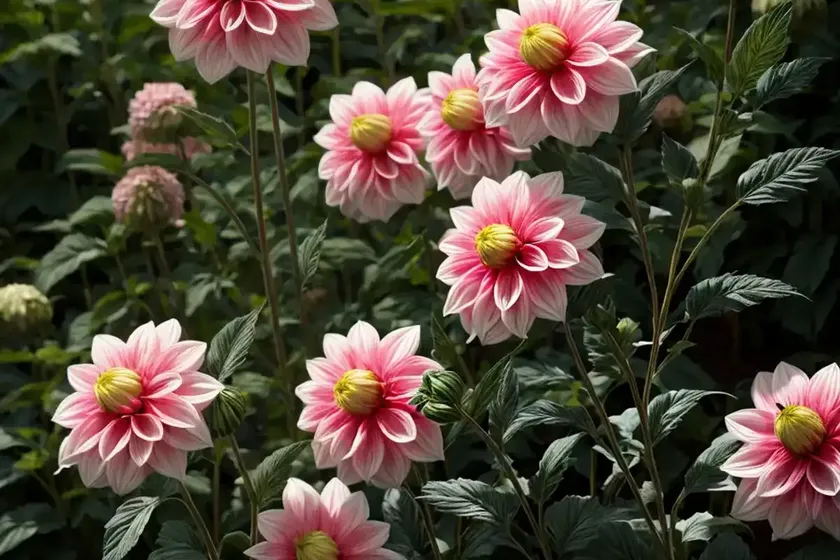
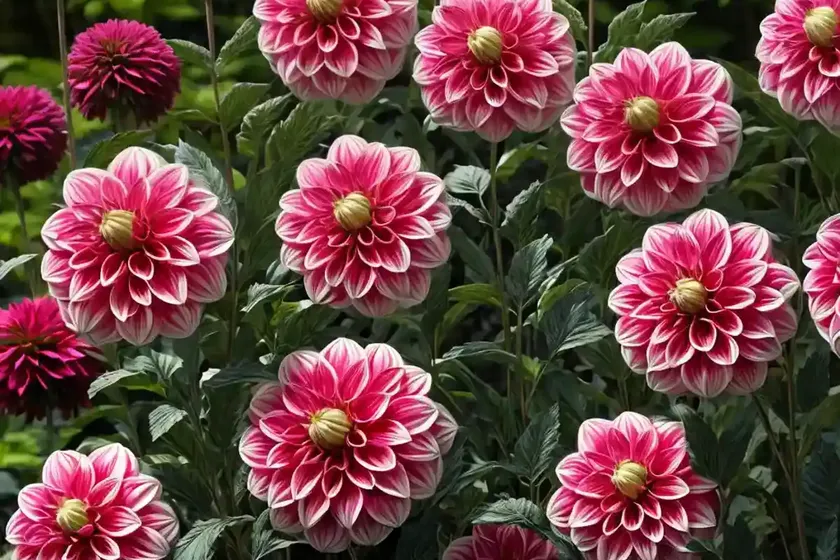
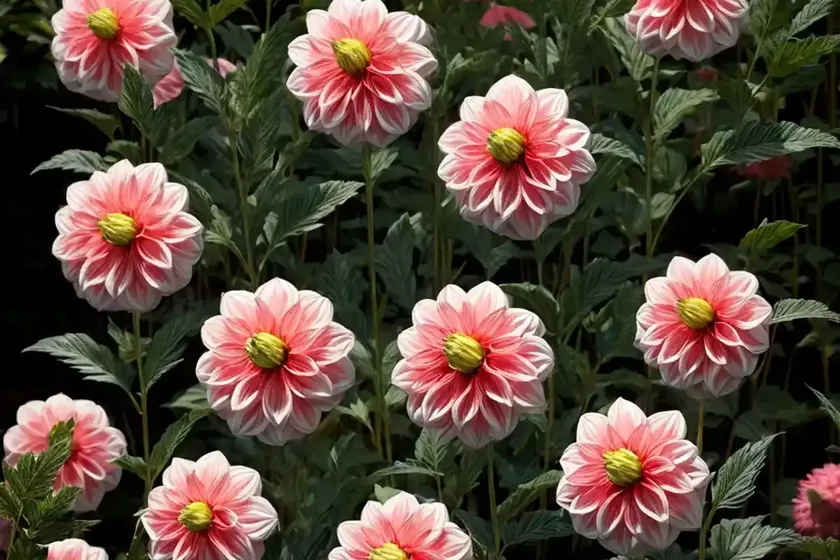
The Dahlia ‘Nuit d’Ete’ is a stunning variety of dahlia known for its deep, velvety blooms and rich color. The name ‘Nuit d’Ete’ translates to “summer.
What is the Dahlia ‘Nuit d’Ete’?
The Dahlia ‘Nuit d’Ete’ is a stunning variety of dahlia known for its deep, velvety blooms and rich color. The name ‘Nuit d’Ete’ translates to “summer night,” evoking the image of a dark, enchanting night sky. This dahlia variety is a popular choice for gardeners looking to add a touch of drama and elegance to their landscapes. In this comprehensive guide, we will explore the unique characteristics of the Dahlia ‘Nuit d’Ete’ and provide valuable insights into its cultivation, care, and maintenance.
Key Takeaways
- The Dahlia ‘Nuit d’Ete’ is revered for its striking, dark blooms and is a popular choice for gardeners seeking a touch of drama in their gardens.
- This variety requires well-drained soil, ample sunlight, and regular watering to thrive.
- Proper pruning and fertilization are essential to encourage healthy growth and abundant blooms.
- The Dahlia ‘Nuit d’Ete’ can be propagated through division and is well-suited for container gardening.
- While generally robust, this dahlia variety may be susceptible to certain diseases and pests, requiring proactive management.
Now, let’s delve deeper into the various aspects of cultivating and caring for the Dahlia ‘Nuit d’Ete’.
Culture
Uses
The Dahlia ‘Nuit d’Ete’ is highly versatile and can be used in various horticultural applications, including:
- Garden Borders: The deep, velvety blooms of the ‘Nuit d’Ete’ dahlia serve as an exquisite border or focal point in garden beds, adding depth and visual interest to the landscape.
- Cut Flower Arrangements: The long stems and rich color of the blooms make them an ideal choice for floral arrangements, adding a touch of elegance to bouquets and displays.
- Container Gardening: This variety is well-suited for container gardening, allowing individuals with limited garden space to enjoy its captivating beauty on patios, balconies, or porches.
Water
Proper watering is crucial to the health and vitality of the Dahlia ‘Nuit d’Ete’. Here are some essential considerations:
- Consistent Moisture: While dahlia plants require regular watering, it’s important to avoid waterlogged conditions. Aim to keep the soil consistently moist but not waterlogged to prevent issues such as root rot.
- Mulching: Applying a layer of organic mulch around the base of the plant can help retain soil moisture, reduce water evaporation, and suppress weed growth.
Sunlight
The ‘Nuit d’Ete’ dahlia thrives in full sun, exhibiting its best growth and flowering potential under the following conditions:
- Optimal Sun Exposure: Plant the dahlia in an area that receives at least 6-8 hours of direct sunlight per day to promote robust growth and abundant blooming.
- Shade Considerations: While the plant appreciates ample sunlight, providing some protection from intense afternoon sun in hotter climates can prevent sunscald and dehydration.
Fertilizer
Applying the appropriate fertilizer can significantly impact the growth, blooming, and overall health of the Dahlia ‘Nuit d’Ete’. Here’s how to fertilize this dahlia variety effectively:
- Balanced Fertilizer: Use a balanced, water-soluble fertilizer with a formulation such as 10-10-10 or 20-20-20 to provide essential nutrients for healthy growth and prolific blooming.
- Application Frequency: Begin fertilizing the dahlia when new growth emerges, and continue to fertilize every 4-6 weeks throughout the growing season to support continuous flowering.
Soil
The right soil conditions are essential for the Dahlia ‘Nuit d’Ete’ to thrive and produce stunning blooms. Consider the following soil-related aspects:
- Well-Drained Soil: Plant the dahlia in well-draining soil with good aeration to prevent waterlogging, which can lead to root rot and other issues.
- Soil Amendments: Incorporate organic matter such as compost or well-rotted manure into the soil before planting to improve its structure and fertility.
Pruning
Pruning is an important practice for shaping the dahlia plant and promoting vigorous growth and abundant flowering. Here’s how to approach the pruning of Dahlia ‘Nuit d’Ete’:
- Deadheading: Regularly remove spent blooms by deadheading the plant to encourage the continuous production of new flowers and prevent seed formation.
- Pinching: Pinch back the growing tips of young dahlia plants to promote branching and the development of multiple flower buds, resulting in a fuller, more floriferous plant.
Propagation
The propagation of the Dahlia ‘Nuit d’Ete’ can be achieved through division, allowing gardeners to expand their dahlia collection or share the beauty of this variety with others. Consider the following propagation methods:
- Division: Divide established dahlia clumps in early spring, ensuring that each division contains tubers and viable growing points. Replant the divisions in suitable locations to encourage new growth.
Container Popularity
The Dahlia ‘Nuit d’Ete’ is a popular choice for container gardening due to its compact size and stunning visual appeal. Here’s how to successfully grow this dahlia variety in containers:
- Container Selection: Choose a large container with adequate drainage holes to accommodate the dahlia’s root system and provide room for growth.
- Potting Mix: Use a well-draining, high-quality potting mix enriched with organic matter to provide essential nutrients and support healthy growth.
Common Diseases
Dahlia ‘Nuit d’Ete’ may be susceptible to certain diseases, requiring proactive management to maintain plant health. Common diseases include:
- Powdery Mildew: A fungal disease characterized by the presence of white, powdery growth on leaves and stems. Use fungicidal sprays and practice proper spacing to improve air circulation.
- Botrytis Blight: This fungal disease causes brown spots on petals and can lead to flower bud rot. Provide adequate air circulation and avoid overhead watering to minimize the risk of infection.
Disease Diagnosis
Early diagnosis of diseases is crucial for effective management and prevention of further spread. Look out for the following symptoms when inspecting the Dahlia ‘Nuit d’Ete’:
- Abnormal Spots: Check for unusual spots, discoloration, or mold-like growth on leaves, stems, and flowers.
- Wilting or Stunted Growth: Pay attention to any signs of wilting, wilting, or stunted growth, which can indicate underlying disease issues.
Common Pests
Pests can pose a threat to the health and vigor of the Dahlia ‘Nuit d’Ete’. Keep an eye out for these common pests:
- Aphids: Small, sap-sucking insects that can cluster on tender shoot tips and undersides of leaves. Use insecticidal soap or neem oil to control aphid populations.
- Spider Mites: These tiny arachnids can cause stippling and webbing on leaves, leading to decreased plant vigor. Regularly spray the plant with water to dislodge spider mites and apply appropriate miticides if necessary.
Botanist’s Tips
As a plant scientist, I recommend the following tips for successfully cultivating and caring for the Dahlia ‘Nuit d’Ete’:
- Soil Testing: Conduct a soil test to determine the pH and nutrient levels of the planting site, allowing for targeted soil amendments based on specific plant requirements.
- Companion Planting: Consider companion planting with insect-repelling and pollinator-attracting species to create a balanced and biodiverse garden environment.
- Integrated Pest Management (IPM): Implement an IPM approach by combining cultural, biological, and targeted chemical control methods to manage pests while minimizing environmental impact.
- Mulching Benefits: Emphasize the benefits of mulching to retain soil moisture, regulate soil temperature, and suppress weed growth around the base of the dahlia plant.
Fun Facts
- The name ‘Nuit d’Ete’ translates from French to English as “summer night,” reflecting the deep, dark hues of the Dahlia ‘Nuit d’Ete’ blooms.
- Dahlias are native to Mexico and were highly prized by the Aztecs for their ornamental and culinary uses.
Now that we have a comprehensive understanding of the cultivation, care, and unique characteristics of the Dahlia ‘Nuit d’Ete’, let’s explore some valuable external resources for further information and inspiration.
Links to External Resources
- American Dahlia Society – Growing Dahlias
- Royal Horticultural Society – Dahlia Care Guide
- University of Minnesota Extension – Growing Dahlias in Minnesota
- The Spruce – How to Grow and Care for Dahlias
- National Gardening Association – All About Dahlias
- Old House Gardens – Expert Advice for Dahlia Lovers
The Dahlia ‘Nuit d’Ete’ stands as a captivating testament to the allure and diversity of the dahlia genus. By following the guidelines and insights outlined in this guide, gardeners can embark on a rewarding journey of cultivating, nurturing, and enjoying the exquisite beauty of this remarkable dahlia variety.
Remember, the Dahlia ‘Nuit d’Ete’ brings the magic of a summer night right to your garden, offering an enchanting display of deep, velvety blooms that are sure to captivate and inspire all who behold them.
Happy gardening!