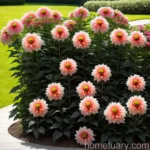
All About Dahlia ‘Little William’
Dahlia ‘Little William’ is a stunning plant that captivates with its beautiful and colorful blooms. This captivating flower is the perfect addition to any garden, providing vibrant hues and an abundance of flowers. In this comprehensive guide, we will explore all aspects of Dahlia ‘Little William’, including its cultural requirements, uses, care guidelines, and interesting facts. Whether you are a seasoned gardener or a novice enthusiast, this article will provide you with the knowledge and insights to cultivate and enjoy the beauty of Dahlia ‘Little William’ to the fullest.
What is Dahlia ‘Little William’?
Dahlia is a genus of tuberous perennial plants that are native to the mountains of Mexico and Central America. These striking flowers belong to the Asteraceae family, which is renowned for its diverse and captivating blooms. Dahlia ‘Little William’ is a remarkable cultivar of the Dahlia genus, cherished for its diminutive size and striking flowers. This variety is known for its compact growth habit, making it an excellent choice for container gardening and smaller garden spaces.
Key Takeaways
- Dahlia ‘Little William’ is a cultivar of the Dahlia genus, valued for its diminutive size and captivating flowers.
- This variety is renowned for its compact growth habit, making it well-suited for container gardening and smaller garden settings.
Culture of Dahlia ‘Little William’
Cultivating Dahlia ‘Little William’ requires attention to various cultural aspects that contribute to its health and vigor. This section will delve into the essential cultural requirements of this delightful plant, including water, sunlight, fertilizer, soil, pruning, and propagation.
Uses
Dahlia ‘Little William’ boasts versatile uses in the garden and beyond. Its charming flowers can be utilized for floral arrangements, adding beauty and color to any space. Additionally, its compact size makes it an ideal choice for border plantings, container displays, and mixed plantings.
Water
Proper watering is crucial for the health and growth of Dahlia ‘Little William’. Adequate moisture helps facilitate the development of lush foliage and abundant blooms. It is essential to maintain a balanced approach to watering, ensuring that the soil remains consistently moist but not waterlogged. During periods of intense heat or drought, regular watering is necessary to prevent the plant from experiencing stress.
Sunlight
Dahlia ‘Little William’ thrives in full sunlight, requiring at least 6-8 hours of direct sunlight daily. Placing the plant in a location with ample sunlight is essential for promoting robust growth and prolific flowering. Insufficient sunlight can result in leggy growth and diminished bloom production.
Fertilizer
Applying a well-balanced fertilizer is vital for supporting the growth and flowering of Dahlia ‘Little William’. A fertilizer with a higher phosphorus content is beneficial for encouraging abundant blooms and enhancing the plant’s overall health. Additionally, the application of a slow-release fertilizer can provide a steady supply of nutrients to the plant throughout the growing season.
Soil
Dahlia ‘Little William’ thrives in well-draining, nutrient-rich soil. Amending the soil with organic matter, such as compost or aged manure, can enhance its fertility and structure, creating an ideal environment for the plant to flourish. Additionally, maintaining a slightly acidic to neutral soil pH range is advantageous for optimal growth and nutrient uptake.
Pruning
Regular pruning is essential for shaping and maintaining the appearance of Dahlia ‘Little William’. Removing spent blooms, dead or damaged foliage, and leggy growth can help promote a tidy and compact growth habit. Additionally, pinching back the stems when the plant reaches a certain height can encourage branching and lead to more abundant flowering.
Propagation
Propagating Dahlia ‘Little William’ can be achieved through various methods, including division, stem cuttings, and seed propagation. Dividing the tubers during the dormant season, taking stem cuttings from healthy plants, or sowing seeds can all be successful approaches to propagate this coveted variety. Each method offers unique benefits and challenges, allowing gardeners to expand their collection of Dahlia ‘Little William’ through propagation.
Container Popularity
The compact size and striking blooms of Dahlia ‘Little William’ make it a popular choice for container gardening. Whether grown in patio pots, decorative containers, or hanging baskets, this variety adds a touch of elegance and charm to any outdoor space. Its versatility and adaptability to container culture make Dahlia ‘Little William’ an excellent option for gardeners with limited space or those seeking to enhance their patio or deck with vibrant blooms.
Common Diseases of Dahlia ‘Little William’
Despite their resilience, Dahlia ‘Little William’ can be susceptible to certain diseases that can impact their growth and vigor. Understanding and identifying common diseases is crucial for implementing timely and effective control measures to protect these cherished plants. This section will explore prevalent diseases that may affect Dahlia ‘Little William’ and provide insights into their diagnosis and management.
Disease Diagnosis
Dahlia ‘Little William’ may be susceptible to various diseases, including powdery mildew, leaf spot, and stem rot. These diseases can manifest as discolored or distorted foliage, powdery or spotty growth on leaves, or wilting and rotting of stems and tubers. Regular inspection of the plant for signs of disease and prompt action upon detection are essential for preventing the spread and severity of these conditions.
Common Pests Affecting Dahlia ‘Little William’
In addition to diseases, Dahlia ‘Little William’ may also encounter pests that can compromise its health and vitality. Identifying and addressing common pests is crucial for safeguarding the well-being of these plants and ensuring their continued growth and flowering. This section will highlight prevalent pests that may affect Dahlia ‘Little William’ and provide insights into their prevention and management.
Pest Prevention
To mitigate pest infestations, implementing proactive measures such as promoting a healthy growing environment, maintaining cleanliness, and monitoring for early signs of pest activity is beneficial. Additionally, utilizing natural predators, such as beneficial insects and birds, can help control pest populations and minimize the need for chemical interventions.
Botanist’s Tips for Growing Dahlia ‘Little William’
As a plant scientist and avid enthusiast of Dahlia ‘Little William’, I have compiled a set of valuable tips for successfully growing and caring for this exceptional variety. These insights are based on scientific knowledge and practical experience, aimed at empowering gardeners to cultivate and enjoy the beauty of Dahlia ‘Little William’ to the fullest.
Botanist’s Tips
- Select a well-drained planting site with ample sunlight for optimal growth and flowering.
- Incorporate organic matter into the soil to enhance its fertility and structure, promoting healthy root development.
- Apply a balanced fertilizer with a higher phosphorus content to encourage prolific blooming and overall plant health.
- Regularly monitor the plant for signs of disease or pest activity and take prompt action to address any issues.
- Practice proper watering techniques, ensuring that the soil remains consistently moist but not waterlogged, particularly during hot and dry periods.
- Implement regular pruning to maintain a compact growth habit and promote continuous flowering throughout the season.
- Consider companion planting with pollinator-attracting flowers to enhance biodiversity and support beneficial insect populations.
- Experiment with container gardening to showcase the beauty of Dahlia ‘Little William’ in smaller spaces and on patios or balconies.
Fun Facts about Dahlia ‘Little William’
Dahlia ‘Little William’ boasts a rich tapestry of fascinating traits and characteristics that make it a captivating addition to any garden. As a plant scientist with a deep appreciation for the botanical world, I am delighted to share these intriguing and delightful facts about Dahlia ‘Little William’, shedding light on its unique attributes and allure.
Fun Facts
- The ‘Little William’ cultivar is named for its diminutive size and charming personality, making it a beloved choice for compact landscapes and container displays.
- Dahlia ‘Little William’ is renowned for its vibrant and eye-catching blooms, which come in a range of hues, including deep purples, pinks, and reds, adding a burst of color to any setting.
- This variety’s compact growth habit and abundant flowering make it an exceptional option for attracting pollinators, including butterflies and bees, creating a thriving and vibrant garden ecosystem.
Links to External Resources
For further exploration of Dahlia ‘Little William’ and its cultivation, care, and uses, I recommend the following external resources:
- The American Dahlia Society
- Royal Horticultural Society – Growing Dahlias
- University of Minnesota Extension – Growing Dahlias
In conclusion, Dahlia ‘Little William’ stands as a remarkable specimen in the world of ornamental plants, captivating with its dazzling blooms and versatile uses. By understanding its cultural requirements, potential challenges, and fascinating attributes, gardeners can cultivate and cherish Dahlia ‘Little William’ as a beacon of beauty and vitality in their outdoor spaces. With the provided insights and guidance, I hope that you feel empowered to embark on a rewarding journey of growing and nurturing Dahlia ‘Little William’, reaping the rewards of its stunning blossoms and enchanting presence.
Plant Name: Dahlia ‘Little William’
As a plant scientist, I am delighted to share the comprehensive insights and guidance for caring for Dahlia ‘Little William’, encompassing its cultural requirements, uses, potential challenges, and intriguing facts. By delving into the essence of this captivating plant, I aim to provide a valuable resource for gardeners and enthusiasts seeking to cultivate and appreciate the beauty of Dahlia ‘Little William’.
Thank you for joining me on this journey of discovery and appreciation for the remarkable world of plants.
Happy gardening!