All About Dahlia ‘Happy Single Wink’
Dahlias are a genus of beautiful and diverse flowering plants that are native to the highlands of Mexico and Central America. They are known for their impressive range of colors, shapes, and sizes, making them a popular choice for gardens and floral arrangements worldwide. In this comprehensive guide, we will focus on one particular dahlia variety, the enchanting ‘Happy Single Wink’. From its planting and care to its unique characteristics and propagation methods, we will cover everything you need to know about nurturing this stunning plant.
Plant Name: Dahlia ‘Happy Single Wink’
What is Dahlia ‘Happy Single Wink’?
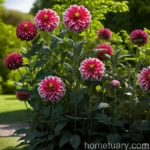
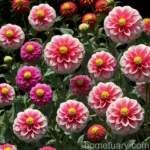
Dahlia ‘Happy Single Wink’ is a delightful and distinctive dahlia variety known for its captivating single flowers and charming coloration. This particular cultivar features vibrant pink petals with white tips, creating a striking contrast that attracts attention in any garden setting. The ‘Happy Single Wink’ variety is an excellent choice for adding cheerful accents to flower beds, borders, and containers.
Key Takeaways – Dahlia ‘Happy Single Wink’
Before delving into the specific details of caring for Dahlia ‘Happy Single Wink’, it’s helpful to understand the fundamental aspects that contribute to its optimal growth and flourishing. Below are the key takeaways concerning this captivating dahlia variety:
- Plant Name: Dahlia ‘Happy Single Wink’
- Flower Characteristics: Single flowers with vibrant pink petals and white tips
- Maintenance Tips: Regular deadheading and proper watering
- Sunlight Needs: Full sun for best flowering
- Soil Preferences: Well-drained, fertile soil
- Growth Habits: Upright and bushy growth with abundant flowering
- Watering Requirements: Regular watering to keep the soil consistently moist
- Pruning Techniques: Deadhead spent blooms to promote continuous flowering
- Propagation Methods: Division of tubers or stem cuttings
- Container Gardening: Suitable for growing in containers and pots
- Disease Prevention: Proper sanitation and maintenance to prevent common dahlia diseases
- Pest Control: Vigilant inspection and natural pest control methods
Now, let’s explore each of these aspects in detail to gain a comprehensive understanding of how to care for Dahlia ‘Happy Single Wink’ and ensure its well-being in your garden.
Culture
Uses
Dahlia ‘Happy Single Wink’ is a versatile plant that can be used in various settings to add vibrant splashes of color and visual interest. Some common uses of this dahlia variety include:
- Garden Borders: Plant ‘Happy Single Wink’ along garden borders to create a charming and colorful display, especially when complemented by other flowering plants.
- Container Gardening: Due to its compact growth habit, Dahlia ‘Happy Single Wink’ is well-suited for growing in containers and pots, allowing for its placement in patios, balconies, and small outdoor spaces.
- Cut Flower Arrangements: The eye-catching blooms of ‘Happy Single Wink’ make it an ideal choice for creating stunning cut flower arrangements, adding a touch of elegance to indoor spaces.
- Floral Bouquets: Use the charming blooms of ‘Happy Single Wink’ to enhance floral bouquets and arrangements, infusing them with a lively and cheerful character.
Water
Proper watering is essential for the healthy growth and blooming of Dahlia ‘Happy Single Wink’. To ensure adequate moisture, follow these watering guidelines:
- Regular Watering: Provide consistent moisture to the soil, aiming to keep it evenly moist without becoming waterlogged.
- Avoid Overhead Watering: Direct water towards the base of the plant to prevent wetting the foliage, which can contribute to disease development.
Sunlight
Dahlia ‘Happy Single Wink’ thrives in full sun conditions, requiring at least 6-8 hours of direct sunlight per day for optimal flowering and overall vigor. When selecting a planting location, prioritize areas that receive ample sunlight to support the plant’s growth and bloom production.
Fertilizer
Applying the right fertilizers at the appropriate times is crucial for nourishing Dahlia ‘Happy Single Wink’ and promoting its vigorous growth and abundant blooming. Consider the following fertilizer recommendations:
- Balanced Fertilizer: Use a balanced, all-purpose fertilizer with an NPK ratio of 10-10-10 or similar formulation to provide essential nutrients for the plant’s overall development.
- Application Frequency: Apply fertilizer every 4-6 weeks during the growing season, starting in early spring and continuing until late summer to sustain the plant’s nutritional needs.
Soil
Soil Preferences
Dahlia ‘Happy Single Wink’ thrives in well-drained, fertile soil with a slightly acidic to neutral pH range. When preparing the planting site or selecting a suitable potting mix, prioritize the following soil characteristics:
- Well-Drained: Ensure that the soil has good drainage to prevent waterlogging, which can lead to root rot and other moisture-related issues.
- Fertile: Choose soil rich in organic matter, such as compost or well-rotted manure, to provide essential nutrients and support robust growth.
- pH Level: Aim for a slightly acidic to neutral soil pH, ideally in the range of 6.0-7.0, to create optimal growing conditions for ‘Happy Single Wink’.
Container Gardening
For those who prefer to cultivate Dahlias in containers, it’s important to select the right potting mix and provide appropriate container sizes to accommodate the plant’s growth requirements:
- Potting Mix: Use a high-quality, well-draining potting mix formulated for flowering plants, or prepare a custom mix using a combination of peat moss, perlite, and compost.
- Container Size: Choose pots or containers that offer ample space for the dahlia’s root system, ensuring proper root development and stability.
Pruning
Pruning Techniques
Proper pruning plays a critical role in maintaining the health and prolific blooming of Dahlia ‘Happy Single Wink’. Follow these pruning techniques to ensure the plant’s vitality and continuous flowering:
- Deadheading: Regularly remove spent blooms by snipping them at the base of the stem to encourage the development of new flower buds and extend the blooming period.
- Branch Pruning: As the plant grows, prune any overcrowded or weak stems to improve air circulation and promote robust growth.
Propagation
Propagation Methods
Dahlia ‘Happy Single Wink’ can be propagated through several methods, allowing for the expansion of your dahlia collection or the sharing of this delightful variety with fellow gardening enthusiasts. Consider the following propagation techniques:
- Division of Tubers: Divide the plant’s tubers during the dormant season, ensuring that each division has viable eyes for producing new growth. Plant the divided tubers in suitable locations or containers for further growth.
- Stem Cuttings: Take stem cuttings from healthy, actively growing plants and root them in a well-draining potting mix to establish new ‘Happy Single Wink’ plants.
Popularity
Dahlia ‘Happy Single Wink’ has gained popularity among gardening enthusiasts and floral enthusiasts for its enchanting blooms and versatile presence in various settings. Whether used in garden borders, containers, or floral arrangements, this captivating dahlia variety has captured the hearts of many due to its:
- Eye-Catching Blooms: The vibrant pink petals with white tips make ‘Happy Single Wink’ a standout feature in any garden or floral display.
- Adaptability: Its suitability for container gardening and impact in garden borders make it a versatile choice for a wide range of gardening preferences.
- Floral Use: The charming blooms of ‘Happy Single Wink’ make it an ideal addition to cut flower arrangements and bouquets, contributing to its appeal among floral enthusiasts.
Common Diseases
Disease Diagnosis
While Dahlia ‘Happy Single Wink’ is generally resilient, it is important to be aware of potential diseases that can affect its health and take proactive measures to prevent and manage them. Common diseases that may affect Dahlia ‘Happy Single Wink’ include:
- Powdery Mildew: The appearance of powdery, white spots on the foliage, which can compromise the plant’s overall health and vigor.
- Botrytis Blight: Gray mold that develops on flowers and foliage under high humidity conditions, potentially leading to flower and plant damage if left unaddressed.
Disease Prevention
Implementing effective disease prevention measures is essential for safeguarding the health and vitality of Dahlia ‘Happy Single Wink’. Consider the following strategies to mitigate disease risks:
- Proper Air Circulation: Ensure adequate spacing between plants to promote air circulation, reducing the likelihood of moisture-related diseases such as powdery mildew and botrytis blight.
- Sanitation Practices: Regularly remove and dispose of any diseased plant material to prevent the spread of diseases among dahlia plants and other garden specimens.
Common Pests
Botanist’s Tips
As a plant scientist, I have encountered various scenarios where pests posed threats to the well-being of plants, including stunning dahlia varieties like ‘Happy Single Wink’. Here are some botanist’s tips to help you effectively manage common pests that may target your dahlia plants:
- Aphids: Keep an eye out for clusters of aphids on the tender growth of ‘Happy Single Wink’, and use insecticidal soap or a strong stream of water to dislodge and control them.
- Spider Mites: Monitor for signs of spider mite infestations, such as stippled or discolored foliage, and utilize neem oil or horticultural oil to manage these tiny pests effectively.
Fun Facts
Before concluding our exploration of Dahlia ‘Happy Single Wink’, let’s uncover some fascinating fun facts about this delightful dahlia variety:
- Symbol of Elegance: The captivating blooms of ‘Happy Single Wink’ symbolize elegance and grace, making them a sought-after feature in various floral arrangements and garden designs.
- Butterfly Attraction: The vibrant blooms of ‘Happy Single Wink’ act as a magnet for butterflies, enriching garden spaces with their delightful fluttering presence.
- Floral Diversity: As part of the diverse dahlia genus, ‘Happy Single Wink’ contributes to the rich tapestry of dahlia varieties, each exuding its unique charm and allure in the world of horticulture and floral arts.
Before we conclude, I’d like to leave you with an array of external resources where you can continue to expand your knowledge about caring for Dahlia ‘Happy Single Wink’, as well as explore additional gardening insights and inspiration.
Links to External Resources
-
American Dahlia Society: The official website of the American Dahlia Society, providing comprehensive information about dahlia cultivation, varieties, and events.
-
Royal Horticultural Society – Growing Dahlias: Explore the Royal Horticultural Society’s guide on growing dahlias, offering valuable insights and practical tips for dahlia enthusiasts.
-
University of Minnesota Extension – Growing Dahlias: Gain valuable knowledge about growing dahlias from the University of Minnesota Extension, featuring in-depth guidance for successful dahlia cultivation.
-
National Garden Bureau – Plant Profile: Dahlias: Delve into the National Garden Bureau’s comprehensive plant profile on dahlias, including diverse dahlia varieties and their cultivation tips.
With this in-depth guide to Dahlia ‘Happy Single Wink’, you are well-equipped to nurture and appreciate the captivating beauty of this remarkable dahlia variety. Whether you are cultivating it in your garden, showcasing it in floral arrangements, or simply admiring its blooms, the ‘Happy Single Wink’ dahlia is sure to enchant you with its delightful presence and endless floral charm. Embrace the joy of cultivating this enchanting dahlia and relish the beauty it brings to your gardening endeavors and floral pursuits. Happy gardening!