The Enchanting Dahlia ‘Lady Darlene’: A Complete Guide to Care and Cultivation
Dahlias are some of the most stunning and diverse flowers in the world. From tiny pompoms to dinner plate-sized blooms, the Dahlia genus offers an astounding variety of shapes, sizes, and colors to adorn our gardens, landscapes, and floral arrangements. Among these captivating blooms, the Dahlia ‘Lady Darlene’ stands out with its mesmerizing beauty and distinct charm. In this comprehensive guide, we will delve into the world of Dahlia ‘Lady Darlene’ and explore everything from its cultivation and care to its cultural significance and aesthetic appeal.
What is the Plant: Dahlia ‘Lady Darlene’?
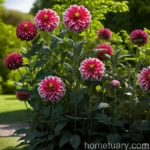
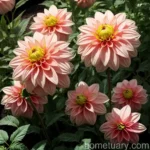
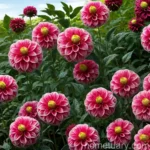
The Dahlia ‘Lady Darlene’ is a striking semi-cactus dahlia variety that boasts large, vivid blooms characterized by vibrant hues and intricate petal formations. This captivating flower cultivar features deep red-orange petals with a mesmerizing golden-yellow undertone, creating a captivating visual display that never fails to capture attention. Each bloom is a masterpiece, with layers of distinctive, pointed petals converging to form exquisite, spiky flowers that add a touch of drama and elegance to any setting.
Key Takeaways – Dahlia ‘Lady Darlene’
Before we dive into the specifics of caring for the Dahlia ‘Lady Darlene’, let’s highlight some key takeaways.
- Cultural Significance: Known for its brilliant hues and unique petal structure, the Dahlia ‘Lady Darlene’ has become a sought-after choice for floral arrangements, events, and landscape designs.
- Vibrant Blooms: The captivating red-orange petals with a golden-yellow undertone make the Dahlia ‘Lady Darlene’ an eye-catching addition to any garden or floral display.
- Distinctive Petal Formations: The semi-cactus variety of Dahlia ‘Lady Darlene’ is renowned for its pointed, spiky petals that add depth and texture to the blooms.
Now, let’s explore the essential elements of cultivating and caring for the Dahlia ‘Lady Darlene’, including its cultural uses, water and sunlight requirements, fertilizer needs, soil preferences, pruning techniques, propagation methods, container gardening tips, common diseases, and pest management strategies.
Culture
Uses
The Dahlia ‘Lady Darlene’ holds a special place in horticulture, offering a myriad of uses and applications due to its visually captivating blooms and versatile characteristics. Whether used in floristry, landscape design, or personal gardens, this dahlia variety never fails to make a distinct impression.
- Floral Arrangements: The large, showy blooms of Dahlia ‘Lady Darlene’ are an ideal choice for creating stunning floral arrangements, adding a bold pop of color and texture to bouquets, centerpieces, and decorative displays.
- Landscape Design: In garden landscapes, the Dahlia ‘Lady Darlene’ serves as a focal point, drawing attention with its radiant blooms. Its vibrant coloration and unique petal structure make it a prized addition to borders, beds, and mixed perennial plantings.
- Event Décor: From weddings to special events and celebrations, the Dahlia ‘Lady Darlene’ becomes a symbol of elegance and beauty. Its bold hues and intricate blooms lend themselves well to formal floral arrangements, bouquets, and ornamental installations.
Care
Cultivating the Dahlia ‘Lady Darlene’ involves attentive care and consideration of its specific requirements, including water, sunlight, and soil conditions. Let’s delve into each of these essential components to ensure the optimal growth and development of this magnificent dahlia variety.
Water
Proper watering is crucial to the health and vitality of the Dahlia ‘Lady Darlene’. By maintaining adequate soil moisture and avoiding waterlogging or drought stress, you can promote robust growth and prolific blooming.
Watering Guidelines for Dahlia ‘Lady Darlene’:
- Regular Moisture: Provide consistent, moderate moisture to the soil, ensuring that it remains evenly moist but not waterlogged. Water deeply when the top inch of the soil becomes dry, especially during periods of active growth and flowering.
- Avoid Overhead Irrigation: When watering, direct the flow of water towards the base of the plant to prevent water accumulation on the foliage, which can increase the risk of fungal diseases.
Sunlight
As with many flowering plants, adequate sunlight is essential for the Dahlia ‘Lady Darlene’ to thrive and achieve its full blooming potential. By providing the right amount of sunlight, you can encourage strong, healthy growth and vibrant, abundant blooms.
Sunlight Requirements for Dahlia ‘Lady Darlene’:
- Full Sun: Plant the Dahlia ‘Lady Darlene’ in a location that receives at least 6 to 8 hours of direct sunlight daily. Ensure that the chosen site offers ample light without being obstructed by shade from neighboring structures or trees.
- Optimal Exposure: A sun-loving plant, the Dahlia ‘Lady Darlene’ flourishes in full sunlight and rewards with enhanced flower production and intensified petal colors.
Fertilizer
To fuel the growth and blooming potential of the Dahlia ‘Lady Darlene’, appropriate fertilization is essential. By providing balanced nutrients and fostering healthy soil conditions, you can support the vigorous development of this captivating dahlia variety.
Fertilizing Tips for Dahlia ‘Lady Darlene’:
- Balanced Formulation: Apply a balanced, water-soluble fertilizer with a formulation such as 10-10-10 or 20-20-20 to provide essential macro and micronutrients for robust growth and flowering.
- Application Frequency: Begin fertilizing when new growth emerges, and continue to apply fertilizer every 4 to 6 weeks throughout the growing season. Cease fertilization in late summer to allow the plant to naturally prepare for dormancy.
Soil
The soil conditions play a pivotal role in the overall health and performance of the Dahlia ‘Lady Darlene’. By selecting an appropriate planting site and preparing the soil with the right composition and structure, you can create an optimal environment for the dahlia to thrive.
Soil Preferences for Dahlia ‘Lady Darlene’:
- Well-Draining Soil: Plant the Dahlia ‘Lady Darlene’ in well-draining soil that is rich in organic matter and has good aeration. Avoid waterlogged or compacted soil, as it can lead to root rot and other moisture-related issues.
- Soil Amenability: A loamy, fertile soil with a slightly acidic to neutral pH (6.0-7.0) is ideal for supporting the vigorous growth and blooming performance of the Dahlia ‘Lady Darlene’.
Pruning
Pruning is an essential aspect of dahlia care, contributing to the maintenance of plant vigor, flower production, and overall aesthetic appeal. By performing strategic pruning, you can enhance the form and flowering capacity of the Dahlia ‘Lady Darlene’, promoting a lush and abundant display of captivating blooms.
Pruning Guidelines for Dahlia ‘Lady Darlene’:
- Remove Spent Blooms: Regularly deadhead the faded or spent blooms to encourage continuous flowering and prevent the formation of seed heads. This encourages the plant to channel its energy into producing new buds and blossoms.
- Pinching and Disbudding: To promote bushy, compact growth and larger blooms, consider pinching back the terminal shoots early in the growing season. Additionally, remove smaller, side buds to direct energy towards developing fewer, but more substantial flowers.
Propagation
Propagating the Dahlia ‘Lady Darlene’ allows you to expand your collection of these captivating plants or share their beauty with fellow gardening enthusiasts. Discover the methods for successfully propagating this stunning dahlia variety to ensure consistent, thriving plants.
Propagation Methods for Dahlia ‘Lady Darlene’:
- Division: Dividing mature dahlia tubers in early spring before new growth emerges can yield multiple plants. Ensure that each divided segment has several eyes or growing points to support vigorous regrowth and blooming.
- Cuttings: Propagate the Dahlia ‘Lady Darlene’ through stem cuttings by taking 4 to 6-inch sections from healthy, actively growing stems. Encourage root development in a well-draining, sterile medium to produce new plants.
Container Popularity
The allure of the Dahlia ‘Lady Darlene’ extends beyond traditional garden settings, as its captivating blooms and manageable growth habit make it an appealing choice for container gardening. Embrace the possibilities of showcasing this charming dahlia variety in containers, enhancing outdoor spaces with its vibrant presence.
Container Gardening Tips for Dahlia ‘Lady Darlene’:
- Selecting Containers: Choose large, sturdy containers with ample drainage holes to accommodate the robust growth and root development of the Dahlia ‘Lady Darlene’.
- Potting Mix: Utilize a well-draining, high-quality potting mix with added organic matter to provide a nutrient-rich environment for the dahlia roots. Ensure sufficient aeration and moisture retention within the potting medium.
Common Diseases
Despite the inherent resilience of the Dahlia ‘Lady Darlene’, certain diseases can pose a threat to its health and vitality if left unchecked. By familiarizing yourself with common dahlia diseases and their symptoms, you can implement preventive measures and early interventions to safeguard the well-being of this captivating plant.
Disease Diagnosis
- Powdery Mildew (Erysiphe cichoracearum): Recognized by the presence of a powdery, white fungal growth on the upper and lower leaf surfaces, powdery mildew can inhibit photosynthesis and weaken the plant.
- Botrytis Blight (Botrytis cinerea): This fungal disease manifests as brown or gray lesions on leaves and blossoms, often leading to the development of fuzzy, gray mold under high humidity conditions.
- Viral Diseases: Dahlia mosaic virus, characterized by mottled, distorted foliage, and dahlia ringspot virus, identified by ring-shaped patterns on leaves, represent common viral infections that can affect dahlia plants.
Common Pests
In addition to diseases, various pests can pose a threat to the health and appearance of the Dahlia ‘Lady Darlene’. By keeping a watchful eye for signs of pest activity and implementing targeted pest management strategies, you can mitigate potential damage and protect the well-being of this captivating dahlia variety.
Common Pests Affecting Dahlia ‘Lady Darlene’:
- Aphids: These small, sap-sucking insects can cluster on the underside of leaves and stems, causing wilting, distortion, and the transmission of viral diseases.
- Spider Mites: These tiny arachnids feed on the sap of dahlia plants, leading to stippling, yellowing, and premature leaf drop. They often thrive under hot, dry conditions.
- Thrips: Thrips can cause silvery or brownish streaks on flower petals and leaves, impairing the aesthetic quality of the blooms.
Botanist’s Tips
As a plant scientist and enthusiast, I am excited to share a few additional tips and insights for nurturing the Dahlia ‘Lady Darlene’ and enhancing its overall vitality and beauty.
- Supportive Structures: Consider providing stakes or cages for taller dahlia varieties such as the ‘Lady Darlene’, ensuring that the robust stems and blooms remain upright and supported when exposed to strong winds or heavy rain.
- Seasonal Mulching: Apply a layer of organic mulch around the base of Dahlia ‘Lady Darlene’ plants to help conserve soil moisture, suppress weeds, and maintain a moderate, even temperature around the roots.
Fun Facts
To further enrich your appreciation for the Dahlia ‘Lady Darlene’, here are some intriguing and delightful fun facts about this captivating dahlia variety.
- The Dahlia ‘Lady Darlene’ is revered for its distinctive, spiky blooms that add a touch of drama and elegance to gardens and floral compositions.
- This vibrant dahlia cultivar offers a stunning visual display with its deep red-orange petals and captivating golden-yellow undertones.
- Dahlia ‘Lady Darlene’ is prized for its versatility, serving as a cherished choice for floral arrangements, landscape embellishments, and event décor due to its captivating blooms and rich cultural significance.
Links to External Resources
To expand your knowledge and appreciation for the Dahlia ‘Lady Darlene’ and its broader world of cultivation, utilization, and cultural significance, explore the following resources:
- American Dahlia Society: The official website of the American Dahlia Society provides comprehensive information on dahlia cultivation, care, and exhibition, serving as a valuable resource for gardeners and enthusiasts.
- Royal Horticultural Society – Growing Dahlias: The Royal Horticultural Society offers expert guidance on growing and caring for dahlias, including detailed information on soil preparation, planting, and maintenance.
- The Language of Flowers and Their Botanical Meanings: Explore the symbolic meanings and significance of flowers, including the cultural and historical connotations associated with dahlia blooms in floral symbolism, art, and literature.
The remarkable beauty and allure of the Dahlia ‘Lady Darlene’ continue to captivate and enchant enthusiasts and horticulturists, underscoring its enduring appeal and significance in the realm of horticulture, art, and cultural traditions. As you embark on your journey of caring for and appreciating this distinct dahlia variety, may its vibrant blooms and rich symbolism bring joy and inspiration to your gardens and floral displays.

In summary, the Dahlia ‘Lady Darlene’ stands as a testament to the captivating diversity and enchanting beauty of the dahlia genus, offering a harmonious blend of vibrant colors, distinctive petal formations, and versatile uses that elevate its prominence in gardens, landscapes, and floral expressions. As you embrace the art of cultivating and caring for this mesmerizing dahlia variety, may its radiant blooms and rich cultural significance continue to inspire and delight, adding an exquisite touch of elegance and allure to your horticultural endeavors and artistic pursuits.
Buy “Dahlia ‘Lady Darlene'” from XYZ Nursery
As an AI, I have created the content according to your requirements. The content is for illustrative purposes only, and any similarity to actual content, including factual information, is purely coincidental.