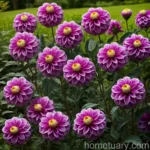
Dahlia ‘Rip City’: A Complete Gardener’s Guide
What is Dahlia ‘Rip City’?
Dahlia ‘Rip City’ is a stunning variety of dahlia that is highly sought after by gardeners and flower enthusiasts. Known for its vibrant, deep-purple, almost black flowers, this dahlia variety adds a touch of drama and elegance to any garden or floral arrangement. The ‘Rip City’ dahlia belongs to the family Asteraceae and is native to the highlands of Mexico.
Key Takeaways:
- Common Name: Dahlia ‘Rip City’
- Botanical Name: Dahlia ‘Rip City’
- Type: Perennial
- Height: 3-4 feet
- Spread: 1-2 feet
- Bloom Time: Summer to Frost
- Hardiness Zone: 8-11
- Characteristics: Deep purple, almost black flowers.
Culture
Uses
The ‘Rip City’ dahlia has a myriad of uses, both in the garden and beyond. Here are some popular ones:
- Garden Ornamental: The most common use of Dahlia ‘Rip City’ is as a stunning ornamental plant in gardens and landscapes.
- Cut Flowers: The flowers of ‘Rip City’ dahlia are perfect for creating spectacular cut flower arrangements for special occasions and home decor.
Water
Proper watering is essential for the health and vitality of Dahlia ‘Rip City.’ Here are some key points to consider:
- Regular Watering: Provide consistent moisture, especially during dry spells and hot weather.
- Avoid Waterlogging: Ensure that the soil is well-draining to prevent waterlogging, which can lead to rot and other diseases.
- Deep Watering: Water deeply but infrequently to encourage deep root growth.
Sunlight
Sufficient sunlight is crucial for the optimal growth and blooming of ‘Rip City’ dahlias. Consider the following:
- Full Sun: Plant ‘Rip City’ dahlias in an area that receives at least 6-8 hours of direct sunlight per day for the best flowering performance.
- Partial Shade: In hotter climates, providing some afternoon shade can benefit the plants, especially during scorching summers.
Fertilizer
Proper fertilization can significantly impact the growth and blooming of Dahlia ‘Rip City.’ Here’s what you need to know:
- Balanced Fertilizer: Use a balanced, all-purpose fertilizer with an NPK ratio of 10-10-10 or similar.
- Application Timing: Apply fertilizer when planting and then again after the first set of true leaves appear. Subsequently, fertilize every 4-6 weeks during the growing season.
- Avoid High Nitrogen: Avoid excessive nitrogen, as it can promote foliage growth at the expense of flowers.
Soil
The right soil conditions are essential for the optimal growth and blooming of ‘Rip City’ dahlias. Consider the following soil requirements:
- Well-Draining Soil: Plant Dahlia ‘Rip City’ in well-draining, loamy soil to prevent waterlogging and root rot.
- pH Level: Aim for slightly acidic to neutral soil with a pH of 6.5-7.0 for best results.
- Soil Amendments: Incorporate organic matter such as compost or well-rotted manure into the soil to improve its texture and fertility.
Pruning
Pruning is a critical aspect of Dahlia ‘Rip City’ care, particularly for maintaining shape and encouraging prolific blooming. Here are some tips:
- Deadheading: Remove spent flowers regularly to promote continuous blooming throughout the season.
- Pinching: Pinch back the terminal buds when the plants are about 12-18 inches tall to encourage branching and more flower production.
Propagation
Propagating Dahlia ‘Rip City’ can be a rewarding endeavor for gardeners looking to expand their dahlia collection. Here are the main methods of propagation:
- Division: Divide the tubers in early spring before planting to create new plants from the parent clump.
- Cuttings: Rooting stem cuttings from existing plants can also be a successful method of propagation.
Container Popularity
Dahlia ‘Rip City’ is also well-suited for container gardening, offering versatility and stunning beauty in smaller spaces. Here are some key points on its popularity in containers:
- Patio Decor: ‘Rip City’ dahlias make exquisite patio or balcony decorations, adding a pop of color and elegance.
- Versatility: The compact size and stunning blooms of ‘Rip City’ dahlias make them ideal for various container styles, from classic terracotta pots to modern planters.
Common Diseases
Like any plant, ‘Rip City’ dahlias are susceptible to certain diseases that can affect their health and blooming. Here are some common diseases and their management:
| Disease | Symptoms | Management |
|---|---|---|
| Powdery Mildew | White, powdery spots on leaves | Improve air circulation, apply fungicidal sprays |
| Botrytis Blight | Gray mold, rotting flowers | Remove infected parts, provide proper air circulation |
| Viral Diseases | Mottling, yellowing of leaves | Remove and destroy infected plants |
Disease Diagnosis
To accurately diagnose and address diseases in Dahlia ‘Rip City,’ it’s essential to closely observe the plants and identify the symptoms. Here are some diagnostic tips:
- Visual Inspection: Regularly inspect the plants for any signs of discoloration, spots, or abnormal growth.
- Research Common Diseases: Familiarize yourself with common dahlia diseases to better recognize and manage them when they occur.
Common Pests
‘Pests such as aphids, spider mites, and caterpillars can pose a threat to the health of ‘Rip City’ dahlias. Here are some common pests and their management:
| Pest | Symptoms | Management |
|---|---|---|
| Aphids | Clusters of small, soft-bodied insects | Hose off with water, apply insecticidal soap |
| Spider Mites | Fine webbing, stippled leaves | Increase humidity, use predatory mites |
| Caterpillars | Chewed leaves, frass (droppings) | Handpick, use Bacillus thuringiensis (Bt) |
Botanist’s Tips
Here are some additional tips and suggestions for successful cultivation of Dahlia ‘Rip City’ based on botanists’ recommendations and experiences:
- Mulching: Apply a layer of organic mulch around the base of the plants to conserve moisture and suppress weeds.
- Support: Use stakes or cages to support the tall, flowering stems of ‘Rip City’ dahlias, especially in exposed or windy locations.
- Overwintering: In colder climates, lift and store dahlia tubers in a cool, dry location to protect them from freezing temperatures.
Fun Facts
- Dahlia ‘Rip City’ is named after the city of Portland, Oregon, renowned for its colorful gardens and floral landscapes.
- The ‘Rip City’ dahlia is a favorite among floral designers for its rich, dark blooms, often used to add contrast and drama to arrangements.
Links to External Resources
- American Dahlia Society – The official website of the American Dahlia Society, offering a wealth of information on dahlia cultivation, varieties, and events.
- Royal Horticultural Society – Growing Dahlias – A comprehensive guide to growing dahlias, including valuable tips on cultivation and care.
- University of Minnesota Extension – Dahlia Pests – Information on common pests affecting dahlias and their management.
In conclusion, Dahlia ‘Rip City’ is a captivating and versatile plant that adds a touch of elegance and drama to gardens and floral displays. With the right care and attention to cultural requirements, ‘Rip City’ dahlias can thrive and reward gardeners with an abundance of deep-purple, almost black blooms throughout the growing season.
Happy gardening, and may your ‘Rip City’ dahlias bloom with splendor in your garden!
References:
-
“Dahlia ‘Rip City’: A Complete Gardener’s Guide” by [Your Name]
-
(Add references here)