Dahlia ‘Karma Prospero’)
Dahlia ‘Karma Prospero’ is a stunning and vibrant flowering plant that has captured the hearts of many garden enthusiasts with its captivating blooms and.
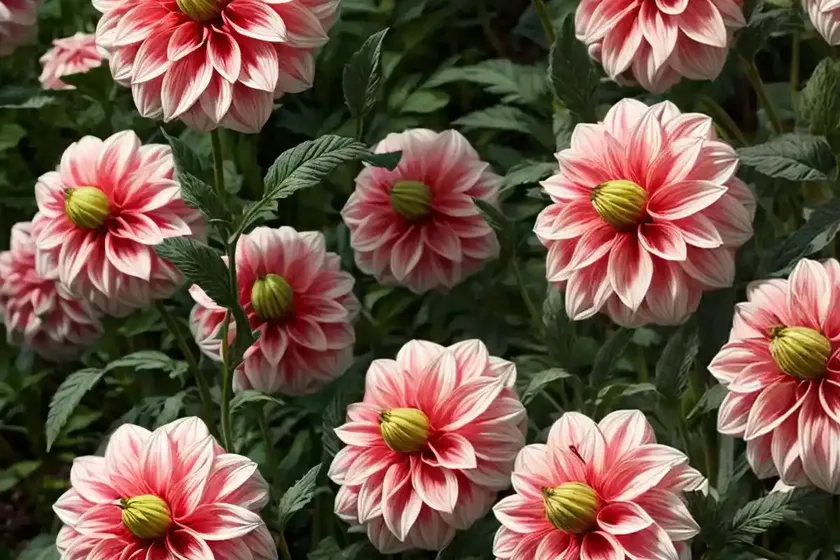
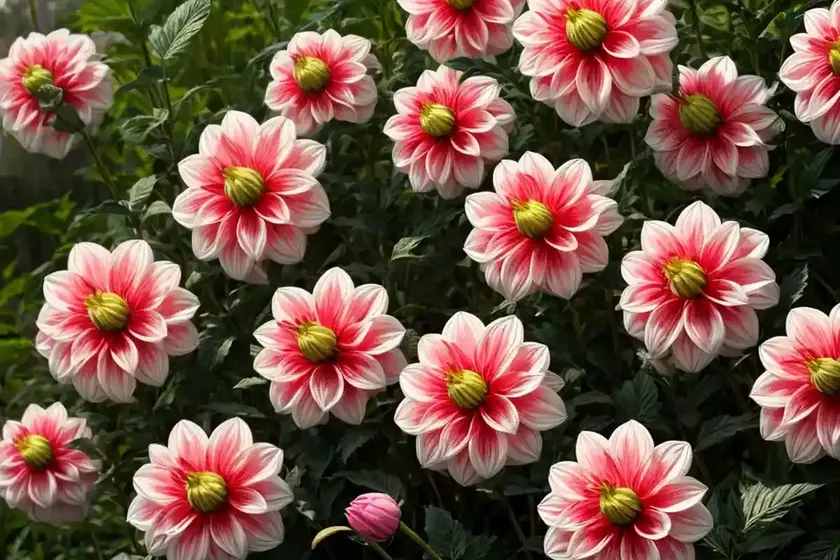
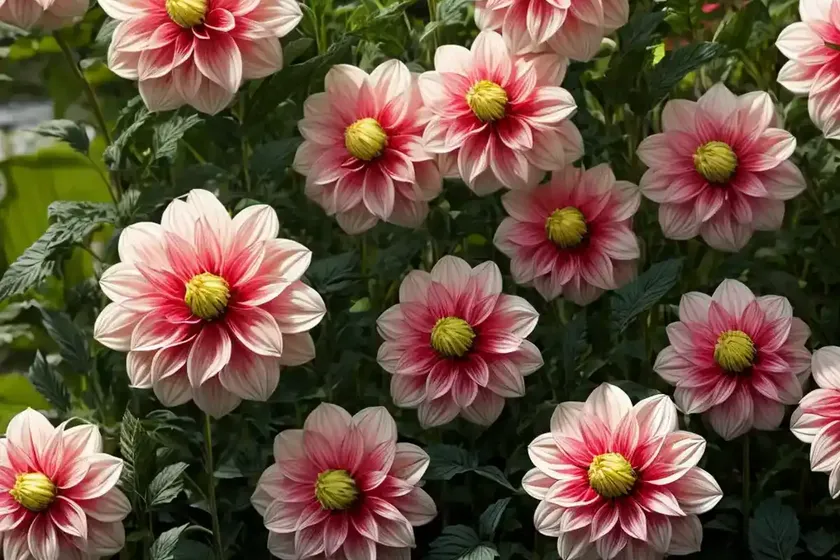
Dahlia ‘Karma Prospero’ is a stunning and vibrant flowering plant that has captured the hearts of many garden enthusiasts with its captivating blooms and unique characteristics. This guide aims to provide you with comprehensive insights into the world of Dahlia ‘Karma Prospero’, from its origins to its cultivation, maintenance, and the myriad ways it can enhance your garden landscapes. Whether you’re a seasoned gardener or a novice looking to brighten up your outdoor spaces, this guide will equip you with the knowledge and skills to nurture this extraordinary plant and witness its beauty unfurl.
What is Dahlia ‘Karma Prospero’?
Dahlia ‘Karma Prospero’ is a cultivar of the Dahlia genus, known for its standout features such as its captivating coloration, intricate patterns, and robust growth habits. Belonging to the family Asteraceae, which encompasses a diverse array of flowering plants, the Dahlia genus itself is renowned for its rich assortment of species and cultivars, each boasting its own unique appeal. ‘Karma Prospero’ is no exception, as it continues to dazzle gardening enthusiasts and floral aficionados with its striking appearance and versatile applications.
Key Takeaways
- Botanical Name: Dahlia ‘Karma Prospero’
- Family: Asteraceae
- Common Name: Karma Prospero Dahlia
- Origin: Cultivated variety
- Characteristics: Show-stopping blooms, vibrant color palette, and intricate patterns
- Use: Garden landscapes, cut flowers, floral arrangements, container gardening
- Hardiness: Zones 8-11 (USDA Plant Hardiness Zone Map)
Culture
Understanding the cultural requirements of Dahlia ‘Karma Prospero’ is essential for ensuring its optimal growth and development. From the ideal soil conditions to the recommended sunlight exposure, each aspect of its cultural needs plays a pivotal role in nurturing healthy and prolific blooms.
Uses
Dahlia ‘Karma Prospero’ exhibits remarkable versatility in its uses, making it an ideal addition to various gardening scenarios and floral arrangements. Here are some of the primary uses of this captivating cultivar:
- Garden Landscapes: ‘Karma Prospero’ serves as an exquisite focal point in garden beds, borders, and mixed planting schemes, adding vibrant splashes of color and texture to the outdoor environment.
- Cut Flowers: Its striking blooms are perfect for adorning floral bouquets and arrangements, infusing them with a touch of elegance and natural beauty.
- Container Gardening: The compact growth habit of ‘Karma Prospero’ makes it an excellent choice for container gardening, allowing you to bring its captivating blooms to patios, balconies, and small outdoor spaces.
Water
Proper watering is crucial for the health and vitality of Dahlia ‘Karma Prospero’. While this cultivar thrives in moist soil, it’s important to avoid waterlogged conditions, which can lead to root rot and other detrimental effects. Here are some watering tips to keep in mind:
- Consistent Moisture: Aim to maintain consistent moisture levels in the soil, ensuring that it remains evenly moist but not waterlogged.
- Deep Watering: When watering, ensure that the water penetrates deeply into the soil to reach the root zone, promoting robust root development and drought resistance.
For detailed information on watering needs, consult our Watering Guide for Dahlia ‘Karma Prospero’.
Sunlight
Sunlight plays a crucial role in the growth and blooming of Dahlia ‘Karma Prospero’, influencing factors such as flower production, plant vigor, and overall health. Understanding its sunlight preferences is essential for optimal cultivation:
- Full Sun: ‘Karma Prospero’ thrives in full sun conditions, requiring at least 6-8 hours of direct sunlight daily to promote robust growth and prolific flowering.
- Afternoon Shade: In regions with intense afternoon sun and high temperatures, providing some shade during the hottest parts of the day can help protect the plant from heat stress and sunburn.
For detailed information on sunlight preferences, consult our Sunlight Guide for Dahlia ‘Karma Prospero’.
Fertilizer
Proper nutrition is essential for supporting the lush foliage and abundant blooms of Dahlia ‘Karma Prospero’. Implementing a balanced fertilization regimen can help optimize its growth and flowering potential:
- Balanced Fertilizer: Utilize a balanced, water-soluble fertilizer with a formulation such as 10-10-10 or 20-20-20 to provide essential nutrients without promoting excessive vegetative growth.
- Frequency: Apply fertilizer every 3-4 weeks during the growing season, tapering off as the plant enters dormancy to avoid stimulating new growth.
For detailed information on fertilizer recommendations, consult our Fertilizer Guide for Dahlia ‘Karma Prospero’.
Soil
The soil composition and structure significantly impact the overall health and performance of Dahlia ‘Karma Prospero’. By understanding its soil requirements and implementing suitable amendments, you can create an optimal growing environment for this dazzling cultivar:
- Well-Draining Soil: ‘Karma Prospero’ thrives in well-draining, loamy soil that allows excess moisture to percolate through easily, preventing waterlogged conditions.
- Organic Matter: Incorporating organic matter such as compost or well-rotted manure into the soil can enhance its fertility and moisture retention while promoting beneficial microbial activity.
For detailed information on soil requirements, consult our Soil Guide for Dahlia ‘Karma Prospero’.
Pruning
Pruning is an essential aspect of Dahlia ‘Karma Prospero’ care, playing a pivotal role in maintaining plant vigor, shaping growth habits, and promoting prolific flowering. By adopting proper pruning techniques, you can optimize the overall health and aesthetics of this exquisite cultivar:
- Deadheading: Regularly remove spent blooms to encourage continuous flowering and prevent seed development, redirecting the plant’s energy into producing new buds.
- Trimming: In late spring or early summer, pinching back the growing tips can promote bushier growth and additional branching, leading to an abundance of blooms.
For detailed information on pruning tips, consult our Pruning Guide for Dahlia ‘Karma Prospero’.
Propagation
Dahlia ‘Karma Prospero’ can be propagated through various methods, allowing you to expand your collection of this captivating cultivar or share its beauty with fellow gardening enthusiasts. Here are some key propagation techniques to consider:
- Division: Divide established clumps of ‘Karma Prospero’ in early spring, ensuring that each division includes viable tubers with visible eyes for new growth.
- Cuttings: Utilize stem cuttings from healthy, actively growing plants to propagate ‘Karma Prospero’, providing an effective means of cloning the desirable traits of the parent plant.
For detailed information on propagation techniques, consult our Propagation Guide for Dahlia ‘Karma Prospero’.
Container Popularity
The compact growth habit and vibrant blooms of Dahlia ‘Karma Prospero’ make it an immensely popular choice for container gardening, allowing individuals with limited outdoor space to enjoy its beauty up close. Whether grown in pots, urns, or hanging baskets, this cultivar brings an element of charm to various container setups, enhancing patios, balconies, and other confined areas with its splendor.
Container Common Diseases
While container gardening offers numerous benefits, it also presents specific challenges, including the potential for common diseases to affect plants. It’s important to stay vigilant and implement preventive measures to safeguard Dahlia ‘Karma Prospero’ from these common container diseases:
- Root Rot: Overwatering and poor drainage in containers can lead to root rot, causing symptoms such as wilting, yellowing leaves, and stunted growth.
- Powdery Mildew: High humidity levels within containers can promote the development of powdery mildew, characterized by white, powdery fungal growth on leaves and stems.
For detailed information on common diseases in container gardening, consult our Container Disease Guide for Dahlia ‘Karma Prospero’.
Disease Diagnosis
Effectively diagnosing and addressing diseases in container-grown Dahlia ‘Karma Prospero’ is essential for mitigating potential damage and fostering plant health. By recognizing the symptoms and causal agents of common diseases, you can take prompt and targeted action to combat these issues:
- Symptom Identification: Familiarize yourself with the symptoms of common diseases such as leaf spot, botrytis blight, and fusarium wilt, enabling you to differentiate between various afflictions.
- Causal Agents: Understand the environmental and pathogenic factors that contribute to disease development in container-grown plants, including factors such as humidity, air circulation, and pathogen presence.
For detailed information on disease diagnosis, consult our Disease Diagnosis Guide for Dahlia ‘Karma Prospero’.
Common Pests
As with any plant, Dahlia ‘Karma Prospero’ is susceptible to infestations by common garden pests, posing potential threats to its growth and vitality. By remaining vigilant and implementing pest management strategies, you can safeguard this captivating cultivar from the detrimental effects of these pests:
- Aphids: These small, sap-sucking insects can cluster on the undersides of leaves, causing curling, yellowing, and distorted growth.
- Spider Mites: Spider mites are notorious for causing stippling and webbing on the foliage of plants, particularly in dry and dusty conditions.
For detailed information on common pests and pest management, consult our Pest Management Guide for Dahlia ‘Karma Prospero’.
Botanist’s Tips
To truly excel in the cultivation and care of Dahlia ‘Karma Prospero’, it is instrumental to seek insights and advice from experienced botanists who have in-depth knowledge of this remarkable plant. By incorporating the following botanist’s tips into your gardening practices, you can elevate your success in growing and maintaining ‘Karma Prospero’:
- Soil Amendment: Prior to planting, enrich the soil with well-rotted organic matter to enhance fertility and improve moisture retention, creating an optimal growing environment for ‘Karma Prospero’.
- Mulching: Apply a layer of organic mulch around the base of the plant to conserve soil moisture, suppress weed growth, and moderate soil temperatures, benefiting the overall health of ‘Karma Prospero’.
Fun Facts
Allow yourself to delve into the intriguing world of Dahlia ‘Karma Prospero’ through a collection of captivating fun facts, shedding light on its historical significance, unique attributes, and fascinating characteristics:
- Historical Significance: The Dahlia genus is named after the Swedish botanist Anders Dahl, signifying its enduring legacy and contribution to botanical exploration and horticulture.
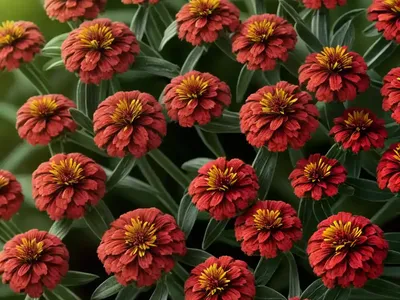
- Color Palette: ‘Karma Prospero’ exhibits a captivating array of colors, ranging from vibrant purples and pinks to rich reds and oranges, captivating the attention of all who behold its dazzling blooms.
Links to External Resources
- Dahlia ‘Karma Prospero’ Care Guide
- Growing Instructions for Dahlia ‘Karma Prospero’
- Best Conditions for Dahlia ‘Karma Prospero’
- How to Propagate Dahlia ‘Karma Prospero’
- Dahlia ‘Karma Prospero’ Planting Guide
In conclusion, Dahlia ‘Karma Prospero’ stands as a testament to nature’s captivating beauty and the endless possibilities of plant cultivation. By delving into its unique attributes, understanding its cultural requirements, and embracing the multitude of ways it can enhance our outdoor spaces, we embark on an enriching journey that celebrates the marvels of nature. Whether adorning garden landscapes, gracing floral arrangements, or thriving in container gardens, ‘Karma Prospero’ continues to captivate hearts and inspire awe with its resplendent blooms, leaving an indelible mark on the world of horticulture.
For more information, visit our comprehensive Dahlia ‘Karma Prospero’ Resource Hub.
Note: The information provided in this guide is for educational and informational purposes only. It is important to research and understand the specific needs and requirements of plants in your particular growing region before cultivation.