Plant Scientist Blog: The Complete Guide to Dahlia ‘Eveline’ Care
Welcome, fellow plant enthusiasts. Today, we are going to delve into the beautiful and diverse world of Dahlias, focusing specifically on the stunning Dahlia ‘Eveline’. Named after the Swedish botanist Anders Dahl, these vibrant flowers encompass a wide range of colors, shapes, and sizes, making them one of the most beloved choices for gardeners and florists alike.
This comprehensive guide will provide you with all the necessary information to successfully cultivate and care for Dahlia ‘Eveline’, addressing aspects such as culture, uses, watering requirements, sunlight exposure, soil preferences, fertilization, pruning, propagation, common diseases, pests, and much more. Whether you are an experienced gardener or just beginning your plant journey, this article will equip you with valuable insights and practical tips to ensure the flourishing of your Dahlia ‘Eveline’ plants.
So, without further ado, let’s embark on this botanical exploration and unlock the secrets to cultivating and preserving the resplendent beauty of Dahlia ‘Eveline’.
Understanding Dahlia ‘Eveline’
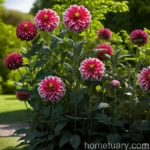
Dahlia ‘Eveline’ is an exquisite flowering plant that belongs to the Asteraceae family, renowned for its captivating blooms and diverse color palette. This specific variety is cherished for its delicate petals, often in soft tones of pink and white, creating a mesmerizing visual display in any garden or floral arrangement.
When it comes to the key features of Dahlia ‘Eveline’, it’s essential to consider the following characteristics:
- Flower Type: Double flower, often with multiple layers of petals
- Color: Predominantly pink with hints of white, creating a charming and elegant appearance
- Size: Medium to large blooms, adding a striking presence to garden landscapes
- Growth Habit: Upright and bushy, with sturdy stems supporting the abundant blossoms
- Blooming Season: Typically blooms from mid-summer to fall, providing extended periods of floral beauty
Now that we have a foundational understanding of Dahlia ‘Eveline’, let’s delve into the essential aspects of its cultivation and care.
Culture of Dahlia ‘Eveline’
Cultivating Dahlia ‘Eveline’ requires a blend of attentive care, optimal growing conditions, and a deep understanding of its specific needs. By ensuring the right cultural practices, you can promote vigorous growth and abundant flowering, allowing this stunning variety to thrive in your garden or outdoor space.
Uses
Before we delve into the specific requirements for cultivating Dahlia ‘Eveline’, it’s essential to appreciate the diverse uses of this remarkable plant. Here are some common applications of Dahlia ‘Eveline’ in horticulture and floral arrangements:
- Garden Ornament: Dahlia ‘Eveline’ serves as an exceptional ornamental plant, adding elegance and vibrancy to garden beds, borders, and containers.
- Cut Flowers: The exquisite blooms of Dahlia ‘Eveline’ are ideal for creating captivating floral arrangements and bouquets, gracing indoor spaces with their beauty.
- Special Occasions: With its enchanting pink and white hues, Dahlia ‘Eveline’ is a popular choice for weddings, events, and special occasions, symbolizing grace and charm.
Now, let’s explore the specific cultural requirements for nurturing Dahlia ‘Eveline’ to its fullest potential.
Water

Proper watering is essential for the health and vitality of Dahlia ‘Eveline’. While these plants appreciate moisture, they are sensitive to overwatering, which can lead to root rot and other issues. To ensure optimal hydration, consider the following watering guidelines:
Dahlia ‘Eveline’ Watering Needs:
- Frequency: Water deeply once or twice a week, allowing the soil to dry slightly between watering sessions.
- Soil Moisture: Aim for consistently moist, well-draining soil to support healthy growth and prolific flowering.
- Mulching: Apply a layer of organic mulch around the base of Dahlia ‘Eveline’ to retain soil moisture and suppress weed growth.
- Avoid Overhead Watering: Minimize water contact with the foliage to prevent issues such as powdery mildew and fungal diseases.
By adhering to these watering practices, you can establish an ideal moisture balance for Dahlia ‘Eveline’, promoting robust development and the continuous emergence of stunning blossoms.
Sunlight

Sunlight plays a pivotal role in the growth and blooming patterns of Dahlia ‘Eveline’. These plants thrive in bright, well-lit environments, exhibiting their best features when provided with adequate sunlight exposure. Consider the following sunlight requirements for Dahlia ‘Eveline’:
Dahlia ‘Eveline’ Sunlight Exposure:
- Optimal Conditions: Plant Dahlia ‘Eveline’ in locations with full sun to part shade, receiving at least 6-8 hours of direct sunlight daily.
- Morning Sun: While Dahlia ‘Eveline’ appreciates sunlight throughout the day, providing morning sun exposure can help prevent excessive heat stress during peak afternoon hours.
- Shelter from Strong Winds: Select planting sites that offer protection from strong winds, which can damage the tender foliage and stems of Dahlia ‘Eveline’.
By ensuring ample sunlight for your Dahlia ‘Eveline’ plants, you can encourage vigorous growth and abundant flowering, allowing these delightful blooms to thrive in your outdoor spaces.
Fertilizer

Proper nutrition is essential for the optimal development of Dahlia ‘Eveline’, and a well-balanced fertilizer regimen can significantly contribute to the plant’s overall health and blooming capacity. Consider the following fertilization recommendations for cultivating Dahlia ‘Eveline’:
Dahlia ‘Eveline’ Fertilizing Guidelines:
- Time of Application: Begin fertilizing in early spring as new growth emerges, and continue applying fertilizer every 4-6 weeks throughout the growing season.
- Fertilizer Type: Utilize a balanced, water-soluble fertilizer with a formulation such as 10-10-10 or 20-20-20 to provide essential nutrients for lush foliage and prolific blooms.
- Avoid Overfeeding: While Dahlia ‘Eveline’ benefits from regular fertilization, avoid excessive or concentrated applications, as this can lead to nutrient imbalances and potential burn to the plant.
By incorporating a well-rounded fertilization routine, you can support the robust growth and captivating flowering display of Dahlia ‘Eveline’, enhancing the overall visual impact of these remarkable plants.
Soil

The soil composition and quality play a crucial role in the successful cultivation of Dahlia ‘Eveline’. These plants thrive in well-draining, fertile soil that provides a supportive medium for root development and nutrient uptake. Consider the following soil preferences for Dahlia ‘Eveline’:
Dahlia ‘Eveline’ Soil Requirements:
- Well-Draining Soil: Plant Dahlia ‘Eveline’ in loamy, well-draining soil to prevent waterlogged conditions that can compromise root health.
- Organic Matter: Incorporate organic compost or well-rotted manure into the soil to enrich its fertility and structure, providing essential nutrients for robust growth.
- Soil pH: Aim for a slightly acidic to neutral soil pH range of 6.0-7.0, which is conducive to optimal nutrient availability and uptake by Dahlia ‘Eveline’ plants.
By ensuring the right soil conditions, you can create a conducive environment for Dahlia ‘Eveline’ to thrive, promoting healthy foliage and an abundance of enchanting blooms throughout the growing season.
Pruning Dahlia ‘Eveline’
Pruning is an essential aspect of Dahlia ‘Eveline’ care, contributing to a tidy appearance, enhanced airflow, and the promotion of prolific flowering. Proper pruning practices can help manage plant size, encourage branching, and remove spent blooms, allowing Dahlia ‘Eveline’ to channel its energy into producing new blossoms. Consider the following guidelines for pruning Dahlia ‘Eveline’:
Basic Pruning Steps for Dahlia ‘Eveline’:
- Deadheading Spent Blooms: Regularly remove faded or spent flowers to prevent the formation of seeds and encourage the continuous production of new blooms.
- Selective Pinching: Pinch or trim the growing tips of young Dahlia ‘Eveline’ plants to promote lateral branching, resulting in fuller, bushier growth and increased flower production.
- Stem Maintenance: Remove any damaged, diseased, or overcrowded stems to maintain plant vigor and overall health, ensuring ample airflow within the foliage.
By implementing a consistent and strategic pruning routine, you can optimize the visual appeal and blooming capacity of Dahlia ‘Eveline’, fostering a lush and flourishing display in your garden or landscape.
Propagation of Dahlia ‘Eveline’

To expand your collection of Dahlia ‘Eveline’ or share the beauty of this variety with fellow gardening enthusiasts, the propagation of these plants can be an exciting and rewarding endeavor. While Dahlia ‘Eveline’ can be propagated through various methods, including division, tuber cuttings, and seed sowing, tuber division remains one of the most common and reliable approaches to propagate these captivating plants. Let’s outline the key steps involved in propagating Dahlia ‘Eveline’ through tuber division:
Tuber Division for Propagating Dahlia ‘Eveline’:
- Selecting Tubers: Choose healthy and mature Dahlia ‘Eveline’ tubers for division, ensuring they exhibit firmness and are free from signs of disease or damage.
- Division Process: Using a clean, sharp knife, divide the tubers into sections, ensuring that each division contains viable eyes or buds, which serve as potential points of new growth.
- Pre-planting Preparation: Allow the divisions to air-dry for a few hours, promoting callusing of the cut surfaces to reduce the risk of rot and fungal infections.
- Planting the Divisions: Plant the tuber divisions in well-draining soil, ensuring proper placement and depth, and provide adequate moisture and sunlight to support their establishment and growth.
By following these propagation steps, you can multiply the presence of Dahlia ‘Eveline’ in your garden or share the joy of cultivating these remarkable plants with others, further enriching the botanical tapestry of your outdoor spaces.
Container Gardening with Dahlia ‘Eveline’

For gardeners with limited space or those looking to create portable floral displays, container gardening offers a versatile and engaging approach to cultivating Dahlia ‘Eveline’. When selecting containers for growing these plants, it’s essential to consider the appropriate size, drainage, and overall suitability to ensure the well-being and flourishing of Dahlia ‘Eveline’ in a confined environment. Here’s a guide to successful container gardening with Dahlia ‘Eveline’:
Tips for Container Gardening with Dahlia ‘Eveline’:
- Container Selection: Choose spacious containers with adequate drainage holes, providing ample room for root development and ensuring excess moisture can escape freely.
- Potting Mix: Use a well-aerated, high-quality potting mix that is specifically formulated for flowering plants, offering essential nutrients and optimal drainage for Dahlia ‘Eveline’.
- Watering and Fertilizing: Monitor the moisture levels in the container and adjust the watering frequency as needed to maintain consistent soil moisture. Additionally, incorporate a balanced, slow-release fertilizer to support the nutritional needs of Dahlia ‘Eveline’ throughout the growing season.
- Sunlight Exposure: Position the containers in locations that receive ample sunlight, ensuring at least 6-8 hours of direct sun exposure daily to promote robust growth and prolific flowering.
By embracing container gardening, you can bring the enchanting allure of Dahlia ‘Eveline’ to patios, balconies, and small outdoor spaces, creating captivating floral displays and infusing vibrant beauty into confined garden settings.
Popularity and Versatility of Dahlia ‘Eveline’

Dahlia ‘Eveline’ occupies a prominent place in horticulture and floral design, captivating gardening enthusiasts, professional florists, and botanical admirers with its stunning visual appeal and remarkable versatility. The popularity of Dahlia ‘Eveline’ stems from its exceptional attributes, including its captivating flowers, ease of cultivation, and the myriad of applications it offers in garden landscapes and floral compositions. Let’s explore the widespread popularity and versatile uses of Dahlia ‘Eveline’:
Garden Setting and Landscape Applications:
- Mixed Borders: Dahlia ‘Eveline’ is a delightful addition to mixed borders, where its vibrant blooms and lush foliage create striking contrasts and provide visual interest alongside other perennial and annual plants.
- Cutting Gardens: With its abundant and long-lasting blooms, Dahlia ‘Eveline’ is a favored choice in cutting gardens, supplying an ongoing source of fresh flowers for arrangements, bouquets, and floral décor.
- Container Planting: The versatile nature of Dahlia ‘Eveline’ makes it an excellent candidate for container gardening, allowing gardeners to showcase its captivating blooms in confined spaces and portable floral displays.
Floral Design and Arrangements:
- Wedding Flowers: Dahlia ‘Eveline’ is a beloved choice for wedding bouquets and floral arrangements, infusing elegance and romance with its soft pink and white hues, often complementing various wedding themes and color palettes.
- Event Décor: Whether used in centerpieces, table arrangements, or decorative installations, Dahlia ‘Eveline’ elevates the aesthetic appeal of events, adding a touch of sophistication and natural beauty to the surroundings.
By acknowledging the widespread appeal and multifaceted uses of Dahlia ‘Eveline’, we can appreciate its significance in horticulture, floristry, and the broader realms of botanical appreciation and creativity.
Common Diseases and Disease Diagnosis

While Dahlia ‘Eveline’ exhibits resilience and robust growth under favorable conditions, it is susceptible to certain diseases that can compromise its health and overall appearance. By recognizing the symptoms and implementing proactive measures, you can effectively diagnose and address common diseases that affect Dahlia ‘Eveline’, safeguarding its well-being and preserving its captivating allure. Let’s explore some prevalent diseases and their diagnosis in Dahlia ‘Eveline’:
Common Diseases of Dahlia ‘Eveline’:
- Powdery Mildew: A fungal infection characterized by powdery white patches on the leaves and stems, often leading to distorted growth and reduced vitality in Dahlia ‘Eveline’. To address powdery mildew, consider using fungicidal treatments and ensuring proper airflow to reduce humidity levels.
- Botrytis Blight: Also known as gray mold, botrytis blight presents as fuzzy gray lesions on the foliage and flowers of Dahlia ‘Eveline’, particularly in humid or poorly ventilated conditions. Prune affected plant parts and promote adequate air circulation to manage botrytis blight.
- Root Rot: Excessive moisture and poorly draining soil can predispose Dahlia ‘Eveline’ to root rot, leading to wilting, yellowing leaves, and overall decline. Adjust watering practices and improve soil drainage to mitigate the risk of root rot in these plants.
- Bacterial Blight: This bacterial disease manifests as water-soaked lesions on the leaves and stems of Dahlia ‘Eveline’, eventually leading to tissue death and potential plant loss. Manage bacterial blight through the removal of affected plant parts and the application of appropriate bactericidal treatments.
By maintaining vigilant observation and prompt intervention, you can effectively diagnose and manage diseases in Dahlia ‘Eveline’, preserving its health and fostering an environment conducive to vibrant growth and abundant flowering.
Common Pests Affecting Dahlia ‘Eveline’

In addition to diseases, Dahlia ‘Eveline’ is susceptible to various pests that can diminish its vigor and aesthetic appeal. From aphids and spider mites to caterpillars and slugs, these pests can pose a challenge to the well-being of Dahlia ‘Eveline’, necessitating proactive pest control measures to mitigate their impact. Let’s explore some common pests that affect Dahlia ‘Eveline’ and strategies for their management:
Major Pests Targeting Dahlia ‘Eveline’:
- Aphids: These small, soft-bodied insects colonize the new growth and underside of leaves, causing distortion and yellowing of foliage. Use insecticidal soap or neem oil to control aphids and minimize their population on Dahlia ‘Eveline’.
- Spider Mites: These tiny arachnids infest the foliage, creating fine webbing and causing stippling or discoloration of leaves. Regularly hose down the plants and apply horticultural oil to manage spider mite infestations on Dahlia ‘Eveline’.
- Caterpillars: Larvae of various moth species can feed on the foliage and flowers of Dahlia ‘Eveline’, resulting in extensive damage. Handpick caterpillars and use biological control agents or insecticides to protect these plants from caterpillar feeding.
- Slugs and Snails: These mollusks can leave behind ragged holes and slimy trails on the leaves and blooms of Dahlia ‘Eveline’. Employ cultural methods such as diatomaceous earth or beer traps to deter and control slugs and snails in the garden.
By implementing integrated pest management strategies, including regular monitoring, cultural practices, and targeted treatments, you can safeguard Dahlia ‘Eveline’ from pest infestations and maintain its vitality and visual appeal.
Botanist’s Tips for Growing Dahlia ‘Eveline’
As we navigate the nuances of cultivating and caring for Dahlia ‘Eveline’, it’s valuable to glean insights from seasoned botanists and experienced gardeners who have honed their skills in nurturing these remarkable plants. Through their collective wisdom and practical advice, we can gain a deeper appreciation for the intricacies of Dahlia ‘Eveline’ care and cultivation. Let’s explore some invaluable tips from botanists for growing and preserving the beauty of Dahlia ‘Eveline’:
Botanist’s Insights and Recommendations:
- Adequate Support: Provide sturdy stakes or supports for tall Dahlia ‘Eveline’ varieties to prevent the stems from bending or breaking under the weight of the blooms.
- Regular Deadheading: Consistent removal of spent flowers not only maintains a tidy appearance but also encourages continuous