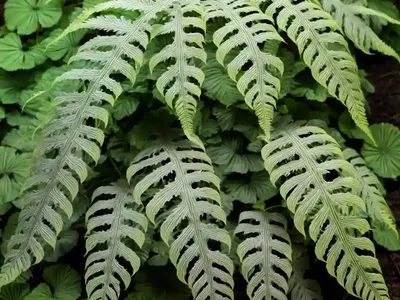
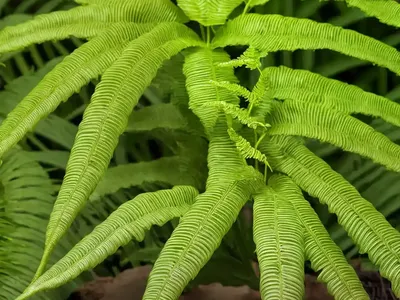
Dryopteris Wallichiana (Alpine Wood Fern)
Dryopteris wallichiana, commonly known as Alpine Wood Fern, is a fascinating plant that belongs to the Dryopteridaceae family. This evergreen fern is.
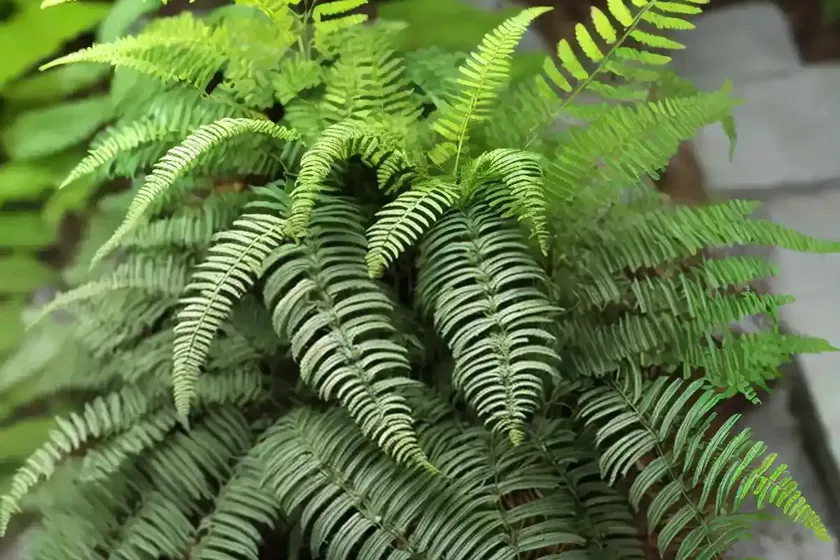
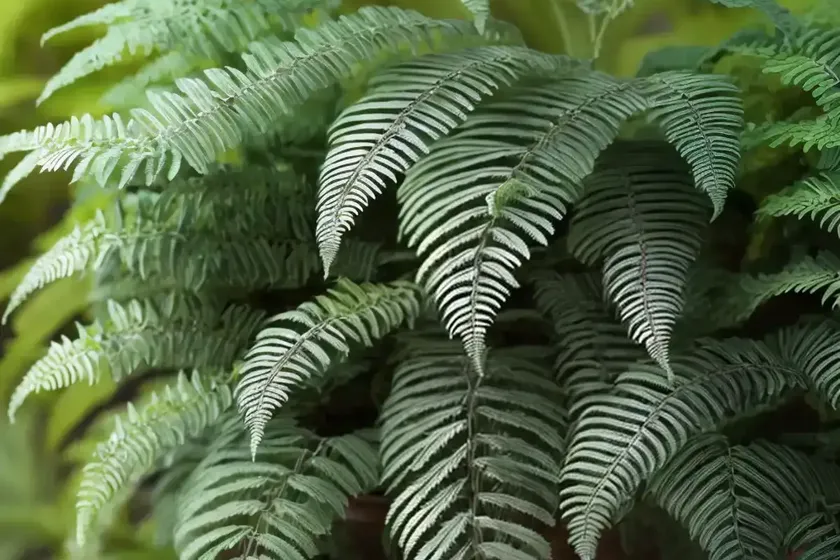
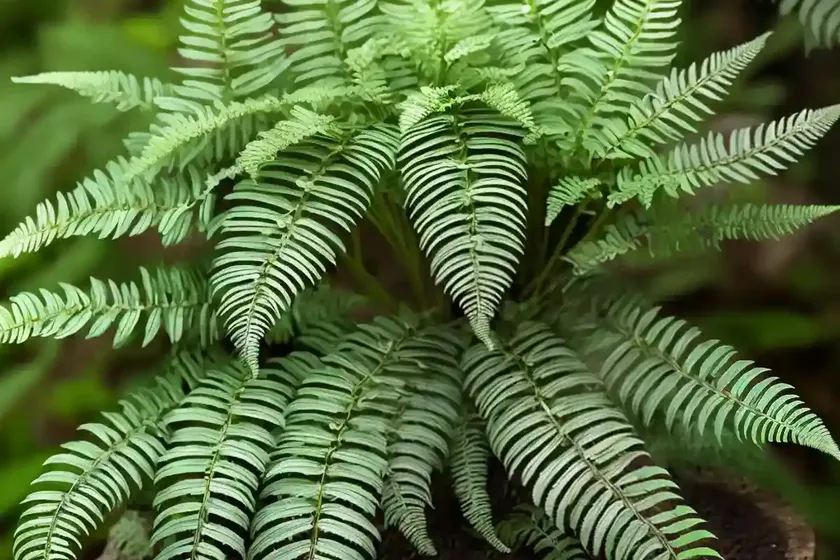
Dryopteris wallichiana, commonly known as Alpine Wood Fern, is a fascinating plant that belongs to the Dryopteridaceae family. This evergreen fern is native to the Himalayas and is known for its lacy, delicate fronds. Its elegant appearance makes it a popular choice for gardens, landscapes, and indoor settings. In this comprehensive guide, we will explore the various aspects of Dryopteris wallichiana, including its culture, uses, ideal growing conditions, propagation, common diseases, and so much more.
Key Takeaways – Dryopteris wallichiana (Alpine Wood Fern)
Before delving into the detailed aspects of Dryopteris wallichiana, let’s take a quick look at the key takeaways:
- Plant Name: Dryopteris wallichiana (Alpine Wood Fern)
- Family: Dryopteridaceae
- Common Names: Himalayan Wood Fern, Wallich’s Wood Fern
- Native Habitat: Himalayas
- Growth Habit: Evergreen
- Uses: Ideal for edging, ground cover, and landscaping
- Light Requirements: Partial to full shade
- Watering: Moderate watering needs
- Soil Preferences: Moist, well-draining soil
- Hardiness Zone: USDA Zones 5-8
- Pruning: Remove old fronds in spring
- Propagation: Spores, division
- Common Diseases: Rust, leaf spot
- Common Pests: Slugs, snails
- Special Features: Deer resistant, rabbit resistant
Now, let’s dive into the detailed exploration of Dryopteris wallichiana, covering its culture, uses, ideal conditions, propagation, common diseases, common pests, and much more.
Culture
Uses
Dryopteris wallichiana, with its graceful and lacy fronds, is widely utilized for various landscaping and gardening purposes. Some of its common uses include:
- Edging Plant: The delicate appearance of Alpine Wood Fern makes it a perfect choice for bordering paths, walkways, and garden beds.
- Ground Cover: Its spreading growth habit and evergreen foliage make it an excellent ground cover option, especially in shaded areas.
- Landscape Design: Dryopteris wallichiana adds a touch of elegance to landscapes, particularly in woodland gardens and shaded borders.
Water
Alpine Wood Fern has moderate watering needs. It thrives in consistently moist soil, especially during the growing season. Adequate watering is essential for maintaining lush foliage and promoting healthy growth. However, it’s important to ensure that the soil has proper drainage to prevent waterlogged conditions.
Sunlight
Dryopteris wallichiana thrives in partial to full shade. It prefers dappled sunlight or filtered shade, making it an excellent choice for shaded gardens and woodland settings. Extended exposure to direct sunlight can cause scorching of the delicate fronds, so it’s essential to provide the plant with the appropriate amount of shade.
Fertilizer
While Alpine Wood Fern is not heavy feeder, a light application of balanced, slow-release fertilizer in spring can promote healthy growth. Choose a fertilizer specifically formulated for ferns or apply a general-purpose fertilizer at half strength to prevent over-fertilization. Avoid fertilizing in late summer and fall to prevent stimulating new growth that may be susceptible to frost damage.
Soil
Dryopteris wallichiana thrives in moist, well-draining soil with rich organic matter. It prefers slightly acidic to neutral soil with a pH range of 5.5 to 7.0. Amending the planting area with organic compost or peat moss can improve the soil texture and fertility, creating an ideal growing environment for the Alpine Wood Fern.
Pruning
Pruning is an essential aspect of Dryopteris wallichiana care, particularly for maintaining the plant’s appearance and promoting healthy growth. Here are some pruning tips for Alpine Wood Fern:
- Remove Old Fronds: In late winter or early spring, remove any old or damaged fronds to make way for new growth. Use clean, sharp pruners to make precise cuts and avoid causing unnecessary damage to the plant.
Propagation
Alpine Wood Fern can be propagated through spores or division. Here’s a brief overview of both propagation methods:
-
Propagation from Spores: Propagating Dryopteris wallichiana from spores involves collecting mature, ripe spores and sowing them on a suitable growing medium. This method requires patience and attention to detail, as it involves creating a suitable environment for spore germination and subsequent growth.
-
Division: Division is a more straightforward method of propagation that involves separating the plant’s rhizomes to create new plants. This can be done during the plant’s active growing season to ensure successful establishment of the divided segments.
Container Popularity
Dryopteris wallichiana is well-suited for container gardening, particularly in shaded or partially shaded areas. Its compact growth habit and elegant foliage make it an attractive choice for containers, providing a touch of greenery to patios, balconies, and shaded outdoor spaces.
Container Common Diseases
When grown in containers, Alpine Wood Fern may be susceptible to certain diseases, albeit to a lesser extent than when grown in the ground. Some common container diseases to be mindful of include:
-
Root Rot: Overly wet and poorly draining soil in containers can lead to root rot in Alpine Wood Fern. To prevent this, ensure proper drainage in the containers and avoid overwatering.
-
Fungal Diseases: Containers with excessive moisture levels can create conditions conducive to fungal diseases. Proper airflow and avoiding overwatering can help minimize the risk of fungal issues.
Disease Diagnosis
Diagnosing diseases in Dryopteris wallichiana, whether grown in the ground or in containers, involves careful observation of the plant’s foliage, fronds, and overall health. Common signs of diseases in Alpine Wood Fern include:
-
Yellowing or Browning of Fronds: Discoloration of the fronds may indicate fungal diseases or nutrient deficiencies.
-
Wilting or Drooping Foliage: These symptoms can be indicative of overwatering, underwatering, or root-related issues.
-
Spots or Lesions on Fronds: The presence of spots, lesions, or unusual growths on the fronds may point to fungal or bacterial infections.
-
Stunted Growth or Decline in Vigor: Any noticeable decline in the plant’s overall health and vigor warrants further investigation to identify potential causes.
Common Pests
While Dryopteris wallichiana is relatively resistant to pests, certain common garden pests may occasionally pose a threat to the plant, especially when growing conditions are suboptimal. Some common pests to watch out for include:
-
Slugs and Snails: These voracious feeders can cause significant damage to the foliage of Alpine Wood Fern, particularly in damp or shaded environments. Applying natural or organic pest control methods can help manage slug and snail populations.
-
Aphids: Aphids may occasionally infest the tender new growth of the fern, causing distortion and damage to the foliage. Regular monitoring and the use of eco-friendly pest control methods can help prevent aphid infestations.
Botanist’s Tips
To ensure the successful cultivation and maintenance of Dryopteris wallichiana, consider the following botanist’s tips:
-
Provide Adequate Drainage: Whether planted in the ground or in containers, ensuring proper drainage is essential for preventing waterlogged conditions and related issues.
-
Monitor Moisture Levels: Regularly check the moisture levels of the soil to provide adequate, but not excessive, watering. Avoid allowing the soil to dry out completely, especially during the active growing season.
-
Prune Mindfully: When pruning Alpine Wood Fern, use clean, sharp tools to make precise cuts and avoid causing unnecessary damage to the plant. Remove old fronds in early spring to make way for new growth.
-
Monitor for Pests and Diseases: Keep a watchful eye for signs of pests and diseases, particularly during periods of high humidity or when growing conditions are conducive to such issues.
Fun Facts
-
Alpine Wood Fern (Dryopteris wallichiana) is named after Nathaniel Wallich, a Danish botanist who made significant contributions to the study of Asian flora.
-
The fronds of Alpine Wood Fern are highly ornamental and are often used in floral arrangements and decorations, adding a touch of natural elegance to indoor settings.
-
In its native Himalayan habitat, Dryopteris wallichiana is often found growing in shaded, moist areas, such as forest understories and along stream banks.
-
The spores produced by Alpine Wood Fern serve as the plant’s primary means of reproduction, dispersing to suitable locations to germinate and establish new plants.
Links to External Resources
For further information on Dryopteris wallichiana and related topics, explore the following resources:
- Royal Horticultural Society: Dryopteris wallichiana
- Missouri Botanical Garden: Dryopteris wallichiana
- North Carolina State University: Dryopteris wallichiana
In this comprehensive guide, we’ve delved into the various aspects of Dryopteris wallichiana (Alpine Wood Fern), covering its culture, uses, ideal growing conditions, propagation, common diseases, common pests, and much more. By understanding the specific requirements of this elegant fern, you can cultivate and enjoy its beauty in your garden, landscape, or indoor spaces.