Dahlia Coccinea (Scarlet Dahlia)
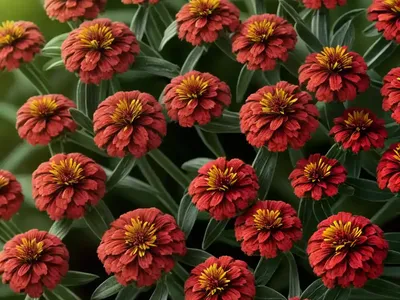
Dahlia coccinea, commonly known as the Scarlet Dahlia, is an exquisite flowering plant that belongs to the Asteraceae family. This vibrant and captivating.
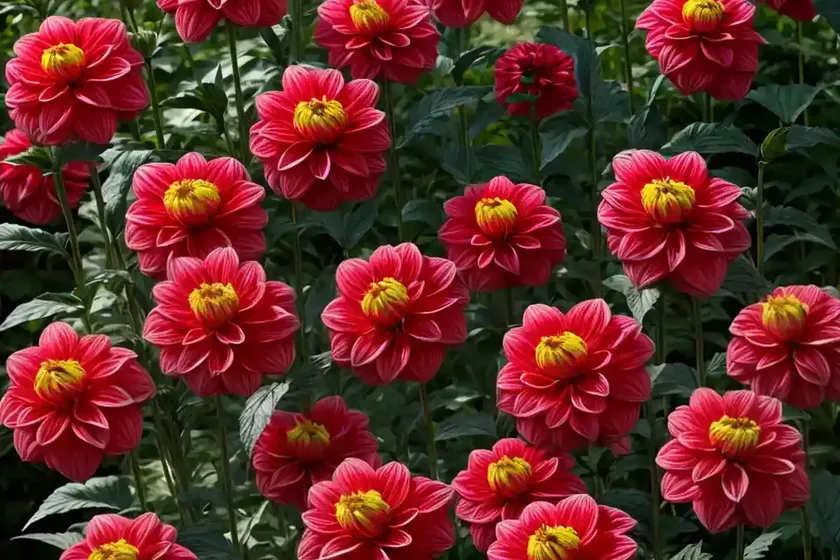
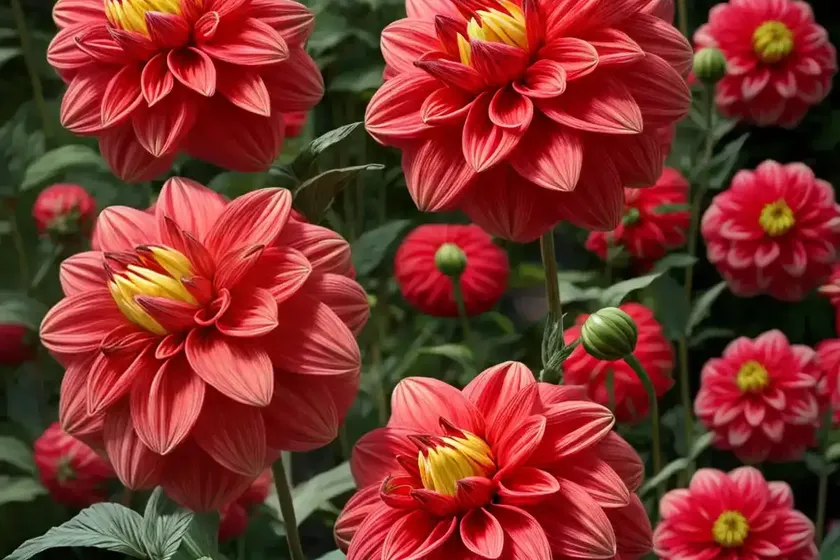
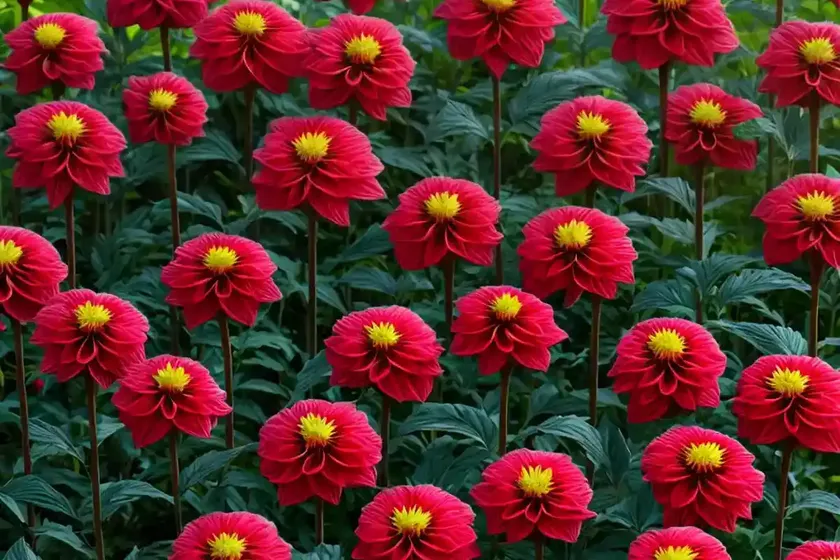
Dahlia coccinea, commonly known as the Scarlet Dahlia, is an exquisite flowering plant that belongs to the Asteraceae family. This vibrant and captivating species is adored by gardeners and horticulturists for its stunning blooms and wide-ranging uses. In this comprehensive guide, we will delve into the diverse aspects of Dahlia coccinea, including its cultural requirements, maintenance, propagation, common diseases, and more. Whether you are a seasoned gardener, a nature enthusiast, or a botanical researcher, this guide aims to provide you with in-depth insights into the compelling world of Dahlia coccinea.
The following are the key sections that we will explore in this guide:
- Introduction to Dahlia coccinea (Scarlet Dahlia)
- Cultural Requirements
- Water
- Sunlight
- Fertilizer
- Soil
- Pruning
- Propagation
- Container Popularity
- Common Diseases
- Disease Diagnosis
- Common Pests
- Botanist’s Tips
- Fun Facts
- Links to External Resources
Introduction to Dahlia coccinea (Scarlet Dahlia)
Dahlia coccinea, also known as the Scarlet Dahlia, is a captivating perennial plant that is native to Mexico and Central America. This species is distinguished by its vibrant, red flowers that bloom in various captivating forms, adding a spectacular and flamboyant touch to gardens, landscapes, and floral arrangements. Its botanical name, ‘Dahlia coccinea,’ is derived from the genus name ‘Dahlia,’ which honors the Swedish botanist Anders Dahl, and the Latin term ‘coccinea,’ which translates to “bright red.”
Key Takeaways – Dahlia coccinea (Scarlet Dahlia)
Before delving into the cultural requirements and maintenance of Dahlia coccinea, let’s explore some key takeaways about this captivating species:
-
Scarlet Dahlia Flower: The flowers of Dahlia coccinea, characterized by their striking scarlet color, are known for their ornamental value and visual appeal. They come in various forms, including single, double, cactus, and ball-shaped blossoms, adding diversity and charm to gardens and landscapes.
-
Dahlia coccinea Plant: This species is a herbaceous perennial, typically reaching a height of 3 to 4 feet. Its sturdy stems and lush foliage provide an excellent backdrop for the stunning red blooms, making it a popular choice for floral displays and garden borders.
-
Scarlet Dahlia Care: To ensure the optimal growth and flowering of Dahlia coccinea, it is essential to provide the right cultural conditions, including appropriate watering, sunlight exposure, soil type, and pruning techniques.
-
Scarlet Dahlia Varieties: While Dahlia coccinea is primarily recognized for its bright red flowers, there are also cultivars and varieties that may feature variations in color, such as pink and orange hues. These variations add to the allure and versatility of this species in horticultural settings.
-
Dahlia coccinea Habitat: In its natural habitat, Dahlia coccinea thrives in moist, well-drained soils and is often found in woodland margins, along streams, and in other semi-shaded locations. Understanding its native habitat can provide valuable insights for its cultivation in diverse environments.
Now that we have gained a broad understanding of the key characteristics of Dahlia coccinea, let’s explore the specific cultural requirements that contribute to its successful growth and development in garden settings.
Cultural Requirements
Water
Proper watering is essential for the health and vitality of Dahlia coccinea. As a plant native to regions with moderate to high rainfall, it thrives in moist conditions. However, it is crucial to avoid waterlogging, as excessive moisture can lead to root rot and other detrimental conditions. When cultivating Dahlia coccinea, gardeners should follow these guidelines for watering:
-
Regular Watering: During the active growing season, which typically spans from spring to fall, it is important to provide consistent moisture to the plant. While the soil should be kept moist, it should not be overly saturated. The frequency of watering will depend on factors such as climate, soil type, and container size.
-
Mulch Application: Applying a layer of organic mulch, such as compost or bark chips, around the base of the plant can help to maintain soil moisture levels and minimize water evaporation. This can be particularly beneficial during periods of prolonged heat or drought.
-
Avoiding Water Stress: Inadequate watering can lead to stress in Dahlia coccinea, resulting in reduced flowering and overall decline in health. Gardeners should monitor the soil moisture regularly and adjust their watering practices based on the plant’s needs.
Sunlight
Dahlia coccinea thrives in an environment that receives ample sunlight, although it can also tolerate partial shade. Adequate sunlight is essential for promoting robust growth and the development of vibrant blooms. Consider the following recommendations for providing the appropriate sunlight exposure:
-
Full Sun Exposure: For optimal flowering and overall vigor, it is advisable to position Dahlia coccinea in a location that receives at least 6 to 8 hours of direct sunlight per day. In regions with intense summer heat, providing partial shade during the hottest part of the day can help protect the plant from sunscald and dehydration.
-
Site Selection: When planting Dahlia coccinea in the garden, select a site that offers good exposure to sunlight while also providing protection from strong winds that can damage the plant’s delicate stems and flowers.
-
Indoor Cultivation: In regions with extreme climates or limited outdoor space, Dahlia coccinea can be cultivated indoors in containers. When grown indoors, it is important to place the plant near a bright, sunny window or provide supplemental lighting to ensure adequate light exposure.
Fertilizer
To support the robust growth and prolific flowering of Dahlia coccinea, it is essential to provide appropriate fertilization. The application of balanced fertilizers can supply essential nutrients and contribute to the overall health and vitality of the plant. Here are some essential points to consider when fertilizing Dahlia coccinea:
-
Balanced Fertilizer: For optimal results, use a balanced, water-soluble fertilizer with equal NPK (nitrogen, phosphorus, and potassium) ratios. This can encourage both foliage growth and flower production, promoting a well-rounded development of the plant.
-
Fertilizer Application: Begin fertilizing Dahlia coccinea in early spring, as the plant emerges from dormancy and enters the active growing phase. Repeat the application every 4 to 6 weeks during the growing season to sustain healthy growth and abundant flowering.
-
Avoid Over-Fertilization: Excessive fertilization can lead to excessive foliage growth at the expense of flowering, as well as potential nutrient imbalances. Follow the recommended guidelines for fertilizer application and avoid overfeeding the plant.
Soil
The right soil conditions are crucial for the successful cultivation of Dahlia coccinea. It thrives in well-drained, fertile soils with a slightly acidic to neutral pH. For gardeners and horticulturists seeking to optimize the growth of this species, the following soil considerations are of utmost importance:
-
Well-Drained Soil: Ensure that the planting site or container provides good drainage to prevent waterlogging and root rot. Amending heavy or compacted soils with organic matter, such as compost or peat moss, can help improve drainage and create a favorable environment for the roots.
-
Fertile Soil Composition: Dahlia coccinea benefits from fertile, nutrient-rich soils that can support its vigorous growth and abundant flowering. Adding organic compost or well-balanced soil amendments can provide essential nutrients and promote healthy development.
-
Soil pH: The optimal soil pH for Dahlia coccinea ranges from 6.0 to 7.0, indicating a slightly acidic to neutral environment. Conducting a soil test can help determine the pH level and guide the necessary adjustments for creating an ideal growing medium.
Pruning
Pruning plays a significant role in maintaining the shape, vitality, and flowering potential of Dahlia coccinea. By employing appropriate pruning techniques, gardeners can manage the plant’s growth and enhance its overall aesthetics. The following guidelines can aid in achieving successful pruning outcomes:
-
Deadheading Blooms: Regularly remove faded or spent blooms to encourage continuous flowering and prevent the plant from expending energy on seed production. Deadheading also contributes to a tidier and more attractive appearance.
-
Pinching Back: Pinching back the growing tips of young Dahlia coccinea plants, when they reach a height of around 12 inches, can promote bushier growth and increased flower production. This practice encourages the development of lateral branches and a fuller, more compact form.
-
Stem Pruning: Occasionally thinning out crowded or crossing stems can improve air circulation and reduce the risk of disease, as well as enhance the plant’s structural integrity. Use sanitized and sharp pruning tools to make clean cuts and minimize the potential for injuries or infections.
Now that we have explored the key cultural requirements for cultivating Dahlia coccinea, let’s delve into the propagation methods for this captivating species, as well as its container popularity and common diseases.
Propagation
Container Popularity
Dahlia coccinea is a popular choice for container gardening, offering an opportunity to showcase its vibrant blooms in various settings, such as patios, balconies, and urban landscapes. When cultivated in containers, this species can thrive under the right conditions and add a captivating touch to any outdoor space. Consider the following recommendations for cultivating Dahlia coccinea in containers:
-
Container Selection: Choose a well-draining container that provides adequate space for the plant’s root system to grow and expand. Select a container with drainage holes to prevent water accumulation, and consider the size of the mature plant when making your choice.
-
Potting Mix: Use a high-quality, well-draining potting mix designed for flowering plants or mix your own blend using components such as peat moss, perlite, and compost. Ensure that the potting mix provides the necessary support and nutrients for healthy plant growth.
-
Watering and Fertilization: Container-grown Dahlia coccinea may require more frequent watering than those planted in the ground, as the soil in containers tends to dry out more quickly. Additionally, regular fertilization can help sustain the plant’s nutrient requirements in the confined space of a container.
-
Sunlight Exposure: Position the container in a location that receives ample sunlight, ensuring that the plant has access to at least 6 to 8 hours of direct sunlight per day. Rotate the container periodically to promote uniform growth and prevent the plant from leaning toward one direction.
-
Overwintering: In regions with cold winters, consider overwintering container-grown Dahlia coccinea by bringing the plant indoors or providing protective measures to safeguard it from frost damage. Proper storage during the dormant season can help preserve the plant for the following year.
Common Diseases
While Dahlia coccinea is generally a resilient and robust species, it may be susceptible to certain diseases under unfavorable growing conditions. Understanding the common diseases that can affect this species is essential for adopting preventive measures and implementing effective treatments when necessary. The following are some of the common diseases that gardeners may encounter when cultivating Dahlia coccinea:
-
Powdery Mildew: Powdery mildew is a fungal disease characterized by the development of a white, powdery growth on the leaves of the plant. It can hinder photosynthesis and weaken the overall health of Dahlia coccinea. To manage powdery mildew, use fungicidal sprays and ensure good air circulation around the plant.
-
Botrytis Blight: Botrytis blight, also known as gray mold, is a fungal disease that causes the development of brown lesions on the plant’s foliage and flowers. Controlling humidity levels, reducing leaf wetness, and practicing proper sanitation can help prevent and manage botrytis blight in Dahlia coccinea.
-
Root Rot: Excessive soil moisture and poor drainage can lead to the onset of root rot in Dahlia coccinea. This condition can cause the plant to wilt, exhibit yellowing foliage, and experience stunted growth. To prevent root rot, avoid overwatering and ensure adequate drainage in the planting site or container.
-
Leaf Spot Diseases: Various fungal and bacterial pathogens can cause leaf spot diseases, leading to the appearance of dark, circular lesions on the leaves of Dahlia coccinea. Maintaining good foliage hygiene, such as removing debris and fallen leaves, and utilizing fungicidal treatments can aid in controlling leaf spot diseases.
Disease Diagnosis
Diagnosing diseases in Dahlia coccinea involves careful observation of the plant’s symptoms and understanding the environmental conditions that may contribute to disease development. When encountering signs of disease, consider the following steps to accurately diagnose and address the issue:
-
Symptom Identification: Observe the plant for the presence of abnormal symptoms, such as discolored or distorted foliage, spotted or withered leaves, and unusual growth patterns. Document the progression of symptoms and any changes in the plant’s overall appearance.
-
Environmental Assessment: Evaluate the growing conditions, including aspects such as watering practices, sunlight exposure, air circulation, and soil quality. Determine whether any factors within the environment may be contributing to the onset of disease.
-
Seeking Expert Advice: In cases where the disease symptoms are unclear or the appropriate course of action is uncertain, consult with a plant pathologist, horticulturist, or experienced gardener for expert guidance on disease diagnosis and management.
-
Implementing Control Measures: Based on the diagnosis of the disease, take appropriate measures to address the issue, such as adjusting cultural practices, applying targeted treatments, and improving growing conditions to promote the plant’s recovery and prevent future disease occurrences.
Common Pests
In addition to diseases, Dahlia coccinea may also face challenges from common pests that can impact its growth and vitality. Knowing how to identify and manage these pests is crucial for maintaining the health of the plant. The following are some of the common pests that may affect Dahlia coccinea:
-
Aphids: Aphids are small, soft-bodied insects that congregate on the foliage and stems of Dahlia coccinea, sucking sap from the plant and causing distortion and discoloration of the leaves. They can be controlled through physical removal, insecticidal soaps, or natural predators such as ladybugs.
-
Spider Mites: Spider mites are tiny arachnids that feed on the plant’s sap, causing stippling and discoloration of the leaves. Increased humidity, regular water sprays, and the introduction of predatory mites can help manage spider mite infestations on Dahlia coccinea.
-
Thrips: Thrips are slender insects that damage the plant by feeding on its tissues, resulting in silvering, stippling, and distortion of the foliage. Controlling thrips may involve the use of insecticidal sprays, regular monitoring, and the removal of infested plant parts.
-
Snails and Slugs: These mollusks can feed on the tender foliage and flowers of Dahlia coccinea, leaving behind irregular-shaped holes and slime trails. Implement protective measures, such as physical barriers, copper tape, or organic baits, to protect the plant from snail and slug damage.
By being proactive in identifying and addressing pest issues, gardeners can help safeguard the health and appearance of Dahlia coccinea, ensuring its uninterrupted growth and flowering.
Now that we have explored the propagation methods, common diseases, and pests that can affect Dahlia coccinea, let’s move on to learn about the botanist’s tips, fun facts, and other fascinating aspects of this captivating species.
Botanist’s Tips
As a beloved species among plant enthusiasts and horticulturalists, Dahlia coccinea offers a myriad of opportunities for cultivation, observation, and appreciation. Here are some valuable botanist’s tips for optimizing the growth and care of this remarkable species:
-
Companion Planting: When integrating Dahlia coccinea into garden designs, consider companion planting with species that share similar cultural requirements and complement its vibrant blooms, such as salvias, yarrows, and ornamental grasses. Companion plants can enhance the visual appeal and ecological balance of the garden.
-
Seasonal Care: Throughout the year, pay attention to the specific seasonal care needs of Dahlia coccinea, including winter protection, spring pruning, and summer watering. Adapting the care routine in response to the changing seasons can promote the plant’s resilience and longevity.
-
Ecological Importance: Acknowledge the ecological role of Dahlia coccinea as a valuable nectar source for pollinators, including bees, butterflies, and hummingbirds. Supporting pollinator-friendly plants such as Dahlia coccinea can contribute to biodiversity and ecosystem health.
-
Native Habitat Insights: Gain insights into the native habitat of Dahlia coccinea, including the environmental conditions, wildlife interactions, and ecological associations that characterize its natural range. This knowledge can inform cultivation practices and deepen an understanding of the species within its broader context.
These botanist’s tips serve as valuable guidelines for approaching the cultivation and appreciation of Dahlia coccinea from a holistic and informed perspective. By incorporating these insights into your horticultural pursuits, you can foster a deeper connection to this captivating species and its botanical intricacies.
Fun Facts
Discovering intriguing and captivating facts about Dahlia coccinea can elevate the appreciation of this species and inspire further curiosity about its unique traits and cultural significance. Here are some fun facts that showcase the captivating nature of Dahlia coccinea:
-
Cultural Symbolism: The striking red blooms of Dahlia coccinea are often associated with symbolism, representing concepts such as passion, strength, and enduring beauty. This symbolic significance has contributed to the popularity of the species in various cultural and artistic contexts.
-
Hybridization Potential: Dahlia coccinea, with its vivid blooms and desirable traits, serves as a valuable candidate for hybridization efforts aimed at developing new cultivars with enhanced attributes, such as unique colors, compact forms, and improved disease resistance.
-
Historical Significance: Throughout history, Dahlia coccinea has been celebrated for its ornamental value and botanical allure, gracing gardens, art forms, and festivities with its alluring presence. Understanding the historical significance of this species can offer insights into its enduring appeal.
-
Photography Inspiration: The vibrant and expressive blooms of Dahlia coccinea make it a popular subject for photography, attracting enthusiasts and professionals seeking to capture its captivating colors, intricate details, and dynamic forms through artistic imagery.
By uncovering these fun facts about Dahlia coccinea, enthusiasts and researchers can gain a broader perspective on the species and appreciate its multifaceted contributions to horticulture and botanical arts.
Links to External Resources
To further enrich your understanding of Dahlia coccinea and explore additional resources, here are some informative links to reputable sources, including botanical organizations, horticultural publications, and online archives:
-
The American Dahlia Society: The official website of the American Dahlia Society provides a wealth of information on Dahlia species, cultivation techniques, and community resources.
-
RHS Gardening – Dahlias: The Royal Horticultural Society offers comprehensive guidance on growing and caring for Dahlia species, including Dahlia coccinea.
-
[Missouri Botanical Garden – Plant