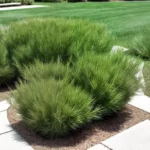
All You Need to Know About Cutgrass (Leersia oryzoides)
In the world of plants, there are numerous species that offer unique qualities and benefits. One such species is the Cutgrass or Leersia oryzoides. This particular plant is known for its ecological importance, landscaping benefits, and medicinal properties. In this comprehensive guide, we will explore everything you need to know about Cutgrass, including its characteristics, cultivation, maintenance, landscaping uses, and much more.
What is Cutgrass (Leersia oryzoides)?
Cutgrass, scientifically known as Leersia oryzoides, is a perennial grass species belonging to the Leersia genus and the Poaceae family. This plant is native to North America and is commonly found in wetland areas, including marshes, swamps, and along the edges of ponds and streams.
Cutgrass is known for its tall, slender stems and graceful, cascading seed heads, making it a visually appealing addition to both natural and landscaped settings. The plant also plays a crucial role in supporting various forms of wildlife and in maintaining the ecological balance of wetland ecosystems.
Key Takeaways
- Common Name: Cutgrass
- Scientific Name: Leersia oryzoides
- Family: Poaceae
- Native Habitat: North America, wetland areas
- Growth Habit: Perennial grass
- Special Characteristics: Tall, slender stems; cascading seed heads.
Now that we have an overview of Cutgrass, let’s delve into the various aspects of its cultivation, maintenance, and uses.
Culture
Before diving into the specifics of growing and maintaining Cutgrass, it’s essential to understand its cultural requirements, including water, sunlight, soil, and fertilizer needs.
Water
Cutgrass is a plant that thrives in wetland environments, and as such, it has a high water requirement. When cultivated in gardens or landscaped areas, it’s crucial to ensure that the plant receives consistent moisture, especially during the growing season. Additionally, Cutgrass can be an excellent choice for rain gardens and areas prone to seasonal flooding, as it can withstand periods of inundation.
Sunlight
In terms of sunlight, Cutgrass prefers full to partial sun. It thrives in locations with ample sunlight, although it can tolerate some shade in certain conditions. When selecting a site for planting Cutgrass, it’s important to prioritize adequate sunlight exposure for optimal growth.
Fertilizer
While Cutgrass is adapted to nutrient-rich wetland soils, it can benefit from a balanced application of fertilizer, particularly in cultivated settings. When planting Cutgrass in gardens or landscape beds, incorporating a slow-release, general-purpose fertilizer into the soil can promote healthy growth and vigor.
Soil
Cutgrass exhibits a preference for moist, rich soils with good drainage. It is commonly found in both sandy and loamy soils in its natural habitat, but it can adapt to a range of soil types, provided they remain consistently moist. For cultivated plantings, it’s advisable to prepare the soil by incorporating organic matter to improve moisture retention and fertility.
Uses
Cutgrass offers a range of uses and benefits, making it a valuable addition to various landscaping and ecological restoration projects.
Landscaping
In landscaping, Cutgrass proves to be a versatile and visually appealing plant. Its graceful form and robust nature make it suitable for incorporating into naturalistic garden designs, pond and wetland landscaping, and rain gardens. In addition to its aesthetic appeal, Cutgrass can also contribute to erosion control and water filtration efforts, particularly in areas with fluctuating water levels.
Wildlife Habitat
Cutgrass plays a crucial role in providing habitat and food sources for various forms of wildlife. Its dense, tufted growth habit offers nesting sites and cover for small mammals, birds, and amphibians, contributing to the overall biodiversity of wetland environments.
Medicinal Properties
Beyond its ecological and landscaping uses, Cutgrass possesses potential medicinal properties. Some traditional herbal practices utilize extracts or preparations from Cutgrass for their potential therapeutic benefits. Research into the medicinal properties of Cutgrass is ongoing, and it represents a promising avenue for future exploration.
Now that we have a foundational understanding of Cutgrass, let’s turn our attention to the specifics of its cultivation, maintenance, common diseases, and more.
Planting Cutgrass (Leersia oryzoides)
Planting and caring for Cutgrass requires a strategic approach to ensure optimal growth and vitality. Here are essential tips for successful cultivation:
Growing Cutgrass (Leersia oryzoides)
Cultivating Cutgrass begins with selecting an appropriate site that meets its cultural requirements. Whether in a garden setting or for landscaping purposes, choosing a location with moist, well-draining soil and adequate sunlight is paramount.
Once the site is chosen, the following steps can guide the process of planting and growing Cutgrass:
-
Seed Selection: Opt for high-quality, viable seeds from a reputable supplier to ensure successful germination and establishment.
-
Site Preparation: Prepare the planting site by clearing it of any debris and weeds. Amend the soil with organic matter to improve its moisture retention and fertility.
-
Seed Planting: Sow the seeds at the recommended depth, typically about 1/4 inch, and lightly cover them with soil. Keep the planting area consistently moist to facilitate germination.
-
Early Care: Monitor the newly planted seeds for germination and water as needed to maintain a moist growing environment. Once established, Cutgrass demonstrates resilience to regular moisture fluctuations.
-
Established Growth: As the plants mature, monitor their growth and address any competing vegetation to ensure optimal development. In natural settings, Cutgrass can integrate into existing wetland ecosystems, while in landscapes, it can thrive in appropriate garden designs and rain gardens.
By following these steps, gardeners and landscapers alike can cultivate healthy stands of Cutgrass, contributing to both ecological and aesthetic enhancements.
Care Tips for Leersia oryzoides
After establishing Cutgrass in the desired location, providing ongoing care and maintenance is essential for the plant’s long-term health. Here are fundamental care tips for Leersia oryzoides:
-
Watering: While Cutgrass can tolerate fluctuating water levels, it benefits from consistent moisture, especially during the growing season. Monitor soil moisture and water as needed to ensure a suitable growing environment.
-
Pruning: Cutgrass generally requires minimal pruning, if any, in naturalized settings. However, in landscaped areas, removing spent seed heads can promote a tidy appearance and prevent unwanted self-seeding.
-
Fertilization: In cultivated settings where soil fertility may be limited, periodic fertilization with a balanced, slow-release fertilizer can support healthy growth.
By addressing these care tips, gardeners and landscape professionals can sustain thriving stands of Cutgrass, harnessing its ecological and landscaping benefits to the fullest extent.
Leersia oryzoides Maintenance
In addition to regular care practices, certain maintenance tasks can help ensure the continued health and vitality of Cutgrass:
-
Monitoring Growth: Regularly observe the growth and vigor of Cutgrass stands, addressing any signs of stress or decline promptly.
-
Weed Control: In gardens and landscape beds, managing competing vegetation is crucial to prevent the encroachment of weeds on Cutgrass stands.
-
Nutrient Management: Monitor soil nutrient levels and adjust fertilization practices as needed to support optimal growth.
By incorporating these maintenance tasks into overall garden or landscape care, individuals can effectively nurture healthy stands of Cutgrass, maximizing its ecological and landscaping benefits.
Best Conditions for Cutgrass Growth
To optimize the growth and development of Cutgrass, it’s important to prioritize the following conditions:
Watering Requirements for Leersia oryzoides
Cutgrass thrives in consistently moist soil conditions, making it well-suited for wetland environments and gardens with reliable access to water. In gardens or landscapes, supplementing natural rainfall with regular watering can help maintain suitable moisture levels for the plant’s growth.
Suitable Soil Conditions for Cutgrass
The ideal soil for Cutgrass cultivation is moist, rich, and well-draining. In its natural habitat, Cutgrass is commonly found in soils ranging from sandy to loamy, as long as they retain moisture and offer good aeration.
Ideal pH Levels for Leersia oryzoides Growth
Cutgrass generally tolerates a wide pH range and can adapt to slightly acidic to neutral soils. A pH level between 6.0 and 7.5 is typically suitable for optimal growth, ensuring that essential nutrients remain available to the plants.
Sunlight and Temperature
Cutgrass thrives in full to partial sun, making it an excellent choice for open, sunny locations with adequate moisture. In terms of temperature, the plant’s adaptability allows it to withstand varying climatic conditions, provided it has access to sufficient water.
By prioritizing these conditions, gardeners and landscapers can create an environment conducive to healthy Cutgrass growth, whether in naturalized or cultivated settings.
Varieties
The Leersia oryzoides species does not exhibit distinct cultivated varieties in the traditional sense, as its natural form and characteristics are highly valued for ecological and landscaping uses. However, the species itself presents inherent variability, contributing to genetic diversity within wild populations.
Propagation
Propagation of Cutgrass can be achieved through seed sowing or division of established clumps:
Tips for Propagating Leersia oryzoides
-
Seed Propagation: Collect mature seeds from existing plants and sow them in prepared soil. Keep the planting area consistently moist to facilitate germination.
-
Division: Divide established clumps of Cutgrass to create new plantings. This method can help expand the presence of Cutgrass in suitable habitats or add it to new landscape designs.
By employing these propagation methods, individuals can propagate Cutgrass to enhance wetland environments, support landscaping projects, or contribute to ecological restoration efforts.
Container Popularity
While Cutgrass is well-suited for cultivation in garden and landscape settings, its popularity in container gardening may be limited due to its high water requirements and expansive growth habits. However, in certain controlled environments, such as large containers or tubs situated in consistently wet conditions, Cutgrass may find suitable applications.
Common Diseases
As with any plant species, Cutgrass is susceptible to certain diseases, particularly those related to excessive moisture and poor air circulation. Common diseases that can affect Cutgrass include:
-
Fungal Infections: Diseases such as leaf spot and root rot can arise in excessively wet conditions, especially if coupled with poor soil drainage.
-
Bacterial Blight: This disease can affect the foliage of Cutgrass, causing wilting and discoloration.
Disease Diagnosis
Diagnosing diseases in Cutgrass involves closely monitoring the plants for signs of distress, including changes in leaf color, wilting, or unusual growth patterns. Additionally, conducting soil tests and assessing environmental conditions can provide valuable insights into potential disease triggers.
Common Pests
While Cutgrass is not highly susceptible to pest infestations, certain insects and pests may impact its growth under favorable conditions. Common pests that can affect Cutgrass include:
-
Aphids: These tiny insects can cluster on the foliage and stems, causing damage to the plants.
-
Scale Insects: Scale insects can infest Cutgrass plants, leading to weakened growth and diminished vitality.
-
Grasshoppers: In outdoor settings, grasshoppers can feed on the foliage of Cutgrass, causing visible damage.
Botanist’s Tips
For individuals interested in cultivating or promoting the growth of Cutgrass, a few essential tips can help optimize the plant’s performance and contribute to its sustainable presence:
-
Promote Wetland Conservation: Recognize and support the ecological importance of Cutgrass in wetland ecosystems, and consider initiatives that enhance or restore these habitats.
-
Monitor Wildlife Interactions: Observe the role of Cutgrass in supporting diverse wildlife and seek opportunities to contribute to habitat conservation efforts.
-
Explore Medicinal Potential: Stay informed about ongoing research into the potential medicinal properties of Cutgrass, particularly in the context of traditional herbal practices and contemporary applications.
Fun Facts
To further appreciate the unique qualities of Cutgrass, consider the following fun facts about the plant:
-
Habitat Engineer: Cutgrass acts as a habitat engineer, shaping and influencing wetland environments through its growth and ecological interactions.
-
Bird Attraction: Cutgrass can attract various bird species, serving as a valuable component of bird-friendly landscapes.
-
Erosion Control: The dense root systems of Cutgrass contribute to erosion control efforts, particularly along waterways and in wetland areas.
Now that we have explored the diverse aspects of Cutgrass, including its cultivation, uses, and ecological significance, it’s important to consider reliable external resources for further information and guidance.
Links to External Resources
For additional insights into Cutgrass (Leersia oryzoides) and related topics, the following external resources can provide valuable information:
- USDA Plants Database
- The Xerces Society for Invertebrate Conservation
- North Carolina State Extension – Plant Disease and Insect Clinic
By exploring these resources, individuals can deepen their understanding of Cutgrass and gain practical knowledge for its cultivation, ecological applications, and landscape integration.
In conclusion, Cutgrass (Leersia oryzoides) embodies a unique blend of ecological significance, landscaping utility, and potential medicinal properties. Whether contributing to wetland conservation, enhancing garden designs, or supporting biodiversity, Cutgrass stands as a distinctive and valuable plant species with much to offer.
As we continue to explore and appreciate the natural world, the inclusion of plants like Cutgrass in our landscapes and conservation efforts adds depth and richness to our environments, fostering both ecological resilience and aesthetic appeal.
Through informed cultivation practices, the recognition of its ecological role, and the exploration of its potential benefits, Cutgrass can remain a steadfast and revered presence in our natural and cultivated landscapes.
Authored by [Your Name]
[Date]