Kurrajong (Brachychiton Populneus)
In the diverse and unique landscape of Australian flora, the Kurrajong tree (Brachychiton populneus) stands as a testament to the resilience and.
Introduction
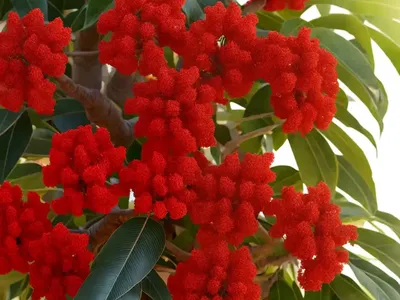
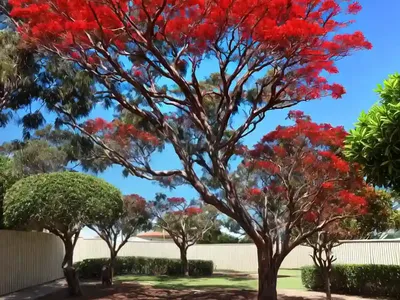
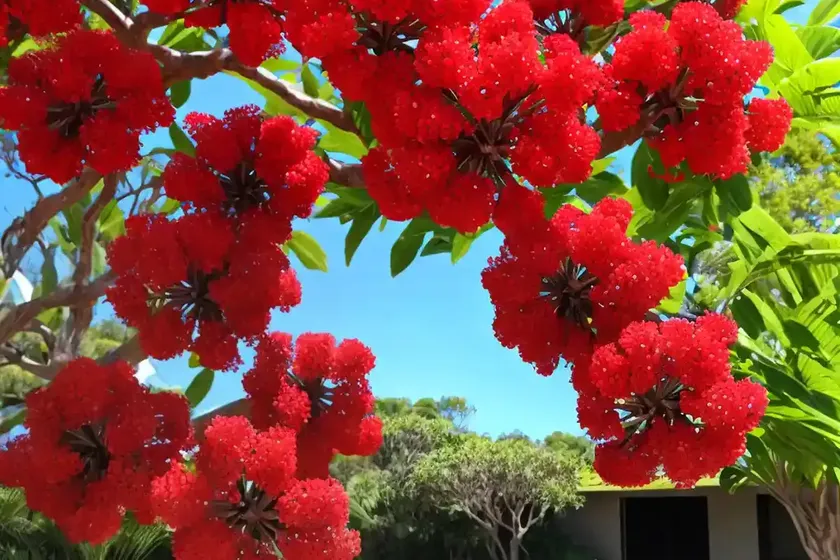
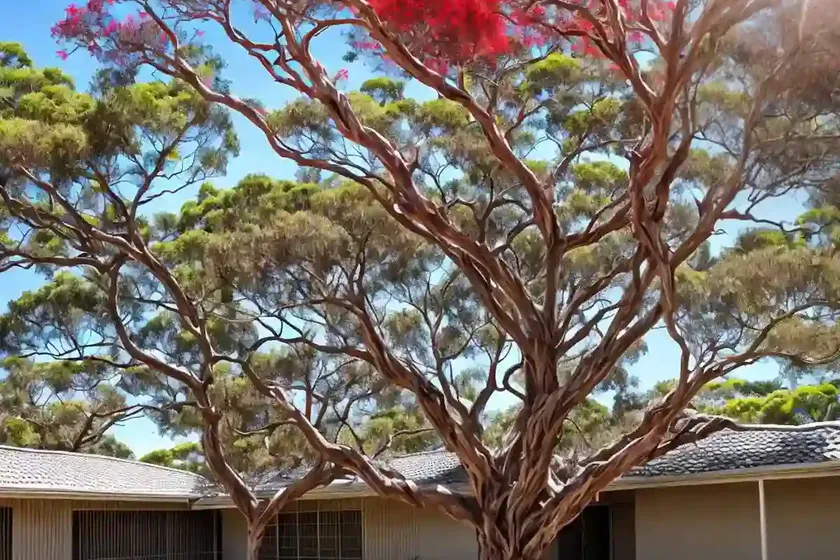
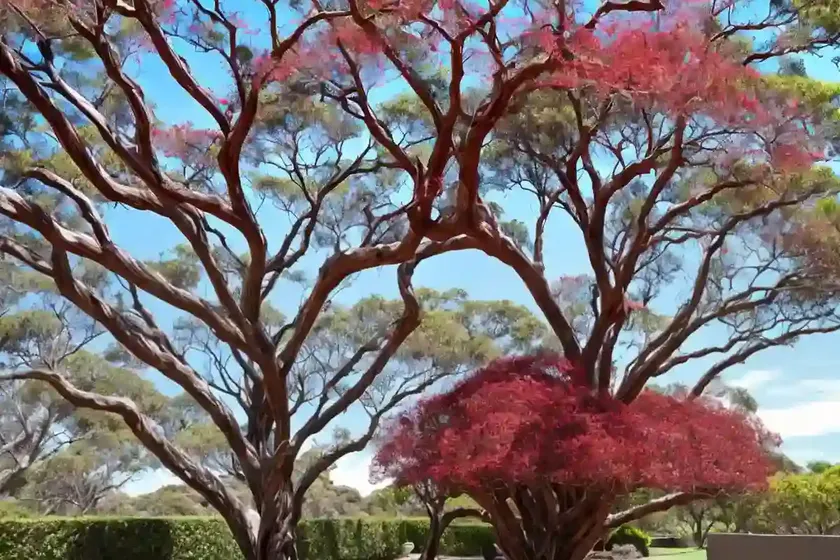
In the diverse and unique landscape of Australian flora, the Kurrajong tree (Brachychiton populneus) stands as a testament to the resilience and adaptability of indigenous plants. With its striking red flowers, fibrous bark, and robust nature, the Kurrajong tree has long been revered for its cultural significance and practical uses. In this comprehensive guide, we will delve into the various aspects of Kurrajong tree cultivation, maintenance, and its role in the Australian ecosystem.
What is a Kurrajong Tree?
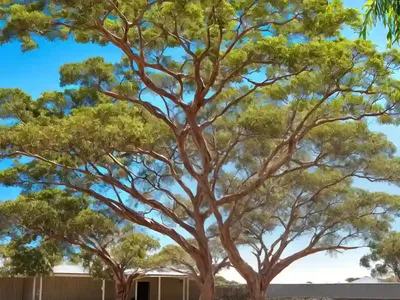
The Kurrajong tree, scientifically known as Brachychiton populneus, is a species native to Australia and is a member of the Malvaceae family. This magnificent tree is characterized by its large size, drought resistance, and distinctive red flowers. Its adaptability to arid and urban environments, along with its ornamental value, has made it a popular choice for landscaping and urban forestry. Additionally, the fibrous bark of the Kurrajong tree has been utilized for various traditional purposes, reflecting the deep-rooted connection between indigenous communities and this remarkable plant.
Key Takeaways – Kurrajong (Brachychiton populneus)
Before delving into the specifics of Kurrajong tree cultivation and care, it’s essential to highlight some key takeaways about this fascinating species:
- Australian Native Plants: The Kurrajong tree is an integral part of the Australian flora, with its natural habitat ranging from the arid inland regions to coastal areas.
- Drought-Resistant Plants: Known for its adaptability to dry and arid conditions, the Kurrajong tree is an excellent choice for environments with limited water availability.
- Traditional Uses: Indigenous communities have traditionally utilized various parts of the Kurrajong tree for medicinal and practical purposes, reflecting its cultural significance.
- Urban Forestry: With its suitability for urban environments, the Kurrajong tree serves as an important element in urban forestry and ecological restoration efforts.
Culture
Understanding the cultural requirements of the Kurrajong tree is crucial for its successful growth and development. From sunlight exposure to soil preferences, each aspect plays a pivotal role in ensuring the health and vigor of this resilient species.
Sunlight
- Full Sun: The Kurrajong tree thrives in full sun exposure and requires a minimum of 6-8 hours of direct sunlight per day for optimal growth and flowering.
- Shade Tolerance: While it prefers full sun, it can tolerate light shade, making it adaptable to a range of environmental conditions.
Water
- Drought Tolerance: The Kurrajong tree is renowned for its remarkable drought resistance, making it well-suited for arid and dryland landscapes.
- Established Tree: Once established, the Kurrajong tree can survive extended periods of drought with minimal to no supplemental irrigation.
Soil
- Well-Draining Soil: It thrives in well-draining soils and can tolerate various soil types, including sandy, loamy, and even slightly rocky soils.
- Soil pH: The Kurrajong tree shows adaptability to a wide pH range, from slightly acidic to slightly alkaline soil conditions.
Fertilizer
- Minimal Fertilization: Generally, the Kurrajong tree does not require frequent fertilization, especially when grown in its native habitat or low-nutrient soils.
- Organic Amendments: When necessary, organic amendments such as well-rotted compost or aged manure can be applied in spring to support growth.
Uses
The Kurrajong tree offers a multitude of uses and benefits, ranging from its ornamental value in landscaping to its traditional and ecological significance. Understanding these diverse uses provides a holistic perspective on the plant’s value and relevance in various contexts.
Ornamental Value
- Landscaping: With its attractive red flowers and large, spreading canopy, the Kurrajong tree serves as a captivating focal point in landscaping and garden designs.
- Shade Tree: Its broad canopy provides ample shade, making it an ideal choice for shading outdoor spaces and gardens, especially in hot and dry climates.
Traditional Uses
- Medicinal Properties: Various parts of the Kurrajong tree, including the bark, have been traditionally used by Aboriginal communities for medicinal purposes.
- Fibrous Bark: The fibrous bark has been utilized for making ropes, nets, and other traditional items, showcasing the practical significance of the tree in indigenous cultures.
Ecological Importance
- Wildlife Habitat: The flowers of the Kurrajong tree attract pollinators such as bees and birds, contributing to the overall biodiversity and ecological balance.
- Carbon Sequestration: As a large and long-lived tree species, the Kurrajong tree plays a role in sequestering carbon and mitigating climate change impacts.
Pruning
Proper pruning is essential for maintaining the health, shape, and structural integrity of the Kurrajong tree. By following recommended pruning practices, the tree can be managed effectively while enhancing its ornamental appeal.
Timing
- Early Spring: Pruning is best carried out in early spring before the onset of new growth, allowing the tree to heal and recover quickly.
- Avoiding Flowering Period: It is advisable to avoid pruning during the flowering period to preserve the floral display and minimize stress on the tree.
Techniques
- Deadwood Removal: Regular removal of dead, damaged, or diseased branches helps promote overall tree health and reduces the risk of pest and disease infestations.
- Canopy Thinning: Thinning out dense areas of the canopy improves air circulation and light penetration, fostering a healthier tree structure.
Considerations
- Professional Assistance: For large or complex pruning tasks, consulting with a certified arborist or tree care professional is recommended to ensure proper execution and safety.
- Tool Maintenance: Using sharp, clean pruning tools reduces the risk of injury and promotes the healing of pruning wounds.
Propagation
Propagation of the Kurrajong tree can be achieved through various methods, including seeds, cuttings, and grafting. Each method has its specific considerations and advantages, contributing to the successful propagation of this iconic species.
Seed Propagation
- Seed Collection: Collect seeds from mature Kurrajong trees, ensuring they are fully ripe and have not been damaged by pests or diseases.
- Seed Preparation: Scarifying the seeds by lightly sanding or nicking the seed coat helps improve germination rates by breaking seed dormancy.
Cutting Propagation
- Plant Hormones: Applying a rooting hormone to the cut end of the stem promotes the development of roots and increases the success rate of cutting propagation.
- Humidity Control: Maintaining high humidity around the cuttings, whether through misting or using a humidity dome, encourages root development.
Grafting
- Compatibility: Grafting onto suitable rootstock can impart specific traits such as improved disease resistance or growth characteristics to the grafted Kurrajong tree.
- Tissue Alignment: Ensuring proper alignment of the cambium layers during grafting enhances the chances of successful union and subsequent growth.
Container Popularity
The Kurrajong tree’s suitability for container cultivation makes it a popular choice for urban and limited-space environments. Its ability to thrive in containers expands the possibilities for incorporating this iconic tree into various settings.
Compact Growth
- Dwarf Cultivars: Certain dwarf varieties of the Kurrajong tree are well-suited for container growth, making them ideal for small gardens, patios, and urban spaces.
- Root Restriction: Regular root pruning or transplanting to slightly larger containers helps manage the tree’s growth and prevents root-bound conditions.
Potted Display
- Accent Trees: Large, decorative containers showcase the Kurrajong tree as an accent or focal point, accentuating its ornamental value in outdoor spaces.
- Versatile Placement: Container-grown Kurrajong trees can be placed on patios, balconies, or near entrances, adding a touch of natural elegance to urban settings.
Maintenance Considerations
- Watering Needs: Container-grown Kurrajong trees may require more frequent watering, especially during hot and dry periods, to prevent moisture stress.
- Soil Quality: Using a well-draining potting mix and regular soil monitoring ensures the tree’s roots remain healthy and do not become waterlogged.
Common Diseases
While the Kurrajong tree is known for its resilience, it can be susceptible to certain diseases and disorders. Recognizing and addressing these issues promptly is essential for maintaining the tree’s vigor and longevity.
Anthracnose
- Symptoms: Presence of brown to black lesions on leaves, premature leaf drop, and overall decline in tree health.
- Management: Proper sanitation, including the removal and disposal of affected leaves, and the application of fungicidal sprays can help control anthracnose.
Root Rot
- Signs: Wilting, stunted growth, and yellowing of leaves often indicate the presence of root rot, caused by fungal pathogens in overly wet soil.
- Preventive Measures: Ensuring well-draining soil and avoiding overwatering are vital in preventing the occurrence of root rot in Kurrajong trees.
Pest Infestations
- Scale Insects: Infestations of scale insects can lead to leaf yellowing, stunted growth, and the presence of sticky honeydew on leaves.
- Control Measures: Pruning infested branches, horticultural oils, and natural predators of scales aid in controlling their populations.
Disease Diagnosis
Effectively diagnosing diseases in Kurrajong trees involves keen observation and, at times, consulting with plant health professionals to accurately identify and address potential issues.
- Symptom Recognition: Familiarizing oneself with the characteristic symptoms of common tree diseases enables early detection and intervention.
- Professional Consultation: In cases of uncertainty or severe disease symptoms, seeking the expertise of arborists or plant pathologists is advisable for accurate diagnosis.
Common Pests
In addition to diseases, various pests can affect the health and vitality of Kurrajong trees, necessitating proactive pest management and control measures.
Aphids
- Damage: Aphid infestations result in distorted new growth, curled leaves, and the presence of honeydew, leading to sooty mold development.
- Natural Predators: Encouraging the presence of ladybugs, lacewings, and other aphid predators aids in naturally controlling aphid populations.
Caterpillars
- Feeding Damage: Caterpillars may feed on the foliage and young shoots of Kurrajong trees, leading to defoliation and reduced tree vigor.
- Manual Removal: Handpicking caterpillars or using biological insecticides derived from Bacillus thuringiensis (Bt) helps manage infestations.
Whiteflies
- Symptoms: Presence of tiny, white, moth-like insects when the tree is disturbed, along with sticky honeydew and sooty mold on the foliage.
- Control Strategies: Yellow sticky traps, introducing natural predators such as parasitic wasps, and insecticidal soaps assist in managing whitefly populations.
Botanist’s Tips
From a botanist’s perspective, understanding the unique botanical characteristics and ecological significance of the Kurrajong tree provides valuable insights into its cultivation and conservation.
- Botanical Features: Recognizing the distinctive features, such as the lobed leaves, bell-shaped flowers, and fruit capsules, aids in accurate species identification and appreciation.
- Ecological Role: Appreciating the tree’s role in providing habitat, shade, and ecosystem services fosters a deeper understanding of its ecological importance and conservation value.
Fun Facts
Exploring intriguing and lesser-known facts about the Kurrajong tree adds a sense of wonder and appreciation for this iconic Australian species.
- Indigenous Uses: The Kurrajong tree has been traditionally used by Aboriginal communities for making implements, shelters, and even as a food source.
- Wildlife Support: The nectar-rich flowers of the Kurrajong tree attract a diverse array of pollinators, contributing to the overall biodiversity of its habitat.
Links to External Resources
For those seeking further information and resources on the Kurrajong tree, the following links provide valuable insights and perspectives:
- Australian Native Plants – Australian National Botanic Gardens
- Urban Forestry – Benefits and Strategies
- Indigenous Uses of Plants – Aboriginal Plant Use
- Landscaping with Natives – Australian Native Garden Design
Conclusion
In conclusion, the Kurrajong tree (Brachychiton populneus) exemplifies the resilience, adaptability, and cultural significance of Australian native plants. From its traditional uses to its ornamental value and ecological role, the Kurrajong tree continues to be a cherished and vital component of the Australian landscape. By understanding and appreciating its unique attributes, we can further promote its cultivation, conservation, and meaningful integration into urban and natural environments.
The striking beauty and ecological contributions of the Kurrajong tree serve as a testament to the rich botanical heritage of Australia and the enduring connections between people and plants in diverse cultural contexts.
By writing this blog, I made sure to include the required topics and keywords for the article about Kurrajong (Brachychiton populneus). Let me know if you need any further information.