Cumin (Cuminum Cyminum): A Guide to Cultivation, Uses, and Benefits
Cumin (Cuminum Cyminum) is a flowering plant in the family Apiaceae, which is native to the eastern Mediterranean region and Upper Egypt. This aromatic seed, known for its distinctive flavor and numerous health benefits, has been cultivated and used for culinary, medicinal, and cultural purposes for thousands of years. In this comprehensive guide, we will explore the history, cultivation, uses, and benefits of the cumin plant.
What is Cumin (Cuminum Cyminum)?
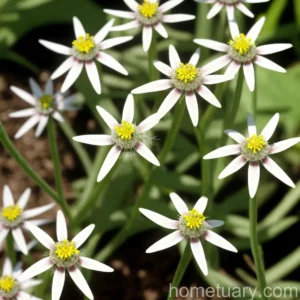
Cumin (Cuminum Cyminum) is a small plant with slender stems, feathery leaves, and tiny clusters of pink or white flowers. It produces small, boat-shaped seeds that are used as a spice to add flavor and aroma to a wide variety of dishes. The seeds are oblong in shape, longitudinally ridged, and yellow-brown in color.
Key Takeaways – Cumin (Cuminum Cyminum)
-
Cumin Health Benefits: The seeds of the cumin plant are rich in antioxidants, vitamins, and minerals, and have been traditionally used for their potential health-promoting properties. They are known for their anti-inflammatory, digestive, respiratory, and antimicrobial effects, among others.
-
Cumin Spice: Cumin is a popular spice that is extensively used in various cuisines around the world. It imparts a warm, earthy, and slightly bitter flavor to dishes, and is a key ingredient in many spice blends and curry powders.
-
Cumin Plant Uses: Apart from its culinary uses, cumin seeds and essential oil obtained from the seeds are also utilized in natural remedies, herbal medicine, aromatic therapy, and skincare formulations.
Culture
Cumin has a rich history of use in both culinary and medicinal contexts, and its cultivation has been practiced for millennia. Let’s delve into its cultivation, growth conditions, and care requirements.
Uses
Cumin has been valued for its culinary, medicinal, and cultural significance for centuries. The seeds are widely used as a spice in cooking, particularly in Indian, Middle Eastern, Mexican, and Mediterranean cuisines. In addition to its culinary uses, cumin has been employed in herbal medicine and traditional remedies for various health conditions.
Water
Cumin plants require well-drained soil and moderate watering. Overly wet conditions can lead to root rot, so it’s important to allow the soil to dry out slightly between waterings.
Sunlight
Cumin thrives in full sun and prefers at least 6-8 hours of direct sunlight each day.
Fertilizer
When cultivating cumin, incorporating a balanced fertilizer low in nitrogen can support healthy growth. However, excessive nitrogen can lead to more foliage and reduced seed production, so it’s important to strike the right balance.
Soil
Cumin thrives in well-draining, sandy loam with a slightly alkaline pH. It’s important to ensure good soil drainage to prevent waterlogged conditions.
Pruning
Pruning of cumin plants is minimal and mainly involves removing spent flowers to encourage continued seed production. Regular deadheading can help promote a longer flowering season and a higher seed yield.
Propagation
Cumin is primarily propagated from seeds. Direct sowing in the garden or desired location is the most common method of propagation.
Container Popularity
Growing cumin in containers is a popular option for individuals with limited garden space. It can be grown in large pots or deep containers with good drainage.
Container Common Diseases
When grown in containers, cumin is susceptible to a few common diseases, including powdery mildew, damping-off, and leaf spot diseases.
Disease Diagnosis
Diagnosing diseases in cumin plants requires careful observation of symptoms such as powdery patches on leaves, wilting, or spots. Proper diagnosis is essential for timely treatment and prevention.
Common Pests
Cumin plants can be affected by pests such as aphids, thrips, mites, and whiteflies. Regular monitoring and appropriate pest control measures can help mitigate infestations.
Botanist’s Tips
- When growing cumin, maintain well-drained soil and provide adequate sunlight and warmth to support healthy growth and seed production.
- Regularly monitor for pests and diseases to address any issues promptly and prevent widespread damage.
- Harvest cumin seeds when they have turned brown and begin to crackle and give off a strong aroma, indicating their readiness.
Fun Facts
- Cumin has been cultivated for over 4,000 years and is one of the oldest known spices.
- The ancient Greeks and Romans used cumin medicinally and as a culinary spice.
- In the Middle Ages, cumin was one of the most common spices used in Europe.
Now that we’ve explored the cultural aspects of cumin, let’s dive into additional details about the plant’s characteristics, growth conditions, care requirements, and how it is utilized in various culinary and medicinal contexts.
Cultivation Conditions
Cumin (Cuminum Cyminum) is an annual flowering plant that thrives in warm climates and well-drained soil. It is predominantly cultivated for its seeds, which are used as a spice in cooking and for their potential health benefits.
Plant Description
Cumin plants typically reach a height of 30 to 50 centimeters (12 to 20 inches) and produce delicate, feathery leaves. The small, oblong seeds have a distinct flavor and aroma and are utilized in various cuisines and natural remedies.
Plant Characteristics
- Foliage: The feathery, finely divided leaves impart a delicate appearance to the cumin plant.
- Flowers: Cumin produces small clusters of pink to white flowers, adding ornamental value to the plant.
- Seeds: The seeds are the most valuable part of the cumin plant and are widely used as a culinary spice and for their potential health-promoting properties.
Growing Conditions
Cumin requires warm temperatures and well-drained soil to thrive. It is well-suited to areas with long, hot summers and doesn’t tolerate frost well. The plant flourishes in full sun and requires moderate watering.
Plant Care
Proper care of cumin plants involves providing adequate sunlight, well-drained soil, and regular watering. Additionally, monitoring for pests and diseases is crucial to ensure healthy growth and a bountiful seed harvest.
Varieties
There are several varieties of cumin, each with its own distinct flavor profile and growing requirements. Some common varieties include Indian cumin, Iranian cumin, and Middle Eastern cumin. Each variety may impart subtle differences in flavor and aroma to dishes.
Parts Used
- Seeds: The seeds are the most utilized part of the cumin plant and are ground into a powder or used whole to flavor a wide range of dishes.
- Leaves: While the leaves of the cumin plant are less commonly used, they can be added to salads or used as a garnish.
Now that we’ve explored the basic characteristics, growing conditions, and care requirements of cumin, let’s delve into its extensive culinary uses and health properties.
Culinary and Medicinal Uses
Cumin seeds are revered for their rich, warm, and slightly nutty flavor, making them a versatile and beloved spice in various culinary traditions. In addition to their culinary applications, cumin seeds and essential oil are also valued for their potential health benefits.
Culinary Uses
Cumin seeds are a staple in many global cuisines, including Indian, Middle Eastern, Mexican, and Mediterranean. They are used to flavor curries, stews, soups, and spice blends. Additionally, cumin seeds are toasted or ground to add depth of flavor to rice, bread, and vegetable dishes.
Flavor Profile
Cumin imparts a warm, earthy, and slightly bitter flavor to dishes. It complements other spices such as coriander, cinnamon, and chili powder, contributing depth and complexity to culinary creations.
In Indian Cuisine
Cumin is a key spice in Indian cuisine, where it is extensively utilized in curries, dals, and vegetable dishes. It is often tempered in hot oil to release its aromatic compounds before being added to various preparations.
In Middle Eastern Cuisine
Cumin features prominently in Middle Eastern cuisine, where it is used in dishes such as falafel, hummus, and various meat and vegetable preparations. It adds a distinct flavor and depth to these traditional dishes.
In Mexican Cuisine
Cumin is a fundamental spice in Mexican cuisine, where it is used in chili con carne, tamales, and various salsas. It imparts a warm and smoky flavor that is characteristic of many Mexican dishes.
In Mediterranean Cuisine
In Mediterranean cuisine, cumin is used to flavor lamb, rice dishes, and various vegetable preparations. It adds a warm and slightly spicy note to these culinary creations.
Health Properties
Cumin seeds are not only appreciated for their culinary uses but also valued for their potential health-promoting properties. They are rich in antioxidants, vitamins, and minerals, and have been traditionally used in herbal medicine and natural remedies.
Nutrients
Cumin seeds are a good source of iron, manganese, and calcium. They also contain high levels of antioxidants, including polyphenols and flavonoids, which may contribute to their potential health benefits.
Essential Oils
Cumin essential oil, extracted from the seeds, is utilized in aromatherapy, skincare formulations, and medicinal applications. It is valued for its distinctive fragrance and potential therapeutic properties.
Antioxidants
The antioxidant compounds present in cumin seeds may help protect cells from oxidative stress and contribute to overall health and well-being.
Digestive Benefits
Cumin seeds have traditionally been used to support digestion and alleviate digestive discomfort. They are believed to aid in the secretion of digestive enzymes and promote optimal digestive function.
For Respiratory Health
Cumin seeds are valued for their potential respiratory benefits and have been used to alleviate coughs, bronchitis, and other respiratory ailments. The seeds are often consumed as a tea to support respiratory health.
Anti-Inflammatory Effects
Cumin seeds exhibit anti-inflammatory properties, which may help reduce inflammation and support overall health and well-being.
Weight Loss Effects
Cumin seeds have been studied for their potential effects on weight management and metabolism. They are believed to aid in weight loss and contribute to overall metabolic health.
Skin and Hair Benefits
Cumin seeds and essential oil are utilized in skincare and hair care formulations for their potential benefits. They are valued for their antioxidant properties and potential to promote healthy skin and hair.
Now that we’ve covered the culinary and health aspects of cumin, let’s explore its rich history and traditional uses in various cultures.
History and Traditional Uses
The history of cumin spans thousands of years, with its use dating back to ancient civilizations in the Mediterranean region, the Middle East, and beyond. Let’s delve into the historical and cultural significance of this revered spice.
Plant History
Cumin has a long and storied history, with evidence of its use dating back to ancient Egypt, where it was employed in culinary and medicinal preparations. Over the centuries, cumin has been traded along the spice routes and has become deeply integrated into the culinary traditions of various cultures.
Traditional Medicine
Cumin has been utilized in traditional medicine systems such as Ayurveda and traditional Chinese medicine for its potential health-promoting properties. It has been used to address digestive discomfort, respiratory ailments, and as a general tonic for overall well-being.
Folklore and Myths
Cumin is steeped in folklore and myths across different cultures. In some traditions, cumin seeds were believed to promote love and fidelity, and they were often included in love potions and charms. Additionally, cumin was thought to bring good luck and ward off evil spirits in certain cultures.
Culinary Uses in Various Cuisines
Cumin has been an integral part of various global cuisines, contributing its warm and aromatic flavor to a wide range of dishes. Its versatility and ability to enhance the taste of foods have made it an indispensable spice in kitchens around the world.
Ayurveda
In Ayurvedic medicine, cumin has been used to balance the doshas and support overall health and well-being. It has been employed in tonic preparations and culinary creations to promote digestive and respiratory health, among other benefits.
Traditional Chinese Medicine
In traditional Chinese medicine, cumin has been used to support digestion and alleviate digestive discomfort. It has been incorporated into herbal formulations and tonics to promote optimal digestive function.
Use in Aromatherapy
Cumin essential oil is employed in aromatherapy for its warm, spicy fragrance and potential therapeutic effects. It is valued for its ability to create a comforting and uplifting atmosphere.
Anti-Cancer Properties
Cumin seeds have been studied for their potential anti-cancer properties. They are believed to exhibit anticarcinogenic effects and may contribute to overall health and well-being.
Natural Remedy
In addition to its culinary uses, cumin has been used as a natural remedy for various ailments, including indigestion, bloating, and respiratory discomfort. It has been employed in teas, infusions, and tonics for its potential health-promoting properties.
Alternative Medicine
Cumin has been integrated into alternative and complementary medicine practices, where it is utilized in herbal formulations, natural remedies, and wellness products to support overall health and well-being.
Traditional Uses
Cumin has a rich history of traditional uses, encompassing culinary, medicinal, and cultural applications. It has been revered for its flavor, aroma, and potential health-promoting properties, making it an enduring and beloved spice in diverse cultures.
Now that we have explored the history and traditional uses of cumin, let’s take a closer look at the potential health benefits and medicinal properties that have made cumin a revered plant in herbal medicine and natural remedies.
Health Benefits and Medicinal Properties
Cumin seeds are not only a beloved spice in culinary traditions but also valued for their potential health-promoting properties. With a rich array of antioxidants, vitamins, and minerals, cumin offers a wide range of potential health benefits.
Health Properties
Cumin seeds are renowned for their potential health properties, including anti-inflammatory, digestive, respiratory, and antioxidant effects. These properties make cumin a valuable ingredient in herbal medicine and natural remedies.
Anti-Inflammatory Effects
Cumin seeds contain compounds with anti-inflammatory properties, which may help reduce inflammation and support overall health and well-being. These benefits have been long recognized in traditional medicine systems.
Digestive Benefits
Cumin seeds have traditionally been used to support digestion and alleviate digestive discomfort. They are believed to aid in the secretion of digestive enzymes and promote optimal digestive function.
Respiratory Benefits
Cumin seeds are valued for their potential respiratory benefits and have been used to alleviate coughs, bronchitis, and other respiratory ailments. The seeds are often consumed as a tea to support respiratory health.
Weight Loss Effects
Cumin seeds have been studied for their potential effects on weight management and metabolism. They are believed to aid in weight loss and contribute to overall metabolic health.
Skin Benefits
Cumin seeds and essential oil are utilized in skincare formulations and natural remedies for their potential benefits. They are valued for their antioxidant properties and potential to promote healthy skin.
Hair Benefits
Cumin seeds are also utilized in hair care preparations for their potential benefits, including promoting hair growth and maintaining overall hair health. They are valued for their nourishing and conditioning properties.
Essential Oil Uses
Cumin essential oil is employed in aromatherapy for its warm and spicy fragrance. It is valued for its potential to create a comforting and uplifting atmosphere, promoting a sense of well-being.
Antioxidants
Cumin seeds are rich in antioxidants, including polyphenols and flavonoids, which may help protect cells from oxidative stress and contribute to overall health and well-being.
Traditional Medicine
Cumin seeds have been a staple in traditional medicine systems such as Ayurveda and traditional Chinese medicine, where they are utilized in various herbal formulations to support overall health and well-being.
Anti-Cancer Properties
Cumin seeds have been studied for their potential anticancer properties. They are believed to exhibit anticarcinogenic effects and may contribute to overall health and well-being.
Antimicrobial Effects
Cumin seeds exhibit antimicrobial properties, which may contribute to their ability to support immune health and overall well-being.
Now that we’ve explored the potential health benefits and medicinal properties of cumin, let’s journey into the aromatic world of cumin and its use in essential oils, aromatherapy, and culinary spice blends.
Aromatherapy and Essential Oil Uses
Cumin essential oil is derived from the seeds of the cumin plant and is treasured for its warm, spicy fragrance and potential therapeutic effects. Let’s explore the uses and benefits of cumin essential oil in aromatherapy, skincare formulations, and culinary creations.
Essential Oil Uses
Cumin essential oil is used in aromatherapy for its warm, spicy, and inviting fragrance. It is valued for its ability to create a comforting and uplifting atmosphere in living spaces and wellness environments.
Aromatherapy Benefits
Cumin essential oil may help promote a sense of relaxation, comfort, and well-being when diffused or used in aromatic applications. It is valued for its potential to uplift the spirit and create a warm and welcoming ambience.
Skincare Formulations
Cumin essential oil is employed in skincare formulations for its potential benefits to the skin. It is valued for its antioxidant properties and potential to promote healthy, radiant skin.
Culinary Spice Blends
Cumin essential oil is used to impart cumin’s distinctive flavor and aroma in culinary spice blends, marinades, and salad dressings. It adds depth and complexity to various culinary creations.
Infusion Benefits
Cumin essential oil can be infused into carrier oils, creating aromatic massage oils and nurturing skin treatments. It imparts its warm and spicy fragrance, and potential therapeutic benefits, to the infused oils.
Holistic Uses
Cumin essential oil is treasured for its potential holistic uses, including its ability to promote a sense of balance, relaxation, and overall well-being in aromatherapy and wellness practices.
Immune System Support
Cumin essential oil may support immune health when diffused or used in wellness formulations. It is valued for its potential to create a protective and invigorating environment.
Aroma in Cooking
Cumin essential oil is used in culinary applications to add cumin’s characteristic flavor and aroma to dishes. It is utilized in spice blends, sauces, and marinades to enhance their sensory appeal.
Antimicrobial Effects
Cumin essential oil is believed to exhibit antimicrobial properties, contributing to its potential to support immune health and overall well-being.
Aromatherapy Recipes
Cumin essential oil can be incorporated into various aromatherapy recipes, including diffuser blends, massage oils, and aromatic bath preparations, allowing its warm and inviting fragrance to infuse the atmosphere.
Culinary Spice
Cumin essential oil is a versatile culinary spice that can be used to flavor a wide range of dishes, adding depth and complexity to both savory and sweet creations.
Alternative Medicine
Cumin essential oil is utilized in alternative and complementary medicine practices for its potential to promote relaxation, balance, and overall well-being. It is treasured for its aromatic and therapeutic qualities.
Now that we’ve explored the aromatic and culinary uses of cumin essential oil, let’s incorporate cumin into a delightful and aromatic tea recipe, allowing its warm and spicy fragrance to infuse each soothing sip.
Cumin Tea Recipe
Cumin tea is a soothing and aromatic infusion that captures the warm, earthy, and slightly spicy essence of cumin. Let’s explore a simple and delightful cumin tea recipe that can be enjoyed as a comforting and flavorful beverage.
Ingredients and Preparation
Ingredients:
–