Ctenanthe Pilosa (Ctenanthe Pilosa)
Ctenanthe pilosa, commonly known as Ctenanthe or Never-Never Plant, is a striking plant celebrated for its ornate foliage and low-maintenance care.
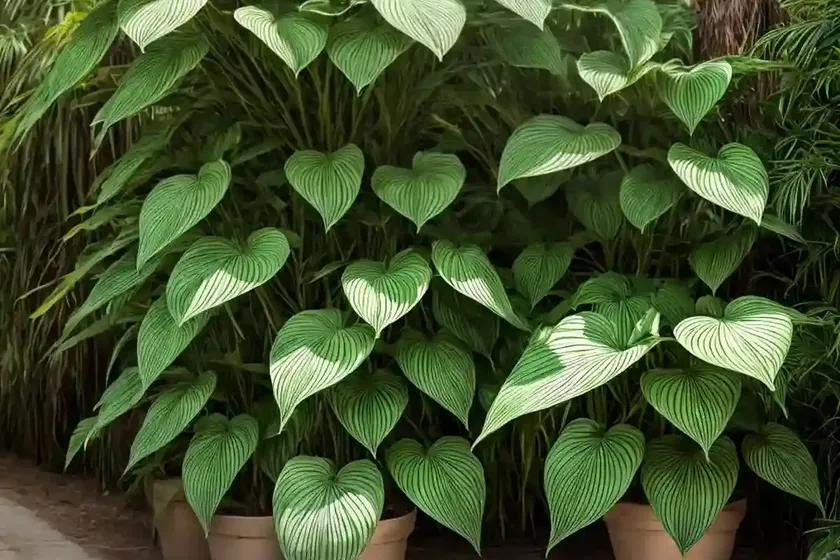
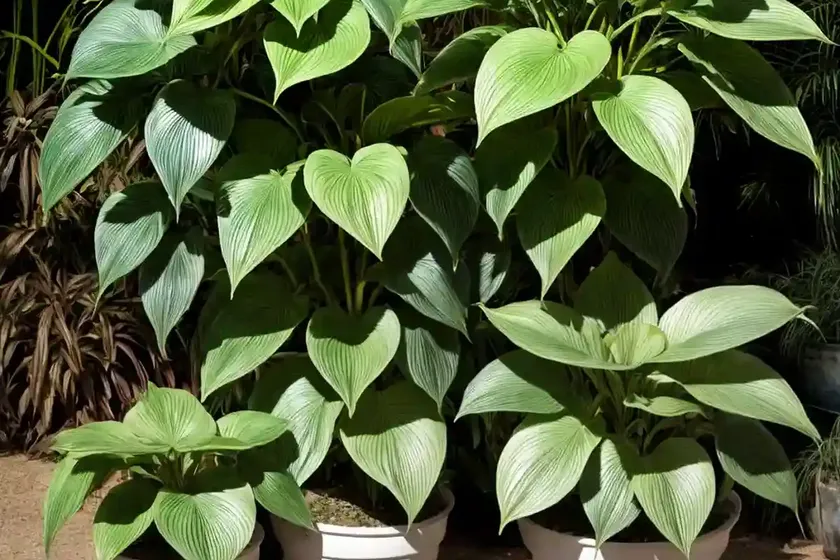
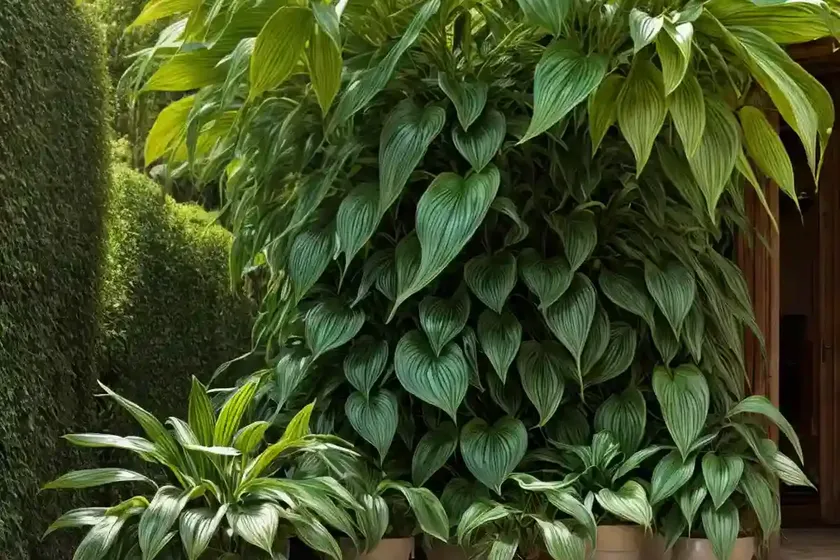
Ctenanthe pilosa, commonly known as Ctenanthe or Never-Never Plant, is a striking plant celebrated for its ornate foliage and low-maintenance care requirements. Originating from the tropical regions of South America, it belongs to the Marantaceae family, which also includes the Calathea and Stromanthe plants.
This comprehensive guide will delve into the cultivation, propagation, and varieties of Ctenanthe pilosa, along with its cultural significance, uses, and the common diseases and pests affecting the plant. Whether you’re a novice indoor gardener or a seasoned horticulture enthusiast, this article is designed to provide all the essential information for nurturing and appreciating the Ctenanthe pilosa plant.
What is Ctenanthe Pilosa?
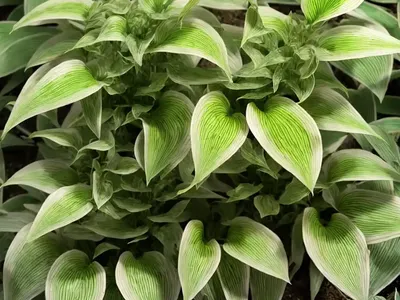
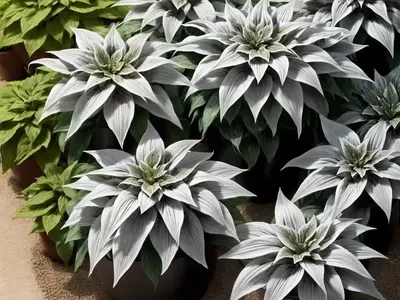
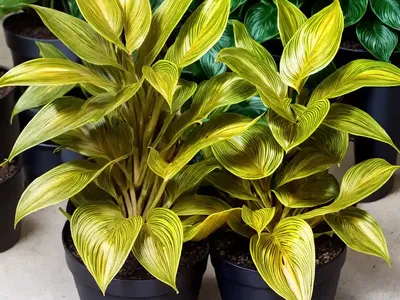
Ctenanthe pilosa, recognized for its vibrant and distinct foliage, is an evergreen perennial native to the tropical rainforests of Brazil. It has a clumping growth habit and typically reaches a height of 12-24 inches when cultivated indoors. As a popular choice for indoor plant enthusiasts, Ctenanthe pilosa is prized for its elegant, elongated leaves marked with intricate patterns that add an exotic touch to any indoor space.
Key Takeaways
Here are the key takeaways before we delve into the detailed care and maintenance guidance for Ctenanthe pilosa:
- Ctenanthe Pilosa Care: Understanding the specific care requirements for Ctenanthe pilosa is crucial to its successful growth and longevity.
- Propagation: Learn about the different methods of propagating Ctenanthe pilosa to expand your plant collection or share with fellow enthusiasts.
- Varieties: Explore the diverse range of Ctenanthe pilosa varieties that offer unique leaf patterns and colors.
- Cultural Significance: Discover the historical and cultural significance of Ctenanthe pilosa, along with its traditional uses and symbolism.
- Common Diseases and Pests: Identifying and addressing common diseases and pests is essential for maintaining the health and vibrancy of Ctenanthe pilosa.
Now, let’s explore in detail the various aspects of cultivating and caring for Ctenanthe pilosa.
Culture
Water
Ctenanthe pilosa thrives in consistently moist, but not waterlogged, soil. It’s essential to water the plant when the top inch of the soil feels dry to the touch. During the growing season (spring and summer), aim to keep the soil evenly moist, but avoid allowing water to accumulate in the plant’s saucer as this can lead to root rot.
Ctenanthe Pilosa Watering: Regular watering is essential to maintain the plant’s optimal moisture levels and promote healthy growth.
Sunlight
In its natural habitat, Ctenanthe pilosa is accustomed to dappled or indirect sunlight. When cultivating it indoors, ensure it is placed in a location with bright, indirect light to mimic its native environment. Direct sunlight can scorch its delicate leaves, while low light conditions may result in diminished foliage vibrancy.
Ctenanthe Pilosa Light Requirements: Position the plant in a spot with bright, indirect light to enhance its growth and leaf coloration.
Fertilizer
During the active growing season, which typically spans from spring to early autumn, feed Ctenanthe pilosa with a balanced, water-soluble fertilizer every 4-6 weeks. It’s essential to dilute the fertilizer to half strength to prevent over-fertilization, which can lead to leaf burn and other detrimental effects.
Ctenanthe Pilosa Nutrients: Providing the plant with balanced fertilizer supports its healthy growth and leaf development.
Soil
The ideal soil mix for Ctenanthe pilosa should offer excellent drainage while retaining adequate moisture. A combination of peat-based potting mix enriched with perlite or coarse sand proves effective in ensuring proper aeration and moisture retention for the plant’s root system.
Ctenanthe Pilosa Soil: Well-draining, peat-based potting mix supplemented with perlite or sand creates an ideal environment for Ctenanthe pilosa’s roots.
Pruning
Regular pruning of dead or damaged leaves is essential for maintaining the plant’s aesthetic appeal and overall health. Use clean, sharp scissors to carefully remove any discolored or withered leaves, ensuring that the cuts are made close to the base of the stems.
Ctenanthe Pilosa Pruning: Periodic pruning plays a vital role in sustaining the plant’s visual allure and eliminating diseased foliage.
Propagation
Ctenanthe pilosa can be propagated through division or stem cuttings. Dividing the plant during its repotting process allows for the creation of new plants, while stem cuttings with at least two nodes can be rooted in a moist, well-draining potting mix to produce new Ctenanthe pilosa specimens.
Ctenanthe Pilosa Propagation: Exploring the propagation methods enables plant enthusiasts to expand their collection and share the beauty of Ctenanthe pilosa.
Container Popularity
Due to its compact size and ornamental foliage, Ctenanthe pilosa is an immensely popular choice for indoor containers. It adds a touch of elegance and a tropical ambiance to any interior space, making it an appealing option for both amateur and experienced indoor gardeners.
Ctenanthe Pilosa Container Gardening: The plant’s compact nature and captivating foliage make it a sought-after choice for indoor container gardening.
Common Diseases and Pests
Disease Diagnosis
Ctenanthe pilosa is susceptible to fungal diseases such as leaf spot and root rot, particularly in conditions of excessive moisture or poor air circulation. Symptoms of fungal diseases include brown, water-soaked spots on leaves and wilting foliage. Proper watering practices and adequate ventilation can help prevent these diseases.
Ctenanthe Pilosa Diseases: Understanding the symptoms of common diseases equips plant enthusiasts to implement preventative measures and timely treatments.
Common Pests
The most prevalent pests that affect Ctenanthe pilosa include spider mites, aphids, and mealybugs. Regularly inspect the plant for any signs of pest infestations, such as webbing, stippled leaves, or sticky residue. Neem oil or insecticidal soap applications can effectively control these pests without harming the plant.
Ctenanthe Pilosa Pests: Vigilant monitoring and appropriate pest management strategies are essential for protecting Ctenanthe pilosa from common pests.
Botanist’s Tips
- Humidity Maintenance: Ctenanthe pilosa thrives in environments with high humidity. Placing a humidifier near the plant or regularly misting its foliage helps create the optimal humidity levels.
- Leaf Movement: The leaves of Ctenanthe pilosa exhibit notable “prayer plant” behavior, where they open during the day and close at night. This distinctive movement is a fascinating aspect of the plant’s natural behavior.
- Temperature Tolerance: While Ctenanthe pilosa prefers temperatures ranging from 65°F to 75°F (18°C to 24°C), it can tolerate slight fluctuations, provided it is shielded from drafts and sudden temperature extremes.
Fun Facts
Ctenanthe pilosa offers a multitude of fascinating aspects that enrich its appeal. Here are a few intriguing facts about this captivating plant:
- The plant’s species name, “pilosa,” is derived from the Latin word for “hairy,” alluding to the fine, downy hairs on its stems and foliage.
- Ctenanthe pilosa is revered for its air-purifying qualities, making it a valuable addition to interior spaces, particularly in urban environments where air quality may be a concern.
- In Brazil, where Ctenanthe pilosa is native, it is often cultivated as a decorative plant for its vibrant foliage and low-maintenance care requirements.
Links to External Resources
For further information on Ctenanthe pilosa care, propagation, and broader insights into its natural habitat and special features, refer to the following authoritative resources:
- The Royal Horticultural Society – Ctenanthe Pilosa
- University of Florida IFAS Extension – Ctenanthe Cultivation Guide
By understanding the unique requirements of Ctenanthe pilosa and appreciating its distinctive foliage, plant enthusiasts can enjoy the vibrancy and elegance this tropical gem provides to indoor spaces. Through proper care, maintenance, and a keen awareness of potential challenges, cultivating and nurturing Ctenanthe pilosa can be a rewarding experience that brings a touch of the tropics into the heart of any home.
The intricate patterns of its leaves, combined with its air-purifying qualities, make it a compelling choice for those seeking a visually stunning, low-maintenance plant. Embracing the nuances of Ctenanthe pilosa care allows individuals to foster a deeper connection with nature and enjoy the myriad benefits this captivating plant has to offer.