Ctenanthe (Ctenanthe Lubbersiana)
Plants have a remarkable way of enhancing our living spaces while also contributing to our mental and physical well-being. Ctenanthe lubbersiana, with its.
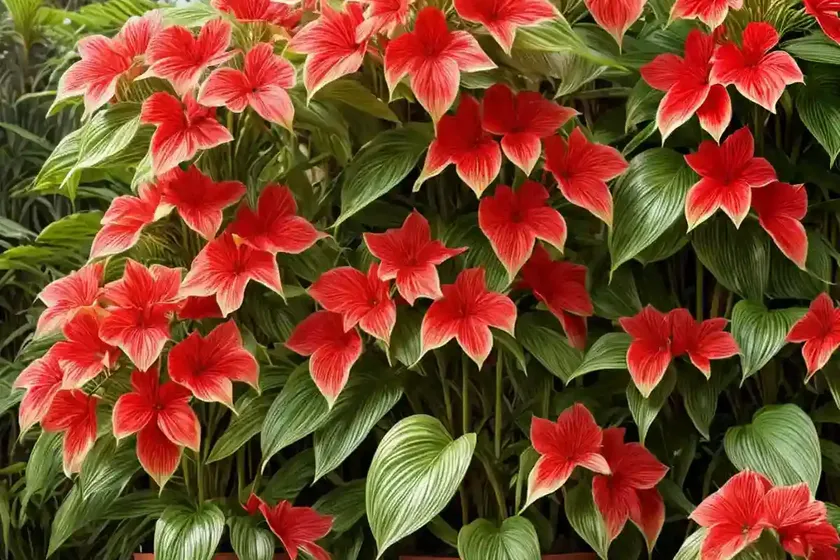
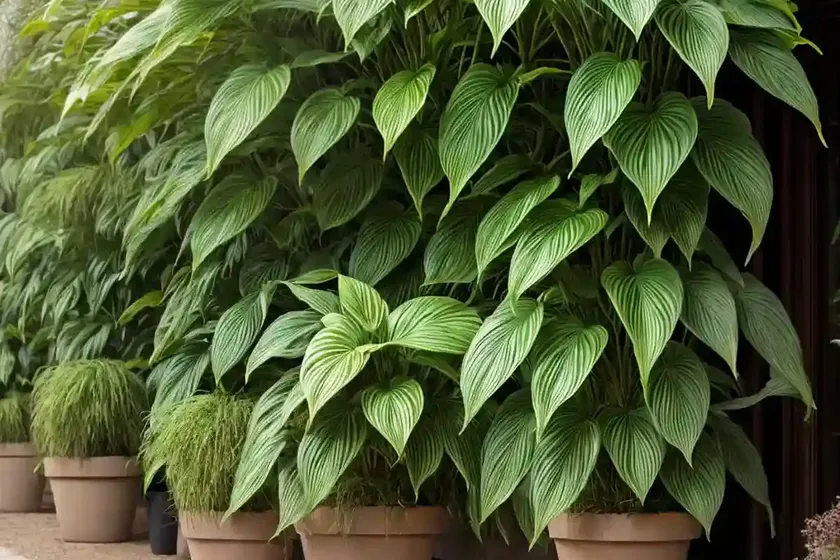
Plants have a remarkable way of enhancing our living spaces while also contributing to our mental and physical well-being. Ctenanthe lubbersiana, with its striking foliage and ease of care, has gained popularity as an indoor houseplant. In this comprehensive guide, we will explore everything you need to know about caring for Ctenanthe lubbersiana to ensure its health and vitality in your living space.
What is Ctenanthe lubbersiana?
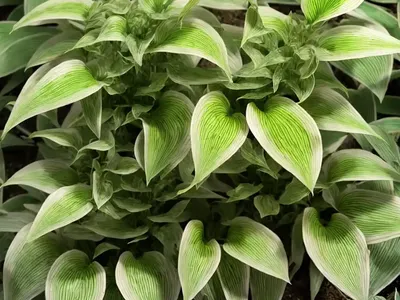
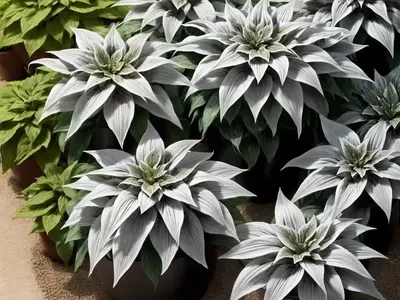
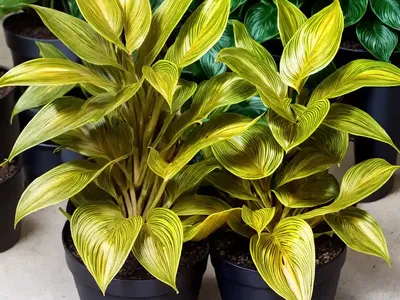
Ctenanthe is a genus of flowering plants in the Marantaceae family, which is native to the tropical regions of Central and South America. The Ctenanthe lubbersiana, commonly known as the “Bamburanta,” is a stunning member of this genus known for its vibrant, variegated foliage. Its leaves exhibit a captivating pattern of deep green, light green, and silver hues, making it a popular choice for indoor plant enthusiasts.
Ctenanthe lubbersiana possesses a unique characteristic known as nyctinasty, where its leaves open and close in response to changes in light and environmental conditions. This natural behavior adds an element of dynamism to its visual appeal, making it an engaging plant to observe in any indoor setting.
Key Takeaways – Ctenanthe (Ctenanthe lubbersiana)
Before delving into the specifics of Ctenanthe lubbersiana care, let’s outline the key takeaways associated with this captivating plant:
- Ctenanthe lubbersiana is known for its vibrant, variegated foliage, making it an attractive addition to indoor spaces.
- The plant exhibits nyctinasty, with its leaves opening and closing in response to changes in light and environmental conditions.
- Proper care for Ctenanthe lubbersiana involves managing its water, sunlight, fertilizer, soil, and humidity requirements.
- Understanding common diseases and pests that may affect Ctenanthe lubbersiana is essential for maintaining its health and vitality.
- With the right care and maintenance, Ctenanthe lubbersiana can thrive as a visually stunning and beneficial addition to indoor environments.
With these key takeaways in mind, let’s explore the essential elements of caring for Ctenanthe lubbersiana in greater detail.
Culture
Understanding the cultural requirements of Ctenanthe lubbersiana is fundamental to its overall health and well-being as an indoor plant. By addressing its specific needs within your home environment, you can create an optimal setting for the plant to thrive.
Water
Proper watering is crucial for the health of Ctenanthe lubbersiana. As a tropical plant, it thrives in moist, but not waterlogged, soil. Overwatering can lead to root rot and other moisture-related issues, while underwatering can cause the plant’s leaves to curl or develop brown edges.
Here are some essential tips for watering Ctenanthe lubbersiana:
- Consistent Moisture: Aim to keep the soil consistently moist, especially during the growing season. Avoid allowing the soil to completely dry out between waterings, as this can cause stress to the plant.
- Watering Frequency: Depending on your indoor environment, you may need to water your Ctenanthe lubbersiana every 1-2 weeks. Check the moisture level of the soil before watering to ensure it has not dried out.
- Avoid Waterlogging: Ensure that the pot has drainage holes to allow excess water to escape. Always discard any excess water that accumulates in the saucer beneath the pot to prevent waterlogging.
Sunlight
Ctenanthe lubbersiana thrives in bright, indirect light. While it appreciates ample light, direct sunlight can scorch its delicate leaves, leading to browning and damage. Finding the right balance of light exposure is essential for the plant’s overall growth and appearance.
Consider the following recommendations for providing the correct sunlight for your Ctenanthe lubbersiana:
- Indirect Light: Place the plant in a location where it can receive bright, indirect light. This can include areas near a north-facing window or shielded by sheer curtains from direct sun exposure.
- Avoid Direct Sunlight: Protect the plant from direct sunlight, especially during the intense midday hours. Direct sun can lead to leaf discoloration and damage.
Fertilizer
Feeding your Ctenanthe lubbersiana with the appropriate nutrients ensures its continued growth and vibrancy. Selecting a balanced, water-soluble fertilizer designed for indoor plants can provide the necessary nourishment for optimal development.
Consider these best practices for fertilizing your Ctenanthe lubbersiana:
- Frequency: During the growing season, which typically occurs in spring and summer, fertilize the plant once a month. Reduce or cease fertilization in the fall and winter when the plant’s growth slows.
- Dilution: Follow the instructions on the fertilizer package for diluting the product with water. Avoid over-fertilizing, as this can lead to salt buildup in the soil, causing harm to the plant.
- Application Method: Apply the diluted fertilizer to the soil, ensuring that it is absorbed by the roots. Avoid direct contact with the foliage to prevent any potential damage.
Soil
The right soil composition is essential for supporting the growth and vitality of Ctenanthe lubbersiana. A well-draining, moisture-retentive mix provides the ideal foundation for the plant’s root system and overall health.
Consider the following soil-related recommendations for your Ctenanthe lubbersiana:
- Well-Draining Mix: Select a high-quality potting mix that offers excellent drainage while also retaining moisture. A mix formulated specifically for tropical plants can be well-suited for Ctenanthe lubbersiana.
- Organic Matter: Look for a potting mix that contains organic materials, such as peat moss or coconut coir, to support moisture retention. These components contribute to a healthy root environment for the plant.
Pruning
Regular maintenance, including pruning, can help manage the appearance and health of your Ctenanthe lubbersiana. Pruning can involve removing damaged or unsightly foliage and encouraging new growth in the plant.
When pruning your Ctenanthe lubbersiana, keep the following tips in mind:
- Remove Dead or Damaged Foliage: Trim away any browned, yellowed, or damaged leaves to maintain the plant’s overall appearance and health.
- Encourage Fullness: By removing older, leggy growth, you can encourage the plant to produce new, more compact growth from its base.
Propagation
Propagating Ctenanthe lubbersiana can be an exciting way to expand your plant collection or share the beauty of this species with others. While it may require some patience and care, successful propagation can lead to the creation of new, thriving plants.
Consider these methods for propagating Ctenanthe lubbersiana:
- Division: During the plant’s active growing season, carefully divide the root system into sections, ensuring that each section has healthy roots and foliage. Pot the divided sections in suitable soil and provide them with the appropriate care to encourage new growth.
- Rhizome Cuttings: Use a sharp, clean knife to cut a healthy rhizome section from the main plant. Plant the rhizome cutting in moist soil and provide the necessary care to support its development.
Container
When selecting a container for your Ctenanthe lubbersiana, it’s essential to consider its size, drainage capacity, and overall aesthetic appeal. The right container can provide a supportive environment for the plant’s root system while complementing its striking foliage.
Consider these container-related tips for your Ctenanthe lubbersiana:
- Size: Choose a container that provides ample room for the plant’s root system to grow. Ensure that the pot is not too large, as excess soil can retain moisture and potentially lead to overwatering.
- Drainage: Select a container with drainage holes to allow excess water to escape. Ensuring proper drainage can prevent waterlogged soil, promoting a healthy root environment for the plant.
- Aesthetics: Consider the visual impact of the container in relation to the plant’s foliage. Choose a pot that complements the colors and patterns of Ctenanthe lubbersiana’s leaves, enhancing its overall aesthetic appeal.
Popularity
Ctenanthe lubbersiana has gained popularity as a sought-after indoor plant, appreciated for its captivating foliage and relative ease of care. Its unique leaf patterns, coupled with its natural nyctinastic behavior, make it an attractive choice for plant enthusiasts looking to enhance their indoor spaces with a touch of tropical beauty.
The plant’s popularity extends to its ability to thrive in indoor environments, making it well-suited for a variety of living spaces, from homes to offices and beyond. With the right care and attention, Ctenanthe lubbersiana can flourish, serving as a visually striking and beneficial addition to any living space.
Common Diseases
Despite being relatively low-maintenance, Ctenanthe lubbersiana can be susceptible to certain diseases or issues that may affect its overall health and appearance. Recognizing these common diseases and understanding their potential causes can help you address them promptly to ensure the plant’s continued vitality.
Here are some common diseases or issues that may affect Ctenanthe lubbersiana:
- Fungal Infections: Overly wet or waterlogged soil can create conditions conducive to fungal growth, potentially leading to root rot or leaf spot. Proper watering practices and well-draining soil can help mitigate these issues.
- Pest Infestations: While Ctenanthe lubbersiana is generally resistant to pests, it may occasionally attract common indoor plant pests such as spider mites or aphids. Regular monitoring and prompt treatment can help prevent significant damage to the plant.
Disease Diagnosis
Diagnosing and addressing potential diseases or issues affecting your Ctenanthe lubbersiana is crucial for maintaining its health and vitality. Upon observing any concerning symptoms, it’s important to take proactive measures to determine the cause and implement appropriate treatment.
Consider these steps for diagnosing and addressing potential diseases or issues:
- Visual Inspection: Regularly examine the plant for any signs of discoloration, spotting, wilting, or unusual growth patterns. Identifying issues early can help prevent their escalation.
- Research and Consultation: Utilize reputable resources and seek advice from experienced gardeners or plant professionals to identify potential diseases or issues affecting your Ctenanthe lubbersiana.
- Treatment: Upon identifying a specific disease or issue, implement targeted treatments such as adjusting watering practices, improving air circulation, or using appropriate horticultural products to address the concern.
Common Pests
While Ctenanthe lubbersiana is generally resistant to common pests, it may occasionally encounter infestations that can impact its overall health and appearance. Recognizing these potential pests and taking measures to manage or prevent their presence is essential for ensuring the plant’s well-being.
Some common pests that may affect Ctenanthe lubbersiana include:
- Spider Mites: These tiny pests can cause stippling or discoloration on the plant’s foliage. Increasing humidity and employing natural predators or horticultural oils can help manage spider mite infestations.
- Aphids: Aphids may feed on the plant’s sap, leading to wilting or distortion of new growth. Regularly inspecting the plant and using gentle hosing or horticultural oils can help control aphid populations.
Botanist’s Tips
As a plant scientist specializing in the care of Ctenanthe lubbersiana, I offer the following expert tips to ensure the health and vitality of your plant:
- Consistent Monitoring: Regularly observe your Ctenanthe lubbersiana for any changes in its foliage, growth patterns, or overall appearance. Proactive monitoring can help you detect and address potential issues early.
- Optimal Environment: Create a suitable indoor environment for your Ctenanthe lubbersiana by providing the right balance of moisture, light, and humidity. This can contribute significantly to the plant’s overall health and well-being.
- Regular Maintenance: Engage in regular maintenance practices, such as pruning and cleaning, to ensure the continued health and visual appeal of your Ctenanthe lubbersiana.
Fun Facts
Let’s explore some fascinating and lesser-known facts about Ctenanthe lubbersiana:
- Natural Nyctinasty: The plant’s unique ability to open and close its leaves in response to changes in light is an adaptation for regulating its exposure to sunlight and protecting against excessive moisture loss.
- Tropical Origins: Ctenanthe lubbersiana’s native habitat in Central and South America reflects its preference for warm, humid climates, making it well-suited for indoor environments with similar conditions.
- Species Diversity: The Ctenanthe genus encompasses a range of visually striking plants, each with its own unique leaf patterns and growth habits, adding to the diversity of indoor plant options.
Links to External Resources
For more in-depth information on caring for Ctenanthe lubbersiana, consider exploring the following resources:
- Royal Horticultural Society – Ctenanthe lubbersiana
- The Spruce – Ctenanthe Plant Care
- Gardening Know How – Ctenanthe Plant Care
Remember that by incorporating best practices and attentive care, you can ensure the continued health and beauty of your Ctenanthe lubbersiana, creating a vibrant and visually captivating addition to your indoor living space.