Crocus Pulchellus (Autumn Crocus)
Crocus pulchellus, commonly known as Autumn Crocus, is a delightful flowering plant that belongs to the Iridaceae family, which is native to Europe and.
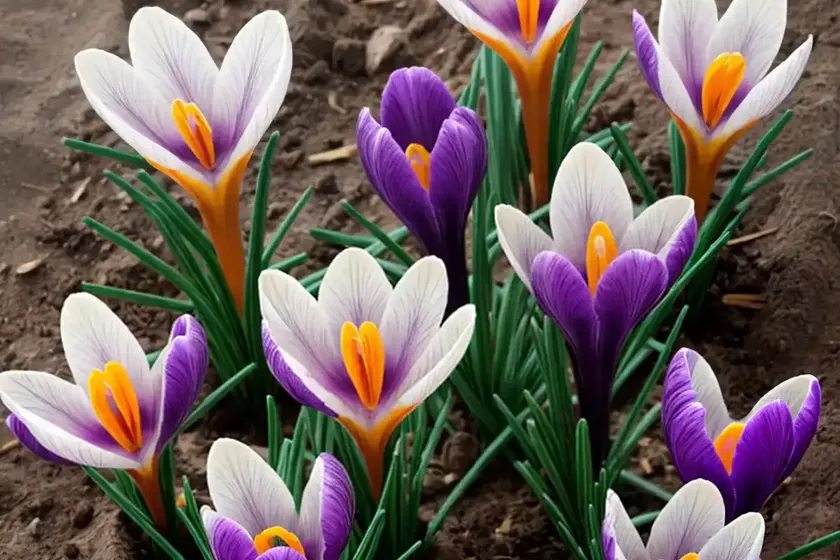
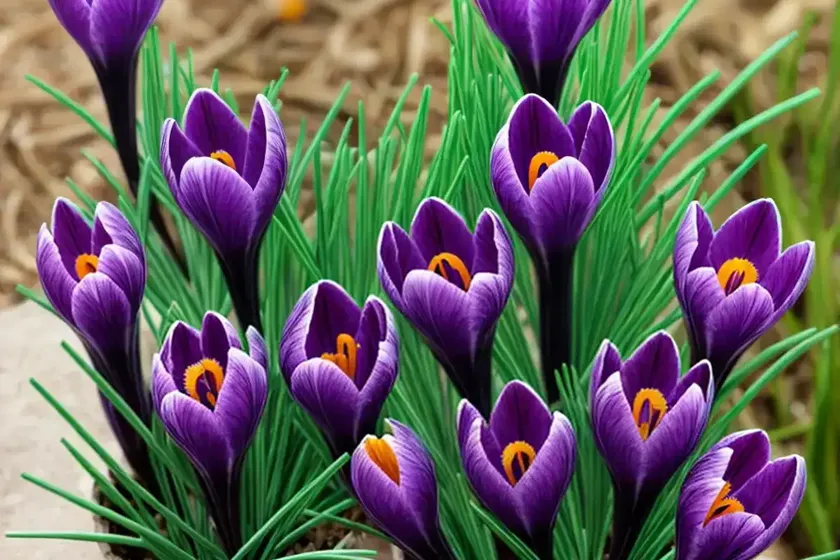
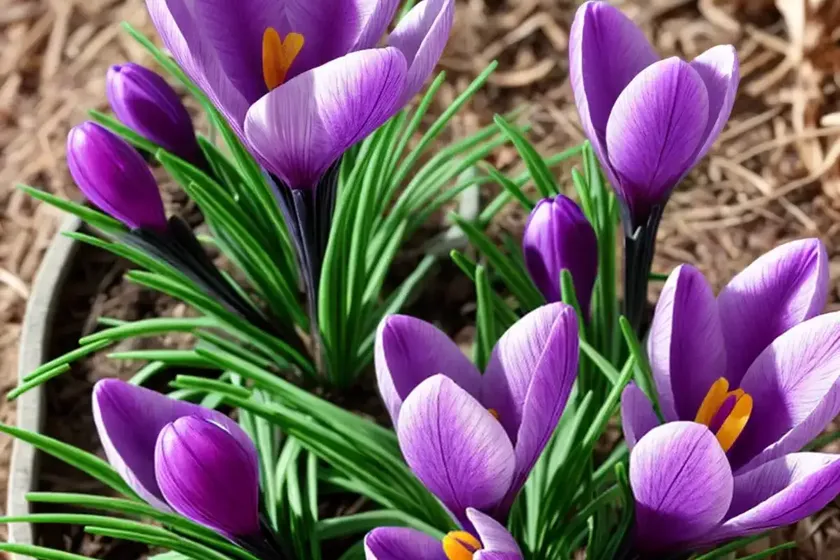
Crocus pulchellus, commonly known as Autumn Crocus, is a delightful flowering plant that belongs to the Iridaceae family, which is native to Europe and Western Asia. It is a charming and versatile plant known for its stunning blossoms and various cultural uses. In this extensive guide, we will explore every aspect of this captivating plant from its characteristics and cultivation requirements to its significance in various cultural practices and ecological roles.
What is Crocus pulchellus?
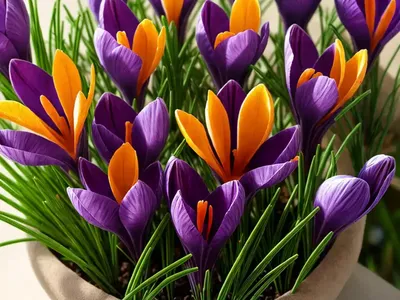
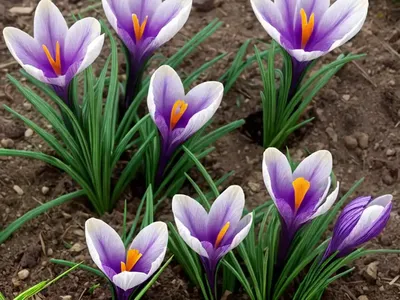
Crocus Pulchellus, also known as Autumn Crocus, is a perennial flowering plant that is native to Europe and Western Asia. This plant is renowned for its vibrant and delicate flowers, which bloom in the Autumn. Crocus pulchellus is a charming addition to gardens, adding color and beauty to the landscape. The plant typically grows to a height of 5-6 inches and produces attractive, cup-shaped flowers that come in shades of purple, lilac, and white, adding a burst of color to the autumn garden.
Key Takeaways – Crocus pulchellus (Autumn Crocus)
Let’s dive deep into the comprehensive guide of Crocus pulchellus, highlighting its cultural uses, cultivation requirements, maintenance, and more.
Characteristics of Autumn Crocus
Crocus pulchellus possesses the following noteworthy characteristics:
– Cup-shaped flowers in shades of purple, lilac, and white.
– Blooms in the autumn, adding color to the garden when most other plants have finished flowering.
– Grows to a height of 5-6 inches.
– Belongs to the Iridaceae family.
Crocus pulchellus is an exquisite plant with unique characteristics that make it a coveted addition to gardens.
Culture
The culture of Crocus pulchellus refers to the specific practices and customs related to its cultivation and use. Understanding the cultural significance of this plant provides insights into its historical and contemporary uses.
Cultural uses of Autumn Crocus include:
– Traditional medicine
– Ornamental purposes
– Ethnomedicinal practices
– Symbolism in different cultures
– Fragrance in flower arranging
– Use in seasonal color schemes
Crocus pulchellus holds significance in traditional practices and cultural beliefs, making it a multi-faceted plant with diverse uses.
Uses
The uses of Crocus pulchellus encompass its practical and aesthetic applications. This versatile plant serves various purposes, from traditional medicine to enhancing garden aesthetics.
The uses of Autumn Crocus are as follows:
– Ornamental plant in gardens and landscapes
– Medicinal herb in traditional medicine
– Fragrant addition to flower arrangements
– Symbolic representation in different cultures
– Biodiversity enhancer in natural settings
Understanding the uses of Crocus pulchellus sheds light on its versatility and importance in different contexts.
Water
Water is an essential factor in the successful cultivation of Crocus pulchellus. Understanding the specific water needs of this plant is crucial for its optimal growth and development.
Key points for watering Crocus pulchellus:
– Well-draining soil to prevent waterlogging
– Moderate watering during growth and flowering periods
– Reduced watering during dormancy
– Avoiding water accumulation in the soil
Proper watering practices are essential for maintaining the health and vigor of Crocus pulchellus.
Sunlight
Sunlight plays a pivotal role in the growth and flowering of Crocus pulchellus. Understanding its sunlight requirements is vital for positioning and caring for this plant.
Essential sunlight requirements for Crocus pulchellus:
– Full to partial sunlight exposure
– Adequate sunlight for flowering and photosynthesis
– Protection from excessive heat during summer
– Positioning in a sun-drenched location during autumn for optimal blooming
Providing the right amount of sunlight is essential for the overall well-being of Crocus pulchellus.
Fertilizer
Fertilization is a key aspect of plant care that directly influences the growth and flowering of Crocus pulchellus. Choosing the right fertilizers and applying them at the appropriate times is essential for promoting healthy growth.
Fertilizer guidelines for Crocus pulchellus:
– Use a balanced, low-nitrogen fertilizer
– Apply fertilizer during the plant’s active growth phase
– Avoid excessive fertilizer application to prevent damage to the plant
– Organic fertilizers can be beneficial for long-term soil health and plant vigor
Proper fertilization contributes to the overall health and vitality of Crocus pulchellus, promoting robust growth and abundant flowering.
Soil
The soil composition significantly impacts the growth and development of Crocus pulchellus. Understanding its soil requirements is crucial for creating optimal growing conditions.
Key soil considerations for Crocus pulchellus:
– Well-draining, loamy soil with good aeration
– Neutral to slightly acidic soil pH
– Soil enriched with organic matter for fertility
– Avoid waterlogged or compacted soil
Providing the right soil conditions is essential for supporting the healthy growth of Crocus pulchellus.
Pruning
Pruning is a horticultural practice that can benefit the overall health and appearance of Crocus pulchellus. Proper pruning techniques can help maintain the plant’s shape, remove damaged or diseased foliage, and promote better flowering.
Pruning guidelines for Crocus pulchellus:
– Remove dead foliage after flowering
– Trim back overgrown or crowded areas
– Prune to maintain an attractive plant structure
– Avoid excessive pruning to prevent stress on the plant
Pruning at the right times and with proper techniques can contribute to the overall vitality and appearance of Crocus pulchellus.
Propagation
Propagation is the process of creating new plants from existing ones, and understanding the propagation methods for Crocus pulchellus is essential for its multiplication and conservation.
Key propagation methods for Crocus pulchellus:
– Division of bulbs in late summer or early autumn
– Seeds can be sown in well-prepared soil
– Tissue culture for large-scale propagation efforts
– Offsets or bulblets can be separated and planted
Applying suitable propagation techniques can help expand the population of Crocus pulchellus and ensure its continued presence in gardens and natural settings.
Container Popularity
Crocus pulchellus is also popular as a container plant, allowing gardening enthusiasts to enjoy its beauty on patios, balconies, and indoor spaces.
Benefits of growing Crocus pulchellus in containers include:
– Convenience for urban and small-space gardening
– Ability to control soil conditions and moisture levels
– Decorative element for indoor and outdoor settings
– Easy to move or relocate as needed
Growing Crocus pulchellus in containers provides flexibility and aesthetic appeal for gardening in various settings.
Container Common Diseases
While growing Crocus pulchellus in containers can be rewarding, it is essential to be aware of potential diseases that can affect the plant in this environment.
Common diseases that may affect Crocus pulchellus in containers:
– Botrytis (Gray Mold)
– Fusarium corm rot
– Pest infestations due to confined spaces
Understanding the common diseases helps in implementing preventive measures and maintaining the health of Crocus pulchellus in container gardening.
Disease Diagnosis
Diagnosing diseases in Crocus pulchellus is crucial for timely intervention and effective management.
Key steps in disease diagnosis:
– Observing changes in foliage color and texture
– Monitoring for signs of wilting or decay
– Identifying pest infestations
– Consulting with a plant expert or botanist for accurate diagnosis
Prompt diagnosis of diseases is essential for preventing the spread of infections and preserving the health of Crocus pulchellus.
Common Pests
Pests can pose a threat to the health and vitality of Crocus pulchellus, and being aware of common pests is essential for implementing appropriate control measures.
Common pests that may affect Crocus pulchellus:
– Thrips
– Aphids
– Spider mites
– Bulb flies
Monitoring for signs of pest infestations and applying targeted control methods can help safeguard Crocus pulchellus from pest damage.
Botanist’s Tips
Insights from botanists can provide valuable guidance for the successful cultivation and care of Crocus pulchellus, drawing on scientific knowledge and practical expertise.
Botanist’s tips for growing Crocus pulchellus:
– Selecting healthy bulbs for planting
– Ensuring proper soil drainage
– Providing optimal sunlight exposure
– Implementing disease and pest monitoring
– Pruning and maintaining plant health
Incorporating botanist’s tips can help gardeners achieve optimal results in cultivating Crocus pulchellus.
Fun facts
Discovering fun and intriguing facts about Crocus pulchellus adds to the allure of this remarkable plant, sparking curiosity and appreciation for its unique traits.
Fun facts about Autumn Crocus:
– Belongs to the same family as saffron-producing Crocus sativus
– Has been used in traditional medicine for various purposes
– Symbolizes rebirth and new beginnings in certain cultures
– Attracts pollinators with its vibrant flowers
– Thrives in diverse climatic conditions
Exploring fun facts about Crocus pulchellus brings a sense of fascination and admiration for its captivating nature.
Links to External Resources
For further information on Crocus pulchellus and related topics, you can explore the following external resources:
- The Royal Horticultural Society – Crocus pulchellus
- Missouri Botanical Garden – Crocus pulchellus
- North Carolina State University – Autumn Crocus
- University of Maryland Extension – Bulb and Corm Flowers
- American Society for the Prevention of Cruelty to Animals – Toxic and Non-Toxic Plant List
These external resources offer extensive information and insights into the cultivation, care, and cultural significance of Crocus pulchellus, as well as its ecological roles and botanical attributes.
In conclusion, Crocus pulchellus holds a special place in the world of flowering plants, captivating gardeners, botanists, and enthusiasts with its charming blossoms, cultural significance, and ecological contributions. Understanding its characteristics, cultivation requirements, and diverse uses provides a holistic perspective on this remarkable plant, emphasizing its value in natural and cultivated settings. Whether admired for its ornamental beauty, historical significance, or ecological roles, Crocus pulchellus continues to enchant and inspire, adding a touch of elegance to gardens and landscapes while contributing to the rich tapestry of plant diversity.
For more information and insights on Crocus pulchellus and other plant-related topics, continue exploring reputable botanical and horticultural resources, as there is always more to learn and appreciate about the captivating world of plants.