Crocus Olivieri Subsp. Balansae ‘Orange Monarch’)
The world of flora is a diverse and beautiful realm, offering a vast array of plant species that captivate us with their colors, scents, and unique.
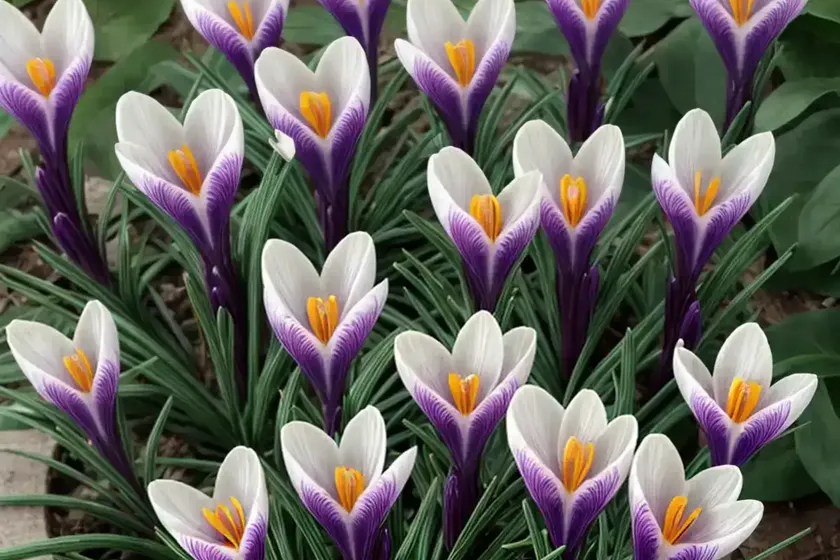
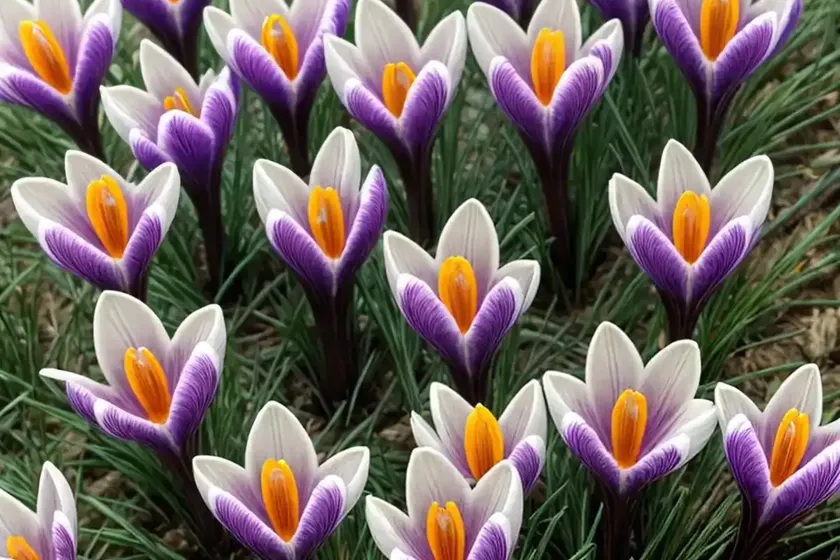
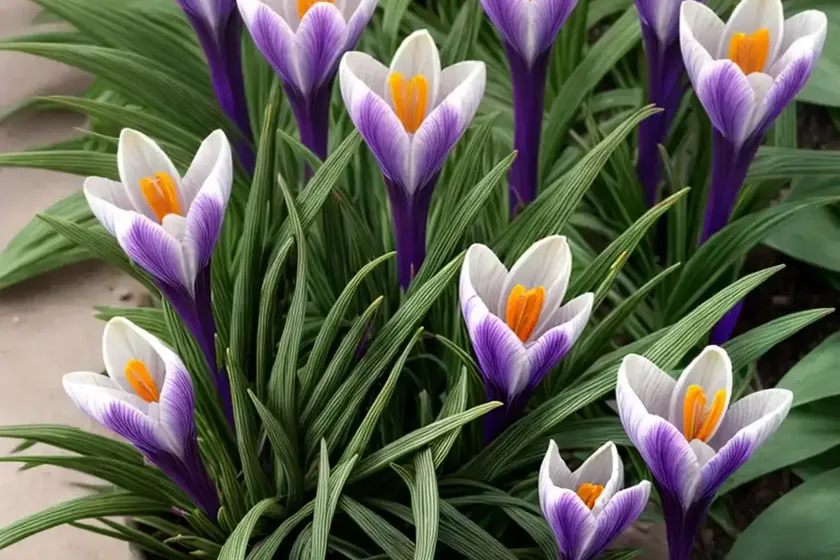
The world of flora is a diverse and beautiful realm, offering a vast array of plant species that captivate us with their colors, scents, and unique characteristics. One such enchanting plant is the Crocus olivieri subsp. balansae ‘Orange Monarch’ – a delightful flowering plant that never fails to enthrall gardeners with its vibrant blooms and graceful presence. In this blog post, we will explore this stunning crocus variety, delving into its cultural significance, care tips, and much more.
Chapter 1: What is Crocus olivieri subsp. balansae ‘Orange Monarch’?
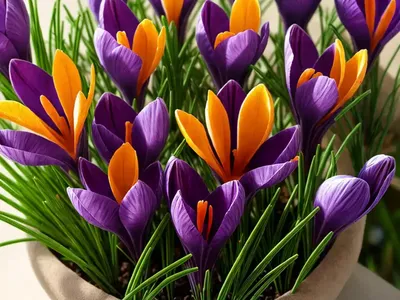
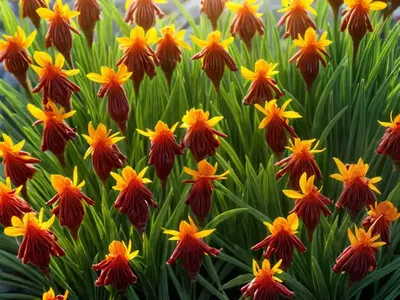
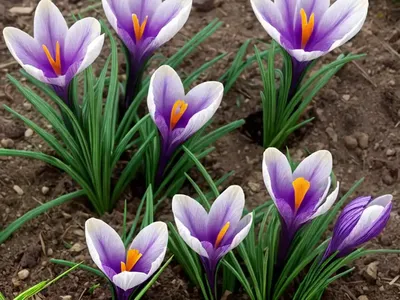
Crocus olivieri subsp. balansae ‘Orange Monarch’ is a captivating flowering plant known for its vibrant orange blooms and exquisite ornamental value. Belonging to the Iris family (Iridaceae), this crocus variety is a sub-species of Crocus olivieri, and it is renowned for its stunning floral display that adds a touch of elegance to any garden or landscape.
Key Takeaways:
- Plant Name: Crocus olivieri subsp. balansae ‘Orange Monarch’
Botanist’s Tip:
The Crocus olivieri subsp. balansae ‘Orange Monarch’ is an excellent choice for gardeners seeking to introduce a splash of vivid color and a charming aesthetic to their outdoor spaces.
Chapter 2: Culture
The culture of Crocus olivieri subsp. balansae ‘Orange Monarch’ encompasses various aspects, including its preferred growing conditions, uses, and significance in different landscapes. Let’s explore each of these facets in detail.
Uses:
Ornamental: The primary use of Crocus olivieri subsp. balansae ‘Orange Monarch’ lies in its ornamental value. With its stunning orange flowers, it serves as an eye-catching addition to gardens, rockeries, and naturalized landscapes. The plant’s charming blossoms can be admired as an individual specimen or in mass plantings, creating a visually arresting scene.
Cultural Significance: The Orange Monarch crocus holds cultural significance in various societies, symbolizing traits such as vitality, cheerfulness, and the arrival of spring. Its vibrant blooms are often associated with rejuvenation and the celebration of nature’s beauty.
Water:
Crocus olivieri subsp. balansae ‘Orange Monarch’ exhibits moderate water needs, preferring well-drained soil and regular, moderate watering. During its active growth and blooming periods, adequate moisture is essential to support healthy flower development and overall plant vigor.
Sunlight:
In terms of sunlight requirements, this crocus variety thrives in positions that receive full to partial sunlight. Providing ample sunlight is crucial for promoting robust growth and ensuring prolific flowering.
Fertilizer:
When it comes to fertilization, a balanced, soluble fertilizer formulated for flowering bulbs can be applied during the active growth phase to provide essential nutrients and support the plant’s overall health and blooming performance.
Soil:
Crocus olivieri subsp. balansae ‘Orange Monarch’ prefers well-drained, loamy soil with good fertility. The soil should be rich in organic matter and have a slightly acidic to neutral pH level for optimal growth and blooming.
Pruning:
Minimal pruning is required for Crocus olivieri subsp. balansae ‘Orange Monarch’. After the plant has finished flowering and the leaves have withered, it is advisable to allow the foliage to die back naturally to allow the bulb to store energy for the following season’s growth.
Popularity:
Renowned for its striking orange blooms and graceful presence, Crocus olivieri subsp. balansae ‘Orange Monarch’ has garnered popularity among gardeners and landscaping enthusiasts who appreciate its captivating aesthetic appeal and its ability to herald the arrival of spring with its vibrant flowers.
Container:
While this crocus variety thrives when planted directly in the ground, it can also be successfully cultivated in containers, pots, or raised beds, offering flexibility in terms of garden design and landscaping options.
Chapter 3: Common Diseases and Pests
Common Diseases:
-
Botrytis Rot: In conditions of excessive moisture or poor air circulation, this fungal disease may affect the plant, resulting in gray mold on the foliage and flowers. Maintaining adequate air circulation and avoiding overwatering can help prevent the occurrence of botrytis rot.
-
Mildew: Powdery mildew, characterized by a powdery white coating on the leaves, can occur under conditions of high humidity and poor air circulation. Practicing good garden hygiene and providing ample air movement can mitigate the risk of mildew.
Disease Diagnosis:
Diagnosing diseases in Crocus olivieri subsp. balansae ‘Orange Monarch’ involves observing the plant for unusual symptoms such as wilting, discoloration, or abnormal growth patterns. Additionally, inspecting the plant for signs of fungal or bacterial infections and taking preventive measures can help maintain its health and vigor.
Common Pests:
-
Thrips: These tiny, slender insects can damage the flowers and foliage of the crocus plant by piercing and sucking on plant tissues. Vigilant monitoring and introducing natural predators can help control thrips infestations.
-
Aphids: Aphids are sap-feeding pests that can affect the crocus plant, causing distortion of new growth and the presence of honeydew on the leaves. Regular inspection and targeted treatment can help manage aphid populations.
Chapter 4: Propagation
Propagation Methods:
Crocus olivieri subsp. balansae ‘Orange Monarch’ can be propagated through several methods, including:
– Division: The bulbs can be carefully divided during the dormant season, and the resulting divisions can be replanted in suitable locations to establish new plants.
- Seed Propagation: Propagating from seeds is another viable option, though it may require more time for the plants to reach maturity and begin blooming.
Chapter 5: Fun Facts
-
Crocus olivieri subsp. balansae ‘Orange Monarch’ is known for attracting pollinators such as bees and butterflies, contributing to the ecological balance of the garden or naturalized landscapes.
-
The vivid orange flowers of this crocus variety are often associated with positive attributes, including joy, creativity, and enthusiasm, making it a symbol of optimism and vibrancy.
Chapter 6: Botanist’s Tips
For successful cultivation of Crocus olivieri subsp. balansae ‘Orange Monarch’, consider the following tips:
– Select a well-drained planting site with sufficient sunlight exposure.
– Incorporate organic matter into the soil to enhance its fertility and texture.
– Monitor the plant for signs of diseases and pests, intervening promptly if any issues arise.
Chapter 7: Links to External Resources
Explore the following resources to discover more about Crocus olivieri subsp. balansae ‘Orange Monarch’ and its cultivation:
– Royal Horticultural Society – Crocus Growing Guide
– University of Florida IFAS Extension – Managing Thrips
– American Society for the Prevention of Cruelty to Plants – Sustainable Gardening Practices
In conclusion, Crocus olivieri subsp. balansae ‘Orange Monarch’ stands as a symbol of beauty, resilience, and the vibrant spirit of nature. Its captivating orange blooms, cultural significance, and adaptable nature make it a delightful addition to any garden or landscape, evoking a sense of joy and wonder with each flowering season. By understanding its cultural significance, optimal growing conditions, and care requirements, gardeners can embrace the charm of this captivating crocus variety, enriching their outdoor spaces with its enchanting presence.