Crocus Kotschyanus (Autumn Crocus)
Crocus kotschyanus, commonly known as Autumn Crocus, is a stunning flowering plant belonging to the Iridaceae family. This beautiful species is native to.
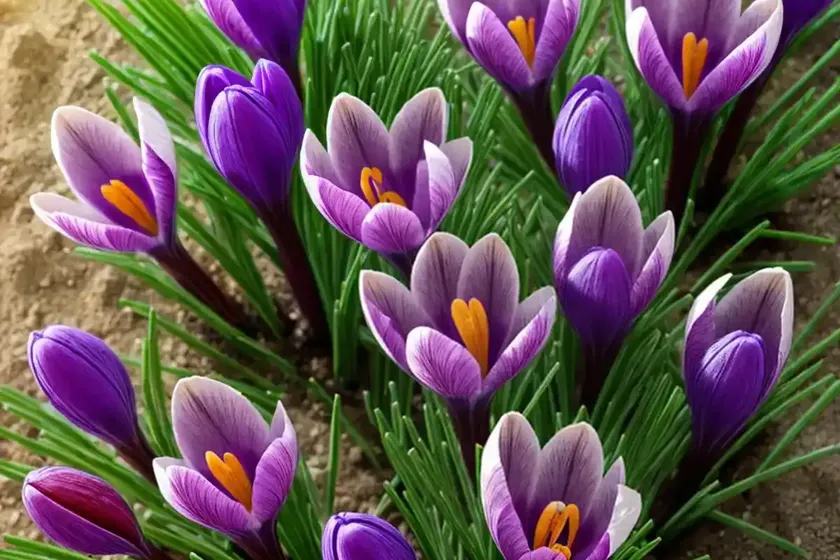
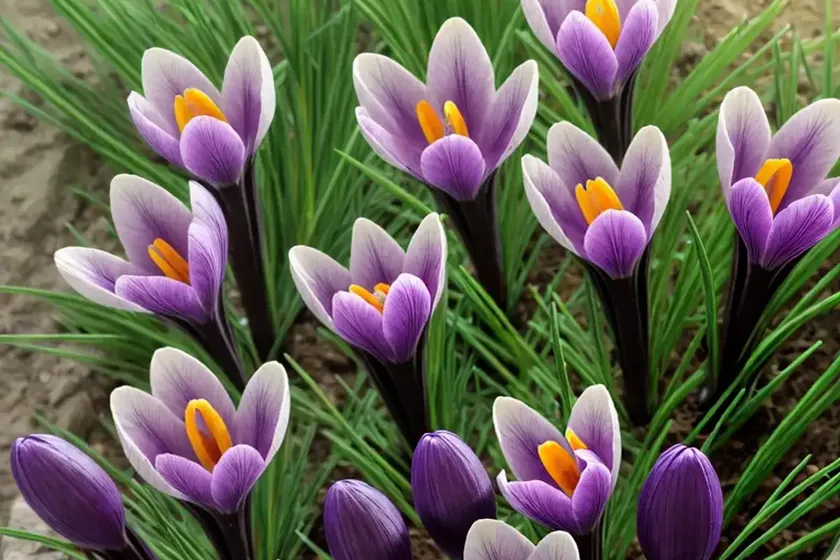
Crocus kotschyanus, commonly known as Autumn Crocus, is a stunning flowering plant belonging to the Iridaceae family. This beautiful species is native to Southern Europe and the Middle East and is characterized by its vibrant, colorful blooms and ease of cultivation. In this comprehensive guide, we will delve into the various aspects of Crocus kotschyanus, including its cultural requirements, uses, maintenance, and more. Whether you’re a seasoned gardener or a novice plant enthusiast, this guide will equip you with the knowledge and insights necessary for successfully cultivating and caring for this enchanting plant.
What is Crocus Kotschyanus (Autumn Crocus)?
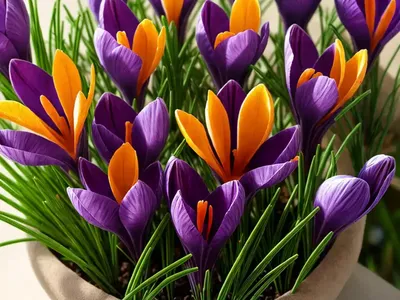
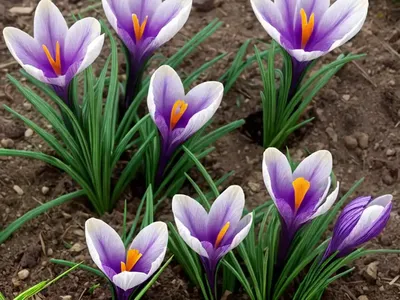
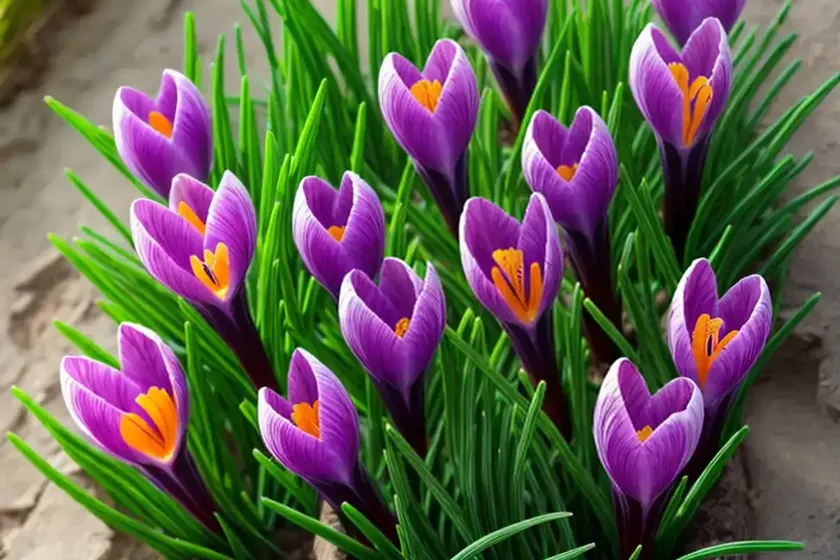
Crocus kotschyanus, also known as the Autumn Crocus, is a perennial flowering plant valued for its captivating display of vibrant, cup-shaped flowers. This species typically blooms in the autumn, adding a burst of color to the garden as the days grow shorter. The delicate flowers, which range in color from pale lilac to deep purple, emerge from the plant’s corms, creating a picturesque scene in any outdoor setting.
In addition to its ornamental value, Crocus kotschyanus holds cultural significance and has been used for various medicinal and decorative purposes. Its resilience and adaptability make it a popular choice for gardens, landscapes, and even indoor cultivation, allowing enthusiasts to enjoy its beauty in diverse settings.
Key Takeaways – Crocus kotschyanus (Autumn Crocus)
Before delving into the specifics of cultivating and caring for Crocus kotschyanus, it’s essential to highlight some key takeaways about this remarkable plant:
- Family: Iridaceae
- Common Name: Autumn Crocus
- Native Habitat: Southern Europe, Middle East
- Blooming Season: Autumn
- Flower Colors: Ranges from pale lilac to deep purple
- Cultural Uses: Ornamental, Medicinal
- Adaptability: Suitable for outdoor and indoor cultivation
- Resilience: Well-suited to various climate conditions
Now that we have an overview of the Autumn Crocus, let’s explore the specific aspects of its cultivation, care, and maintenance to help you foster a thriving and vibrant display of this charming plant. We will discuss its water and sunlight requirements, fertilizer needs, optimal soil conditions, pruning techniques, propagation methods, container gardening, common diseases and pests, as well as expert tips and fun facts associated with cultivating Crocus kotschyanus.
Culture
When it comes to the cultivation of Crocus kotschyanus, understanding its cultural requirements is crucial for ensuring successful growth and prolific flowering. From the selection of an appropriate planting site to providing the right environmental conditions, here are the key cultural aspects to consider when cultivating this enchanting plant.
Uses
Ornamental Value
The Autumn Crocus, with its stunning display of colorful blooms, serves as a captivating ornamental addition to gardens, landscapes, and even indoor spaces. Its delicate flowers and slender foliage create a visually appealing contrast, making it a sought-after choice for enhancing the aesthetic appeal of any setting.
Medicinal Purposes
In addition to its ornamental value, Crocus kotschyanus has been traditionally used for its medicinal properties. The plant contains compounds that have been investigated for their potential therapeutic benefits, contributing to its cultural significance beyond its visual allure.
Water
Proper watering is essential for the health and vitality of Crocus kotschyanus. While it is important to ensure an adequate water supply, it is equally crucial to avoid waterlogging, which can lead to rotting of the corms and other moisture-related issues. Here are some key considerations for watering this plant:
- Moderate Moisture: Provide moderate moisture during the active growth and blooming periods.
- Well-Drained Soil: Ensure that the soil or growing medium is well-drained to prevent water accumulation around the corms.
- Careful Monitoring: Monitor the soil moisture, especially during periods of prolonged rainfall, and adjust watering frequency accordingly to maintain optimal moisture levels.
Sunlight
As with many flowering plants, adequate sunlight is pivotal for the growth, development, and blooming of Crocus kotschyanus. Understanding its sunlight requirements and providing the appropriate exposure is crucial for ensuring robust and prolific flowering. Consider the following aspects related to sunlight:
- Full to Partial Sun: Provide a planting site that receives full to partial sunlight, preferably with exposure to morning sun and some protection from intense midday heat.
- Southern Exposure: If planted in regions with hot climates, consider providing a location with a southern exposure, offering the right balance of sunlight and shade.
Fertilizer
While Crocus kotschyanus is resilient and low-maintenance, the application of appropriate fertilizers can support its growth and enhance the vibrancy of its blooms. When considering the fertilizer needs of this plant, keep the following in mind:
- Balanced Fertilizer: Use a balanced fertilizer with a formula such as 10-10-10 or similar, applying it in early spring as new growth emerges.
- Minimal Application: Avoid over-fertilization, as excessive nutrients can lead to foliage growth at the expense of flower production.
Soil
The soil composition and quality play a significant role in the overall health and vigor of Crocus kotschyanus. Providing the right soil conditions ensures proper root development, moisture retention, and support for the plant’s nutritional needs. Here are some soil-related considerations for cultivating Autumn Crocus:
- Well-Drained Soil: Plant the corms in well-drained, loamy soil that prevents waterlogging and promotes healthy root development.
- Slightly Acidic pH: Aim for a slightly acidic soil pH, ideally in the range of 6.0 to 6.5, to create an optimum growing environment for the plant.
Pruning
Pruning is an essential aspect of maintaining the health and aesthetics of Crocus kotschyanus. Proper pruning practices contribute to the longevity of the plant, promote tidy growth, and encourage the development of robust blooms. Consider the following tips for pruning this delightful species:
- Post-Flowering Pruning: After the blooming period, remove spent flowers and any withered or yellowing foliage, allowing the plant to channel its energy into corm development and preparation for the next blooming cycle.
- Minimal Intervention: Avoid excessive pruning during the active growth phase, as the plant benefits from retaining its foliage to support energy production through photosynthesis.
Propagation
The propagation of Crocus kotschyanus allows plant enthusiasts to expand their collection and share the beauty of this species with others. Understanding the methods of propagation and implementing appropriate techniques are key to successfully propagating this enchanting plant. Here are the primary methods of propagation for Autumn Crocus:
- Division: Divide mature clumps of corms in late summer or early autumn, carefully separating the individual corms and replanting them in prepared soil.
- Seed sowing: Collect seeds after the blooming period, sow them in well-draining, sterile potting mix, and provide optimal conditions for germination and seedling growth.
Container Popularity
The adaptability of Crocus kotschyanus makes it well-suited for container gardening, allowing enthusiasts with limited outdoor space to cultivate and enjoy its beauty. The portability of containers also enables plant lovers to create versatile displays and bring the Autumn Crocus indoors when in bloom. Consider the following points related to the popularity of growing this species in containers:
- Versatile Displays: Create captivating arrangements of Crocus kotschyanus in containers, accentuating outdoor spaces, patios, and even indoor settings with its vibrant blooms.
- Indoor Cultivation: Utilize containers to grow Autumn Crocus indoors, providing an opportunity to enjoy its flowers and foliage within the comfort of the home.
Common Diseases
While Crocus kotschyanus is relatively resilient, it is susceptible to certain diseases and issues that can affect its health and vigor. Understanding common diseases and their management is essential for maintaining the plant’s well-being. Some common diseases that may impact Autumn Crocus include:
- Botrytis Blight: A fungal disease that can cause damage to the flowers and foliage, leading to grey mold and decay. Proper air circulation and moderate humidity help prevent botrytis blight.
- Corm Rot: Excessive moisture and poor drainage can lead to corm rot, causing the corms to decay and affecting the overall health of the plant. Implementing well-drained soil and appropriate watering practices can mitigate the risk of corm rot.
Disease Diagnosis
Diagnosing diseases and issues affecting Crocus kotschyanus involves careful observation and proactive management to address potential concerns. When assessing the health of the plant, consider the following indicators that can aid in disease diagnosis:
- Foliage Discoloration: Withering, yellowing, or browning of the foliage may indicate underlying issues such as fungal infections or improper environmental conditions.
- Flower Abnormalities: Observe the appearance and development of the flowers, looking for signs of decay, discoloration, or unusual deformities that may signal disease infestation.
Common Pests
In addition to diseases, Crocus kotschyanus may attract certain pests that can impact its growth and appearance. Being aware of common pests and implementing effective pest control measures is essential for safeguarding the plant. Common pests that may affect Autumn Crocus include:
- Thrips: These tiny insects can cause damage to the flowers and foliage, leading to discoloration and distortion. Monitoring for early signs of thrips infestation and implementing pest control measures such as insecticidal soaps can help manage this pest.
- Rodents: Burrowing rodents may pose a threat to the corms of Crocus kotschyanus, feeding on the underground parts of the plant. Protecting the planted areas and using deterrents can help prevent rodent damage.
Botanist’s Tips
Insights from experienced botanists and plant enthusiasts can offer valuable guidance for cultivating and caring for Crocus kotschyanus. Here are some expert tips to consider when growing this captivating species:
- Mulching: Apply a light layer of mulch around the planted areas to conserve moisture, suppress weed growth, and provide insulating protection to the corms during winter.
- Companion Planting: Pair Crocus kotschyanus with low-growing, early-blooming perennials and bulbs to create visually striking combinations and extend the seasonal interest of the garden.
- Seasonal Care: Adjust the care and maintenance practices for Crocus kotschyanus based on the changing seasons, providing tailored support for the plant’s growth and development throughout the year.
Fun Facts
To deepen your appreciation for Crocus kotschyanus and its captivating attributes, here are some fun facts about this enchanting plant:
- Historical Significance: Crocus kotschyanus has been associated with various historical and cultural references, demonstrating its enduring appeal across different civilizations and traditions.
- Natural Habitat: In its native habitats of Southern Europe and the Middle East, Autumn Crocus thrives in diverse environments, showcasing its adaptability.
- Color Variations: The flowers of Crocus kotschyanus exhibit an array of beautiful colors, adding a vibrant tapestry of hues to the autumn landscape.
Now that we have explored the various aspects of cultivating and caring for Crocus kotschyanus, you are equipped with the knowledge and insights necessary to nurture this stunning plant in your own garden or indoor space. Whether you are drawn to its ornamental beauty, cultural significance, or medicinal uses, the Autumn Crocus is sure to captivate and enrich your gardening experience.
Links to External Resources
To further expand your understanding and appreciation for Crocus kotschyanus, consider exploring the following external resources:
- The Royal Horticultural Society – Crocus kotschyanus
- The American Horticultural Society – Autumn Crocus Cultivation Guide
- University of Maryland Extension – Growing Bulbs in Containers
These resources offer valuable insights, tips, and information to support your journey in cultivating, nurturing, and enjoying the beauty of Crocus kotschyanus.
In conclusion, the enchanting Crocus kotschyanus, or Autumn Crocus, is a captivating addition to any garden or indoor space, offering a burst of color and a touch of natural elegance. With the knowledge and considerations provided in this comprehensive guide, you can embark on a fulfilling journey of nurturing and appreciating this stunning plant, harnessing its ornamental allure and cultural significance to enrich your gardening pursuits. Happy gardening!