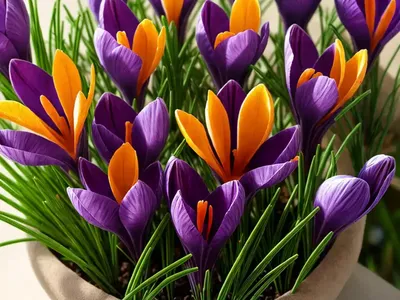
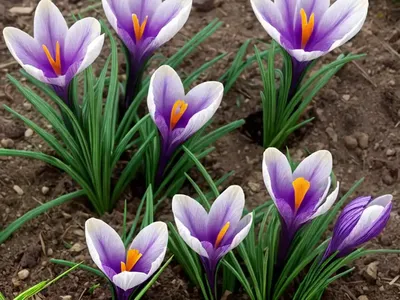
Crocus Chrysanthus ‘Romance’ (Snow Crocus)
Crocus chrysanthus ‘Romance,’ commonly known as Snow Crocus, is a delightful and vibrant addition to any garden. Known for its early spring blooming, this.
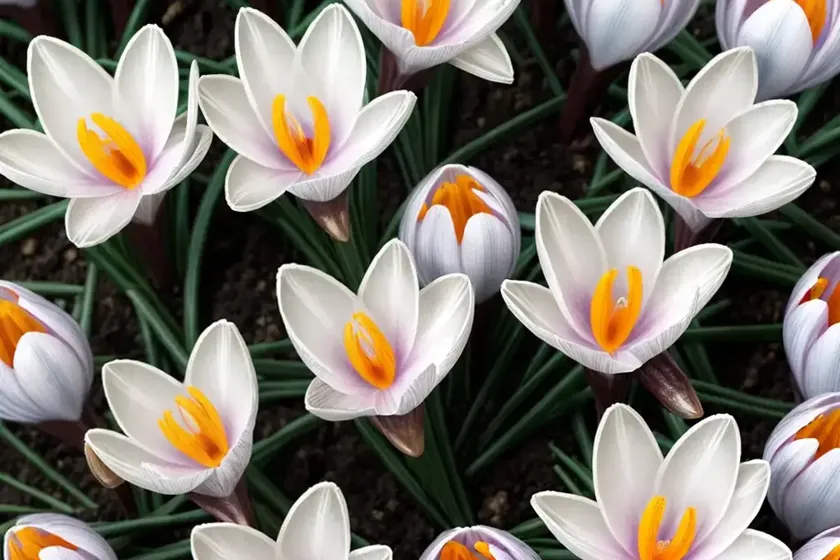
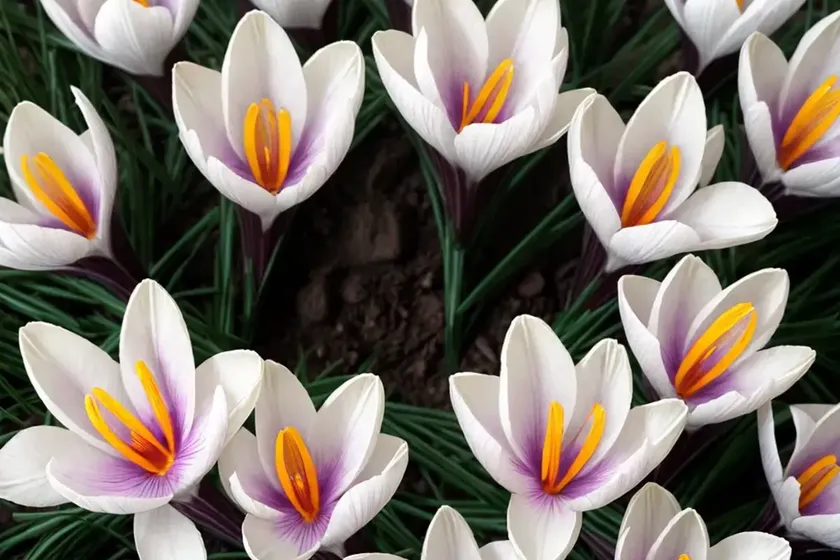
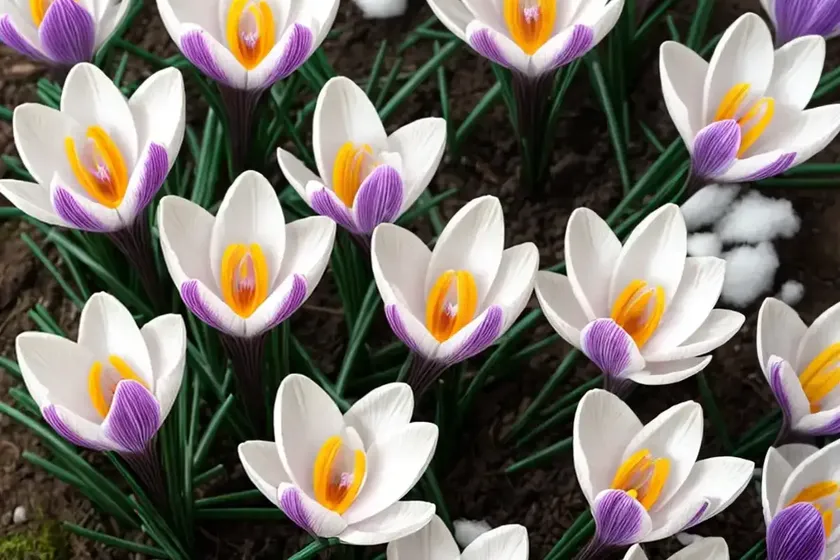
Crocus chrysanthus ‘Romance,’ commonly known as Snow Crocus, is a delightful and vibrant addition to any garden. Known for its early spring blooming, this perennial flower is not only visually appealing but also low-maintenance. In this comprehensive guide, we will explore the culture, uses, care, and interesting facts about Crocus chrysanthus ‘Romance’ to help you cultivate and appreciate this enchanting plant to its fullest.
What is Crocus chrysanthus ‘Romance’?
Crocus chrysanthus ‘Romance’ is a petite flower that belongs to the Iridaceae family, commonly referred to as the iris family. This early-blooming perennial is native to the Mediterranean region but has found its way into gardens across the world for its charming aesthetic and ease of cultivation. The name “Crocus” is derived from the Latin word for saffron and encompasses about 80 species, each contributing to the vibrant colors and delicate beauty the genus is known for.
Key Takeaways – Crocus chrysanthus ‘Romance’ (Snow Crocus)
- Crocus ‘Romance’ – Belongs to the Crocus genus and is known for its captivating beauty and early spring flowering.
- Snow Crocus – Commonly referred to as Snow Crocus due to its ability to bloom even amidst lingering snow, adding a touch of color to winter gardens.
- Crocus chrysanthus – Part of the Crocus chrysanthus species known for its hardiness and ability to thrive in various conditions.
- Crocus chrysanthus Romance – A specific variety of Crocus chrysanthus with romantic, deep purple petals and golden centers.
- Spring flowering bulbs – Belongs to the category of spring flowering bulbs, adding vibrant hues to the garden after the long winter months.
Let’s delve deeper into the various aspects of cultivating and caring for the charming Crocus chrysanthus ‘Romance.’
Culture
Cultivating Crocus chrysanthus ‘Romance’ is a delightful endeavor, as these petite blooms require minimal effort for the delightful display they offer in early spring. Here are some essential factors to consider when nurturing these lovely flowers:
Uses
- Garden Beds: Crocus chrysanthus ‘Romance’ thrives when planted in garden beds, where they create a picturesque carpet of color.
- Rock Gardens: Their small size makes them perfect for rock gardens, adding bursts of color amidst the rocks and foliage.
- Under Trees: Placing them under deciduous trees allows them to enjoy the sunlight before the trees’ leaves fully develop.
Water
- Moisture in Spring: During the spring season, it is essential to ensure that the soil remains consistently moist but well-drained to support the blooming process.
- Dry Summer: Once the flowers have bloomed and the foliage begins to wither, reduce watering, as the bulbs are dormant during the summer months.
Sunlight
- Full Sun: Crocus chrysanthus ‘Romance’ thrives in full to partial sunlight, ensuring that they receive at least 6 hours of sunlight daily during their growing season.
Fertilizer
- Minimal Fertilization: These resilient plants do not require heavy feeding. A light application of balanced fertilizer in early spring can aid in their growth and subsequent blooming.
Soil
- Well-Drained Soil: Crocus chrysanthus ‘Romance’ thrives in well-drained, moderately fertile soil. Bulb planting mix or sandy soil with good drainage is ideal for these charming flowers.
Pruning
- Minimal Pruning: Once the flowers have faded, allow the foliage to wither naturally. This process ensures that the nutrients are returned to the bulbs to support the next season’s growth and blooming.
Propagation
Crocus chrysanthus ‘Romance’ can be propagated through bulb offsets or seeds, allowing you to expand your display of these enchanting flowers. Dividing the bulbs every few years can also rejuvenate the plants and ensure a continuous display of blooms.
Container Popularity
Crocus chrysanthus ‘Romance’ is a popular choice for container gardening due to its petite size and early blooming nature. Whether planted as a stand-alone or in combination with other early spring flowering bulbs, these charming blooms bring vivacity to any container garden.
Container Common Diseases
While generally hardy, Crocus chrysanthus ‘Romance’ can be susceptible to a few diseases when cultivated in containers:
- Botrytis: Commonly known as gray mold, this fungal disease can affect the bulbs and foliage, leading to decay and poor plant vigor.
- Root Rot: Excessive moisture in containers can lead to root rot, causing the bulbs to deteriorate.
Disease Diagnosis
When cultivating Crocus chrysanthus ‘Romance’ in containers, be vigilant for symptoms of fungal diseases and bacterial infections. Yellowing or browning of leaves, wilting, and decay are signs of potential diseases, calling for immediate attention and intervention.
Common Pests
Pests infrequently trouble Crocus chrysanthus ‘Romance’ due to their natural resilience and unappealing nature for most common garden pests. However, a few potential pests to watch for include:
- Voles: These small rodents may consume the bulbs, so it is advisable to protect the planted bulbs using wire mesh or other barriers.
- Squirrels: In some regions, squirrels may dig up bulbs, mistaking them for food. Protective measures can prevent this potential damage.
Botanist’s Tips for Cultivating Crocus chrysanthus ‘Romance’
- Moderate Spacing: When planting the bulbs, providing ample space for each bulb allows for optimal growth and minimal competition for nutrients.
- Quick to Multiply: Crocus chrysanthus ‘Romance’ is prolific in self-propagation, gradually increasing their numbers over the years.
- Naturalizing: These bulbs thrive in naturalized settings, creating beautiful swaths of color in meadows and grassy areas.
Fun Facts about Crocus chrysanthus ‘Romance’
- The genus name “Crocus” is a direct reference to the saffron spice, which is derived from the stigmas of a specific species, Crocus sativus.
- In ancient times, Crocus flowers were associated with joy, mirth, and celebration, leading to their inclusion in various cultural and religious ceremonies.
Links to External Resources
To further delve into the captivating world of Crocus chrysanthus ‘Romance’ and gain additional insights into its cultivation, symbolism, and historical significance, explore the following resources:
- Royal Horticultural Society – Crocus
- Missouri Botanical Garden – Crocus chrysanthus
- University of Vermont Extension Department of Plant and Soil Science – Crocus: A Sign of Spring
- American Society for the Prevention of Cruelty to Animals – Crocus poisoning in pets
In conclusion, Crocus chrysanthus ‘Romance’ is a delightful addition to any garden, bringing vibrant color and a touch of early spring charm. Cultivating these resilient plants is a rewarding experience, offering beauty and elegance with minimal maintenance. Embrace the allure of early spring with the enchanting Snow Crocus and revel in the joy it brings to your garden landscape.