Crocus Chrysanthus ‘Herald’ (Snow Crocus)
The Crocus chrysanthus ‘Herald’, also known as the Snow Crocus, is a delightful and early-blooming perennial plant. With its charming flowers, this plant.
Introduction
The Crocus chrysanthus ‘Herald’, also known as the Snow Crocus, is a delightful and early-blooming perennial plant. With its charming flowers, this plant brings cheerful colors to the garden after the long winter months. In this comprehensive guide, we will explore the various aspects of this fascinating plant, including its characteristics, cultivation, uses, maintenance, and even some fun facts.
Key Takeaways – Crocus chrysanthus ‘Herald’ (Snow Crocus)
- Common Name: Snow Crocus
- Scientific Name: Crocus chrysanthus ‘Herald’
- Family: Iridaceae
- Type: Perennial
- Hardiness Zone: 3-8
- Mature Size: 3-4 inches tall
- Bloom Time: Early Spring
- Sunlight: Full sun to partial shade
- Soil: Well-drained, loamy soil
- Water: Moderate
- Maintenance: Low
- Uses: Beds, borders, rock gardens, naturalizing, and containers
Now, let’s delve deeper into the world of Snow Crocus and learn everything you need to know to successfully cultivate and enjoy this lovely plant.
What is Crocus chrysanthus ‘Herald’ (Snow Crocus)?
Crocus chrysanthus ‘Herald’ is a petite but vibrant flowering plant that belongs to the Iridaceae family. This early-spring bloomer is cherished for its charming blossoms that emerge just as winter begins to wane. The Snow Crocus typically flowers when there is still a chill in the air, making it one of the first harbingers of spring.
Characteristics of Crocus chrysanthus ‘Herald’
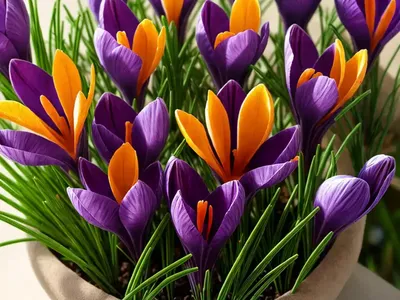
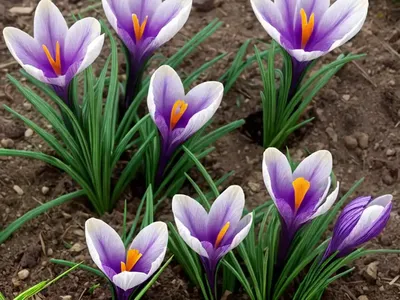
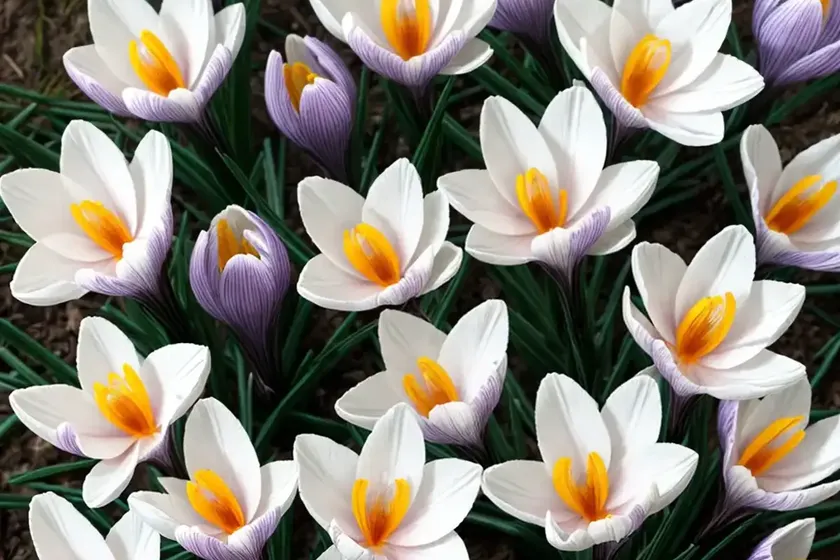
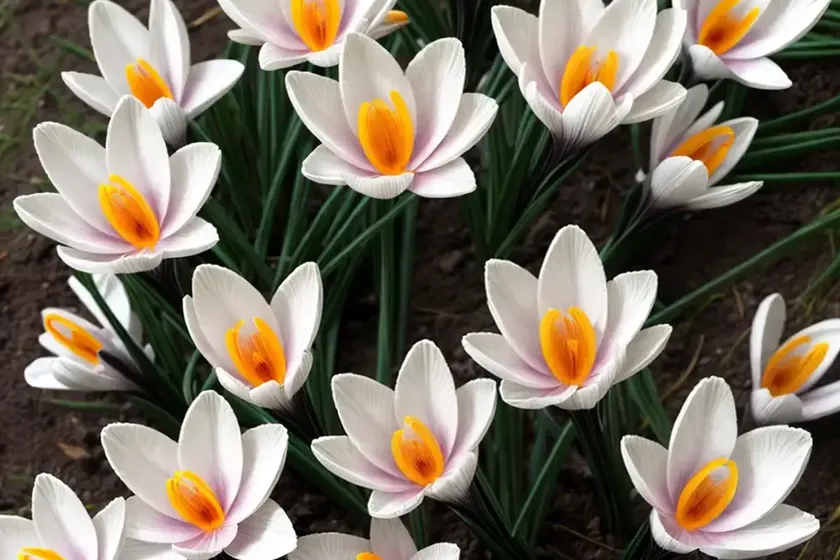
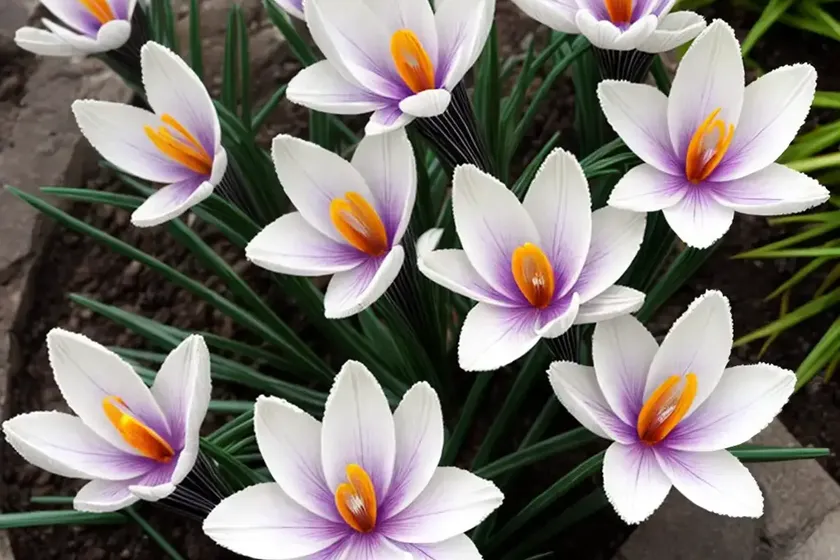
- Flowers: The flowers of Crocus chrysanthus ‘Herald’ are characterized by six delicate petals that surround prominent golden stamens. Each flower emerges from a small, cup-shaped structure and is adorned with vibrant purple or white petals, often marked with rich yellow or orange accents. These blossoms add a delightful splash of color to the early spring garden.
- Foliage: The foliage of Snow Crocus consists of slender, grass-like leaves that emerge from the base of the plant. These leaves are typically a rich green color and provide a lovely backdrop to the striking blooms.
- Size: This diminutive plant grows to a height of 3-4 inches, making it an ideal choice for rock gardens, borders, and containers.
Culture
Uses
The Crocus chrysanthus ‘Herald’ is an incredibly versatile plant that can be used in various ways to enhance the beauty of your garden. Here are some common uses of Snow Crocus:
- Beds and Borders: These charming little flowers can be planted en masse in beds and borders to create a stunning carpet of color. Their early bloom time often provides a much-needed burst of vitality after the dreary winter.
- Rock Gardens: The petite size and vibrant blooms of Crocus chrysanthus ‘Herald’ make it a perfect addition to rock gardens. When planted between rocks or along the edges of pathways, these flowers add a touch of whimsy and cheer.
- Naturalizing: Snow Crocus can be naturalized in grassy areas, creating a breathtaking display as they pop up across the lawn in early spring, welcoming the arrival of the new season.
- Containers: Due to their small size, Snow Crocus can be planted in containers, window boxes, and even decorative planters to liven up outdoor spaces, patios, and balconies.
Water
Snow Crocus has moderate water needs. It is essential to keep the soil evenly moist during its active growth phase. However, it is crucial to ensure that the soil is well-drained to prevent waterlogging, which can lead to rotting of the bulbs.
- Watering Tips: Water the plants when the top inch of the soil feels dry to the touch. During dry spells, provide supplemental watering to ensure the plants receive adequate moisture.
- Avoid Overwatering: Overwatering can be detrimental to the health of Snow Crocus. Always check the moisture level of the soil before watering and adjust the frequency based on the weather conditions.
Sunlight
Crocus chrysanthus ‘Herald’ thrives in full sun to partial shade. When selecting a planting location, consider the following sunlight requirements:
- Full Sun: Snow Crocus performs best when planted in an area that receives at least 6-8 hours of direct sunlight per day.
- Partial Shade: While the plant prefers full sun, it can also tolerate some shade, especially during the hottest part of the day. In regions with scorching summers, providing some afternoon shade can help protect the delicate blooms and foliage.
Fertilizer
Fertilizing Snow Crocus is not always necessary, as these bulbs are quite self-sufficient. However, providing a light feeding can help promote healthy growth and abundant flowering.
- Timing: Fertilize Snow Crocus in early spring, just as the new growth emerges.
- Type of Fertilizer: Use a balanced, all-purpose fertilizer with an NPK ratio of 10-10-10 or similar. Apply the fertilizer at half the recommended strength to avoid over-fertilizing the delicate bulbs.
- Application: Sprinkle the fertilizer evenly around the base of the plants, taking care to avoid direct contact with the foliage or blooms. Water the area thoroughly after applying the fertilizer to help the nutrients reach the root zone.
Soil
The soil requirements of Crocus chrysanthus ‘Herald’ are relatively simple, but they are essential for the health and performance of the plants. Good soil drainage is crucial to prevent bulb rot and other moisture-related issues.
Soil Preferences
- Well-Drained Soil: Snow Crocus thrives in well-drained, loamy soil. The soil should be able to retain moisture without becoming waterlogged.
- pH Level: The ideal soil pH for Snow Crocus is neutral to slightly acidic, ranging from 6.0 to 7.0.
- Improving Soil Drainage: In heavy or compacted soils, amending the planting area with organic matter such as compost, peat moss, or well-rotted manure can help improve drainage and create an optimal growing environment for the bulbs.
Pruning
Pruning requirements for Snow Crocus are minimal, as the plants naturally die back after flowering. However, there are a few simple steps you can take to care for the plants after they have finished blooming:
- Deadheading: After the flowers have faded, pinch off the spent blooms to prevent the plants from expending energy on seed production. This encourages the bulbs to store energy for the following year’s bloom.
- Foliage Care: Allow the foliage to yellow and wither naturally after blooming. This is the period when the bulbs replenish their nutrient reserves. Refrain from cutting or removing the foliage until it has turned brown and died back completely.
Propagation
Crocus chrysanthus ‘Herald’ can be propagated through several methods, including division of bulbs and seed propagation.
Division of Bulbs
- When to Divide: Lift and divide the bulbs every 3-5 years in late spring or early summer, several weeks after the foliage has died back. This allows the bulbs to rest and replenish their nutrients.
- Separation: Gently separate the smaller offset bulbs from the parent bulbs. Plant the offsets at the same depth as the parent bulbs immediately after division.
Seed Propagation
- Harvesting Seeds: Allow the spent flowers of Snow Crocus to form seed capsules. Once the capsules have ripened and turned brown, harvest the seeds.
- Sowing Seeds: Sow the seeds in a well-prepared seedbed or containers immediately after harvest. Cover the seeds lightly with soil and keep the area consistently moist until germination occurs.
Container
Snow Crocus is well-suited for container cultivation, and it can be a delightful addition to outdoor spaces, patios, and balconies. Here are some essential tips for growing Crocus chrysanthus ‘Herald’ in containers:
- Container Selection: Choose a shallow, well-draining container that is at least 6-8 inches deep. Ensure that the container has drainage holes at the bottom to prevent waterlogging.
- Planting Depth: Plant the bulbs at a depth of 2-3 inches in the container, ensuring that they are nestled securely in the soil.
- Sunlight and Water: Place the container in a location that receives ample sunlight, and water the bulbs as needed based on the moisture level of the soil.
- Winter Care: In regions with harsh winters, consider providing some protection to the containers, such as moving them to a sheltered location or covering them with a thick layer of mulch to insulate the bulbs from extreme cold.
Popularity
Snow Crocus is a popular choice among gardeners for several reasons:
- Early Bloomer: The early spring bloom time of Snow Crocus makes it a highly sought-after plant, as it provides a much-needed burst of color and cheer after the long winter.
- Ease of Cultivation: This plant is relatively easy to grow and requires minimal maintenance, making it an attractive option for both novice and experienced gardeners.
- Versatility: From beds and borders to rock gardens and containers, Snow Crocus can be used in various garden settings, adding a touch of charm and elegance wherever it is planted.
Common Diseases
While Snow Crocus is generally resilient, it may occasionally fall victim to certain diseases. Understanding these potential issues can help you take proactive steps to keep your plants healthy.
Disease Diagnosis
- Botrytis Blight: Also known as gray mold, botrytis blight can affect Snow Crocus, causing fuzzy gray growth on the flowers and foliage. Improving air circulation and avoiding overhead watering can help prevent this fungal disease.
- Fusarium Wilt: Fusarium wilt can lead to the wilting of the plant and the browning of foliage. This soilborne disease can be minimized by planting Snow Crocus in well-drained soil and ensuring good hygiene practices to prevent the spread of the pathogen.
Common Pests
While Snow Crocus is not typically a magnet for pests, there are a few potential insect pests that gardeners should watch out for.
- Squirrels and Rodents: These critters are known for digging up and consuming crocus bulbs. Protect the bulbs by covering the planting area with a wire mesh or using bulb protection products.
- Thrips: Thrips are tiny insects that can feed on the flowers of Snow Crocus, causing damage to the petals. Regular monitoring and the use of insecticidal soap can help control thrips infestations.
Botanist’s Tips
Here are some additional tips for successfully growing and enjoying Crocus chrysanthus ‘Herald’ in your garden:
- Plant in Groups: To create a stunning visual impact, plant Snow Crocus in large groups or clusters, allowing the delicate blooms to mingle and create a breathtaking display.
- Naturalization: Consider naturalizing Snow Crocus in lawns, meadows, and woodland areas to create a picturesque carpet of early spring blooms.
- Companion Plants: Pair Snow Crocus with other early-spring bloomers such as daffodils, tulips, and hyacinths to create diverse and captivating garden displays.
Fun Facts
- The name “crocus” is derived from the Greek word “krokos,” which refers to a type of plant used to produce saffron, an expensive spice known for its vibrant color and distinct flavor.
- Crocus flowers are revered for their valuable pollen, which is an important source of food for bees in early spring, helping to support the pollinators as they emerge from winter.
Links to External Resources
For further information on Crocus chrysanthus ‘Herald’ (Snow Crocus), here are some valuable resources:
- (Crocus chrysanthus ‘Herald’ care)
- (Snow Crocus planting guide)
- (Crocus chrysanthus ‘Herald’ characteristics)
- (Snow Crocus bulbs for sale)
- (Growing Crocus chrysanthus ‘Herald’)
- (Snow Crocus maintenance tips)
- (Crocus chrysanthus ‘Herald’ varieties)
- (Snow Crocus blooming season)
- (Crocus chrysanthus ‘Herald’ propagation methods)
- (Snow Crocus garden design)
Conclusion
Crocus chrysanthus ‘Herald’ (Snow Crocus) is a delightful plant that brings vibrancy and cheer to the garden, heralding the arrival of spring with its early blooms. Whether planted in beds, borders, rock gardens, or containers, Snow Crocus captivates with its charming flowers and ease of cultivation. By understanding its cultural requirements, uses, maintenance, and more, you can enhance your gardening experience and revel in the beauty of this enchanting perennial.
It is my hope that this guide provides you with valuable insights into the world of Snow Crocus and inspires you to cultivate these delightful plants in your own garden. Happy gardening!