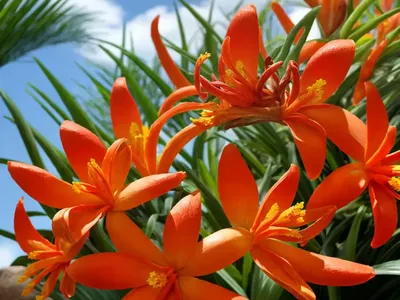
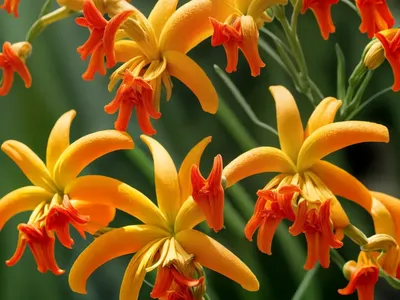
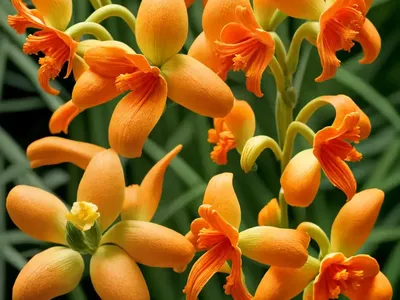
Crocosmia X Crocosmiiflora ‘George Davison’)
Crocosmia, known for its eye-catching, brilliant flowers, is a genus of perennial plants native to Africa. Among the numerous cultivars within this genus.
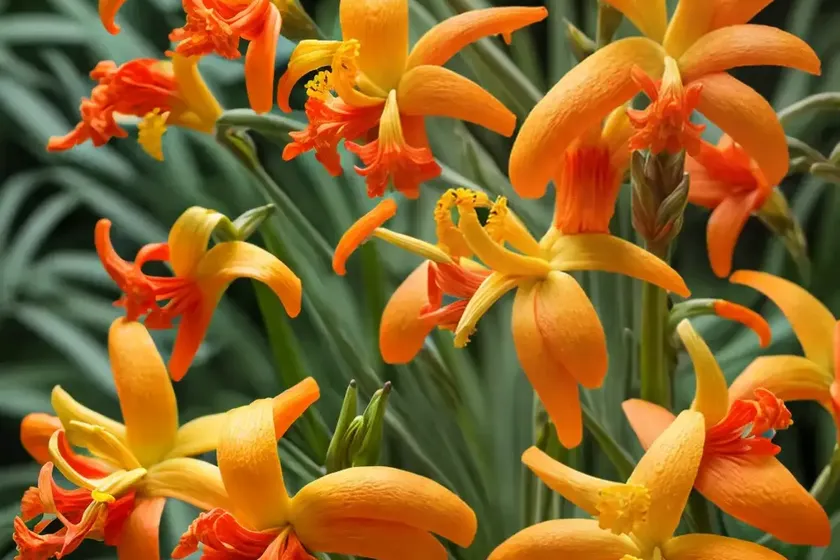
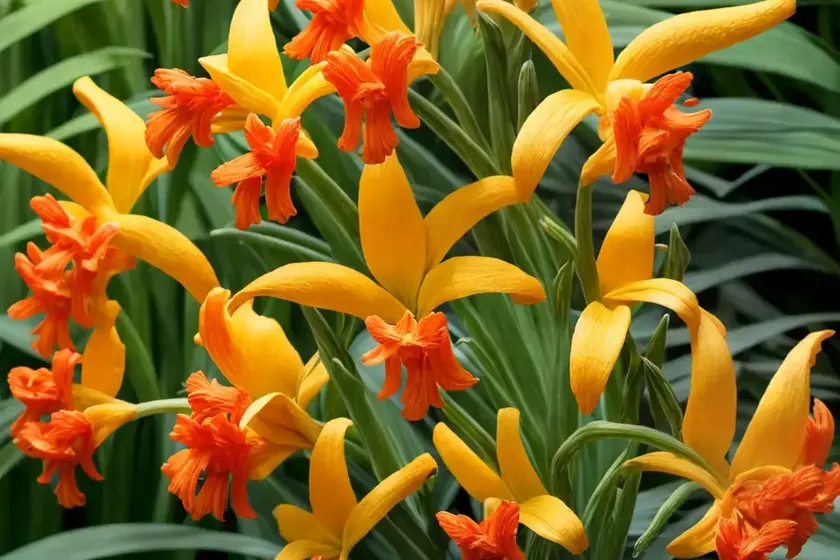
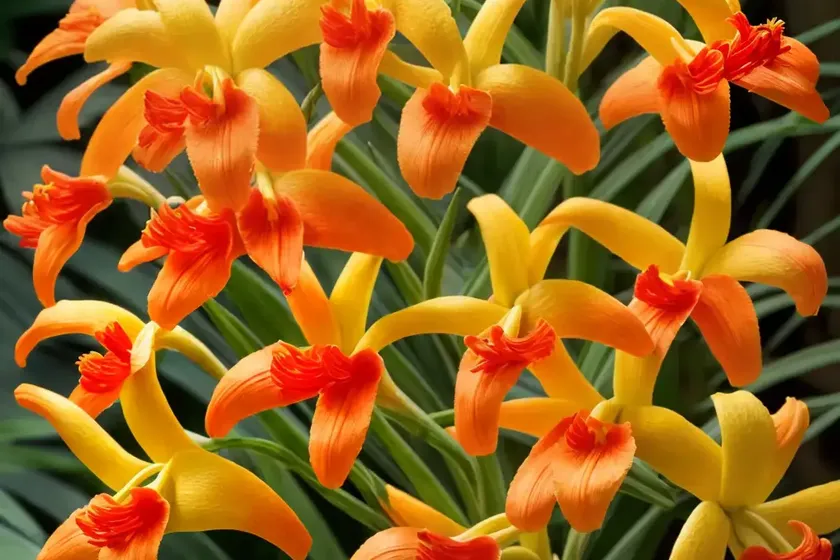
Crocosmia, known for its eye-catching, brilliant flowers, is a genus of perennial plants native to Africa. Among the numerous cultivars within this genus, the Crocosmia x crocosmiiflora ‘George Davison’ stands out for its breathtaking floral display and versatility in gardens and landscapes. As a plant scientist with a passion for analyzing and understanding plant species, I am delighted to delve into the world of the George Davison Crocosmia, exploring its characteristics, cultural requirements, and ecosystem benefits. In this comprehensive guide, you will discover the essential details you need to cultivate and appreciate this stunning plant.
What is Crocosmia x crocosmiiflora ‘George Davison’?
The Crocosmia x crocosmiiflora ‘George Davison’, a hybrid of the Crocosmia genus, is a remarkable flowering plant that captivates with its vibrant blooms and graceful foliage. Typically found in shades of red, orange, or yellow, the flowers of the George Davison Crocosmia add a splash of color to gardens and landscapes, making it a popular choice among horticulturists and garden enthusiasts.
Key Takeaways
The George Davison Crocosmia is a noteworthy flowering plant due to the following key characteristics:
- Crocosmia Hybrid ‘George Davison’: A hybrid species within the Crocosmia genus featuring striking blooms and elegant foliage.
- Floral Beauty: Known for its vibrant and showy flowers in hues of red, orange, and yellow, enhancing the visual appeal of any space.
- Versatility in Design: Suitable for various garden designs, including wildlife gardens, container gardening, and landscape borders.
- Low-Maintenance Qualities: Exhibits resilience and requires minimal maintenance, making it an excellent choice for both experienced gardeners and beginners.
As we embark on unraveling the intricacies of the George Davison Crocosmia, we will delve into its cultural requirements, uses in different environments, and its role in supporting local ecosystems.
Culture
Uses
With its striking visual appeal, the George Davison Crocosmia serves various horticultural and aesthetic purposes, adding charm and elegance to diverse settings. Some common uses include:
- Garden Borders: Enhances the beauty of garden borders with its vivid flowers and lush foliage.
- Container Gardening: Ideal for container planting, adding a pop of color to patios, decks, or smaller outdoor spaces.
- Cut Flower Arrangements: Serves as a stunning focal point in cut flower arrangements, bringing the beauty of the outdoors into interior spaces.
- Pollinator Gardens: Attracts pollinators such as bees and butterflies, contributing to the health and diversity of local ecosystems.
Water
Proper watering is crucial for the healthy growth and flowering of the George Davison Crocosmia. While this plant can tolerate some drought, providing regular moisture is essential, especially during periods of active growth and flowering. Here are some key points to consider regarding watering:
- Moderate Watering: Maintain consistent moisture levels in the soil, especially during dry spells or in containers.
- Avoid Waterlogging: Ensure well-draining soil to prevent waterlogging, which can lead to root rot and other water-related issues.
- Watering Frequency: Water deeply when the soil surface feels dry, allowing the roots to access moisture at deeper levels.
Sunlight
As a sun-loving plant, the George Davison Crocosmia thrives in bright, sunny locations that receive ample sunlight throughout the day. Providing the plant with the right amount of sunlight is essential for promoting robust growth and prolific flowering. Here are some important considerations regarding sunlight requirements:
- Full Sun Exposure: Ideally, the plant should receive at least 6-8 hours of direct sunlight daily for optimal growth and flowering.
- Partial Shade: While the plant prefers full sun, it can tolerate partial shade, especially in regions with intense heat or during the hottest part of the day.
Fertilizer
Appropriate fertilization plays a crucial role in supporting the growth, development, and blooming of the George Davison Crocosmia. By supplying essential nutrients, fertilizers contribute to the overall health and vigor of the plant. Here are some key points to consider regarding fertilization:
- Balanced Fertilizer: Apply a balanced, water-soluble fertilizer during the growing season to provide the necessary nutrients for healthy growth and abundant flowering.
- Timing: Fertilize at the beginning of the growing season and then again after the first bloom to support continuous flowering.
- Avoid Overfertilization: Follow the recommended dosage to prevent overfertilization, which can lead to excessive foliage growth at the expense of flower production.
Soil
The choice of soil is vital in ensuring the optimal growth and performance of the George Davison Crocosmia. Well-draining soil rich in organic matter provides the ideal foundation for this plant to flourish. Here are some important considerations regarding soil preferences:
- Well-Draining Soil: Select or prepare soil that offers good drainage to prevent waterlogging and root rot.
- Organic Matter: Enhance the soil with organic matter such as compost or well-rotted manure to improve its structure, fertility, and moisture retention capabilities.
- Soil pH: The ideal soil pH for Crocosmia is slightly acidic to neutral (pH 6.0-7.0), providing an optimal environment for nutrient uptake and overall plant health.
Pruning
Proper pruning helps maintain the attractive appearance of the George Davison Crocosmia and promotes vigorous growth and flowering. Pruning practices primarily focus on removing spent flowers and managing foliage to achieve a tidy and healthy plant. Here are some key points to consider regarding pruning:
- Deadheading: Regularly deadhead faded flowers to stimulate continuous blooming and prevent the plant from expending energy on seed production.
- Foliage Management: Remove yellowing or damaged foliage to maintain the plant’s aesthetic appeal and overall health.
- Division: Every few years, divide overcrowded clumps to rejuvenate the plant, improve flowering, and propagate new plants.
Propagation
Propagating the George Davison Crocosmia allows for the expansion of your plant collection and the sharing of its beauty with fellow gardening enthusiasts. The most common propagation methods for this plant include division and seed propagation. Here’s a brief overview of these propagation techniques:
- Division: Divide mature clumps in spring or autumn, ensuring each division has healthy rhizomes and adequate roots for successful establishment.
- Seed Propagation: Collect and sow seeds in a well-prepared seedbed or containers, providing appropriate warmth and moisture for germination and early growth.
Container Popularity
The George Davison Crocosmia’s adaptability and stunning display make it a popular choice for container gardening. When grown in containers, this plant serves as a versatile and eye-catching addition to patios, balconies, and other outdoor spaces. The following points highlight the benefits of cultivating the George Davison Crocosmia in containers:
- Space Optimization: Ideal for small gardens, urban spaces, or areas with limited planting areas, allowing for the enjoyment of its beauty in a confined setting.
- Visual Impact: Adds a vibrant touch to outdoor living spaces, serving as a focal point or complementing other container plants.
- Portability: Provides the flexibility to move the plant to different locations based on sunlight requirements, seasonal preferences, or aesthetic considerations.
Common Diseases
While generally resilient, the George Davison Crocosmia is susceptible to certain diseases and environmental stressors that can affect its health and vigor. Understanding common diseases and their management is crucial for maintaining the plant’s vitality. Here are some prevalent diseases that may affect this species:
- Leaf Spot Diseases: Caused by various fungi, leaf spot diseases manifest as dark spots or lesions on the plant’s foliage, potentially leading to defoliation and reduced vigor.
- Root Rot: Excessive moisture or poorly draining soil can lead to root rot, jeopardizing the plant’s root system and overall health.
- Rust: Characterized by rusty-colored pustules on leaves and stems, rust can weaken the plant and affect its aesthetic appeal.
Disease Diagnosis
Early detection and proper diagnosis of plant diseases are essential for implementing effective management strategies. When observing potential signs of disease on the George Davison Crocosmia, consider the following diagnostic steps:
- Visual Assessment: Inspect the plant’s leaves, stems, and overall appearance for any abnormal discoloration, lesions, or unusual patterns.
- Symptom Identification: Note the specific symptoms exhibited by the plant, such as leaf spots, wilting, or abnormal growth.
- Consultation: Engage with local horticultural experts, extension services, or diagnostic laboratories for assistance in identifying and addressing potential diseases.
Common Pests
Pests, both insect and animal, can pose a threat to the health and aesthetics of the George Davison Crocosmia. Vigilance, early intervention, and appropriate pest management techniques are essential for preserving the beauty and vitality of the plant. Here are some common pests that may affect this species:
- Aphids: These small, sap-sucking insects can cause distorted growth and the development of sticky honeydew on the plant’s foliage.
- Thrips: Thrips feed on the plant’s tissue, leading to silvering or bronzing of leaves and deformed flowers.
- Snails and Slugs: These mollusks can feed on the plant’s foliage and flowers, leaving behind irregular holes and damage.
As a seasoned plant scientist, I am pleased to share some expert tips for cultivating and enjoying the beauty of the George Davison Crocosmia. These insights and recommendations aim to enhance your experience with this remarkable plant:
- Soil Preparation: Prior to planting, enrich the soil with organic matter to improve its structure and fertility, providing an optimal foundation for the plant’s growth.
- Watering Considerations: Monitor soil moisture levels carefully, ensuring the plant receives adequate water, especially during the growing season and periods of drought.
- Companion Planting: Pair the George Davison Crocosmia with complementary plants, such as ornamental grasses, salvias, or sedums, to create visually appealing and harmonious garden compositions.
- Wildlife Habitat: Embrace the plant’s role in supporting pollinators, birds, and beneficial insects, contributing to the ecological balance in your garden or landscape.
The George Davison Crocosmia is not only a captivating and versatile plant but also holds intriguing and noteworthy characteristics. Here are some fun and intriguing facts about this remarkable species:
- Attracts Hummingbirds: The vibrant flowers of the George Davison Crocosmia are a favorite of hummingbirds, adding an enchanting element to the garden.
- Heritage Curation: The Crocosmia genus has a rich history, with certain species originating from South Africa and being cultivated in gardens and botanical collections worldwide.
- Rhizomatous Growth: The George Davison Crocosmia exhibits a spreading growth habit through its rhizomatous roots, forming dense clumps over time.
- Long-Lasting Blooms: Enjoy an extended flowering period with the George Davison Crocosmia, as its blossoms persist for several weeks, providing ongoing visual delight.
For further exploration and in-depth information on the George Davison Crocosmia, consider the following reputable resources:
- Royal Horticultural Society – Crocosmia Cultivation Guide
- Missouri Botanical Garden – Crocosmia x crocosmiiflora ‘George Davison’
- Kew Royal Botanic Gardens – Growing Crocosmia in your Garden
In conclusion, the George Davison Crocosmia stands as a remarkable plant with its captivating flowers, adaptability, and ecological contributions. By understanding its cultural requirements, recognizing potential challenges, and embracing its unique attributes, enthusiasts can cultivate and appreciate this exceptional species, adding beauty and biodiversity to their outdoor spaces. Whether employed in garden borders, container displays, or pollinator-friendly settings, the George Davison Crocosmia remains a charming and valuable addition to horticultural landscapes.