Crocosmia Lucifer (Crocosmia ‘Lucifer’)
Crocosmia Lucifer, scientifically known as Crocosmia ‘Lucifer’, is a stunning ornamental plant that has garnered attention for its vibrant red flowers and.
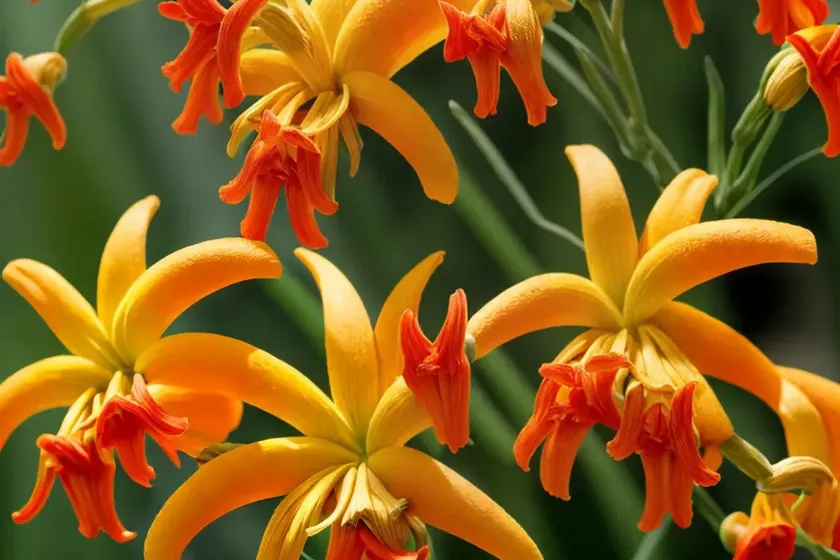
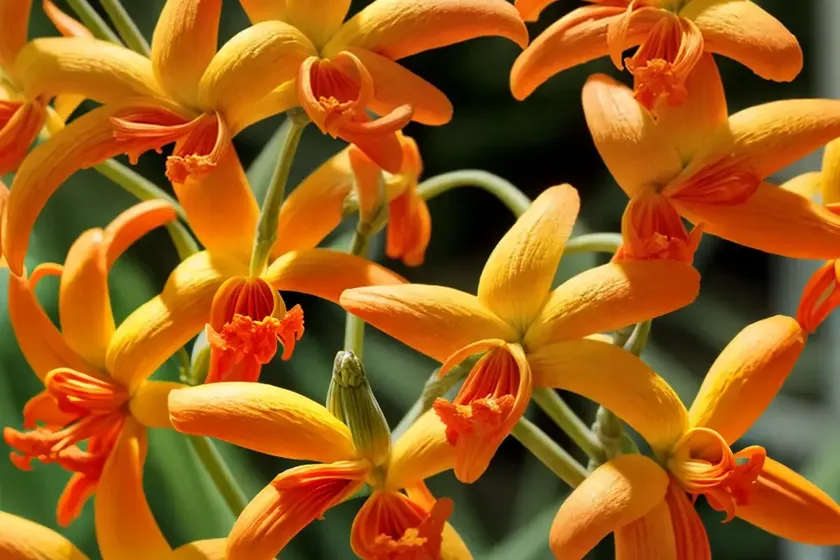
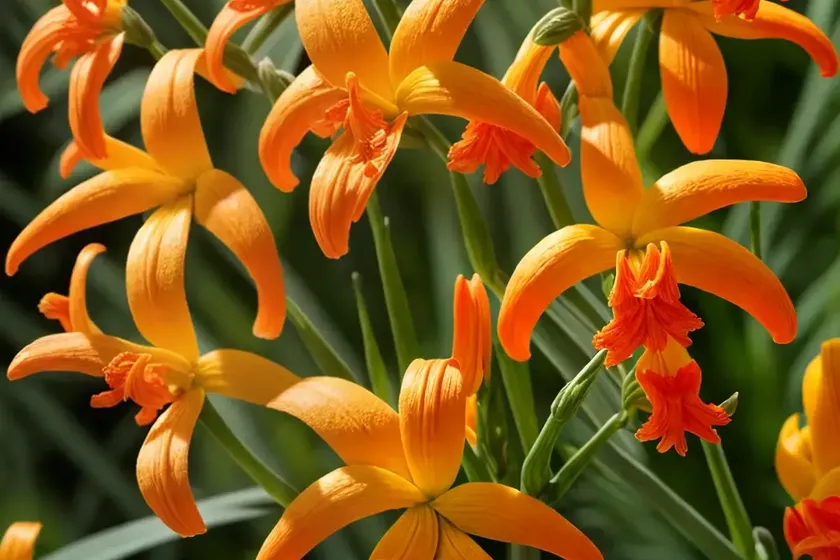
Crocosmia Lucifer, scientifically known as Crocosmia ‘Lucifer’, is a stunning ornamental plant that has garnered attention for its vibrant red flowers and sword-like foliage. In this comprehensive guide, we will delve into the cultivation, care tips, characteristics, and uses of the Crocosmia Lucifer. Whether you are a seasoned gardener or a novice enthusiast looking to add a pop of color to your landscapes, this guide will equip you with all the essential information to successfully grow and maintain the Crocosmia Lucifer plant.
What is Crocosmia Lucifer?
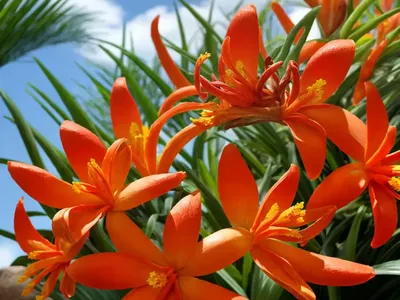
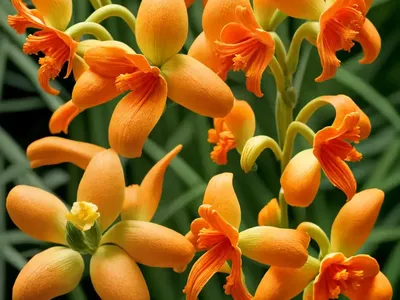
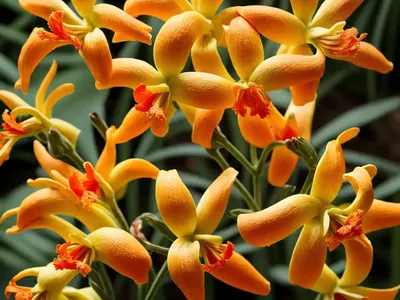
Crocosmia Lucifer, a hybrid cultivar, belongs to the Crocosmia genus within the Iridaceae family. It is a herbaceous perennial that is native to the grasslands of South Africa. The plant is characterized by its upright, sword-shaped leaves and striking, tubular flowers that bloom in vibrant shades of red, creating a visual spectacle in gardens and landscapes.
Plant Characteristics
The Crocosmia Lucifer plant exhibits several distinct characteristics that make it a sought-after addition to gardens and floral arrangements:
- Height: The plant typically reaches a height of 3 to 4 feet, adding stature and vertical interest to garden beds.
- Flowers: The vibrant red flowers are borne on arching stems, creating a striking contrast against the green foliage.
- Foliage: Its sword-like leaves are long and slender, adding a unique texture to the plant’s overall appearance.
- Blooming Period: The plant blooms from midsummer to early autumn, providing a prolonged period of colorful blossoms.
Now that we have glimpsed into the unique traits of Crocosmia Lucifer, let’s delve into the essential aspects of its cultivation and care.
Crocosmia Lucifer Cultivation
The successful cultivation of Crocosmia Lucifer hinges on providing the plant with the optimal growing conditions, including sunlight, water, soil, and proper maintenance. Here’s a comprehensive guide to help you cultivate and care for this stunning plant.
Sunlight
Crocosmia Lucifer thrives in full sun to partial shade. When selecting a planting location, ensure that the site receives at least 6 hours of direct sunlight daily. However, in warmer regions, providing some afternoon shade can prevent the plant from becoming stressed due to excessive heat.
Water
When it comes to watering Crocosmia Lucifer, it is crucial to maintain a balance. While the plant requires consistent moisture, it is susceptible to root rot if left in standing water. Here are some watering guidelines to keep in mind:
- Establishment Phase: During the first growing season, ensure that the plant receives regular watering to aid in root establishment.
- Mature Plants: Once established, Crocosmia Lucifer showcases good drought tolerance. Water the plant when the top inch of the soil feels dry, providing deep soakings rather than frequent shallow waterings.
Soil
The soil composition plays a significant role in the overall health and growth of Crocosmia Lucifer. The plant thrives in well-draining, fertile soils. Consider amending the soil with organic matter, such as compost, to improve its texture and nutrient content.
- pH Level: Crocosmia Lucifer prefers slightly acidic to neutral soil with a pH range of 6.0 to 6.8.
Fertilizer
To support healthy growth and prolific flowering, applying a balanced fertilizer can provide the necessary nutrients for the plant. Consider using a slow-release fertilizer in early spring to promote vigorous growth and abundant blooms.
Pruning
Pruning is an essential aspect of Crocosmia Lucifer maintenance, as it helps in rejuvenating the plant and managing its size. Here are key pruning techniques for the plant:
- Deadheading: Remove spent flower stalks to encourage continuous blooming and prevent self-seeding.
- Division: Every few years, consider dividing the plant to maintain its vigor and prevent overcrowding.
Propagation and Container Gardening
Crocosmia Lucifer can be propagated through division, making it a versatile plant for expanding your garden or sharing with fellow gardening enthusiasts. Here are the steps to successfully propagate the plant:
- Division: In early spring, carefully lift the plant and divide the rhizomes, ensuring that each division has healthy roots and shoots.
- Planting: Replant the divisions in prepared soil, spacing them at least 12 inches apart to allow for proper growth and airflow.
Additionally, Crocosmia Lucifer can thrive in containers, adding a vibrant pop of color to patios, balconies, and other outdoor spaces. When selecting a container, ensure it has drainage holes to prevent waterlogging, and use a well-draining potting mix rich in organic matter.
Uses of Crocosmia Lucifer
Crocosmia Lucifer offers multifaceted uses in gardens, landscapes, and floral arrangements, making it a versatile and popular choice among gardeners and florists. Here’s an overview of its diverse uses:
- Garden Borders: Plant Crocosmia Lucifer along garden borders to create a bold and eye-catching display of flowers and foliage.
- Cut Flowers: The vibrant blooms and long stems make Crocosmia Lucifer an excellent choice for fresh-cut flower arrangements, adding a touch of elegance to floral compositions.
- Wildlife Gardens: The nectar-rich flowers attract pollinators, such as bees and hummingbirds, making it a valuable addition to wildlife-friendly gardens.
Common Diseases and Pest Control
While Crocosmia Lucifer is a relatively low-maintenance plant, it is essential to keep an eye out for potential diseases and pests that can affect its health and vigor. Here’s an overview of common diseases and effective pest control methods:
Common Diseases
- Leaf Spot: This fungal disease can manifest as dark spots on the leaves, leading to defoliation and weakened plant health. To prevent leaf spot, ensure good air circulation and avoid overhead watering.
- Root Rot: Overly saturated soils can lead to root rot, causing the plant to exhibit wilting and yellowing leaves. To prevent root rot, ensure proper drainage and watering practices.
Pest Control
- Aphids: These small, sap-sucking insects can infest Crocosmia Lucifer, causing distorted growth and yellowing leaves. Use insecticidal soap or neem oil to control aphid infestations.
- Spider Mites: These tiny pests can cause stippling on the leaves and create fine webbing. Regularly spraying the plant with water can help deter and control spider mite populations.
Crocosmia Lucifer in Landscapes and Garden Design
In landscape design, Crocosmia Lucifer plays a pivotal role in creating visually captivating displays and adding seasonal dynamism to outdoor spaces. Here are some key considerations when incorporating Crocosmia Lucifer into landscapes:
- Mixed Borders: Plant Crocosmia Lucifer alongside other perennials and ornamental grasses to create dynamic and diverse border plantings.
- Mass Plantings: Create a visually striking impact by mass planting Crocosmia Lucifer in garden beds or open spaces, allowing the vibrant red blooms to steal the spotlight.
- Companion Plants: Pair Crocosmia Lucifer with complementary plants, such as ornamental grasses, salvias, and daylilies, to create harmonious and aesthetically pleasing combinations.
Crocosmia Lucifer: A Pollinator-Friendly Plant
Crocosmia Lucifer’s vibrant flowers hold great appeal for pollinators, making it an attractive choice for gardeners looking to create pollinator-friendly habitats and support local wildlife. The nectar-rich blooms of Crocosmia Lucifer attract a diverse array of pollinators, including bees, butterflies, and hummingbirds, enhancing the ecological diversity of garden spaces.
Fun Facts about Crocosmia Lucifer
- Folklore: The genus name “Crocosmia” is derived from the Greek words “krokos” (saffron) and “osme” (odor), alluding to the saffron-like scent emitted from the dried flowers of some species.
- Fire Element: The vibrant red flowers of Crocosmia Lucifer symbolize the element of fire, adding a bold and fiery presence to gardens and landscapes.
- Naturalizing: In favorable growing conditions, Crocosmia Lucifer has the potential to naturalize and spread, forming visually stunning colonies of fiery blooms.
Botanist’s Tips for Growing Crocosmia Lucifer
To ensure optimal growth and blooming of Crocosmia Lucifer, consider these expert tips:
- Adequate Air Circulation: Ensure proper spacing between plants to promote good air circulation, reducing the risk of foliar diseases.
- Mulching: Apply a layer of organic mulch around the base of the plant to conserve soil moisture and suppress weed growth.
- Deadheading: Regularly remove spent flower stalks to encourage continuous blooming and prevent self-seeding.
Crocosmia Lucifer Varieties
Crocosmia Lucifer belongs to the larger Crocosmia genus, which encompasses several other captivating varieties and hybrids. Some popular Crocosmia varieties include:
- Crocosmia ‘Emily McKenzie’: This variety features vibrant orange flowers and adds a warm and inviting touch to garden settings.
- Crocosmia ‘Lucifer’s Broom’: With a more compact growth habit, this variety is well-suited for smaller garden spaces and container plantings.
- Crocosmia ‘Solfaterre’: Known for its elegant, yellow blooms, this variety introduces a contrasting hue to floral compositions.
Links to External Resources
Expand your knowledge and explore more insights into the world of Crocosmia Lucifer with these valuable external resources:
- Royal Horticultural Society – Crocosmia Cultivation Guide
- Missouri Botanical Garden – Crocosmia Information
- University of California – Crocosmia Growing Guide
- American Society for the Prevention of Cruelty to Animals – Crocosmia Poisonous to Pets
Conclusion
Crocosmia Lucifer, with its fiery blooms and captivating foliage, stands as a testament to the beauty and resilience of ornamental plants. Whether incorporated into landscapes, floral arrangements, or wildlife-friendly gardens, Crocosmia Lucifer adds dynamic color, texture, and ecological value to outdoor spaces. By understanding its cultivation, uses, and role in garden ecology, gardeners can leverage the unique attributes of Crocosmia Lucifer to create visually stunning and thriving garden settings.
As you embark on your journey of cultivating Crocosmia Lucifer, remember to embrace its vibrant presence, support its pollinator allies, and celebrate its enduring beauty throughout the seasons.
Now armed with comprehensive insights into Crocosmia Lucifer, you are well-equipped to embark on a rewarding journey of exploring and nurturing this extraordinary plant. Happy gardening!