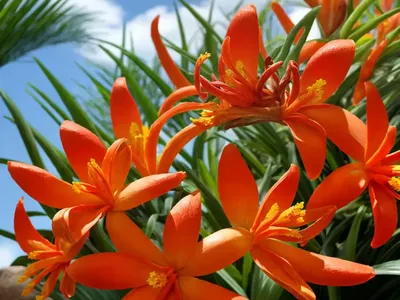
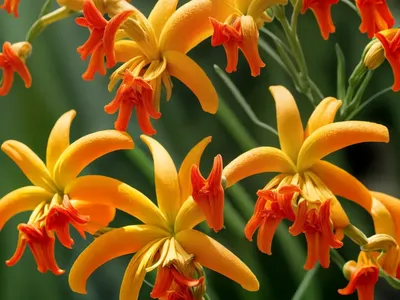
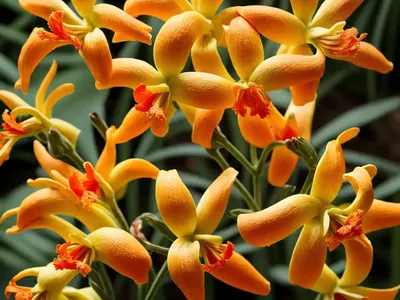
Crocosmia X Crocosmiiflora ‘Solfatare’)
Crocosmia x crocosmiiflora ‘Solfatare’ is a delightful and vibrant flowering plant that adds a stunning pop of color to any garden. With its striking.
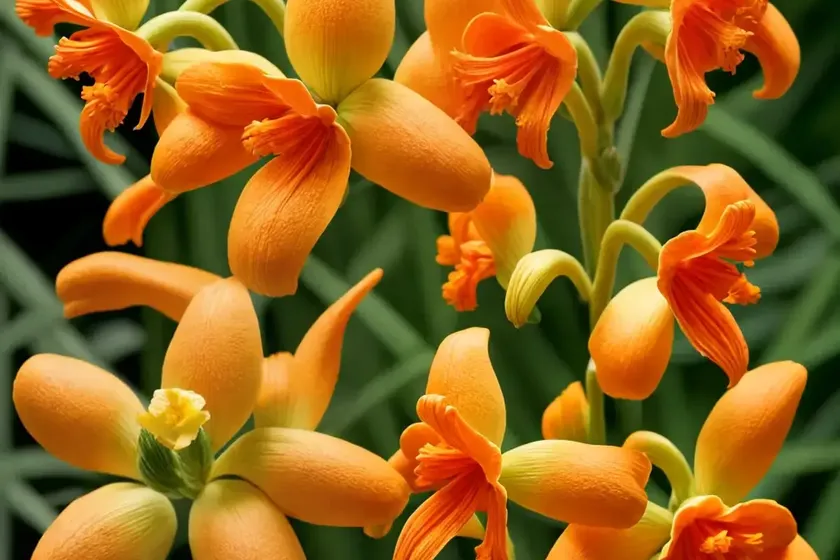
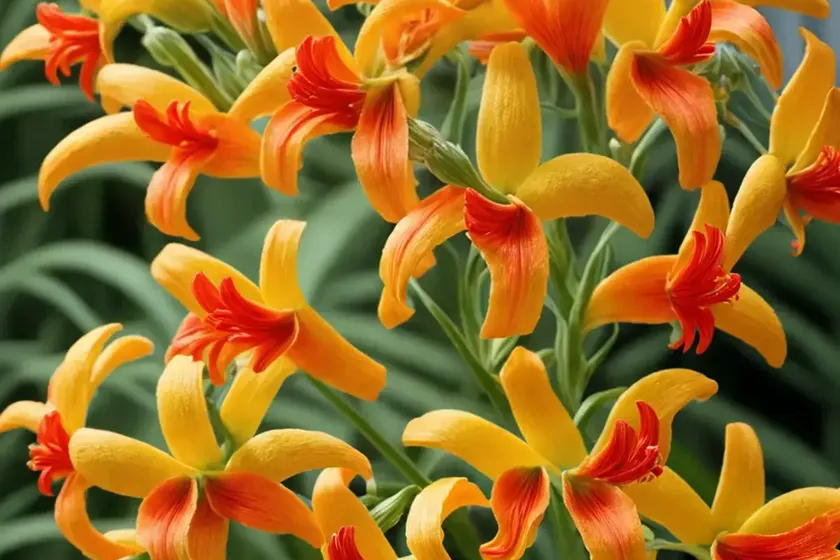
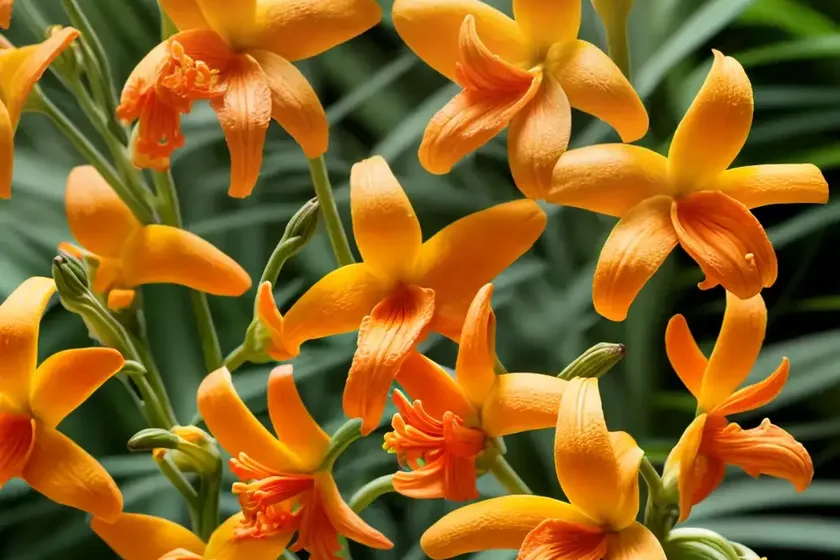
Crocosmia x crocosmiiflora ‘Solfatare’ is a delightful and vibrant flowering plant that adds a stunning pop of color to any garden. With its striking blooms and relatively low maintenance requirements, it has become a popular choice for gardeners looking to add a touch of exotic flair to their outdoor spaces. In this comprehensive guide, we will explore the characteristics of Crocosmia x crocosmiiflora ‘Solfatare’, as well as provide valuable insights into its care, maintenance, and cultivation.
What is Crocosmia x crocosmiiflora ‘Solfatare’?
Crocosmia x crocosmiiflora ‘Solfatare’ is a hybrid variety of crocosmia, which belongs to the iris family, Iridaceae. This perennial plant is native to South Africa and is characterized by its sword-shaped foliage and abundant clusters of vibrant, funnel-shaped flowers. The ‘Solfatare’ cultivar specifically features eye-catching blooms in shades of fiery orange and yellow, making it a standout addition to any garden or landscape.
Key Takeaways
- Botanical Name: Crocosmia x crocosmiiflora ‘Solfatare’
- Common Name: Montbretia ‘Solfatare’
- Plant Type: Perennial
- Mature Size: 2-3 feet in height, 1-1.5 feet in spread
- Sun Exposure: Full sun to partial shade
- Soil Type: Well-draining, fertile soil
- Bloom Time: Summer to early fall
- Hardiness Zones: 5-9
- Watering: Average water needs
- Maintenance: Low
Characteristics of Crocosmia x crocosmiiflora ‘Solfatare’
Before delving into the various aspects of caring for Crocosmia x crocosmiiflora ‘Solfatare’, let’s take a closer look at its defining characteristics:
- Foliage: The plant features attractive, sword-like green leaves that form dense clumps. The foliage serves as an elegant backdrop to the vibrant blooms and remains visually appealing even when the plant is not in flower.
- Flowers: The ‘Solfatare’ cultivar is renowned for its stunning flowers, which form in loose, arching sprays. Each flower is tubular in shape, with six spreading tepals, and sports vivid shades of yellow and orange that inject a burst of color into the landscape.
- Height and Spread: When fully mature, Crocosmia x crocosmiiflora ‘Solfatare’ typically reaches a height of 2 to 3 feet, with a spread of 1 to 1.5 feet. The plant forms dense clumps, making it an ideal choice for filling in gaps in the garden or creating vibrant borders.
Growing Conditions for Crocosmia x crocosmiiflora ‘Solfatare’
In order to cultivate healthy and thriving Crocosmia x crocosmiiflora ‘Solfatare’ plants, it is essential to provide the ideal growing conditions that are conducive to its overall health and vigor. Let’s explore the key requirements for successfully growing this striking perennial:
Sunlight
Crocosmia x crocosmiiflora ‘Solfatare’ thrives in full sun to partial shade. Ideally, it should be planted in a location that receives at least 6-8 hours of sunlight per day. While the plant can tolerate partial shade, it may not bloom as prolifically in shadier conditions. Therefore, to ensure abundant and vibrant flowering, prioritize a sunny spot for your ‘Solfatare’ crocosmia.
Soil
The soil in which Crocosmia x crocosmiiflora ‘Solfatare’ is planted plays a crucial role in its overall health and growth. The ideal soil type for this perennial is well-draining and fertile. It is important to ensure that the soil has good drainage to prevent waterlogging, as excessive moisture can lead to root rot and other issues. Amending the soil with organic matter, such as compost or well-rotted manure, can significantly improve its fertility and structure, which in turn benefits the growth of the plant.
Water
When it comes to watering Crocosmia x crocosmiiflora ‘Solfatare’, it is important to maintain a balanced approach. While the plant has average water needs, it is essential to establish a consistent watering schedule, particularly during dry spells or periods of prolonged drought. Adequate moisture is especially crucial during the plant’s active growth and blooming stages. However, it is equally important to avoid overwatering, as excessive moisture can lead to root rot and other fungal issues.
Fertilizer
Proper fertilization can greatly contribute to the overall health and vigor of Crocosmia x crocosmiiflora ‘Solfatare’. Applying a balanced, all-purpose fertilizer in spring as new growth emerges can provide the necessary nutrients for robust flowering and healthy foliage. Additionally, a top-dressing of organic compost or well-rotted manure in the early spring can help maintain soil fertility and contribute to the plant’s long-term well-being.
Care Tips for Crocosmia x crocosmiiflora ‘Solfatare’
Once the growing conditions have been established, it is essential to implement proper care practices to ensure the ongoing health and vitality of Crocosmia x crocosmiiflora ‘Solfatare’. The following care tips are invaluable for nurturing thriving ‘Solfatare’ crocosmia plants:
-
Pruning: Deadhead the spent blooms to encourage continuous flowering and maintain a tidy appearance. Additionally, remove any damaged, diseased, or yellowing foliage to promote overall plant health.
-
Propagation: Crocosmia x crocosmiiflora ‘Solfatare’ can be propagated through division. Every 3-4 years, divide the plant in early spring to rejuvenate its growth and prevent overcrowding.
-
Container Gardening: While Crocosmia x crocosmiiflora ‘Solfatare’ is typically grown in garden beds or borders, it can also thrive in containers. When planting in containers, ensure that the pots have adequate drainage holes and use a well-draining potting mix. Provide regular watering and maintain a consistent feeding schedule for container-grown ‘Solfatare’ crocosmia.
-
Companion Plants: Consider pairing Crocosmia x crocosmiiflora ‘Solfatare’ with other perennial plants that complement its color palette and growing requirements. Suitable companion plants include agapanthus, astilbe, daylilies, and ornamental grasses.
-
Disease and Pest Control: Monitor the plant regularly for signs of disease or pest infestations, such as aphids, spider mites, or iris borer. Employing proper cultural practices, such as adequate spacing between plants, good air circulation, and appropriate watering, can help prevent common issues.
-
Winter Care: In regions with cold winters, provide winter protection by applying a layer of mulch around the base of the plant to insulate the roots. This helps prevent frost heaving and protects the plant from extreme temperature fluctuations.
-
Refresh Techniques: Every few years, consider lifting and dividing established clumps to rejuvenate the plant, promote healthy growth, and ensure continued vigor and vitality.
Common Diseases and Pests
While Crocosmia x crocosmiiflora ‘Solfatare’ is relatively resilient, it is still susceptible to certain diseases and pests. Being able to identify and address these common issues is crucial in maintaining the health and vibrancy of the plant.
Common Diseases
-
Leaf Blight: This fungal disease is characterized by the appearance of brown spots or lesions on the leaves. To prevent leaf blight, water the plant at the base to avoid wetting the foliage, and promptly remove and destroy any affected leaves.
-
Root Rot: Excessive moisture and poor drainage can lead to root rot, resulting in yellowing foliage and overall decline. To avoid this issue, ensure proper soil drainage and avoid overwatering.
Disease Diagnosis
-
Symptoms: Look for signs of discolored or spotted leaves, stunted growth, and general wilting or decline. Upon observing any of these symptoms, conduct a thorough inspection of the plants to diagnose the specific issue.
-
Treatment: If a disease is suspected, it is important to promptly address the problem by implementing appropriate treatment measures, which may include removing affected foliage, improving growing conditions, or employing targeted fungicidal treatments.
Common Pests
-
Aphids: These small, soft-bodied insects can gather on the foliage and flower buds, causing damage and distortion. Regularly inspect the plants and employ natural predators, such as ladybugs, or use a strong jet of water to dislodge the aphids.
-
Iris Borer: This pest can target the rhizomes of crocosmia, causing damage and potentially killing the plant. Regularly inspect the base of the plant for signs of borer activity and promptly address any infestations.
Botanist’s Tips for Growing Crocosmia x crocosmiiflora ‘Solfatare’
To further enhance the success of cultivating Crocosmia x crocosmiiflora ‘Solfatare’ and ensure its optimal growth and blooming, consider the following insightful tips from botanists and seasoned gardeners:
-
Monitor Moisture Levels: Pay close attention to the moisture levels in the soil, particularly during periods of extreme heat or drought. Adjust watering frequency as needed to prevent the soil from becoming excessively dry.
-
Support and Staking: In regions with strong winds or heavy rain, providing support, such as stakes or rings, can help prevent the tall flower stems from bending or breaking, ensuring the plant maintains an upright and graceful appearance.
-
Prudent Division: When dividing established clumps, take care to retain healthy rhizomes and viable growing points to ensure the success of the propagated plants. Properly timed and performed divisions can rejuvenate the plants and promote vigorous growth.
-
Mulching: Apply a layer of organic mulch around the base of the plant to conserve soil moisture, suppress weeds, and provide insulation during colder months. Be mindful not to mulch too close to the crowns to avoid potential issues.
Fun Facts about Crocosmia x crocosmiiflora ‘Solfatare’
To further appreciate the charm and allure of Crocosmia x crocosmiiflora ‘Solfatare’, consider these intriguing and delightful fun facts about this captivating plant:
- The name “Crocosmia” is derived from the Greek words “krokos” and “osme,” which together mean “saffron” and “odor,” a reference to the saffron-like scent emitted by the dried flowers.
- In addition to their ornamental appeal, crocosmia flowers are a magnet for pollinators such as bees, butterflies, and hummingbirds, adding an element of wildlife attraction to the garden.
- The vibrant blooms of ‘Solfatare’ crocosmia make it an ideal choice for cut flower arrangements, bringing a burst of color and elegance to floral displays and bouquets.
Links to External Resources
For further information and insights into growing and caring for Crocosmia x crocosmiiflora ‘Solfatare’, the following external resources can provide valuable guidance and additional details:
- Royal Horticultural Society – Crocosmia
- Missouri Botanical Garden – Crocosmia x crocosmiiflora
- University of Maine Cooperative Extension – Growing Irises and Other Related Plants
Conclusion
Crocosmia x crocosmiiflora ‘Solfatare’ is a captivating and resilient perennial that can bring a touch of exotic beauty to gardens and landscapes. By understanding its key characteristics, ideal growing conditions, and essential care tips, gardeners and plant enthusiasts can cultivate thriving ‘Solfatare’ crocosmia plants and enjoy their stunning blooms for years to come.
Whether grown in garden beds, containers, or used as cut flowers, Crocosmia x crocosmiiflora ‘Solfatare’ presents a myriad of exciting possibilities for incorporating vivid color and elegance into outdoor spaces. With the right knowledge and attention, this enchanting plant can elevate the aesthetic appeal of any garden and provide a lasting source of joy for both the gardener and all who behold its striking beauty.