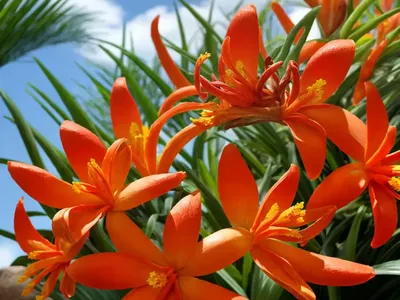
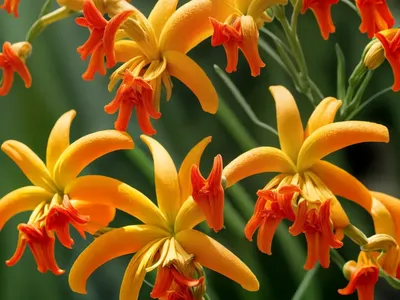
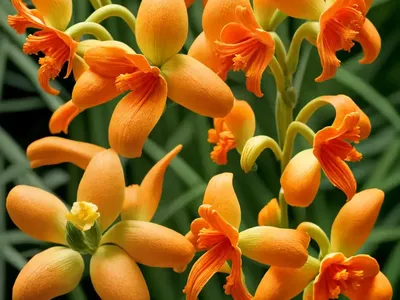
Crocosmia X Crocosmiiflora ‘Buttercup’)
Crocosmia x crocosmiiflora ‘Buttercup’ is a stunning flowering plant that can add a burst of color to any garden. This article will provide an in-depth.
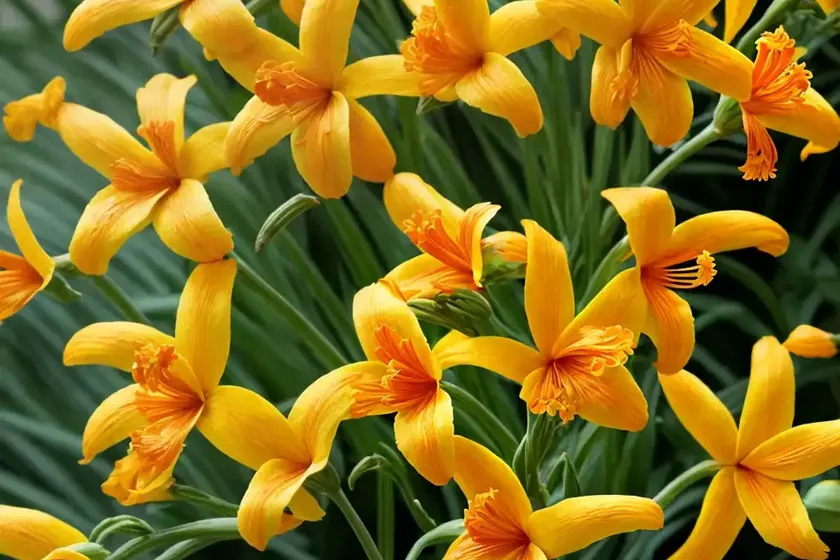
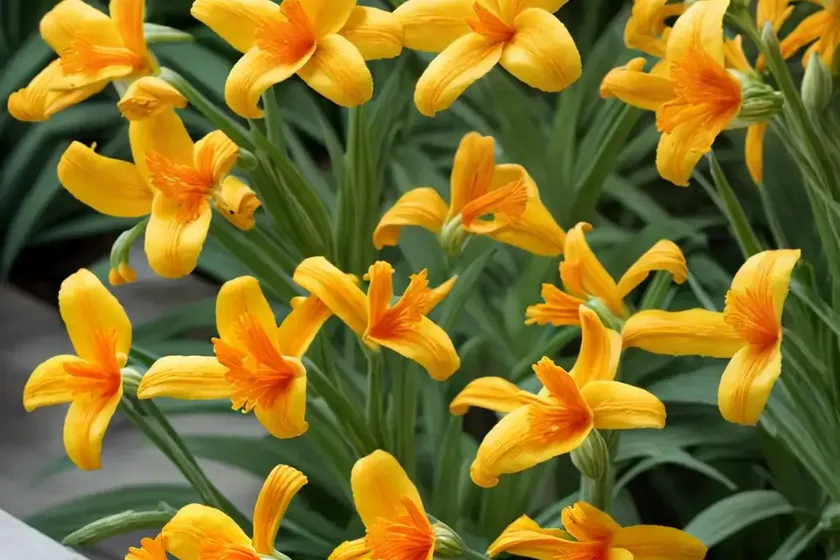
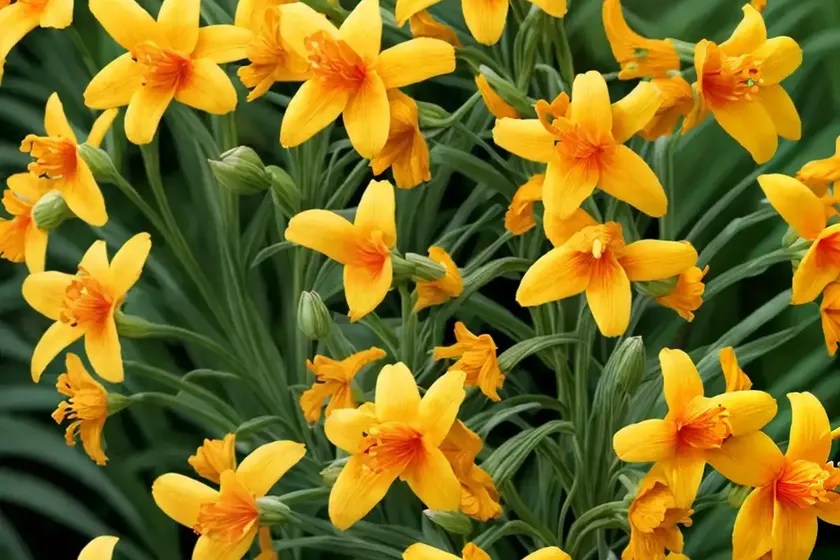
Crocosmia x crocosmiiflora ‘Buttercup’ is a stunning flowering plant that can add a burst of color to any garden. This article will provide an in-depth look at this remarkable plant, including its culture, uses, water and sunlight requirements, fertilizer and soil needs, pruning tips, propagation methods, common diseases and pests, fun facts, and more. Whether you are a seasoned gardener or just starting, this comprehensive guide will equip you with the knowledge to help your Crocosmia x crocosmiiflora ‘Buttercup’ thrive.
What is Crocosmia x crocosmiiflora ‘Buttercup’?
Crocosmia x crocosmiiflora ‘Buttercup’, commonly known as Montbretia, is a flowering plant that belongs to the iris family, Iridaceae. This perennial plant is native to South Africa and is well-loved for its elegant arching stems with clusters of bright, funnel-shaped flowers. The ‘Buttercup’ variety is particularly cherished for its stunning yellow blooms, which can illuminate any garden with their vibrant hues.
Key Takeaways
Before diving into the specifics of caring for Crocosmia x crocosmiiflora ‘Buttercup’, here are some key takeaways to keep in mind:
- Plant Name: Crocosmia x crocosmiiflora ‘Buttercup’
- Family: Iridaceae
- Common Names: Montbretia
- Variety: ‘Buttercup’
- Flower Color: Yellow
- Plant Type: Perennial
- Origins: South Africa
Now, let’s explore the essential aspects of caring for this beautiful plant.
Culture
Understanding the culture of Crocosmia x crocosmiiflora ‘Buttercup’ is crucial for its successful growth and blooming. Here are the key cultural considerations:
Uses
Crocosmia x crocosmiiflora ‘Buttercup’ can be utilized in various ways within a garden or landscape. Some of the common uses include:
- Garden Beds: Plant them in garden beds to add striking visual interest, especially in mixed perennial borders.
- Cut Flowers: The vibrant yellow blooms make excellent cut flowers, adding a pop of color to floral arrangements.
- Pollinator Gardens: Crocosmia x crocosmiiflora ‘Buttercup’ can attract pollinators like bees and butterflies, making it a valuable addition to pollinator-friendly gardens.
Water
Understanding the water requirements of Crocosmia x crocosmiiflora ‘Buttercup’ is essential for maintaining its health and vigor. Here are some key points to consider regarding watering:
- Establishment: During the establishment phase after planting, ensure adequate moisture without waterlogging the soil.
- Regular Watering: Once established, regular watering is necessary, especially during dry periods. Aim to keep the soil consistently moist but not waterlogged.
- Reduced Watering: In winter or dormant periods, reduce watering to prevent waterlogged soil.
Sunlight
Proper sunlight exposure is crucial for the growth and blooming of Crocosmia x crocosmiiflora ‘Buttercup’. Consider the following sunlight requirements:
- Full Sun: Plant ‘Buttercup’ in a location that receives full sun for the majority of the day. At least 6-8 hours of direct sunlight is ideal for optimal blooming.
- Partial Shade: While it prefers full sun, ‘Buttercup’ can tolerate some dappled or partial shade, especially in hotter climates.
Fertilizer
Applying the right type and amount of fertilizer can significantly impact the growth and flowering of Crocosmia x crocosmiiflora ‘Buttercup’. Here are some fertilizer considerations:
- Balanced Fertilizer: Use a balanced, all-purpose fertilizer with an NPK ratio of 10-10-10 or similar in spring when new growth emerges.
- Slow-release Fertilizer: Alternatively, a slow-release granular fertilizer can be applied at the beginning of the growing season for sustained nutrition.
- Organic Options: Organic fertilizers such as compost or well-rotted manure can also be incorporated into the soil during planting to provide long-term nutrients.
Soil
The right soil conditions are vital for the overall health and vigor of Crocosmia x crocosmiiflora ‘Buttercup’. Consider the following soil requirements:
- Well-Draining Soil: ‘Buttercup’ thrives in well-draining soil to prevent waterlogging and root rot. Amending heavy clay soils with organic matter can improve drainage.
- pH Level: It prefers slightly acidic to neutral soil with a pH level between 6.0 and 6.5.
- Soil Composition: A fertile, loamy soil enriched with organic matter provides an ideal growing medium for ‘Buttercup’.
Pruning
Pruning plays a role in maintaining the health, appearance, and blooming of Crocosmia x crocosmiiflora ‘Buttercup’. Here’s what you need to know about pruning this beautiful plant:
- Deadheading: Remove spent flowers regularly to encourage continuous blooming and prevent the plant from expending energy on seed production.
- Cutting Back: After the flowering period, cut back the foliage and stems to ground level to tidy up the plant and promote fresh growth.
- Division: Every few years, consider dividing overcrowded clumps in early spring to rejuvenate the plant and promote better flowering.
Propagation
Knowing how to propagate Crocosmia x crocosmiiflora ‘Buttercup’ enables you to expand your collection or share it with others. Here are the primary methods of propagation:
- Division: The division of clumps is the most common and effective method of propagating ‘Buttercup’. This is best done in early spring or immediately after flowering.
- Corms: Corms can be harvested after the flowering period and replanted to establish new plants.
- Seeds: While less common, ‘Buttercup’ can be propagated from seeds. Harvest seeds from mature seed pods and sow them in a well-prepared seedbed.
Container Popularity
While Crocosmia x crocosmiiflora ‘Buttercup’ is often grown in garden beds, it also thrives in containers. The popularity of growing ‘Buttercup’ in containers stems from its adaptability and visual appeal. Here are some reasons why it’s popular for container gardening:
- Versatility: ‘Buttercup’ adds a vertical element and vibrant color to container arrangements, making it a versatile and eye-catching addition.
- Space Saving: For gardeners with limited space, growing ‘Buttercup’ in containers allows them to enjoy its beauty on patios, balconies, or small garden spaces.
- Easy Maintenance: Container-grown ‘Buttercup’ is often easier to maintain, with greater control over soil conditions and watering.
Common Diseases and Disease Diagnosis
Like all plants, Crocosmia x crocosmiiflora ‘Buttercup’ is susceptible to certain diseases. Understanding common diseases and their diagnosis is essential for proactive management. Here are some common diseases and their identification:
Common Diseases
- Rust: Manifests as orange pustules on the undersides of leaves, leading to leaf discoloration and defoliation.
- Leaf Spot: Circular, dark spots appear on the foliage, often surrounded by a yellow halo, causing aesthetic damage.
- Botrytis Blight: Gray mold fungus can infect flowers and foliage during periods of high humidity or damp conditions.
Disease Diagnosis
- Visual Symptoms: Regularly inspect the plant for any unusual spots, discoloration, or signs of distress.
- Fungal Cultures: In severe cases, collect affected plant parts and send them for fungal culture or diagnosis to confirm the specific disease.
Common Pests
Several pests can pose a threat to the health of Crocosmia x crocosmiiflora ‘Buttercup’. Being aware of common pests and their management is crucial for preserving the plant’s vitality. Here are some common pests to watch out for:
- Aphids: These small, soft-bodied insects can cluster on new growth and flower buds, sucking sap and causing distortion of plant tissues.
- Thrips: Thrips can cause silvery or brownish streaks on flowers and foliage, affecting the plant’s overall appearance.
- Spider Mites: These tiny pests can cause stippling and webbing on the foliage, weakening the plant over time.
Botanist’s Tips
To ensure the successful growth and blooming of Crocosmia x crocosmiiflora ‘Buttercup’, consider these expert tips from botanists:
- Mulching: Apply a layer of organic mulch around the base of the plant to conserve soil moisture and suppress weed growth.
- Supportive Stakes: In areas with strong winds or heavy rainfall, consider providing supportive stakes to prevent the arching stems from bending or breaking.
- Companion Planting: Pair ‘Buttercup’ with complementary plants that share similar cultural requirements, such as late-blooming perennials or ornamental grasses.
Fun Facts
Here are some interesting and lesser-known facts about Crocosmia x crocosmiiflora ‘Buttercup’:
- Symbolism: In the language of flowers, yellow blooms often symbolize happiness, joy, and positivity, making ‘Buttercup’ an uplifting addition to any garden.
- Wildlife Interaction: The nectar-rich flowers of ‘Buttercup’ attract hummingbirds, adding a touch of liveliness and dynamism to the garden.
- Historical Uses: In traditional medicine, certain parts of Crocosmia plants were used for their medicinal properties, although caution should be exercised with any potential medicinal uses.
Links to External Resources
For further research and information about Crocosmia x crocosmiiflora ‘Buttercup’, the following external resources can provide additional insights and details:
- Royal Horticultural Society – Crocosmia
- University of Wisconsin-Madison Extension – Crocosmia
- Missouri Botanical Garden – Crocosmia Culture
In conclusion, Crocosmia x crocosmiiflora ‘Buttercup’ is a delightful addition to any garden, offering vibrant yellow blooms and versatile growth habits. By understanding its cultural requirements, pest and disease management, and propagation methods, you can ensure the successful growth and longevity of this beautiful perennial. Whether planted in garden beds or containers, its striking appearance and wildlife-friendly blooms make it a valuable asset to any landscape.
Remember to share your own experiences and insights about growing ‘Buttercup’, and enjoy the beauty it brings to your green spaces.
Happy gardening!