Crocodile Fern (Microsorium Musifolium ‘Crocodyllus’)
Plants are living organisms belonging to the kingdom Plantae. They are characterized by their ability to produce their food through the process of.
What is Plant?
Plants are living organisms belonging to the kingdom Plantae. They are characterized by their ability to produce their food through the process of photosynthesis. Plants play a crucial role in the ecosystem by releasing oxygen, providing food, and supporting various ecosystems. Within the diverse world of plants, ferns are a distinct group known for their feather-like leaves and reproductive structures called spores.
Crocodile Fern (Microsorium musifolium ‘Crocodyllus’)
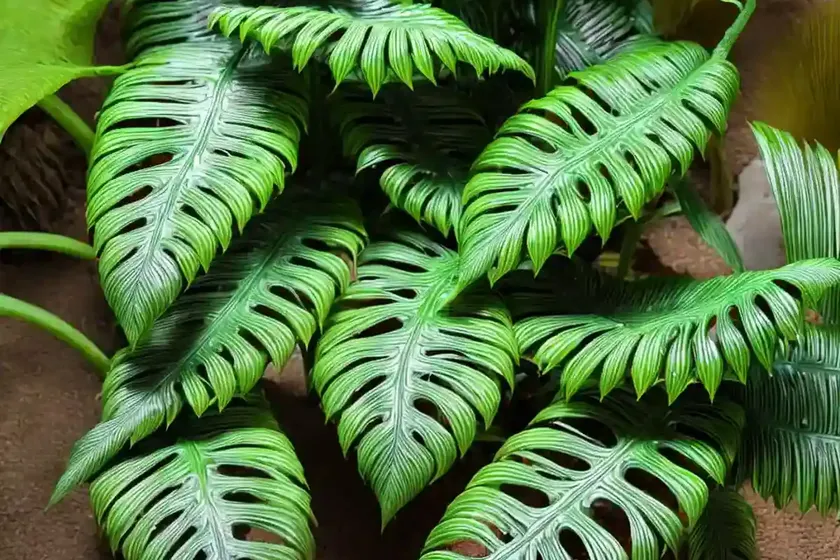
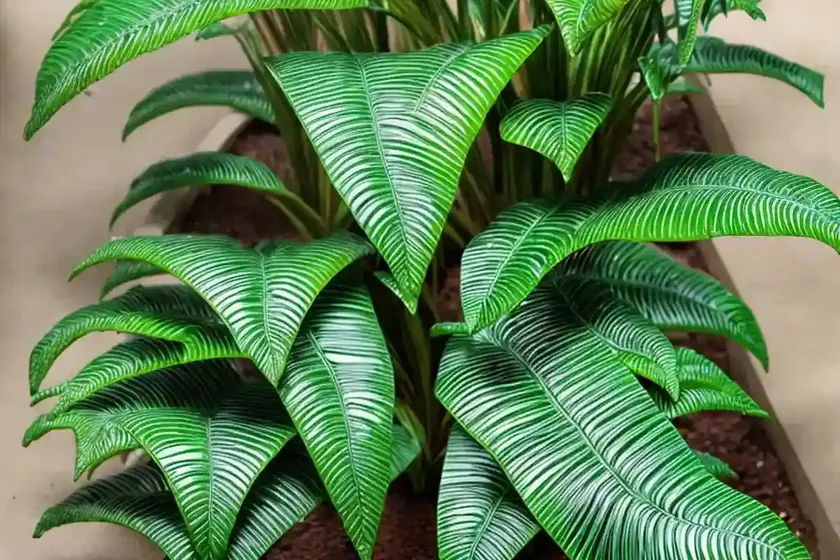
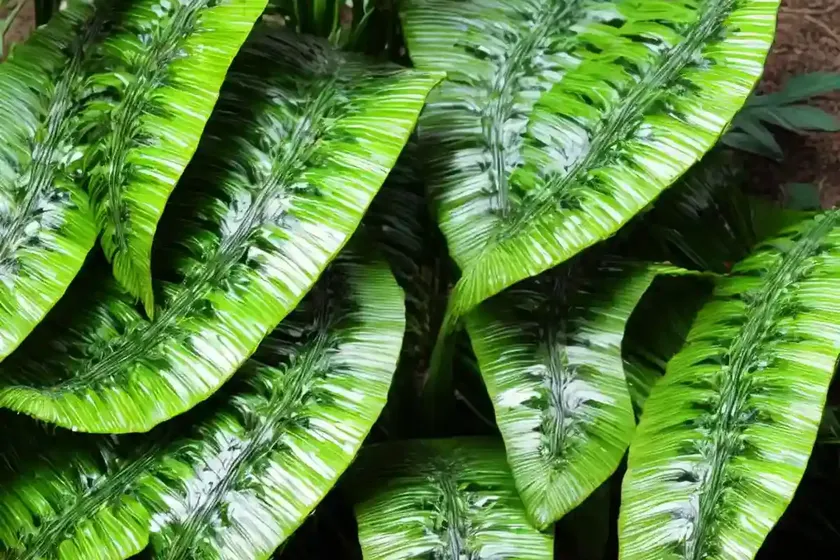
The Crocodile Fern, scientifically known as Microsorium musifolium ‘Crocodyllus’, is a striking and unique variety of fern. Its distinctive appearance, with leaf textures resembling the skin of a crocodile, makes it an intriguing addition to any plant collection.
Key Takeaways – Crocodile Fern (Microsorium musifolium ‘Crocodyllus’)
Here are some key takeaways about the Crocodile Fern:
- Plant Name: Crocodile Fern (Microsorium musifolium ‘Crocodyllus’)
- Common Names: Crocodile Fern, Crocodyllus Fern
- Family: Polypodiaceae
- Origin: Tropical regions of Southeast Asia
- Growth Habit: Evergreen fern with distinctive, textured leaves resembling crocodile skin
Now, let’s delve into the specifics of the care, cultivation, and unique characteristics of the Crocodile Fern.
Culture
The culture of the Crocodile Fern encompasses various aspects such as its water and sunlight requirements, fertilizer needs, soil preferences, and pruning.
Uses
Before we explore the specific care requirements, let’s briefly touch upon the uses of the Crocodile Fern. Beyond its ornamental value, this unique fern species can be utilized for indoor plant decor, adding a tropical touch to indoor spaces, and contributing to air purification.
Water
Proper watering is essential for the health and vitality of the Crocodile Fern. As a tropical species, it thrives in a consistently moist environment, but it’s crucial to avoid waterlogging the soil. Regular but moderate watering is recommended, allowing the soil to partially dry out between waterings to prevent waterlogged conditions.
Sunlight
When it comes to sunlight requirements, the Crocodile Fern thrives in bright, indirect light. It is essential to protect this fern from direct sunlight, as excessive exposure can lead to leaf burn and damage. Ideal locations include areas with dappled or filtered light, making it a perfect addition to spaces with partial shade.
Fertilizer
Fertilization contributes to the robust growth and vibrancy of the Crocodile Fern. Using a balanced, water-soluble fertilizer diluted to half strength is recommended during the growing season. Fertilize the plant every 2-3 weeks, but reduce this frequency during the winter months when growth slows down.
Soil
The Crocodile Fern prefers well-draining, peat-based soil. A mixture of peat moss, perlite, and pine bark can create an ideal growing medium for this fern. A slightly acidic to neutral pH range is optimal for the soil, promoting healthy growth and nutrient absorption.
Pruning
Pruning is generally minimal for the Crocodile Fern. Removing any yellowing or damaged fronds can help maintain the plant’s overall appearance and vigor. Additionally, trimming away dead or unsightly foliage promotes air circulation and reduces the risk of disease.
Propagation
The propagation of the Crocodile Fern can be accomplished through division or spore propagation. Division involves separating the root mass into smaller sections, each containing several fronds and healthy roots. Spore propagation, on the other hand, requires a bit more patience and is often preferred by enthusiasts interested in the complete lifecycle of ferns.
Container Popularity
The Crocodile Fern’s unique appearance and relatively compact size make it a popular choice for container gardening. Additionally, its distinctive foliage adds an attractive touch to indoor and outdoor container displays.
Container
When selecting a container for the Crocodile Fern, choose a well-draining pot that offers ample room for root development. A shallow but wide container is often preferred, mimicking the natural growth habits of this fern and allowing room for its spreading rhizomes.
Common Diseases
While the Crocodile Fern is generally resilient, it can be susceptible to certain diseases under unfavorable conditions. Understanding common diseases and their diagnosis is crucial for maintaining the health and vitality of the fern.
Disease Diagnosis
It’s essential to monitor the Crocodile Fern for signs of common diseases, including:
- Root rot: Typically caused by overwatering or waterlogged soil, leading to root deterioration and wilting foliage.
- Leaf spot: Manifests as dark, water-soaked spots on the foliage, often due to high humidity and poor air circulation.
- Fungal infections: Excessive moisture can lead to fungal issues, presenting as discolored or necrotic areas on the fronds.
Early detection and prompt intervention, such as adjusting watering practices and improving air circulation, are crucial for managing and preventing these diseases.
Common Pests
The Crocodile Fern may attract certain pests that can hinder its growth and appearance. Familiarizing oneself with these common pests enables early intervention and effective pest management.
Pest Management
Common pests that can affect the Crocodile Fern include:
- Scale insects: These small, immobile pests can appear as raised brown or white bumps on the foliage, sapping the plant’s vitality.
- Mealybugs: Mealybugs are small, soft-bodied insects that may gather on the underside of fronds, consuming plant sap and potentially causing leaf distortion.
Regular inspection and the use of eco-friendly pest control methods can help maintain a healthy, pest-free environment for the Crocodile Fern.
Botanist’s Tips
Here are some practical tips from botanists and plant enthusiasts for successfully cultivating and caring for the Crocodile Fern:
- Humidity: Maintaining adequate humidity levels, especially in indoor environments, can benefit the Crocodile Fern’s overall health and appearance.
- Growth habits: Understand the natural growth habits of the Crocodile Fern, allowing it room to spread and grow over time.
- Repotting: Periodic repotting can rejuvenate the plant and prevent root-bound conditions, promoting healthy growth.
Fun Facts
- The Crocodile Fern belongs to the Microsorium genus, which includes various fern species known for their unique foliage and ornamental value.
- Its crocodile-like texture and appearance make it a distinctive and visually captivating addition to indoor and outdoor green spaces.
Links to External Resources
For further information on the Crocodile Fern and fern plants in general, the following external resources are valuable references:
- Royal Horticultural Society – Ferns
- American Fern Society
- University of Florida IFAS Extension – Ferns in the Landscape
In conclusion, the Crocodile Fern (Microsorium musifolium ‘Crocodyllus’) presents a distinctive and visually captivating addition to any plant collection. Its unique foliage and relatively low-maintenance care requirements make it an excellent choice for indoor and outdoor green spaces, adding a touch of tropical allure and natural beauty.
By understanding its specific culture, propagation methods, pest and disease management, along with beneficial botanist’s tips, plant enthusiasts can ensure the sustainable health and vitality of the Crocodile Fern, appreciating its ornamental value and unique characteristics.
NLP Keywords:
1. Fern plants
2. Crocodile fern care
3. Microsorium musifolium
4. Crocodile fern varieties
5. Crocodyllus fern
6. Indoor fern plants
7. Tropical fern species
8. Fern plant maintenance
9. Crocodile fern propagation
10. Crocodile fern watering
11. Crocodile fern light requirements
12. Fern plant growth habits
13. Microsorium musifolium ‘Crocodyllus’ characteristics
14. Fern plant leaves
15. Crocodile fern soil preferences
16. Fern plant benefits
17. Indoor plant decor with ferns
18. Crocodile fern potting
19. Fern plant diseases
20. Fern plant pests
21. Low-light fern plants
22. Non-toxic fern plants
23. Fern plant arrangements
24. Microsorium musifolium ‘Crocodyllus’ origin
25. Fern plant symbolism
26. Compact fern plant varieties
27. Drought-tolerant fern species
28. Fern plant natural habitat
29. Fern plant fertilizer requirements
30. Fern terrariums
31. Crocodile fern as a houseplant
32. Crocodile fern vs other ferns
33. Fern plant pruning techniques
34. Fern plant containers
35. Crocodile fern temperature tolerance
36. Moisture-loving fern plants
37. Crocodile fern as a hanging plant
38. Crocodile fern as an outdoor plant
39. Fern plant lifespan
40. Fern plant seasonal changes
41. Fern plant growth stages
42. Crocodile fern as a desk plant
43. Fern plant air purification
44. Fern plant for beginners
45. Fern plant aesthetic appeal
46. Crocodile fern for landscaping
47. Fern plant winter care
48. Fern plant root systems
49. Fern plant in terrariums
50. Fern plant natural remedies


