Crimean Iris (Iris Lutescens)
Welcome to the wonderful world of Crimean iris (Iris lutescens)! In this comprehensive guide, we will explore everything you need to know about the.
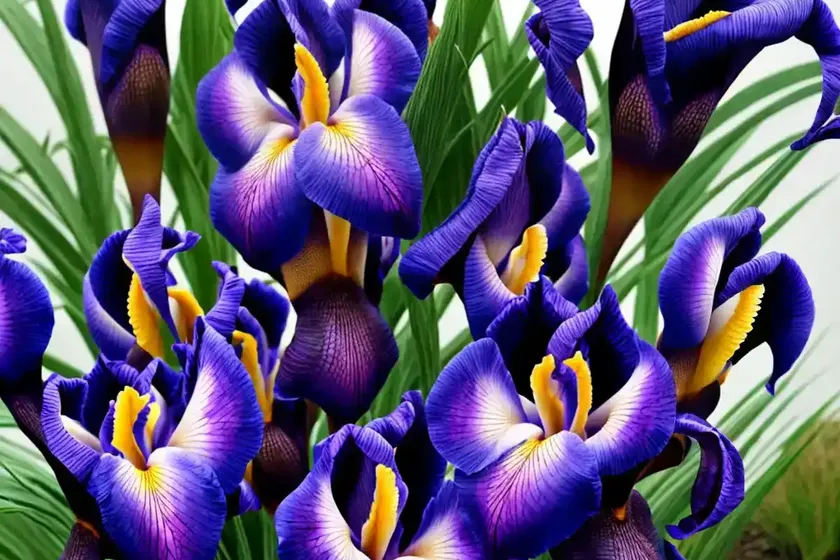
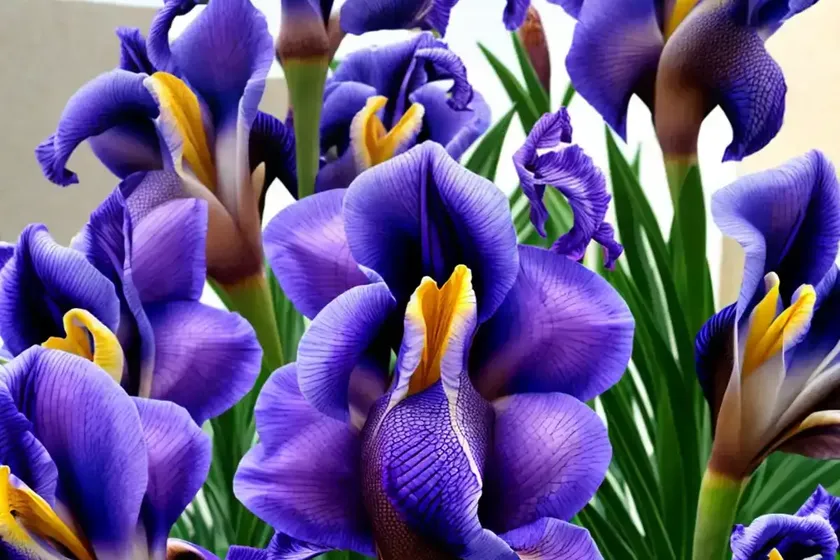
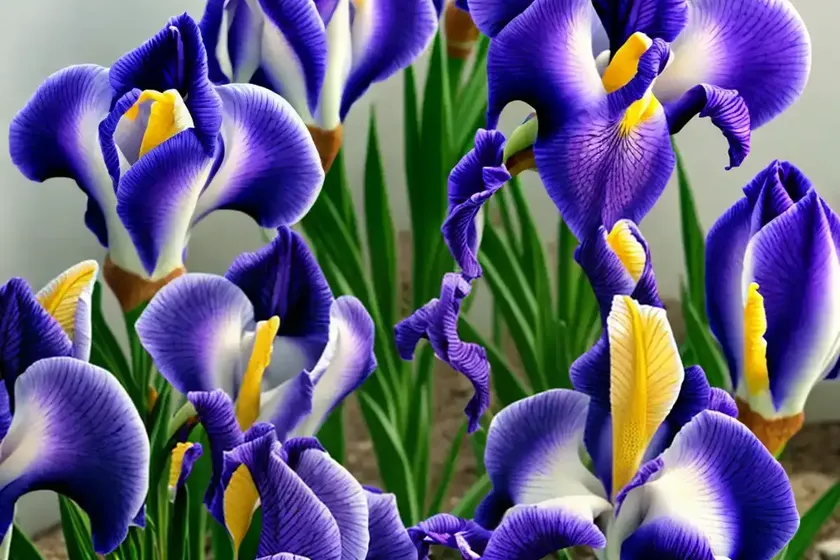
Welcome to the wonderful world of Crimean iris (Iris lutescens)! In this comprehensive guide, we will explore everything you need to know about the magnificent Crimean iris, from its cultural significance, uses, and care requirements to its propagation and common diseases. Whether you are a gardening enthusiast, a connoisseur of botanical beauty, or are simply intrigued by the captivating allure of this elegant flower, this guide promises to provide you with valuable insights and tips for cultivating and enjoying the splendor of the Crimean iris.
What is the Crimean Iris (Iris lutescens)?
The Crimean iris (Iris lutescens) is a stunning perennial plant belonging to the genus Iris. Originating from the Crimean Peninsula and surrounding regions, this iris species boasts unique characteristics that make it a prized addition to gardens, landscapes, and natural habitats. With its exquisite flowers, diverse colors, and remarkable adaptability, the Crimean iris has captured the hearts and admiration of botanists, gardeners, and nature lovers around the world.
Key Takeaways – Crimean Iris (Iris lutescens)
Before delving into the specifics of cultivating and caring for Crimean irises, let’s explore the key takeaways that encapsulate the essence of this remarkable plant.
- Scientific Name: Iris lutescens
- Common Name: Crimean iris
- Family: Iridaceae
- Native Habitat: Crimean Peninsula and surrounding regions
- Flower Characteristics: Delicate, elegant, and vibrant flowers with a wide range of colors
- Cultural Significance: Used in traditional folklore, herbal remedies, and artistic inspiration
- Growth Habit: Rhizomatous perennial, forming clumps of graceful foliage and striking blooms
- Adaptability: Well-suited for garden borders, containers, and naturalistic landscapes
Now, let’s embark on a journey through the enchanting world of Crimean irises, exploring every facet of their cultivation, uses, and allure.
Culture
Understanding the appropriate cultural conditions for growing Crimean irises is essential for ensuring their health, vigor, and the prolific display of their captivating blooms. From their preferred climate to soil requirements, let’s delve into the cultural nuances that contribute to the successful cultivation of the Crimean iris.
Growing Conditions
Crimean irises thrive in regions with temperate climates, with well-defined seasons and moderate rainfall. They are adaptable to a wide range of conditions, but providing them with optimal growing conditions will enhance their overall vigor and floral display.
Climate
- Temperature: Thrives in regions with moderate temperatures, typically preferring USDA hardiness zones 4 to 9.
- Rainfall: Prefers well-drained soil and moderate moisture levels. Avoid waterlogging, especially during winter months.
Soil
The soil composition plays a crucial role in the growth and development of Crimean irises. Ideally, the soil should have the following characteristics:
- Well-Drained: Ensures that excess water does not accumulate around the roots, reducing the risk of rot and fungal diseases.
- Loamy: A blend of sand, silt, and clay, providing a balanced environment for root development and nutrient uptake.
- pH Level: Slightly acidic to neutral soil pH (6.0 – 7.0) is suitable for Crimean irises.
Watering
Proper watering is essential for supporting the growth and vigor of Crimean irises. Understanding their specific watering needs is crucial for maintaining healthy plants and promoting abundant flowering.
- Regular Watering: During the growing season, keep the soil consistently moist but not waterlogged.
- Avoid Overwatering: Prevents the risk of root rot and fungal diseases, particularly during the dormant period.
Uses
The Crimean iris (Iris lutescens) serves multiple purposes, ranging from ornamental beauty to cultural significance and ecological value. Understanding the diverse uses of this exquisite plant provides a deeper appreciation for its presence in gardens and natural landscapes.
Ornamental Use
Crimean irises are cherished for their enchanting beauty and graceful presence in gardens and landscapes. Their vibrant flowers, diverse colors, and architectural foliage make them a sought-after addition to both formal and naturalistic settings.
- Garden Beds and Borders: Ideal for creating stunning floral displays in garden borders and mixed perennial beds.
- Container Planting: Adds a touch of elegance to outdoor containers and patio gardens.
- Naturalistic Landscapes: Blends seamlessly into native and naturalistic landscapes, adding splashes of color and seasonal interest.
Cultural Significance
Beyond their ornamental value, Crimean irises hold cultural significance in various traditions and practices. From folklore and medicinal uses to artistic inspiration, they have woven their way into human history and creativity.
- Folklore and Symbolism: In folklore, irises are often associated with notions of protection, wisdom, and faith.
- Medicinal Uses: Some iris species have been used in herbal remedies for their purported medicinal properties, although caution should be exercised due to potential toxicity.
- Artistic Inspiration: The elegant form and vibrant colors of the iris have inspired artists and designers, shaping floral arrangements, botanical illustrations, and decorative motifs.
Sunlight
Proper sunlight exposure is essential for the healthy growth and flowering of Crimean irises. Understanding their sunlight requirements allows for strategic placement in the garden or landscape, ensuring optimal light exposure for vigorous growth.
- Light Requirements: Prefer full sun to partial shade, with a minimum of 6 hours of direct sunlight per day.
- Optimal Orientation: For best results, plant Crimean irises in locations with morning sun and afternoon shade, especially in regions with hot summers.
Care
Caring for Crimean irises encompasses a range of activities, from fertilization and pruning to disease management and propagation. By implementing appropriate care practices, you can support the long-term health and vitality of these exquisite plants, allowing them to thrive and flourish in your garden or landscape.
Fertilizer
Providing adequate nutrition through proper fertilization is key to promoting robust growth and abundant flowering in Crimean irises. By understanding their fertilizer requirements and application techniques, you can ensure that these plants receive the essential nutrients they need to reach their full potential.
- Fertilizer Type: Use a balanced, slow-release fertilizer with an N-P-K ratio of 10-10-10 or similar composition.
- Application Timing: Apply fertilizer in early spring, just before the growing season begins, to support initial growth and flower bud development.
- Avoid Excessive Nitrogen: High nitrogen levels can promote lush foliage at the expense of flowering. Use a balanced fertilizer to support overall plant health.
Soil
Maintaining well-suited soil conditions is essential for the overall health and resilience of Crimean irises. By addressing soil composition, drainage, and pH levels, you can create an optimal growing environment for these plants.
- Amending Soil: Incorporate organic matter such as compost or well-rotted manure to improve soil structure and fertility.
- Mulching: Apply a layer of organic mulch around the base of the plants to conserve soil moisture, suppress weeds, and provide a gradual source of nutrients as the mulch decomposes.
- Soil Testing: Periodically test the soil pH and nutrient levels to ensure that it remains within the ideal range for Crimean irises.
Pruning
Pruning plays a crucial role in maintaining the aesthetic appeal and vitality of Crimean irises. By implementing proper pruning techniques, you can enhance the plant’s form, promote air circulation, and manage spent flowers and foliage.
- Deadheading: Remove spent flowers promptly to prevent seed formation and redirect energy into further blooming or vegetative growth.
- Foliage Management: Trim back any discolored or damaged foliage to maintain a neat and tidy appearance.
- Division: Every few years, divide crowded iris clumps to rejuvenate the plants, promote flowering, and prevent overcrowding.
Propagation
Propagating Crimean irises allows you to expand your collection and share the beauty of these plants with fellow gardening enthusiasts. Understanding the various propagation methods and their respective techniques is key to successful reproduction.
- Division: The most common method of propagation involves dividing established iris clumps in late summer or early fall, allowing for the separation of healthy rhizomes for transplanting.
- Seed Propagation: While viable seeds can be collected from iris plants, note that seed-grown irises may exhibit genetic variability, often producing flowers that differ from the parent plant.
Container Popularity
Crimean irises are well-suited for container gardening, offering a versatile and elegant option for adding color and texture to outdoor living spaces. Their popularity in container gardening has grown due to the following factors:
- Compact Growth: The clumping nature of Crimean irises makes them well-suited for containers, allowing for a striking display in a relatively small space.
- Seasonal Interest: Containers offer a platform for showcasing the seasonal beauty of iris blooms, with the option for strategic placement and mobility.
- Design Flexibility: Containers provide an opportunity for creative expression, allowing for unique combinations of plants and decorative elements to complement the irises.
Common Diseases
Like all plants, Crimean irises are susceptible to certain diseases and disorders that can impact their health and appearance. By familiarizing yourself with the common diseases and their symptoms, you can take proactive measures to prevent and manage these issues effectively.
Disease Diagnosis
Identifying the signs of disease in Crimean irises is crucial for implementing timely interventions and preventing further spread. Some common diseases that may affect these plants include:
- Bacterial Soft Rot: Characterized by foul-smelling, water-soaked spots on rhizomes and adjacent foliage, often leading to tissue decay and collapse.
- Leaf Spot: Manifests as small, dark lesions on the leaves, potentially causing defoliation and weakening of the plants over time.
Common Pests
In addition to diseases, Crimean irises are vulnerable to certain pests that can compromise their health and vigor. By monitoring for common pests and implementing integrated pest management strategies, you can mitigate potential damage and protect the well-being of your iris plants.
Pest Identification
Some pests that may pose a threat to Crimean irises include:
- Thrips: Small, slender insects that feed on the plant’s foliage, causing stippling and distortion of the leaves.
- Aphids: Sap-feeding insects that may congregate on the undersides of leaves, leading to distorted growth and the potential for honeydew and sooty mold development.
Botanist’s Tips
- Soil Preparation: Prior to planting or transplanting Crimean irises, ensure that the soil is well-prepared with adequate organic matter and proper drainage to support their growth and establishment.
- Frost Protection: In regions with frost or freezing temperatures, consider applying a layer of mulch to protect the iris rhizomes and provide insulation during winter.
- Integrated Planting: Pair Crimean irises with companion plants that share similar cultural requirements, creating harmonious and visually pleasing combinations in the garden or landscape.
Fun Facts
Enrich your appreciation for Crimean irises with these intriguing and delightful fun facts:
- Symbolism: In various cultures, irises symbolize different virtues and sentiments, including faith, wisdom, and courage, adding a layer of symbolic significance to their floral beauty.
- Fragrance: While some iris species boast subtle, sweet scents, others are known for their lack of fragrance, highlighting the diversity within the genus.
Links to External Resources
For further exploration of Crimean irises and related topics, consider exploring the following external resources:
- American Iris Society: A comprehensive resource for iris enthusiasts, featuring information on iris cultivation, varieties, and events.
- RHS Gardening – Growing Irises: The Royal Horticultural Society offers a wealth of guidance on growing irises, including Crimean irises, in various garden settings.
- Missouri Botanical Garden – Plant Finder: Explore detailed information and resources on Iris lutescens and related species through the plant finder tool from the Missouri Botanical Garden.
Conclusion
In conclusion, the captivating allure of Crimean irises (Iris lutescens) extends far beyond their visual splendor, encompassing cultural significance, ecological value, and horticultural appeal. By understanding the intricacies of their cultivation, care, and uses, you can unlock the full potential of these mesmerizing plants in your own garden or landscape. From their vibrant blooms to their adaptability in various growing conditions, Crimean irises stand as a testament to the enduring charm and diversity of the botanical world.
Whether you are an avid gardener, a nature enthusiast, or a seeker of beauty and inspiration, the journey of cultivating and appreciating Crimean irises invites you to embrace the wonders of the natural world and the joy of nurturing living artforms that enrich our lives and surroundings.
So, let the allure of the Crimean iris enthrall your senses and kindle your passion for botanical beauty, as you embark on a journey of discovery and delight in the graceful and captivating realm of Iris lutescens.
So, let the allure of the Crimean iris enthrall your senses and kindle your passion for botanical beauty, as you embark on a journey of discovery and delight in the graceful and captivating realm of Iris lutescens.


