Cretan Brake Fern Pteris Cretica (Pteris Cretica )
Plants are an integral part of our lives, whether they are used for decorative purposes, air purification, or medicinal benefits. As a plant enthusiast, I.


Plants are an integral part of our lives, whether they are used for decorative purposes, air purification, or medicinal benefits. As a plant enthusiast, I am always amazed by the diversity and beauty of plants. In this article, we will delve into the intricate details of the Cretan Brake Fern (Pteris Cretica) and explore its characteristics, care requirements, uses, propagation methods, and much more.
What is Plant Cretan Brake Fern (Pteris Cretica)?
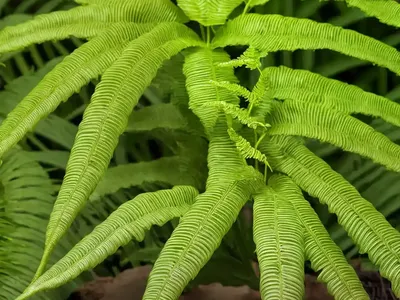
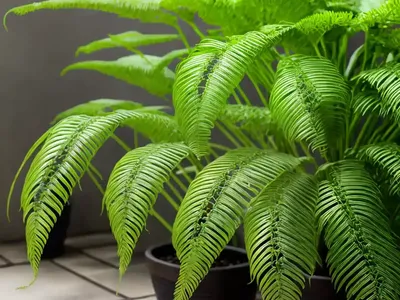
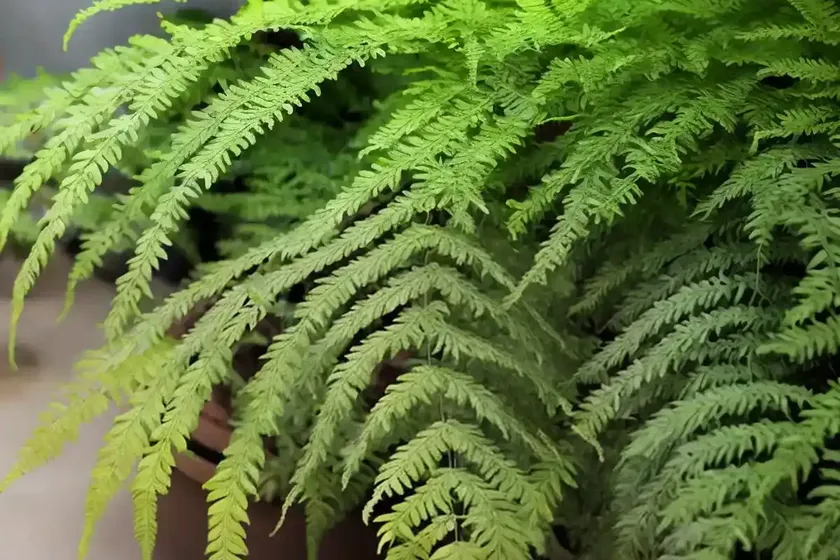
Cretan Brake Fern, scientifically known as Pteris Cretica, is a species of evergreen fern native to the Mediterranean region. It is a popular choice for indoor and outdoor cultivation due to its attractive foliage and relatively low maintenance requirements. This fern belongs to the Pteridaceae family and is known for its graceful fronds, making it a sought-after ornamental plant for gardens, landscapes, and interior spaces.
Key Takeaways – Cretan Brake Fern (Pteris Cretica)
Before we delve into the specific aspects of caring for Cretan Brake Fern, let’s highlight some key takeaway points about this fascinating plant:
- Pteris Cretica: Also known as Cretan Brake Fern, it is a species of evergreen fern with graceful fronds.
- Characteristics: The plant is distinguished by its intricate, finely divided fronds that form a dense, bushy foliage.
- Care Guide: Cretan Brake Fern requires moderate watering, indirect sunlight, well-draining soil, and occasional fertilization to thrive.
- Propagation: It can be propagated through spores or division of rhizomes.
- Uses: Apart from being a decorative plant, it is believed to have air-purifying properties and may have traditional medicinal uses.
- Pests and Diseases: Common pests include spider mites and aphids, while fungal diseases may pose a threat under unfavorable conditions.
Now, let’s explore the various aspects of caring for Cretan Brake Fern in detail.
Culture
Understanding the cultural requirements of Cretan Brake Fern is essential for ensuring its health and vigor. From watering to temperature preferences, each cultural factor plays a crucial role in the overall well-being of this ornamental fern.
Uses
The Cretan Brake Fern is primarily cultivated for its decorative purposes, adding lush greenery and a touch of elegance to indoor and outdoor spaces. Its ability to thrive in shaded areas makes it a popular choice for landscaping projects, shady gardens, and as an indoor ornamental plant.
Water
Proper watering is crucial for the health of Cretan Brake Fern. Overwatering can lead to root rot, while underwatering may cause the fronds to wilt and dry out. It is essential to maintain a balanced watering regimen, allowing the soil to dry out slightly between waterings. In indoor settings, it is advisable to water the plant when the top inch of soil feels dry to the touch.
Sunlight
Cretan Brake Fern thrives in indirect sunlight or dappled shade. While it can tolerate low light conditions, it may exhibit optimal growth and vibrancy when placed in a location with filtered sunlight. Direct, intense sun exposure should be avoided as it can scorch the delicate fronds.
Fertilizer
Fertilizing Cretan Brake Fern can bolster its growth and appearance. A balanced, water-soluble fertilizer can be applied at half-strength every two to four weeks during the growing season (spring and summer). In contrast, fertilization frequency can be reduced during the dormant period in fall and winter.
Soil
The ideal soil for Cretan Brake Fern is well-draining and rich in organic matter. A mixture of peat moss, perlite, and high-quality potting soil can provide the necessary aeration and moisture retention. Additionally, maintaining slightly acidic to neutral soil pH (6.0-7.0) is beneficial for the fern’s overall health.
Pruning
Pruning is essential to maintain the desired shape and size of Cretan Brake Fern. Regular removal of old, yellowing fronds and any damaged foliage can promote fresh growth and prevent the plant from becoming leggy or overcrowded.
Propagation
Cretan Brake Fern can be propagated through spores or division of rhizomes. Propagation from spores requires patience and careful attention to humidity, while division involves separating the rhizomes and establishing them in separate containers or areas.
Container Popularity
The use of Cretan Brake Fern in containers is prevalent, especially for indoor and patio gardening. Its compact and lush growth habit makes it an excellent choice for container gardening, adding a touch of greenery to interior spaces and small outdoor settings.
Common Diseases
While Cretan Brake Fern is relatively resistant to diseases, it may be susceptible to fungal infections such as leaf spot or root rot under conditions of high humidity and poor air circulation. Timely intervention and appropriate cultural adjustments can help in preventing and managing such diseases.
Disease Diagnosis
Diagnosing diseases in Cretan Brake Fern involves careful observation of foliar symptoms, inspection of the roots and soil, and environmental assessment. Identifying the causal agent behind any decline in the plant’s health is crucial for implementing targeted treatment measures.
Common Pests
The most common pests that may affect Cretan Brake Fern include spider mites, aphids, and scale insects. Regular monitoring of the plant’s foliage and swift action against infestations can help in preventing pest-related damage.
Botanist’s Tips
- Place Cretan Brake Fern in a location with bright, indirect sunlight to promote healthy growth.
- Avoid overwatering by allowing the soil to partially dry out between waterings, especially during the dormant period.
- Monitor the plant for pests and diseases regularly, addressing any issues promptly to prevent escalation.
- Consider using a humidifier or placing the plant on a pebble tray to enhance the ambient humidity for optimal growth.
Fun Facts
- The intricate fronds of Cretan Brake Fern have a feathery appearance and are often referred to as “lace fern.”
- Traditional medicinal uses of Pteris Cretica in some cultures include remedies for various ailments, although scientific validation is necessary.
- It is a non-toxic plant, making it a safe choice for homes with pets and children.
Links to External Resources
To further expand your knowledge about Cretan Brake Fern and its care, here are some valuable resources:
1. American Fern Society
2. Royal Horticultural Society
3. University of Florida IFAS Extension
4. Missouri Botanical Garden
5. The American Phytopathological Society
In conclusion, Cretan Brake Fern (Pteris Cretica) is a captivating plant species that offers both ornamental and potential medicinal value. By understanding and fulfilling its cultural requirements, plant enthusiasts can enjoy the lush green beauty of this fern in various settings. Whether adorning a living room corner or enriching a shaded garden bed, Cretan Brake Fern adds a touch of natural elegance to our living spaces. With this comprehensive care guide, you are now equipped with the knowledge to nurture and appreciate the charm of Pteris Cretica in your own botanical sanctuary.