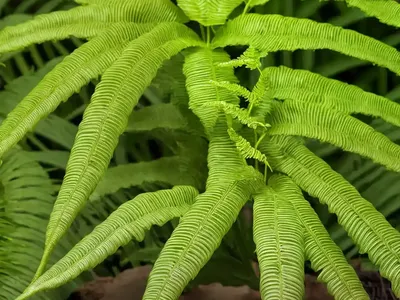
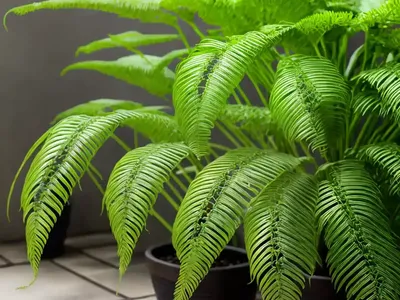
Silver Lace Fern (Pteris Ensiformis)
Ferns are known for their lush, green foliage and elegant fronds that add a touch of natural beauty to any space. Among the diverse world of ferns, the.
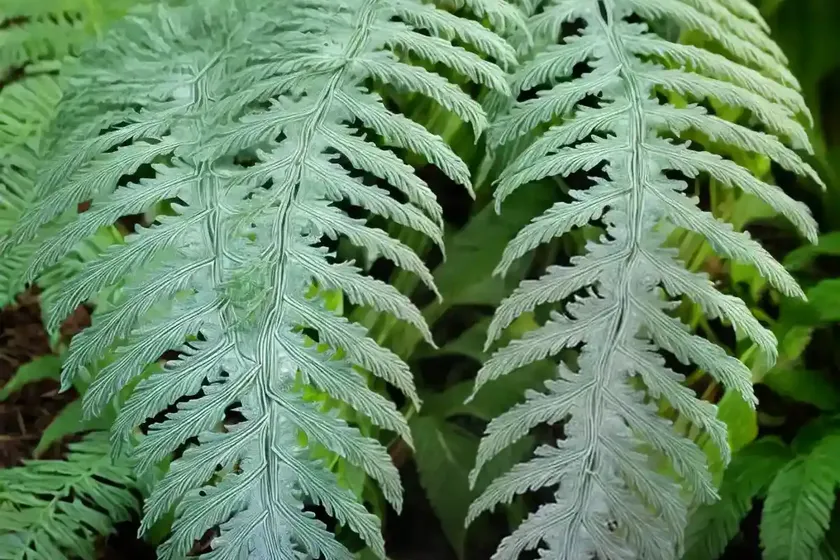
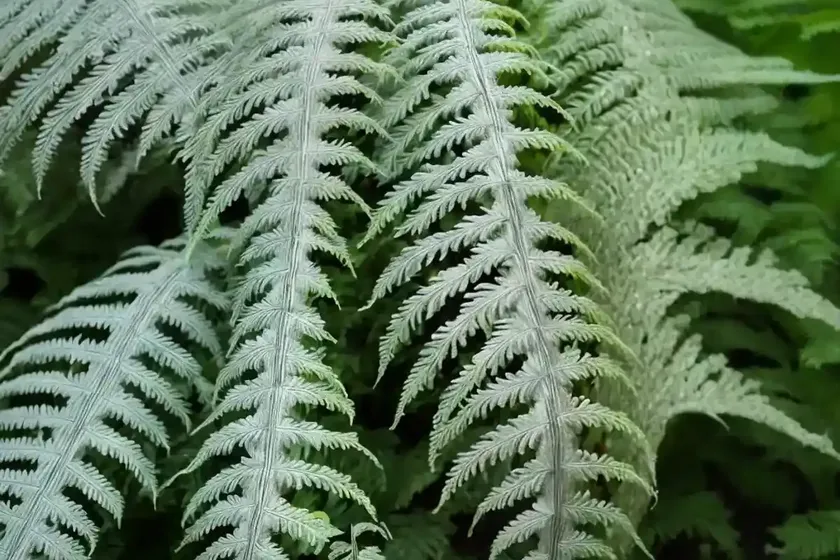
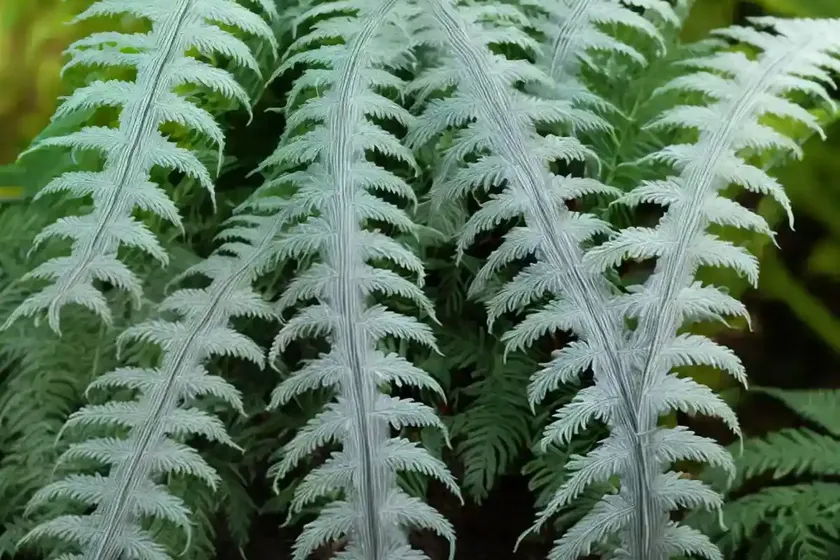
Ferns are known for their lush, green foliage and elegant fronds that add a touch of natural beauty to any space. Among the diverse world of ferns, the Silver Lace Fern (Pteris ensiformis) stands out for its delicate, lacy appearance and versatile nature. In this comprehensive guide, we will explore every aspect of caring for the Silver Lace Fern, from its cultural needs to its propagation methods, along with its myriad uses and benefits. Whether you are a beginner plant enthusiast or a seasoned gardener, this guide will equip you with the knowledge to cultivate and appreciate the remarkable Silver Lace Fern.
What is Silver Lace Fern (Pteris ensiformis)?
The Silver Lace Fern, scientifically known as Pteris ensiformis, is a charming fern species valued for its finely cut, lacy fronds and graceful growth habit. Originating from Southeast Asia, particularly Japan, this fern has gained popularity among plant enthusiasts for its ornamental appeal and adaptability to diverse indoor environments. The feathery foliage of the Silver Lace Fern adds an ethereal touch to any setting, making it a favorite choice for interior decor and landscaping projects.
Key Takeaways – Silver Lace Fern (Pteris ensiformis)
Before delving into the specifics of caring for the Silver Lace Fern, it’s essential to understand some key takeaways regarding this captivating plant. Here’s an overview of the main points we’ll be covering in this guide:
- Plant Name: Silver Lace Fern (Pteris ensiformis)
- Cultural Uses: Indoor and outdoor ornamental plant, landscaping, terrariums, hanging baskets
- Water Requirements: Moderate, consistent moisture
- Sunlight Preferences: Indirect or filtered light, partial shade
- Fertilizer Needs: Balanced liquid fertilizer during the growing season
- Soil Type: Well-draining, moisture-retentive soil mix
- Pruning Techniques: Removal of dead or damaged fronds
- Propagation Methods: Division, spore propagation
- Container Popularity: Suitable for various container sizes
- Common Diseases: Fungal diseases, root rot
- Common Pests: Spider mites, scale insects
- Botanist’s Tips: Creating a humid microclimate, grouping with other plants
Now, let’s dive into the detailed care guide for the Silver Lace Fern, covering each aspect of its cultivation and maintenance.
Culture
Indoors and Outdoors
The Silver Lace Fern is prized for its adaptability to both indoor and outdoor environments, making it a versatile choice for plant enthusiasts. This fern’s graceful foliage and modest size make it a perfect fit for interior spaces, whether as a standalone potted plant or as part of a lush green arrangement.
In outdoor settings, the Silver Lace Fern thrives in shaded or partially shaded areas, such as under trees or in dappled light conditions. It can be used to add a delicate touch to shaded garden beds, borders, or woodland settings.
Uses
- Indoor Ornamental Plant: The Silver Lace Fern serves as an enchanting addition to indoor spaces such as living rooms, bedrooms, and offices, where its lacy fronds create an atmosphere of tranquility and natural beauty.
- Landscaping: Its ability to thrive in shaded areas makes it a valuable asset for adding texture and visual interest to garden beds, borders, and shaded landscapes.
- Terrariums and Hanging Baskets: Due to its compact size and graceful fronds, the Silver Lace Fern is well-suited for terrariums, vivariums, and hanging baskets, where it adds a touch of elegance and lushness.
Water
One of the key factors in successfully caring for the Silver Lace Fern is maintaining appropriate moisture levels. While this fern appreciates consistent moisture, it is crucial to avoid waterlogging the soil, which can lead to root rot and other water-related issues.
Water Requirements
- Moderate Watering: The Silver Lace Fern thrives with moderate watering, aiming to keep the soil evenly moist but not waterlogged. Allow the top inch of the soil to dry out slightly before watering again.
Humidity Preferences
- High Humidity: Originating from regions with high humidity, the Silver Lace Fern benefits from increased moisture levels. Providing humidity through room humidifiers, pebble trays, or grouping with other plants can enhance its growth and appearance.
Sunlight
Light Preferences
The Silver Lace Fern exhibits a preference for indirect or filtered light, making it suitable for shaded or partially shaded locations. When grown indoors, it thrives in bright, indirect light, away from direct sun exposure that can scorch its delicate fronds.
Outdoor Conditions
In outdoor settings, the Silver Lace Fern flourishes in shaded areas, dappled light, or under the canopy of larger plants or trees. Its ability to thrive in low-light conditions makes it a valuable addition to shaded garden spaces.
Fertilizer
Fertilization Needs
Providing appropriate nutrition is essential for promoting healthy growth and vibrant foliage in the Silver Lace Fern. A balanced liquid fertilizer applied during the growing season can help maintain its lush appearance and support its overall vigor.
Application Frequency
- Growing Season: Apply a balanced liquid fertilizer to the soil every 4-6 weeks during the active growing season, following the manufacturer’s recommendations for dilution and application rates.
Soil
Selecting the right soil type is crucial for supporting the Silver Lace Fern’s growth and ensuring optimal moisture retention without waterlogging. A well-draining, moisture-retentive soil mix provides the ideal foundation for this fern to thrive.
Soil Type
- Well-Draining Mix: Use a well-draining potting mix that retains moisture without becoming waterlogged. A combination of peat moss, perlite, and pine bark provides a good balance of aeration and moisture retention.
Potting Mix Considerations
- Additional Components: Consider adding organic matter such as compost or leaf mold to the potting mix to enhance its moisture-retention capabilities and provide some nutrient value.
Pruning
Regular pruning helps maintain the Silver Lace Fern’s graceful appearance and removes any dead or damaged fronds that can detract from its overall aesthetic appeal.
Pruning Techniques
- Dead Frond Removal: Trim away any yellowed or dead fronds at their base to promote the emergence of new, healthy growth.
- Damaged Frond Removal: If any fronds show signs of damage or pest infestation, carefully trim them away using sanitized pruning shears to prevent the spread of any issues.
Frequency
- As Needed: Monitor the fern for any yellowing or damaged fronds and prune as needed throughout the year to maintain its appearance and health.
Propagation
The Silver Lace Fern can be propagated through division or spore propagation, allowing plant enthusiasts to expand their collection or share this delightful fern with others.
Propagation Methods
- Division: During the growing season, carefully divide the rhizomes of a healthy, mature plant, ensuring that each division has both fronds and roots. Plant the divisions in separate containers or suitable locations.
- Spore Propagation: Collect spores from mature fronds and sow them on a suitable propagation medium to establish new ferns.
Ideal Time for Propagation
- Active Growth Period: Aim to propagate the Silver Lace Fern during its active growth period, typically in spring or early summer, to maximize the success of the new plants.
Container Popularity
The Silver Lace Fern’s compact size and elegant form make it a popular choice for various containers, ranging from small pots to hanging baskets and terrariums.
Container Options
- Pots and Planters: Plant the Silver Lace Fern in decorative pots or planters to showcase its feathery foliage and add a touch of greenery to indoor spaces.
- Hanging Baskets: Consider suspending the Silver Lace Fern in a hanging basket, allowing its delicate fronds to cascade gracefully and bring a touch of nature to elevated spaces.
- Terrariums and Vivariums: Due to its compact size and humidity preferences, the Silver Lace Fern is a perfect fit for terrariums and vivariums, contributing to lush, miniature ecosystems.
Common Diseases
Preventing and managing common diseases is essential for maintaining the health and vitality of the Silver Lace Fern. Understanding the signs and symptoms of potential diseases can help address issues promptly.
Disease Diagnosis
- Fungal Diseases: Watch for signs of fungal diseases such as leaf spots, wilting, or yellowing fronds. Provide proper air circulation and avoid overwatering to prevent fungal issues.
- Root Rot: Monitor the plant for signs of root rot, such as wilting, yellowing lower fronds, and a foul odor from the soil. Adjust the watering regimen to prevent waterlogging and promote root health.
Common Pests
While generally resilient, the Silver Lace Fern can occasionally face challenges from pests that target its lush foliage and tender fronds. Identifying and addressing potential pest issues promptly is key to preserving the fern’s health.
Common Pests
- Spider Mites: Look for signs of webbing, stippling, or tiny moving specks on the fronds, indicating the presence of spider mites. Rinse the foliage regularly and use insecticidal soap if necessary.
- Scale Insects: Check for small, raised bumps on the fronds or stems, signaling a scale insect infestation. Use horticultural oil or insecticidal soap to manage scale insects and prevent their spread.
Botanist’s Tips
Drawing from botanical expertise and practical experience, several tips can help enhance the growth and appearance of the Silver Lace Fern, creating an optimal environment for its well-being.
Creating a Humid Microclimate
- Humidity-Boosting Methods: Increase humidity levels around the plant by placing a humidity tray filled with water and pebbles beneath the container, or by using a room humidifier to raise moisture levels.
Grouping with Other Plants
- Synergy with Other Plants: Group the Silver Lace Fern with other moisture-loving plants, such as ferns, orchids, or mosses, to create a microclimate that promotes mutual growth and vitality.
Fun Facts
- The Silver Lace Fern is often referred to as “Albo-lineata,” highlighting its distinctive white-striped fronds that contribute to its ornamental appeal.
- In its natural habitat, the Silver Lace Fern can be found in the understory of forests, where it thrives in the filtered light and high humidity levels characteristic of such environments.
- The delicate fronds of the Silver Lace Fern give it an ethereal, almost otherworldly appearance, making it a captivating addition to any space.
Now that we’ve covered the comprehensive care guide for the Silver Lace Fern, it’s time to explore further resources and practical tips for cultivating and appreciating this enchanting fern species.
Links to External Resources
Silver Lace Fern (Pteris ensiformis) Resources
- Pteris Ensiformis Care Tips
- Growing Silver Lace Fern Indoors
- Propagation Methods for Silver Lace Fern
- Common Pests and Diseases of Ferns
- Container Gardening with Ferns
- Benefits of Having Silver Lace Fern
By availing of these resources, plant enthusiasts and gardening aficionados can expand their knowledge, troubleshoot potential issues, and explore creative uses for the Silver Lace Fern in diverse settings.
In conclusion, the Silver Lace Fern (Pteris ensiformis) stands as a captivating botanical marvel, capable of enhancing indoor spaces, enriching shaded landscapes, and contributing to the creation of vibrant, lush terrariums and vivariums. By understanding its cultural needs, propagation methods, and practical care tips, plant enthusiasts can cultivate and appreciate the inherent beauty and ornamental value of this exquisite fern species.
Remember, the delicate fronds of the Silver Lace Fern are not just decorative; they are a testament to nature’s ability to inspire serenity, evoke natural beauty, and infuse interior settings with the timeless allure of lush greenery. As you embark on your journey to care for and appreciate the Silver Lace Fern, let its graceful presence remind you of the enduring marvels found in the botanical world.
Remember, the delicate fronds of the Silver Lace Fern are not just decorative; they are a testament to nature’s ability to inspire serenity, evoke natural beauty, and infuse interior settings with the timeless allure of lush greenery. As you embark on your journey to care for and appreciate the Silver Lace Fern, let its graceful presence remind you of the enduring marvels found in the botanical world.
Happy gardening, and may your Silver Lace Fern thrive and flourish in its lacy splendor!
With the comprehensive guide provided, you now have a complete understanding of the care and cultivation of the Silver Lace Fern (Pteris ensiformis). Whether you’re nurturing it indoors, incorporating it into your terrarium, or adding it to your outdoor landscape, this remarkable fern species is sure to bring a touch of natural elegance and tranquility to your surroundings.