Crested Dock (Rumex Cristatus)
Crested Dock, scientifically known as Rumex cristatus, is a perennial flowering plant that belongs to the genus Rumex within the family Polygonaceae. This.
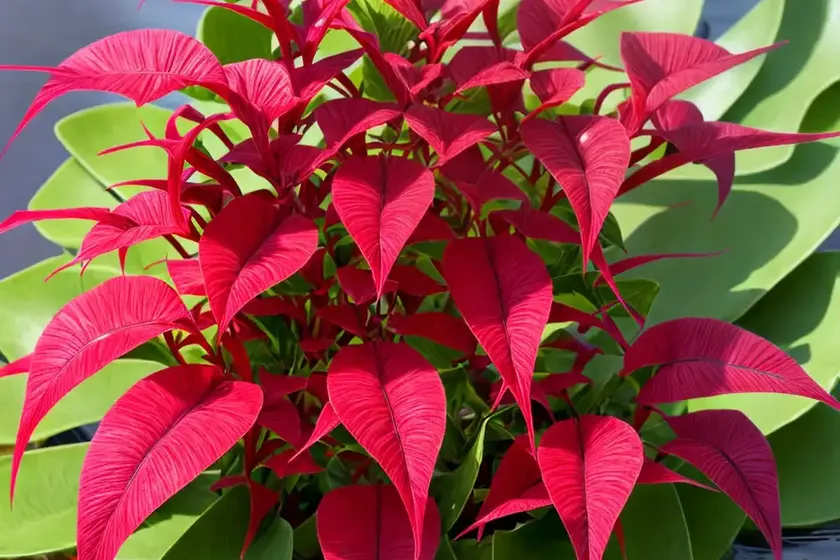
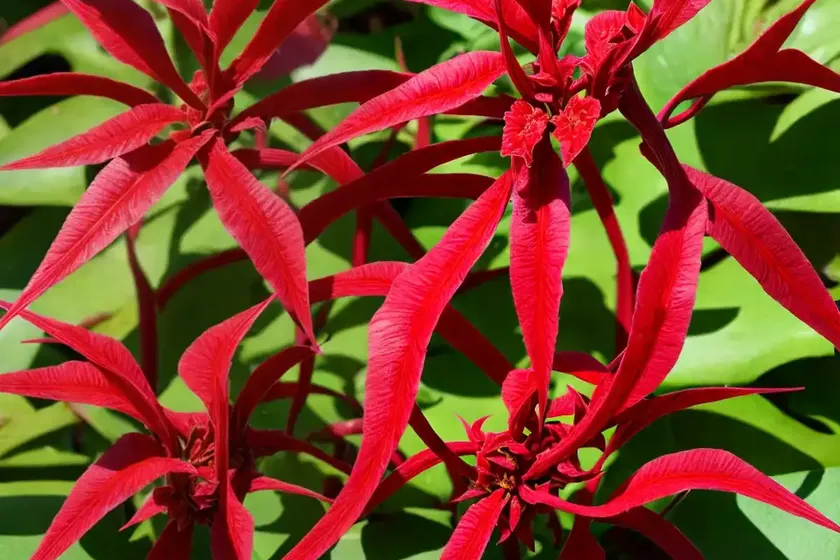

Crested Dock, scientifically known as Rumex cristatus, is a perennial flowering plant that belongs to the genus Rumex within the family Polygonaceae. This fascinating plant is renowned for its unique characteristics, diverse uses, and remarkable adaptability to various environmental conditions. In this comprehensive guide, we will delve into the captivating world of Crested Dock, exploring its cultural significance, horticultural potential, ecological importance, and much more.
Table of Contents
- Introduction to Crested Dock
- Cultural Significance and Uses
- Environmental Requirements
- Propagation and Container Gardening
- Popularity and Common Diseases
- Common Pests
- Botanist’s Tips and Maintenance
- Fun Facts about Crested Dock
- Links to External Resources
Introduction to Crested Dock
Crested Dock (Rumex cristatus), also known as Rumex cristatus, is an herbaceous perennial plant native to Europe and Western Asia. It is characterized by its distinctively curled or wavy leaves, often with a reddish or greenish hue, and clusters of small, inconspicuous greenish flowers. The plant typically grows to a height of 30-100 cm, forming dense clusters or tufts in open grasslands, meadows, and along roadsides.
Crested Dock (Rumex cristatus) – Key Takeaways
- Scientific Name: Rumex cristatus
- Common Names: Crested Dock, Wavy Dock
- Family: Polygonaceae
- Habitat: Native to Europe and Western Asia
- Growth Habit: Herbaceous perennial
- Distinctive Feature: Curled or wavy leaves
Now, let’s explore the various facets of this intriguing plant, from its cultural significance to its maintenance and care requirements.
Cultural Significance and Uses
Crested Dock in Traditional Medicine
Rumex cristatus has been traditionally used in herbal medicine for its purported medicinal properties. Various cultures have utilized different parts of the plant to address a range of health concerns. The leaves were commonly employed in traditional herbal remedies, with anecdotal accounts suggesting their potential benefits for digestive issues, skin ailments, and as a general tonic.
Traditional Folklore and Legends
The folklore surrounding Crested Dock is as diverse as its geographical distribution. In some cultures, the plant is associated with tales of resilience and adaptability, often symbolizing strength in the face of adversity. Its distinctive leaves and robust growth have led to the incorporation of Crested Dock into folklore and legends, where it is revered for its perceived protective qualities and natural charm.
Culinary Uses and Edible Qualities
While not as widely celebrated as some culinary herbs and vegetables, Crested Dock has found a place in traditional cuisine in certain regions. The young leaves of Rumex cristatus are occasionally used in salads or cooked as a leafy green vegetable. Their slightly tart flavor adds a unique dimension to culinary creations, and their rich nutritional content further enhances their appeal as an edible plant.
Garden Variety and Landscaping Potential
In horticultural contexts, Crested Dock is appreciated for its ornamental value, particularly in naturalistic or wildflower garden designs. The undulating foliage and graceful flowering spikes contribute to its visual allure, making it a sought-after addition to garden borders, meadow gardens, and landscape plantings. Additionally, its adaptability to diverse environmental conditions enhances its appeal as a landscaping plant.
Environmental Requirements
Water
Rumex cristatus exhibits moderate water requirements, thriving in moist to slightly dry soil conditions. When cultivated in garden settings, it is essential to provide adequate irrigation, particularly during prolonged dry spells, to support healthy growth and vigor. However, it is important to avoid waterlogged soil, as this can lead to root rot and other moisture-related issues.
Sunlight
As a sun-loving plant, Crested Dock flourishes in full to partial sunlight. It is ideally suited to open, sunny locations where it can bask in direct sunlight for a significant portion of the day. Insufficient sunlight can result in leggy growth and diminished flowering, so it is crucial to position the plant in a spot that receives ample sunshine.
Fertilizer
While generally undemanding in terms of fertilization, Rumex cristatus can benefit from a light application of a balanced, slow-release fertilizer in early spring. This can provide a nutrient boost as the plant enters its active growth phase, promoting robust foliage development and enhancing overall plant vigor. It is advisable to follow the manufacturer’s recommendations regarding application rates and frequency.
Soil
The adaptable nature of Crested Dock extends to its soil preferences, as it can thrive in various soil types, including loamy, sandy, or clay soils. Well-draining soil is essential to prevent waterlogging and root suffocation, so amending heavy clay soil with organic matter can improve its structure and drainage. A slightly acidic to neutral soil pH range is generally suitable for this versatile plant.
Pruning
Pruning requirements for Rumex cristatus are minimal, primarily involving the removal of spent flower stalks to maintain a tidy appearance and encourage additional blooming. Trim any damaged or diseased foliage as needed, and consider periodic thinning to prevent overcrowding and promote better air circulation within the plant canopy.
Propagation and Container Gardening
Propagation Methods
Crested Dock (Rumex cristatus) can be propagated through both seeds and division. Collect seeds from mature flower heads and sow them in well-prepared seedbeds or directly in garden soil. Division of established clumps is another viable propagation method, particularly during the plant’s dormancy period. Ensure that the divided sections contain sufficient roots and shoots to support successful establishment.
Container Gardening
While not as commonly seen in container gardens as some other ornamental plants, Crested Dock can be cultivated in large containers or planters, provided that adequate space and suitable environmental conditions are provided. Select a deep container with good drainage, fill it with a well-draining potting mix, and position the plant in a sunny location. Regular watering and occasional fertilization can support healthy growth in a containerized setting.
Popularity and Common Diseases
Popularity in Garden Settings
Although not as ubiquitous as some garden favorites, Rumex cristatus has garnered attention among gardeners and horticultural enthusiasts for its unique foliage and ecological benefits. As an attractive native species, it holds appeal for those seeking to incorporate native plants into their landscape designs and habitat restoration projects.
Common Diseases
Like most plants, Crested Dock is susceptible to certain diseases, though it is generally considered resilient and low-maintenance. Prominent diseases that may affect this species include fungal infections such as leaf spot and rust, particularly in conditions of high humidity and poor air circulation. Regular inspection and prompt intervention can help mitigate disease issues.
Disease Diagnosis
Diagnosing and addressing plant diseases requires keen observation and familiarity with common symptoms. Leaf spot diseases may manifest as circular lesions with distinctive margins, often accompanied by yellowing or browning of affected foliage. Rust, on the other hand, can present as powdery pustules on the undersides of leaves, leading to discoloration and premature leaf drop.
Common Pests
Despite its resilience, Crested Dock (Rumex cristatus) is not immune to potential pest pressures, with a few notable insect pests that may occasionally pose a threat to its health and vigor.
Pest Control Strategies
Integrated pest management (IPM) principles are instrumental in addressing pest issues while minimizing environmental impact. Non-chemical control measures such as handpicking insect pests, deploying physical barriers, and optimizing plant health through proper cultural practices can help reduce pest populations. In cases of severe infestations, targeted insecticidal treatments may be warranted.
Notable Pests
- Aphids: These small, sap-sucking insects can infest the tender shoots and foliage of Crested Dock, leading to stunted growth and distorted leaves. Regular scouting and the introduction of natural predators can aid in controlling aphid populations.
- Leaf Miners: The larvae of certain moth species can tunnel through the leaves of Rumex cristatus, causing unsightly patterns and potential weakening of the affected foliage. Pruning and disposal of infested leaves can help manage leaf miner populations.
Botanist’s Tips and Maintenance
Cultivation Considerations
When introducing Crested Dock to a garden or naturalistic setting, it is crucial to evaluate and address its cultural requirements. Assess the soil drainage, sunlight exposure, and potential competition from surrounding vegetation to optimize the plant’s establishment and long-term performance.
Maintenance Tips
Regular monitoring of plant health, including leaf color, growth patterns, and flowering frequency, can provide valuable insights into the plant’s well-being. Address any signs of stress or nutrient deficiencies promptly, and implement appropriate maintenance practices such as watering, fertilization, and occasional grooming to enhance the plant’s vitality.
Companion Planting
Crested Dock can be a valuable addition to a companion planting scheme, particularly in wildlife-friendly gardens and pollinator habitats. Pairing it with other native plants and nectar-rich flowers can support beneficial insect populations and contribute to overall garden biodiversity.
Fun Facts about Crested Dock
- Historical Uses: In traditional European herbal medicine, preparations derived from various Rumex species, including Crested Dock, were employed for their astringent and tonic properties.
- Wildlife Support: The flowering spikes of Rumex cristatus can serve as valuable food sources for certain pollinators, including bees and butterflies, contributing to the ecological value of the plant.
- Ornamental Appeal: While primarily valued for its ecological contributions, Crested Dock’s distinctive foliage and adaptable nature make it a visually appealing addition to naturalistic garden designs and restoration projects.
- Folklore and Symbolism: Across different cultures, several folkloric associations are linked to the ornamental and medicinal qualities of Rumex cristatus, exemplifying its cultural significance.
Links to External Resources
To further enhance your understanding of Crested Dock (Rumex cristatus) and explore additional insights, you may find the following external resources helpful:
- Royal Horticultural Society – Rumex cristatus
- Encyclopaedia Britannica – Dock Plant
- Gardening Know How – Growing Rumex Plants
- Missouri Botanical Garden – Rumex sanguineus
In conclusion, Crested Dock (Rumex cristatus) stands as a compelling botanical subject, intertwining ecological significance, cultural resonance, and horticultural potential. Whether appreciated for its adaptive traits, utilized for its medicinal attributes, or celebrated for its ornamental value, this resilient plant continues to captivate and inspire plant enthusiasts and nature lovers across diverse landscapes.
The allure of Crested Dock lies not only in its physical attributes but in the myriad ways it engages with human history, ecological dynamics, and horticultural endeavors. By nurturing an appreciation for the multifaceted nature of this plant, we can foster a deeper connection with the natural world and recognize the intrinsic value of botanical diversity.
I hope this comprehensive guide has provided you with valuable insights into the captivating realm of Rumex cristatus, further igniting your passion for plant science, horticulture, and ecological stewardship.


