Crepe-myrtle (Lagerstroemia Indica)
Lagerstroemia indica, commonly known as Crepe-myrtle, is a popular ornamental plant known for its colorful and long-lasting blooms. This beautiful.
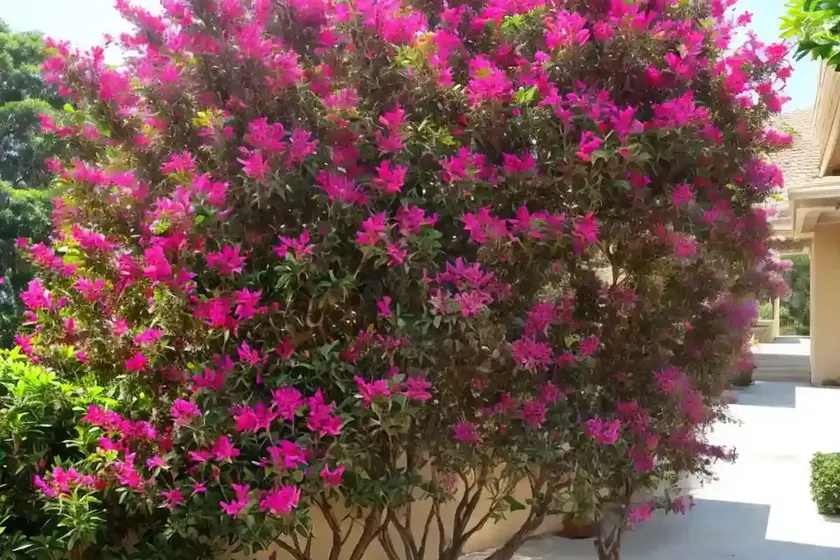
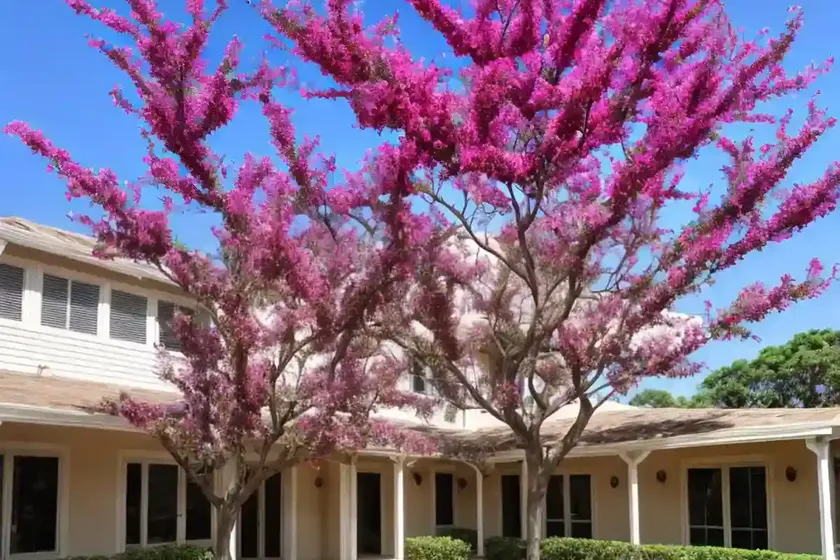
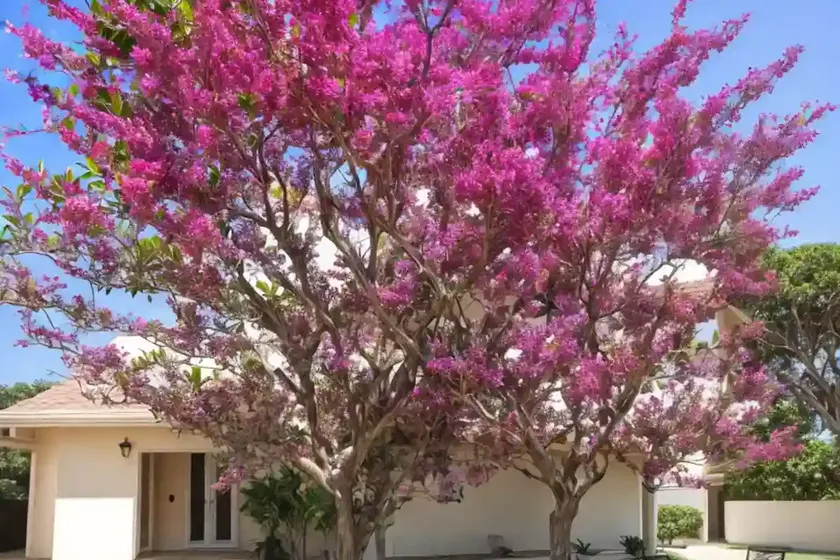
Lagerstroemia indica, commonly known as Crepe-myrtle, is a popular ornamental plant known for its colorful and long-lasting blooms. This beautiful flowering tree has been a favorite among gardeners and landscaping enthusiasts for centuries, thanks to its stunning flowers, attractive bark, and minimal maintenance requirements. In this comprehensive guide, we will delve into the various aspects of Crepe-myrtle, including its culture, uses, care tips, and much more.
What is Crepe-myrtle (Lagerstroemia indica)?
Lagerstroemia indica, or Crepe-myrtle, is a species of flowering plant in the family Lythraceae. It is native to the Indian subcontinent, Southeast Asia, and parts of Oceania. This deciduous tree is renowned for its vibrant and crepe-papery flowers that come in a wide range of colors, including shades of pink, purple, and white. The smooth, exfoliating bark of Crepe-myrtle adds to its year-round visual interest, making it a popular choice for gardens, parks, and urban landscapes.
Crepe-myrtle is characterized by its moderate growth rate, typically reaching a height between 10 to 30 feet, depending on the variety. It thrives in warm climates and is well-suited for USDA hardiness zones 7 to 9, although certain cultivars may exhibit greater cold tolerance.
Let’s explore the key takeaways and essential aspects of Crepe-myrtle cultivation, maintenance, and preservation.
Key Takeaways – Crepe-myrtle (Lagerstroemia indica)
Before delving into the specific details of Cultivation, Uses, and Care Tips of the Lagerstroemia indica, let us summarize the key takeaways of this remarkable plant:
- Scientific Name: Lagerstroemia indica
- Common Name: Crepe-myrtle
- Family: Lythraceae
- Native Range: Indian subcontinent, Southeast Asia, Oceania
- Growth Habit: Deciduous tree
- Height: 10–30 feet (depending on the variety)
- Flower Colors: Pink, purple, white
- Bloom Time: Summer through fall
- Hardiness Zones: USDA zones 7–9
- Special Features: Exfoliating bark, crepe-papery flowers
- Uses: Ornamental landscaping, urban greening
- Maintenance: Moderate
- Pests and Diseases: Susceptible to certain pests and diseases
Now, let’s explore the various aspects of Crepe-myrtle in more detail.
Culture of Crepe-myrtle
Water
Proper watering is crucial for the establishment and ongoing health of Crepe-myrtle plants. During the first growing season, it is essential to ensure an adequate and consistent water supply to support root development and overall growth. Once established, Crepe-myrtle exhibits a moderate drought tolerance and can withstand periods of reduced moisture. However, during prolonged dry spells, particularly in hot climates, supplemental irrigation may be necessary to maintain optimal health and vigor.
Sunlight
Crepe-myrtle thrives in full sunlight, making it an ideal choice for open landscapes and gardens that receive ample sunshine. Providing at least 6–8 hours of direct sunlight per day is recommended for robust growth and prolific blooming. Insufficient sunlight may result in reduced flower production and overall vigor of the plant.
Fertilizer
Proper fertilization can significantly enhance the growth and flowering performance of Crepe-myrtle. A balanced, slow-release fertilizer applied in early spring, just before the onset of new growth, can provide the necessary nutrients for healthy foliage and abundant blooms. Additionally, periodic soil testing can help determine specific nutrient deficiencies and guide appropriate fertilizer applications.
Soil
Crepe-myrtle thrives in well-drained soils with a slightly acidic to neutral pH range (pH 5.0–6.5). Loamy soils with good organic content are well-suited for its growth, promoting healthy root development and overall plant vigor. While Crepe-myrtle is adaptable to various soil types, it is important to avoid waterlogged or excessively alkaline soils, as they can negatively impact the plant’s health.
Pruning Crepe-myrtle
Proper pruning plays a significant role in maintaining the health, shape, and flowering abundance of Crepe-myrtle. Pruning is typically conducted during late winter or early spring to remove dead or damaged wood, improve overall structure, and encourage vigorous new growth. It is essential to avoid over-pruning, particularly the controversial practice of ‘topping,’ which can lead to weak growth and unsightly appearance.
Propagation
Crepe-myrtle can be propagated through several methods, including softwood cuttings, hardwood cuttings, and seeds. Softwood cuttings, taken from young and tender stems, are often preferred for their high success rate and rapid root development. Hardwood cuttings are typically harvested during the dormant season and require longer rooting times. Seeds can also be used for propagation, although they may exhibit greater variability in terms of offspring characteristics.
Container Popularity
While Crepe-myrtle is primarily known for its stature as a flowering tree, its popularity in container gardening has been on the rise. Compact and dwarf varieties, such as those with weeping or shrub-like growth habits, are well-suited for container cultivation. When grown in containers, Crepe-myrtle can serve as a stunning focal point on patios, balconies, and other outdoor spaces, providing a splash of color and natural beauty.
Common Diseases and Pests
Despite its overall resilience, Crepe-myrtle is susceptible to certain diseases and pests that can impact its health and appearance. Understanding these potential issues and implementing appropriate preventive measures is essential for maintaining the plant’s vitality.
Common Diseases
Powdery Mildew: A fungal disease that manifests as a white, powdery coating on leaves and stems, often affecting plants in humid or overcrowded conditions.
Cercospora Leaf Spot: Characterized by the development of dark, sunken lesions with distinct borders on the foliage, particularly during periods of high humidity and moderate temperatures.
Anthracnose: This fungal disease causes dark, irregular lesions on leaves and stems, potentially leading to defoliation and branch dieback if left unmanaged.
Disease Diagnosis
Early diagnosis of these diseases is crucial for prompt intervention and control. Regular monitoring of foliage, particularly during periods of high humidity and warm temperatures, can help detect early signs of disease development. If suspected, affected plant material can be sent for laboratory analysis to confirm the presence of specific pathogens and guide targeted treatment strategies.
Common Pests
Aphids: Small, soft-bodied insects that feed on plant sap, often clustering on new growth and causing curled or distorted leaves.
Scale Insects: These pests appear as small, immobile bumps on stems and leaves, causing reduced growth and overall decline in plant health.
Japanese Beetles: Known for their metallic green sheen, these voracious pests feed on foliage and flowers, potentially causing significant damage if left unchecked.
Botanist’s Tips for Crepe-myrtle
As a seasoned botanist, I have cultivated a deep appreciation for the remarkable attributes of Crepe-myrtle and have compiled a set of practical tips for its successful cultivation and care:
-
Selecting the Right Variety: With numerous Crepe-myrtle varieties available, it is important to choose one that aligns with your space, climatic conditions, and aesthetic preferences. Consider factors such as mature size, flower color, and fall foliage display to make an informed selection.
-
Optimal Soil Preparation: Prior to planting, ensure that the soil is well-drained and rich in organic matter. Amending heavy or compacted soils with organic compost can greatly improve soil structure and promote healthy root development.
-
Prudent Pruning Practices: When pruning Crepe-myrtle, aim to maintain its natural form and structure while removing dead or crossing branches. Avoid excessive or indiscriminate pruning, as it can compromise the plant’s overall health and aesthetic appeal.
-
Proactive Pest Monitoring: Regularly inspect your Crepe-myrtle for signs of pest infestations, such as distorted foliage, sticky honeydew, or visible insects. Early detection can facilitate timely intervention and prevent widespread damage.
-
Appropriate Watering Regimen: While Crepe-myrtle exhibits moderate drought tolerance, consistent and adequate watering, particularly during the establishment phase, is essential for promoting healthy growth and robust flowering.
-
Promoting Wildlife Diversity: Crepe-myrtle’s flowers attract a variety of pollinators, including bees, butterflies, and hummingbirds, enhancing garden biodiversity and ecosystem health. Embracing its role as a floral resource can contribute to a thriving and vibrant garden ecosystem.
Fun Facts About Crepe-myrtle
In addition to its horticultural significance, Crepe-myrtle boasts several intriguing and lesser-known aspects that make it a captivating subject of interest:
-
Cultural Significance: In addition to its ornamental value, Crepe-myrtle has cultural and historical significance in certain regions, where it is revered for its symbolism and traditional uses in folklore and crafts.
-
Medicinal Uses: Some cultures have utilized various parts of the Crepe-myrtle plant for their purported medicinal properties. From bark extracts to flower infusions, traditional remedies have been attributed to this versatile plant.
-
Fall Color Display: While renowned for its summer blooms, Crepe-myrtle also dazzles in the autumn with its striking fall foliage, showcasing a spectrum of warm hues before entering dormancy.
-
Drought Tolerance: Certain Crepe-myrtle varieties exhibit exceptional drought tolerance, making them well-suited for water-wise landscapes and regions prone to dry conditions.
Links to External Resources
To further expand your knowledge on Crepe-myrtle (Lagerstroemia indica) and its various aspects, I have curated a selection of authoritative external resources for your reference:
-
The Crepe Myrtle Company: A specialized resource dedicated to Crepe-myrtle varieties, cultivation tips, and landscaping ideas.
-
USDA Plants Database: An extensive database providing detailed information on the taxonomy, distribution, and natural history of Lagerstroemia indica.
-
Extension Publications: Cooperative Extension resources offering practical guidance on the cultivation, maintenance, and pest management of Crepe-myrtle in diverse environmental settings.
-
The American Phytopathological Society: A valuable source for in-depth information on diseases affecting Crepe-myrtle and other ornamental plants, including diagnostic guides and management strategies.
-
Pollinator Partnership: An organization dedicated to promoting pollinator-friendly landscapes and providing resources on plant selection to support pollinator health, including information on Crepe-myrtle as a pollinator attractant.
With the insights and practical recommendations shared in this guide, I hope you are better equipped to embark on your journey of cultivating, appreciating, and preserving the beauty of Crepe-myrtle in your own outdoor spaces.
In conclusion, Crepe-myrtle stands as a testament to the extraordinary beauty and resilience of ornamental plants, offering a tapestry of vibrant blooms, striking bark, and diverse ecological contributions. As you embark on your horticultural endeavors, may the allure of Crepe-myrtle enrich your gardening experiences and inspire a deeper appreciation for the natural world.


