Western Soapberry (Sapindus drummondii): A Comprehensive Guide
As a plant scientist, I am excited to delve into the world of the western soapberry (Sapindus drummondii). This fascinating plant belongs to the Soapberry family (Sapindaceae) and offers numerous cultural, ecological, and medicinal benefits. In this comprehensive guide, we will explore the various aspects of the western soapberry, including its uses, cultivation, care, landscaping applications, ecological importance, and much more.
What is Western Soapberry?
Overview of Sapindus Drummondii
The western soapberry, scientifically known as Sapindus drummondii, is a deciduous tree or shrub native to North America. It is primarily found in the regions of the central and southwestern United States, thriving in diverse habitats such as prairies, open woodlands, and stream banks.
The plant is popular for its distinctive feature – the soapberries, which are round, smooth, and yellowish in color. These berries contain natural saponins, which release soap-like suds when agitated in water. This characteristic has earned the plant its common name, “soapberry”.
Taxonomy
Kingdom: Plantae
Phylum: Tracheophyta
Class: Magnoliopsida
Order: Sapindales
Family: Sapindaceae
Genus: Sapindus
Species: drummondii
Key Takeaways – Western Soapberry (Sapindus drummondii)
Before we delve into the specific aspects of the western soapberry, let’s highlight some key takeaways about this fascinating plant:
- Common Names: Western soapberry, soapberry tree, soapberry shrub, soapnut tree
- Native Habitat: Central and southwestern United States
- Characteristics: Berries contain natural saponins, used as a natural soap
- Cultural Uses: Soapmaking, traditional crafts, medicinal properties
- Ecological Importance: Wildlife habitat, erosion control, land restoration
- Landscaping Applications: Drought-resistant, low-maintenance, native plant species
Now that we have a broad understanding of the western soapberry, let’s explore each aspect in detail.
Cultivation of Western Soapberry
Cultivating the western soapberry is a rewarding experience, whether for its practical uses, ecological benefits, or aesthetic appeal. To successfully grow and care for this plant, several factors need to be considered, including water, sunlight, fertilizer, soil, and pruning.
Water
The western soapberry is known for its adaptability to various moisture conditions. While established plants can tolerate drought, they also grow well in moist, well-drained soils. When initially establishing the plant, regular watering is essential to promote healthy root development.
Sunlight
In terms of sunlight requirements, the western soapberry thrives in full sun to partial shade. It is important to provide adequate sunlight for the plant to produce an abundance of berries and maintain its overall vigor.
Fertilizer
This plant is generally low-maintenance and does not require frequent fertilization. However, applying a balanced fertilizer in the spring can support healthy growth and berry production. It is important to use a fertilizer that is suitable for woody plants to avoid over-fertilization.
Soil
Western soapberries are adaptable to a wide range of soil types, including sandy, loamy, and clay soils. They prefer neutral to slightly alkaline soil pH. Good drainage is crucial to prevent waterlogging, especially during the establishment phase.
Pruning
Pruning is generally minimal for the western soapberry, mainly to shape the plant and remove any dead or damaged branches. Early spring is an ideal time for pruning, as it allows the plant to recover and produce new growth effectively.
Propagation of Western Soapberry
Propagation of the western soapberry can be achieved through various methods, including seeds, cuttings, and root division. Each method has its own advantages and considerations, making it important to choose the most suitable approach based on the specific requirements and resources available.
Seed Propagation
Growing western soapberry from seeds is a common and relatively straightforward method. It is important to collect ripe berries, extract the seeds, and plant them in well-drained soil. Germination may take several weeks to months, and the resulting seedlings can be transplanted once they have developed sufficient root systems.
Cutting Propagation
Using semi-hardwood cuttings is another viable method for propagating western soapberry. Select healthy, disease-free cuttings from the parent plant and place them in a well-draining rooting medium. With proper humidity and warmth, these cuttings can develop roots and establish themselves as new plants.
Root Division
For mature western soapberry plants, division of the root ball can be employed to propagate new specimens. This method is most effective during the dormant season, and each divided section should possess healthy roots and shoots to ensure successful establishment.
Container Cultivation of Western Soapberry
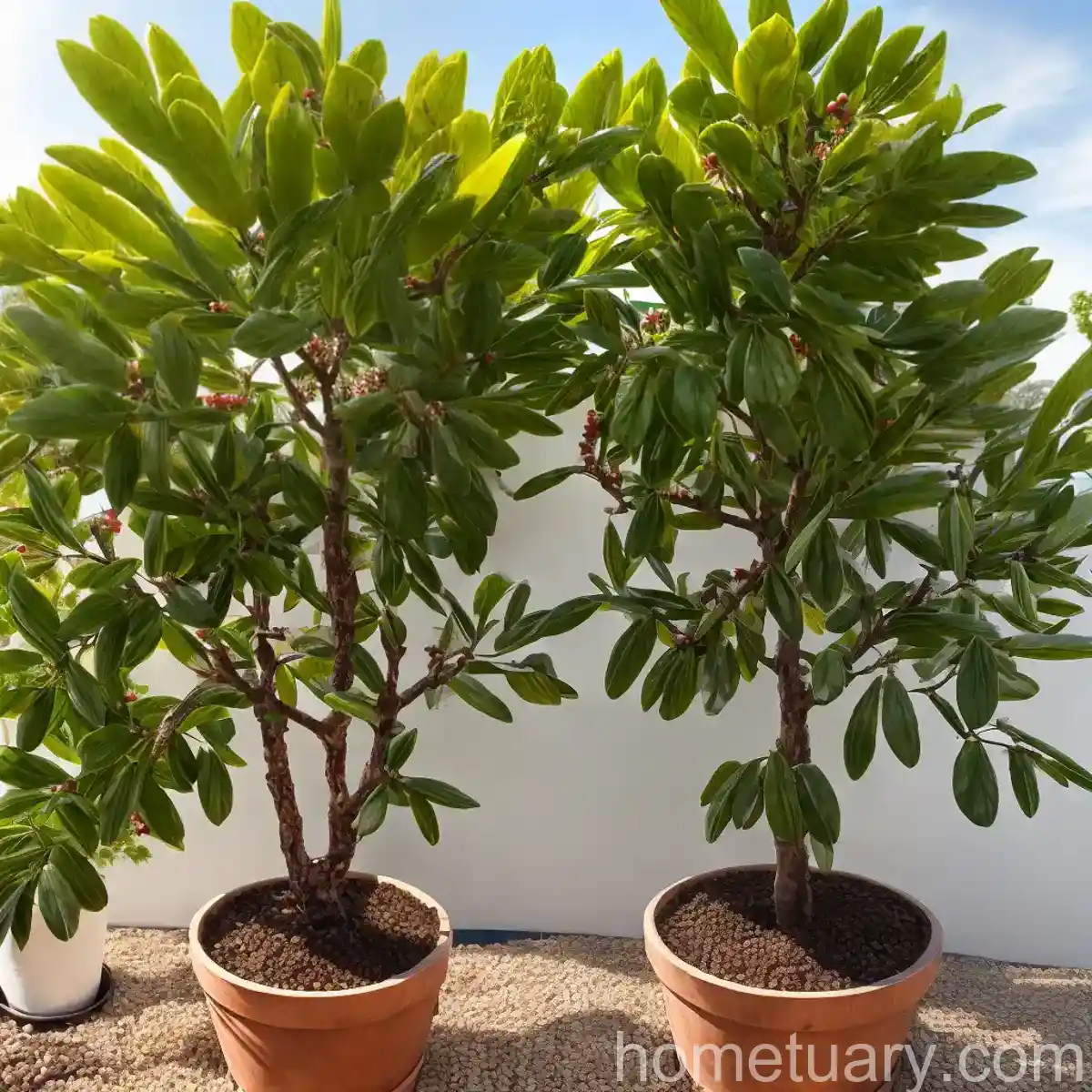
For those with limited garden space or who wish to enjoy the benefits of the western soapberry on a smaller scale, container cultivation is a viable option. When growing this plant in containers, several considerations need to be taken into account to ensure optimal growth and performance.
Container Size
Select a large, sturdy container that provides ample room for the plant’s roots to spread and establish. A container with drainage holes is essential to prevent waterlogging and maintain proper soil moisture levels.
Soil Mix
Choose a well-draining, nutrient-rich soil mix suitable for woody plants. Adding organic matter to the soil can enhance its structure and water retention capacity, promoting healthy growth and berry production.
Sunlight
Position the container in a location that receives adequate sunlight, preferably in full sun. Regularly rotate the container to ensure even sunlight exposure on all sides of the plant.
Watering
Container-grown western soapberries may require more frequent watering compared to those grown in the ground. It is essential to monitor soil moisture levels and adjust watering frequency based on environmental conditions.
Fertilization
Apply a balanced, slow-release fertilizer in the spring to provide essential nutrients for the plant’s growth and fruit production. Use a fertilizer specifically formulated for container plants to support overall health and vigor.
Popularity of Western Soapberry
The western soapberry has garnered popularity for its multifaceted benefits and versatile applications. Whether it be in gardening, landscaping, or traditional uses, this plant has piqued the interest of many enthusiasts and conservationists. Its appeal lies in its ecological significance, low-maintenance nature, and cultural relevance.
Native Plant Landscaping
As interest in native plant landscaping continues to grow, the western soapberry has gained recognition for its adaptability and contribution to sustainable gardening practices. It serves as a valuable addition to native plant gardens, restoration projects, and xeriscaping initiatives.
Medicinal and Traditional Uses
The plant’s medicinal properties and traditional uses have also contributed to its popularity. From natural remedies to soap-making and traditional crafts, the western soapberry offers a range of practical applications that resonate with individuals seeking sustainable and traditional alternatives.
Ecological Importance
Its ecological importance cannot be understated, as it provides habitat and sustenance for wildlife, aids in erosion control, and contributes to overall biodiversity. This ecological relevance has further elevated the plant’s appeal among conservationists and proponents of nature-friendly landscaping.
Common Diseases of Western Soapberry
While the western soapberry is generally resilient, it is susceptible to certain diseases and pests that can impact its health and vigor. Being aware of these potential issues is important for effectively diagnosing and treating any problems that may arise.
Anthracnose
Anthracnose is a fungal disease that can affect the leaves and berries of the western soapberry, causing dark lesions and premature defoliation. It is important to monitor the plant for signs of anthracnose and employ appropriate fungicidal treatments if necessary.
Powdery Mildew
Powdery mildew, characterized by a white powdery growth on leaves and stems, can occur under conditions of high humidity and poor air circulation. Proper cultural practices and fungicidal treatments can help mitigate the impact of powdery mildew on the plant.
Bacterial Blight
Bacterial blight can manifest as water-soaked lesions on the leaves and stems of the western soapberry. Maintaining good sanitation practices and promptly removing and disposing of infected plant parts can help manage the spread of this disease.
Disease Diagnosis and Management
Diagnosing and managing diseases of the western soapberry is essential for maintaining the plant’s health and ensuring its longevity in the landscape. Implementing integrated pest management strategies and cultural practices can help prevent and minimize the impact of diseases.
Monitoring and Identification
Regularly monitor the plant for any signs of disease, including abnormal lesions, discoloration, or unusual leaf drop. Properly identifying the specific disease affecting the plant is crucial for determining the most effective management approach.
Cultural Practices
Promoting overall plant health through proper watering, fertilization, and pruning can bolster the western soapberry’s natural defenses against diseases. Additionally, improving air circulation and reducing overhead watering can help create a less conducive environment for disease development.
Treatment Options
Depending on the specific disease, treatment options may include the use of fungicides, bactericides, or biocontrol agents. It is important to carefully follow the recommended application rates and timing to maximize efficacy while minimizing environmental impact.
Common Pests Affecting Western Soapberry
In addition to diseases, western soapberries are susceptible to certain pests that can pose a threat to their health and vitality. Understanding the common pests and their management is crucial for preserving the plant’s overall well-being.
Aphids
Aphids are small, sap-sucking insects that can infest the foliage and tender shoots of the western soapberry. Their feeding activity can lead to distorted growth and the accumulation of sticky honeydew on the plant.
Scale Insects
Scale insects can appear as immobile, waxy bumps on the stems and leaves of the western soapberry. They feed on the plant’s sap, causing yellowing of foliage and overall decline in vigor.
Spider Mites
Spider mites are tiny arachnids that can cause stippling and discoloration of the leaves, affecting the plant’s aesthetic appeal and photosynthetic capacity.
Botanist’s Tips for Growing Western Soapberry
As a plant scientist with a passion for native plants and sustainable gardening, I have accumulated valuable insights and recommendations for successfully growing and caring for the western soapberry. These botanist’s tips aim to empower enthusiasts and gardeners with the knowledge to cultivate this remarkable plant effectively.
Selecting Planting Sites
When selecting planting sites for western soapberries, it is important to consider their mature size and growth habit. Choose locations with well-drained soil, ample sunlight, and sufficient space for the plant to thrive without interference from nearby structures or competing vegetation.
Mulching Benefits
Applying a layer of organic mulch around the base of the plant can confer numerous benefits, including moisture retention, weed suppression, and protection of the root system from temperature fluctuations. Use mulch materials such as shredded bark or compost, and maintain an appropriate thickness to maximize effectiveness.
Wildlife-Friendly Landscaping
Incorporating western soapberries into wildlife-friendly landscaping designs can attract a diversity of birds and beneficial insects. By providing food and habitat, these plants enrich the ecological value of the landscape and contribute to the overall health of the ecosystem.
Sustainable Management Practices
Adopting sustainable management practices, such as composting, organic pest control, and water-conserving techniques, aligns with the ecological ethos of western soapberry cultivation. These practices contribute to the preservation of natural resources and the promotion of environmental harmony.
Fun Facts About Western Soapberry
Delving into the world of the western soapberry reveals a treasure trove of intriguing and unexpected facts. Let’s uncover some fun and fascinating aspects of this remarkable plant that showcase its unique attributes and cultural significance.
-
Natural Soap Production: The berries of the western soapberry contain saponins, natural compounds that produce a lather when agitated in water. This soap-making capability has been historically utilized by indigenous peoples and continues to inspire eco-conscious soap crafters.
-
Bird Habitat: Western soapberries serve as a valuable food source for birds, attracting species such as robins, cedar waxwings, and mockingbirds. Their berry clusters provide sustenance and contribute to the biodiversity of bird habitats.
-
Erosion Control: The extensive root systems of western soapberries aid in stabilizing soil and preventing erosion, making them valuable components of riparian restoration projects and land management initiatives.
-
Traditional Uses: Indigenous cultures have long appreciated the practical and cultural significance of the plant, utilizing it for medicinal purposes, dye production, and crafting functional items such as fish poisons and arrow shafts.
-
Symbolism: In addition to its practical uses, the western soapberry holds cultural symbolism, often representing purity, cleansing, and renewal. These symbolic associations resonate with its natural soap-producing properties.
-
Drought Resistance: Western soapberries exhibit resilience in arid and semi-arid environments, showcasing their ability to thrive under conditions of limited water availability.
Links to External Resources
To further explore the diverse facets of the western soapberry and expand your knowledge of native plant cultivation and sustainable landscaping, the following external resources are valuable references:
- Lady Bird Johnson Wildflower Center – Sapindus drummondii
- USDA Plants Database – Sapindus drummondii
- University of Florida IFAS Extension – Soapberry Trees
- Texas A&M AgriLife Extension – Western Soapberry
- Missouri Botanical Garden – Sapindus drummondii
- The Xerces Society for Invertebrate Conservation – Pollinator Plants Database
- Soapberry – A Handful of Trees
- Native American Ethnobotany Database – Sapindus drummondii
Conclusion
In conclusion, the western soapberry (Sapindus drummondii) stands as a testament to the remarkable diversity and utility of native plant species. From its natural soap-producing properties to its ecological and cultural significance, this plant embodies the interconnectedness of nature and human culture. By embracing the cultivation and conservation of western soapberries, we can contribute to sustainable gardening practices, promote biodiversity, and honor the rich heritage of indigenous plant wisdom.
I hope that this comprehensive guide has illuminated the many facets of the western soapberry and inspired a deeper appreciation for its value in our natural and cultural landscapes. Whether you are a seasoned horticulturist, a native plant enthusiast, or a curious nature lover, the western soapberry invites us to explore and celebrate the beauty and resilience of native flora.
As we continue on our journey of discovery and conservation, let us cultivate an enduring reverence for plants such as the western soapberry, recognizing their essential role in sustaining healthy ecosystems and enriching our lives with their enduring beauty and purpose.
As a plant scientist, I am thrilled to have the opportunity to share insights on the western soapberry, a remarkable native plant that embodies the intersection of culture, ecology, and sustainable gardening. I trust that this comprehensive guide will serve as a valuable resource for enthusiasts and conservationists alike, nurturing a deeper appreciation for the natural wonders that surround us.