Creeping Willow (Salix Repens ‘Iona’)
Creeping willow, scientifically known as Salix repens ‘Iona’, is an intriguing and versatile plant that has garnered significant attention in the world of.

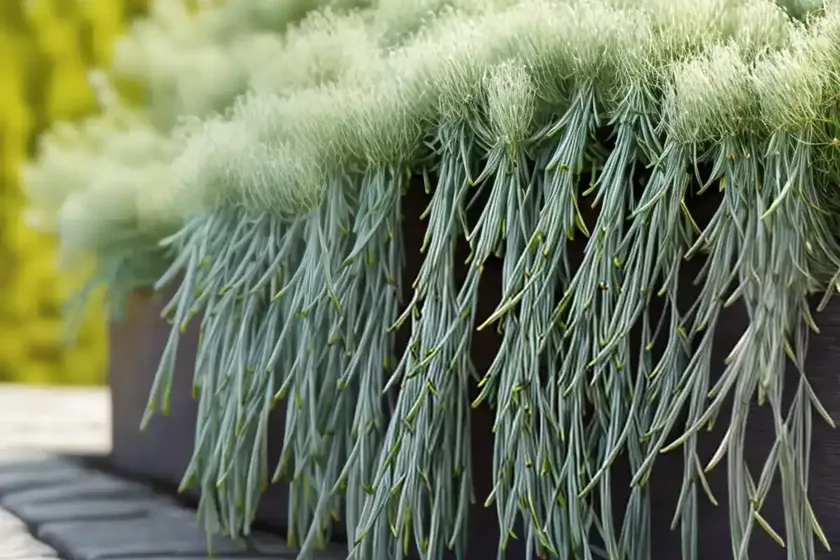
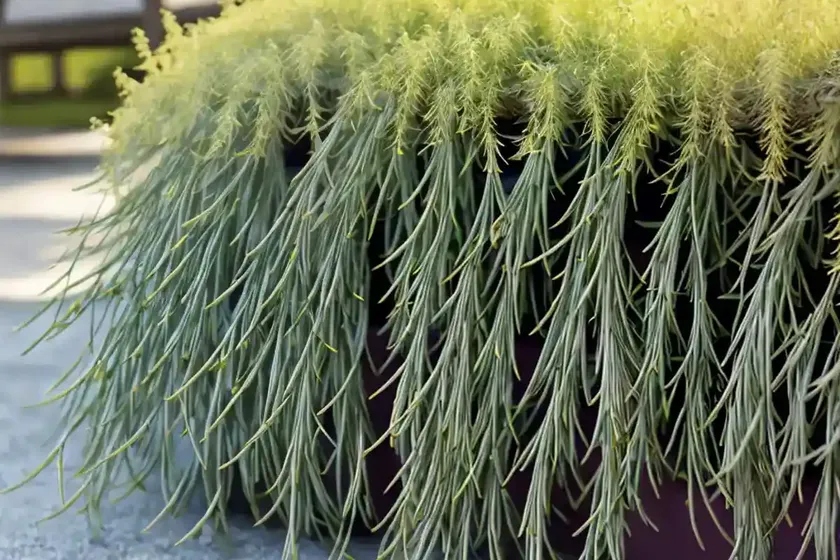
Creeping willow, scientifically known as Salix repens ‘Iona’, is an intriguing and versatile plant that has garnered significant attention in the world of landscaping and gardening. This low-growing plant with its characteristic creeping habit is an excellent choice for covering large areas, erosion control, and adding diversity to a garden. In this comprehensive guide, we will delve into the various aspects of creeping willow – from its characteristics and uses to its cultivation requirements and maintenance. Whether you are a seasoned gardener or someone looking to explore new plant varieties, this guide will equip you with the knowledge to cultivate and appreciate the beauty of Salix repens ‘Iona’.
What is Plant: Creeping Willow (Salix repens ‘Iona’)?
Creeping willow, or Salix repens ‘Iona’, is a deciduous shrub belonging to the Salicaceae family. It is native to Europe and Western Asia, where it thrives in various habitats, from woodlands to wetlands. The ‘Iona’ cultivar is particularly valued for its ability to form a dense, ground-hugging carpet, making it an ideal choice for low-maintenance ground cover.
This plant is characterized by its low, spreading growth habit, with slender, flexible branches that can reach up to 6 feet in length. The leaves are typically elongated, narrow, and pointed, with a vibrant green color that adds a refreshing touch to any landscape.
The creeping willow is prized not only for its ornamental value but also for its ecological significance, as it provides habitat for a variety of wildlife and contributes to soil stabilization.
Key Takeaways – Creeping Willow (Salix repens ‘Iona’)
Let’s take a closer look at the key takeaways associated with the cultivation and maintenance of creeping willow, Salix repens ‘Iona’:
- Culture: Understanding the cultural requirements of creeping willow, from water and sunlight needs to soil and fertilizer preferences.
- Uses: Exploring the diverse uses of Salix repens ‘Iona’, including its role as ground cover, erosion control, and its potential medicinal properties.
- Water: Identifying the optimal watering practices for maintaining healthy and thriving creeping willow plants.
- Sunlight: Understanding the sunlight requirements and the impact of light conditions on the growth and development of Salix repens ‘Iona’.
- Fertilizer: Implementing suitable fertilization practices to promote robust growth and vigor in creeping willow.
- Soil: Choosing the right soil type and understanding the soil requirements for cultivating healthy and resilient Salix repens ‘Iona’.
- Pruning: Learning the art of pruning creeping willow to maintain its desired form and promote abundant growth.
- Propagation: Exploring the propagation techniques for Salix repens ‘Iona’ to expand its presence in the garden or landscape.
- Container: Understanding the potential of growing creeping willow in containers and learning the best practices for container gardening.
- Popularity: Learning about the popularity of creeping willow in landscaping and horticultural practices.
- Common Diseases: Identifying the common diseases that affect Salix repens ‘Iona’ and implementing effective disease management strategies.
- Common Pests: Understanding the potential pests that can impact creeping willow and the methods for pest control and prevention.
- Botanist’s Tips: Gaining insights and recommendations from experts on the cultivation and care of Salix repens ‘Iona’.
- Fun Facts: Exploring interesting and lesser-known facts about creeping willow, adding depth to our understanding of this unique plant.
With these key takeaways in mind, let’s delve into each aspect of creeping willow, exploring its nuances and gaining practical insights into its cultivation and maintenance.
Culture of Creeping Willow (Salix repens ‘Iona’)
Cultivating a thriving and visually appealing creeping willow plant involves understanding and addressing its cultural requirements. Whether you are a novice gardener or an experienced horticulturist, getting familiar with the specific needs of Salix repens ‘Iona’ is instrumental in ensuring its health and vitality.
Water
Proper watering is critical for the health and vigor of creeping willow, ensuring that it remains adequately hydrated without being waterlogged. The water requirements of Salix repens ‘Iona’ are influenced by factors such as climate, soil type, and the plant’s stage of growth.
- Optimal Moisture Levels: Creeping willow favors moist soil, particularly during its establishment phase. Ensuring that the soil remains consistently moist, but not waterlogged, is key to promoting healthy growth. However, once established, this plant demonstrates good drought tolerance, requiring less frequent watering.
- Well-Drained Soil: While creeping willow thrives in moist conditions, it is crucial to avoid waterlogging, which can lead to root rot and other moisture-related issues. Therefore, planting Salix repens ‘Iona’ in well-draining soil or implementing measures to improve drainage is essential.
- Watering Frequency: During dry periods or when the plant is in its initial stages of growth, regular watering may be necessary. However, as the plant matures, it exhibits resilience to moderate drought conditions, reducing the frequency of watering.
Understanding the local climate and soil conditions is key to determining the most suitable watering regimen for creeping willow. By monitoring the soil moisture levels and adjusting the watering frequency accordingly, you can support the robust growth and vitality of Salix repens ‘Iona’.
Sunlight
Like many plants, the availability of sunlight plays a pivotal role in the growth and development of creeping willow. Understanding the sunlight requirements of Salix repens ‘Iona’ is crucial in determining its placement and ensuring optimal growing conditions.
- Partial to Full Sun: Creeping willow generally thrives in locations that receive partial to full sunlight. While it can tolerate some shade, providing access to ample sunlight promotes lush foliage and overall vigor.
- Shade Tolerance: While the preference is for sunlight, creeping willow exhibits a degree of shade tolerance, making it suitable for areas with varying light conditions. However, for optimal growth and density, locating the plant in areas with good sunlight exposure is recommended.
- Sunlight and Leaf Color: Adequate sunlight not only supports the growth of creeping willow but also enhances the vibrancy of its foliage, contributing to its visual appeal.
By selecting suitable planting locations that offer the right balance of sunlight and shade, you can create an environment that maximizes the potential of Salix repens ‘Iona’ and enhances its ornamental value.
Fertilizer
Appropriate fertilization can significantly impact the growth and vitality of creeping willow, providing essential nutrients to support its vigor and resilience. Understanding the fertilizer requirements of Salix repens ‘Iona’ is key to promoting healthy growth and ensuring the plant’s overall well-being.
- Rich, Balanced Fertilizer: Creeping willow benefits from the application of a balanced, all-purpose fertilizer that provides essential macronutrients such as nitrogen, phosphorus, and potassium. A slow-release fertilizer is often a suitable option, offering a steady and consistent supply of nutrients over an extended period.
- Application Timing: Fertilizer can be applied in early spring or late fall, coinciding with the plant’s active growing phases. By timing the application appropriately, you can ensure that the nutrients are readily available during critical growth stages.
- Moderation: While providing supplemental nutrients is important, it is essential to avoid over-fertilization, which can lead to excessive foliage growth at the expense of overall plant health. Adhering to the recommended dosage and frequency of fertilization supports balanced growth without inducing undue stress on the plant.
By incorporating a well-balanced fertilizer regimen into the care routine for Salix repens ‘Iona’, you can enhance its growth and vitality, contributing to the creation of a thriving landscape or garden setting.
Soil
Understanding the soil preferences of creeping willow is integral to creating a conducive growing environment and promoting the overall health and resilience of Salix repens ‘Iona’. From soil composition to pH levels, various factors influence the suitability of the soil for this particular plant.
- Well-Drained, Moist Soil: Creeping willow thrives in soil that exhibits good drainage while retaining ample moisture. This balance ensures that the plant’s roots have access to water without being subjected to waterlogged conditions, which can lead to root issues.
- Acidic to Neutral pH: Salix repens ‘Iona’ prefers soil with a slightly acidic to neutral pH range, typically between 5.5 and 7.0. Conducting a soil test can provide valuable insights into the existing pH levels, allowing for necessary amendments to achieve the optimal range.
- Soil Amendment: Improving the soil’s organic content by incorporating organic matter such as compost or well-rotted manure can enhance its structure and fertility, providing a favorable substrate for the growth of creeping willow.
By ensuring that the soil meets the specific requirements of Salix repens ‘Iona’, you can establish a solid foundation for the plant’s growth and vitality, fostering an environment where it can thrive and flourish.
Pruning
Pruning plays a crucial role in shaping the growth habit of creeping willow, maintaining its desired form, and promoting healthy foliage production. By understanding the principles and best practices of pruning Salix repens ‘Iona’, you can harness its ornamental potential and effectively manage its growth.
Pruning Frequency
Maintaining a regular pruning schedule is essential for managing the growth and appearance of creeping willow. While the specific timing may vary based on your location and climate, early spring is generally considered an opportune time for conducting pruning activities.
- Annual Pruning: Engaging in annual pruning allows you to control the plant’s size, remove any damaged or diseased branches, and encourage the growth of new, vigorous shoots.
- Formative Pruning: During the initial years of growth, formative pruning can help establish the desired shape and structure of creeping willow, guiding its development in a manner that aligns with your landscaping or garden design goals.
Pruning Techniques
When it comes to pruning Salix repens ‘Iona’, employing appropriate techniques is crucial for achieving the desired results and maintaining the plant’s health. By following proven pruning methods, you can optimize the visual appeal and longevity of creeping willow.
- Selective Branch Removal: Identifying and removing dead, damaged, or crossing branches helps improve air circulation and sunlight penetration, reducing the risk of disease and promoting overall plant health.
- Thinning Out: Thinning out excessive growth, particularly in the interior of the plant, can prevent overcrowding and enhance the appearance of creeping willow, fostering a more open and elegant form.
- Cutting Back: As part of routine maintenance, cutting back older branches to encourage the development of new growth can rejuvenate the plant and maintain its youthful vigor.
By mastering the art of pruning and applying the appropriate techniques, you can transform the growth trajectory of Salix repens ‘Iona’, creating a visually stunning and well-managed landscape feature.
Propagation of Creeping Willow (Salix repens ‘Iona’)
Expanding the presence of creeping willow in your garden or landscape often involves propagating new plants, enabling you to capitalize on the unique ornamental characteristics of Salix repens ‘Iona’. Whether you opt for seed propagation or seek to multiply the plant through vegetative means, understanding the methods and best practices for propagation is crucial.
Seed Propagation
While the ‘Iona’ cultivar of Salix repens can be propagated from seed, it is important to note that true-to-type plants may not always result from this method due to potential cross-pollination within the species. Nonetheless, for those embarking on propagating creeping willow from seed, the following steps can guide you through the process:
- Seed Collection: Harvesting mature, viable seeds from existing creeping willow plants, ensuring that they come from the ‘Iona’ cultivar to maintain its specific traits.
- Seed Treatment: Scarifying or stratifying the seeds, simulating natural environmental conditions such as cold stratification to break seed dormancy and promote germination.
- Germination: Sowing the treated seeds in a suitable growing medium with good drainage, providing adequate moisture and warmth to facilitate germination.
- Seedling Care: Nurturing the emerging seedlings, providing optimal growing conditions and protecting them from potential threats such as pests and diseases.
Vegetative Propagation
Vegetative propagation methods, such as stem cuttings or division, offer a more reliable means of preserving the distinctive traits of the ‘Iona’ cultivar. By leveraging vegetative propagation techniques, you can replicate the exact characteristics of the parent plant, ensuring a consistent and uniform representation of Salix repens ‘Iona’.
- Stem Cuttings: Selecting healthy, non-flowering stems from the parent plant and preparing them for rooting through methods such as hormone application and placement in a suitable rooting medium.
- Division: Dividing the root mass of an established creeping willow plant, leading to the formation of multiple individual plants with identical genetic traits.
- Transplanting and Establishment: Providing appropriate care and nurturing the propagated plants during the transplantation and establishment process, ensuring that they receive the necessary support for robust growth.
By exploring both seed and vegetative propagation approaches, you can establish an efficient and reliable means of multiplying Salix repens ‘Iona’, expanding its presence in your landscape and creating a visually captivating display of this distinctive plant.
Container Gardening with Creeping Willow (Salix repens ‘Iona’)
While creeping willow is often lauded for its ability to serve as ground cover in expansive outdoor settings, it also offers potential for container gardening. Whether you are looking to add a touch of greenery to a patio, balcony, or rooftop space, exploring the possibilities of cultivating Salix repens ‘Iona’ in containers presents an exciting avenue for showcasing its unique characteristics.
Container Selection
Selecting the right container is a fundamental aspect of successful container gardening with creeping willow. The container should offer ample space for the plant’s root system, while also providing proper drainage to prevent waterlogging.
- Size and Depth: Opt for a container that accommodates the spreading nature of creeping willow, allowing room for the roots to establish and the plant to grow and flourish. A depth of at least 12 inches is generally recommended to provide sufficient room for root development.
- Drainage Holes: Ensure that the container has adequate drainage holes to allow excess water to escape, preventing the buildup of moisture that can compromise the plant’s health.
Soil and Planting
Once the container is selected, attention should turn to the choice of soil and the process of planting Salix repens ‘Iona’. Providing a suitable growing medium and ensuring proper planting practices set the stage for a thriving and visually appealing container gardening display.
- Well-Draining Soil Mix: Use a high-quality, well-draining potting mix that promotes good aeration and prevents waterlogged conditions, supporting the health and vigor of the plant.
- Planting Depth: Plant the creeping willow at a depth similar to its original container, ensuring that the root ball is positioned at the appropriate level and is adequately covered with soil.
- Watering and Maintenance: Maintain consistent moisture levels by watering the container-grown Salix repens ‘Iona as needed, taking care to avoid overwatering while providing adequate hydration.
Care and Maintenance
Caring for creeping willow in a container environment involves monitoring its growth, responding to its cultural needs, and addressing maintenance requirements to ensure its sustained health and vitality.
- Sunlight Exposure: Position the container in a location that receives partial to full sunlight, providing the plant with the light it needs to thrive and develop lush foliage.
- Watering and Fertilization: Maintain a consistent watering regimen, adjusting watering frequency based on the plant’s needs and the prevailing environmental conditions. Fertilize periodically with a balanced, water-soluble fertilizer to support healthy growth.
- Pruning and Staking: Regularly inspect the plant for any signs of overcrowding or excessive growth, implementing pruning as needed to maintain its form and appearance. Staking may be necessary to support the plant’s branches and prevent sprawling in the container.
By embracing container gardening with Salix repens ‘Iona’, you can harness the unique charm of creeping willow in diverse outdoor settings, expanding its presence and showcasing its ornamental value in new and captivating ways.
Popularity of Creeping Willow (Salix repens ‘Iona’)
The appeal of Salix repens ‘Iona’ in the realm of landscaping and horticulture is underscored by its unique characteristics and its potential to contribute to diverse garden designs and landscape compositions. Understanding the factors that contribute to the popularity of this cultivar sheds light on its significance in horticultural practices and the varied applications it offers to gardening enthusiasts and landscape professionals.
Ornamental Value
Creeping willow, with its low-growing, spreading habit and vibrant foliage, presents an attractive ornamental feature, ideal for enhancing the visual appeal of landscapes and garden spaces.
- Ground Cover: Its ability to form a dense, ground-hugging carpet makes it a favored choice for covering large areas and creating visually striking displays, imparting a sense of lushness and continuity to the landscape.
- Texture and Color: The elongated leaves and the rich green coloration of the foliage contribute to the plant’s aesthetic appeal, adding texture and vibrancy to garden beds and other landscape elements.
Ecological Significance
In addition to its ornamental value, creeping willow holds ecological significance, contributing to the preservation of natural ecosystems and providing valuable benefits to wildlife.
- Wildlife Habitat: The dense, low-lying growth habit of Salix repens ‘Iona’ creates shelter and nesting sites for various small animals and birds, supporting biodiversity and ecological balance.
- Soil Stabilization: The extensive root system of creeping willow aids in soil stabilization, making it an effective choice for controlling erosion in environmentally sensitive areas.
Versatile Applications
The adaptability and versatility of Salix repens ‘Iona’ make it a sought-after plant for various landscaping and garden design scenarios, catering to a range of aesthetic and functional requirements.
- Erosion Control: Its spreading, mat-forming nature renders it an excellent choice for erosion control in slopes, banks, and other areas susceptible to soil movement.
- Naturalized Landscapes: Creeping willow integrates seamlessly into naturalized landscapes, contributing to the creation of evocative, low-maintenance settings with a distinctly wild and untamed character.
Low-Maintenance Appeal
The inherent resilience and low-maintenance nature of creeping willow make it an attractive option for those seeking visually impactful, yet undemanding, garden and landscape features.
- Drought Tolerance: The drought-resistant qualities of Salix repens ‘Iona’ enable it to thrive in conditions with limited water availability, reducing the need for intensive watering and maintenance.
- Fast-Growing Characteristics: Its rapid growth and trailing habit allow for quick establishment and coverage, transforming bare areas into vibrant, green expanses within a relatively short timeframe.
By comprehending the factors that contribute to the popularity of Salix repens ‘Iona’, one can gain a deeper appreciation of its significance in the realm of landscaping and environmental stewardship, paving the way for informed decisions and creative applications in various garden and landscape settings.
Common Diseases of Creeping Willow (Salix repens ‘Iona’)
Despite its resilience, creeping willow is susceptible to certain diseases that can impact its health and vitality. Recognizing the common diseases that affect Salix repens ‘Iona’ and understanding the


