Creeping Strapfern (Campyloneurum Repens)
Plants are an essential part of the environment and play a significant role in the ecosystem. They come in a wide variety of forms, and each species has.
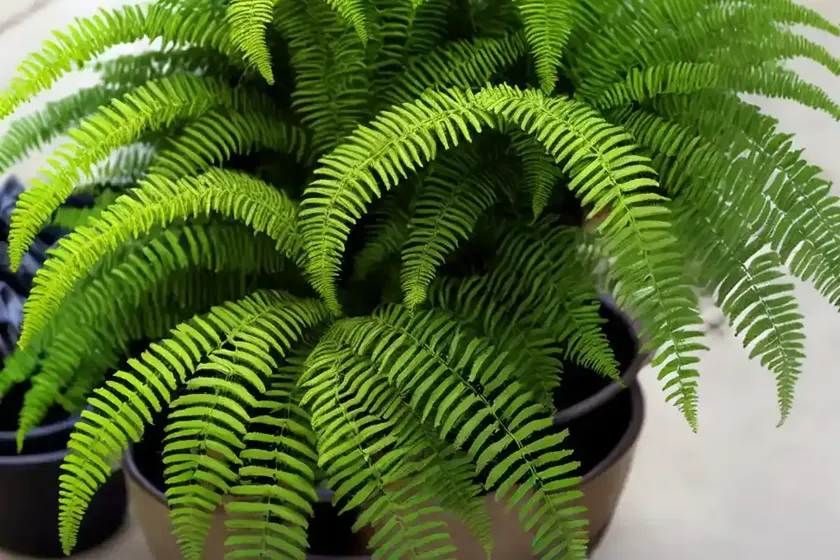
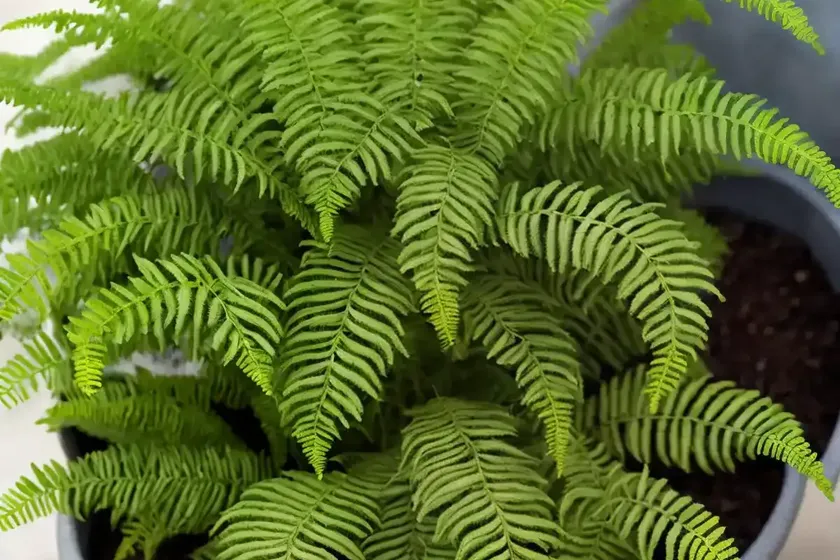
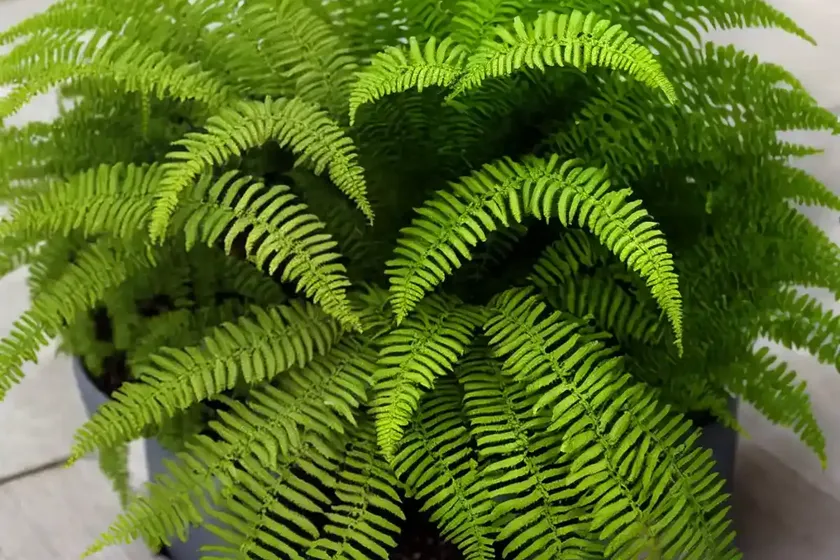
Plants are an essential part of the environment and play a significant role in the ecosystem. They come in a wide variety of forms, and each species has its own unique characteristics and requirements. In this comprehensive guide, we’ll delve into the world of the Creeping Strapfern (Campyloneurum Repens), exploring its culture, uses, care requirements, common diseases, pests, and much more. Whether you’re a seasoned plant enthusiast or a beginner looking to incorporate this fascinating species into your collection, this guide will provide you with the knowledge you need to cultivate and appreciate the Creeping Strapfern.
Table of Contents
- What is Creeping Strapfern?
- Key Takeaways
- Culture
- Uses
- Water
- Sunlight
- Fertilizer
- Soil
- Pruning
- Propagation
- Container Popularity
- Common Diseases
- Disease Diagnosis
- Common Pests
- Botanist’s Tips
- Fun Facts
- Links to External Resources
What is Creeping Strapfern?
Overview
Creeping Strapfern, scientifically known as Campyloneurum Repens, is a fascinating plant species that belongs to the fern family. It is renowned for its creeping and trailing growth habit, making it an excellent choice for ground cover, containers, and hanging baskets. This plant is native to certain regions and is valued for its ornamental and ecological significance.
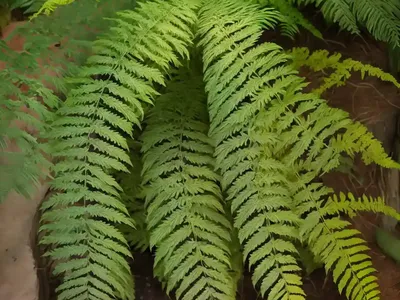
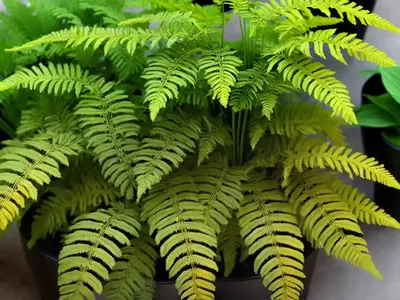
The Creeping Strapfern exhibits unique foliage and is characterized by its simple, leathery, lance-shaped fronds that add a touch of elegance to any landscape or indoor space. Its adaptability to various environments makes it a desirable option for both indoor and outdoor settings.
Appearance and Foliage
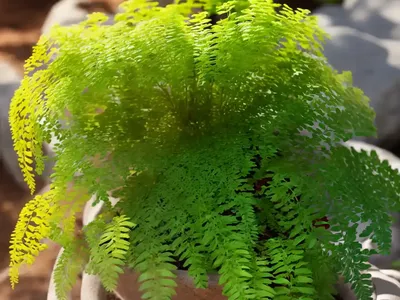
The Creeping Strapfern exhibits distinctive characteristics that set it apart from other plant species. Its foliage comprises lance-shaped fronds with a leathery texture, contributing to its resilience and attractiveness. The fronds often form a dense mat as the plant spreads, creating an appealing display of rich greenery.
Key Takeaways – Creeping Strapfern (Campyloneurum Repens)
Culture
When it comes to the culture of Campyloneurum Repens, certain key considerations should be taken into account to ensure its optimal growth and overall well-being.
- Indoor and Outdoor Suitability: Creeping Strapfern can thrive both indoors and outdoors, making it a versatile option for various environments.
- Trailing Habit: Its trailing growth habit makes it an excellent choice for hanging baskets and as ground cover, adding a graceful touch to the surroundings.
Uses
The uses of Creeping Strapfern extend beyond mere ornamentation, encompassing both aesthetic and ecological benefits.
- Ornamental Appeal: Its attractive foliage and trailing habit make it an ideal choice for landscaping, container gardening, and terrariums.
- Ecological Significance: The dense mat formed by the fronds serves as a ground cover, contributing to the biodiversity support and natural landscaping.
Water
Proper watering is essential for the health and vitality of the Creeping Strapfern.
- Watering Requirements: Regular, consistent watering is crucial to maintain adequate moisture levels. The soil should be kept lightly moist but not waterlogged.
Sunlight
Sunlight exposure plays a significant role in the growth and development of the Creeping Strapfern.
- Sunlight Needs: It thrives in partial to full shade, making it suitable for areas with limited direct sunlight.
Fertilizer
Fertilization is a key aspect of caring for Campyloneurum Repens, providing vital nutrients for its growth.
- Fertilizing Tips: Use a balanced liquid fertilizer at half strength during the growing season to promote healthy foliage and overall vigor.
Soil
The choice of soil and its composition are crucial factors in ensuring the well-being of the Creeping Strapfern.
- Potting Soil: Well-draining potting soil with good moisture retention capabilities is ideal for cultivating healthy Creeping Strapfern.
Pruning
Pruning aids in maintaining the desired form and appearance of the Creeping Strapfern.
- Pruning Techniques: Regularly trim any dried or damaged fronds to promote new growth and maintain an attractive appearance.
Propagation
Understanding the propagation methods enables plant enthusiasts to expand their Creeping Strapfern collection.
- Propagation Techniques: It can be propagated through spores and division, allowing for the creation of new plants from existing ones.
Container Popularity
The Creeping Strapfern’s adaptability to containers makes it a popular choice for indoor and outdoor settings.
- Container Gardening: It thrives in containers, hanging baskets, and terrariums, adding a touch of lush greenery to any space.
Common Diseases
Campyloneurum Repens, like any other plant, is susceptible to certain diseases, and understanding these ailments is crucial for proactive management.
Disease Diagnosis
Identifying and diagnosing common diseases that affect the Creeping Strapfern is essential for effective treatment and prevention.
- Leaf Spot: Manifests as dark, water-soaked spots on the fronds, typically caused by fungal infections and excessive moisture.
- Rhizome Rot: Characterized by soft, discolored rhizomes, often resulting from overwatering and poor soil drainage.
Common Pests
Pest infestations can pose a threat to the health and vigor of the Creeping Strapfern, necessitating prompt action to mitigate their impact.
- Spider Mites: These tiny pests can infest the foliage, causing stippling and webbing, leading to reduced vigor and aesthetic appeal.
- Scale Insects: Scale insects may feed on the sap, leading to weakened growth and potential dieback if left unmanaged.
Botanist’s Tips
Drawing from the expertise and insights of botanists can offer valuable guidance for the successful cultivation of Creeping Strapfern.
- Maintain Optimal Moisture: Monitoring and maintaining consistent moisture levels in the soil is pivotal for the well-being of Campyloneurum Repens.
- Regular Inspection: Periodic inspection for signs of pests, diseases, and overall health can aid in early intervention and maintenance.
Fun Facts
Delving into the intriguing aspects of Creeping Strapfern’s biology and culture can unveil some fascinating facts:
- Trailing Habit: Its trailing growth habit makes it an excellent choice for creating cascading displays in hanging baskets and container arrangements.
- Biodiversity Support: The dense mat formed by the fronds serves as a microhabitat for various organisms, contributing to ecosystem diversity.
Links to External Resources
For more information on Campyloneurum Repens, feel free to explore the following external resources:
- The American Fern Society
- Royal Horticultural Society
- Missouri Botanical Garden
- Botanical Society of America
- United States Department of Agriculture – Plant Database
In conclusion, the Creeping Strapfern (Campyloneurum Repens) presents an array of attributes that contribute to its appeal as an ornamental plant and its ecological significance. By understanding and implementing the key care considerations, including water, sunlight, soil, and pest management, plant enthusiasts can cultivate and appreciate the unique beauty and value that the Creeping Strapfern brings to diverse landscapes, containers, and ecosystems.
Campyloneurum Repens care, Creeping Strapfern plant, Campyloneurum Repens propagation, and the myriad facets of its biology and culture constitute a rich tapestry for plant enthusiasts to explore and incorporate into their horticultural pursuits. Whether as a decorative element in indoor settings, a ground cover in outdoor landscapes, or a component of natural landscaping, the Creeping Strapfern stands as a testament to the captivating diversity and resilience of plant life.