Creeping Jenny (Lysimachia Nummularia)
Plants are an integral part of our natural environment and play various critical roles in sustaining life on Earth. From providing oxygen to maintaining.
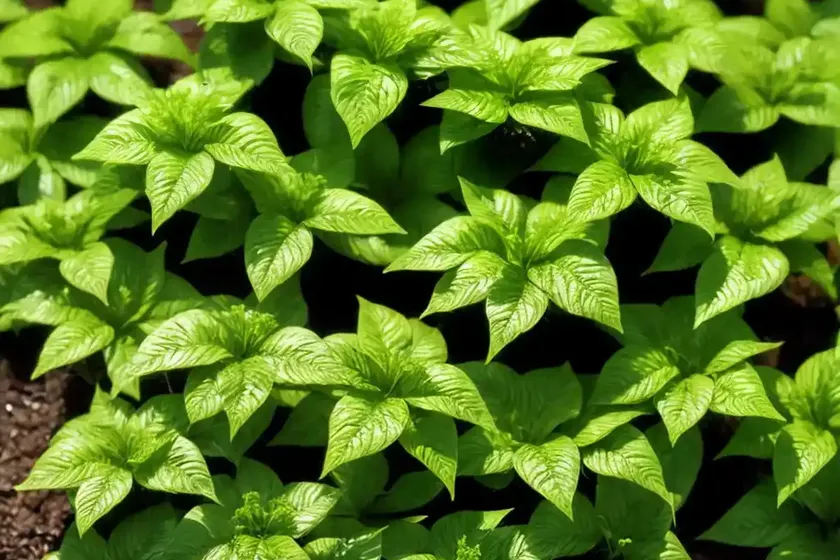
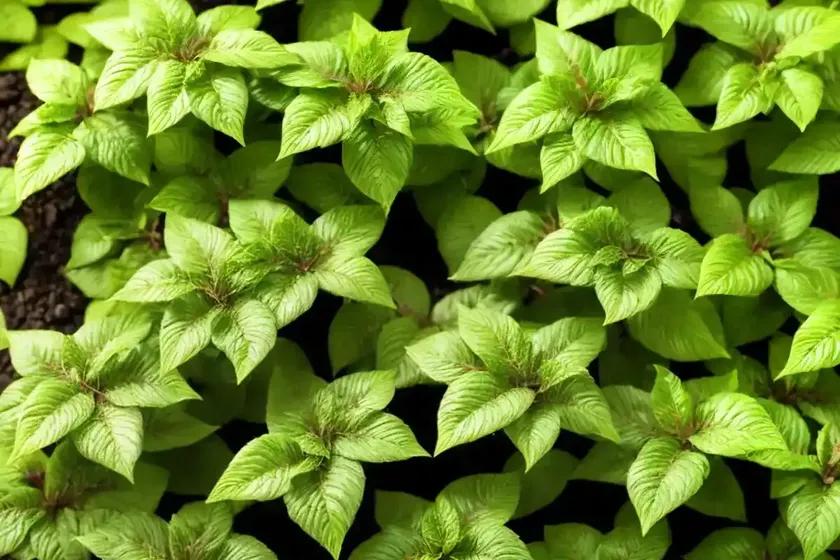
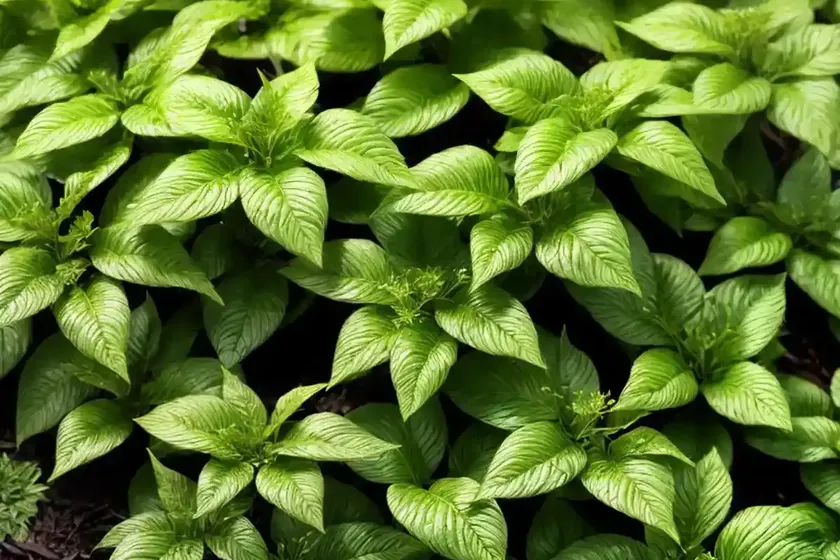
Plants are an integral part of our natural environment and play various critical roles in sustaining life on Earth. From providing oxygen to maintaining ecological balance and offering aesthetic beauty, plants are essential for the well-being of our planet. In this blog post, we will explore the fascinating characteristics, cultivation, and uses of the Creeping Jenny plant (Lysimachia nummularia). We will delve into the culture, uses, care tips, propagation, and much more to provide a comprehensive guide to this versatile and low-maintenance ground cover.
What is Plant: Creeping Jenny (Lysimachia nummularia)
Lysimachia nummularia, commonly known as Creeping Jenny, is a herbaceous perennial plant belonging to the Primulaceae family. This species is native to Europe, Western Asia, and North Africa and has been naturalized in North America. With its trailing habit and attractive foliage, Creeping Jenny is widely cultivated as a ground cover and ornamental plant. It is prized for its ability to spread and form a dense mat of foliage, making it an excellent choice for filling in bare spots in the garden or landscaping.
Creeping Jenny is appreciated for its ability to thrive in various growing conditions, making it a versatile and resilient plant for both novice and experienced gardeners. It produces small, bright yellow, cup-shaped flowers that add a pop of color to the landscape, particularly in the spring and early summer. The plant’s vibrant foliage, consisting of rounded, glossy leaves, provides visual interest and texture, making it an attractive addition to garden beds, borders, and containers.
Key Takeaways – Creeping Jenny (Lysimachia nummularia)
Whether you are a gardening enthusiast or a professional landscaper, understanding the key aspects of Creeping Jenny’s culture, uses, and care requirements is essential for successfully incorporating this plant into your outdoor spaces. Let’s explore the key takeaways for Creeping Jenny, covering its culture, uses, care tips, propagation, and more.
Culture
When it comes to the culture of Creeping Jenny, understanding its preferences in terms of water, sunlight, fertilizer, soil, and pruning is crucial for providing the ideal growing conditions for this resilient plant.
Water
- Creeping Jenny thrives in consistently moist soil and benefits from regular watering, especially during dry periods. However, it is essential to avoid overwatering, as waterlogged conditions can lead to root rot.
- In hotter climates or during the peak of summer, providing adequate moisture is particularly important to prevent the plant from wilting and suffering from heat stress.
Sunlight
- While Creeping Jenny can tolerate partial shade, it performs best in partial to full sunlight. Planting it in a location that receives at least 4-6 hours of direct sunlight daily promotes healthy foliage growth and encourages abundant flowering.
Fertilizer
- When it comes to fertilization, Creeping Jenny appreciates a balanced, all-purpose fertilizer applied in the spring as new growth begins. A slow-release fertilizer or a liquid fertilizer diluted to half-strength can provide the necessary nutrients for vigorous growth and blooming.
Soil
- Creeping Jenny thrives in moist, well-draining soil with a slightly acidic to neutral pH. Amending the soil with organic matter, such as compost or well-rotted manure, can improve its texture and moisture retention capacity.
- Additionally, incorporating a layer of mulch around the plants helps conserve soil moisture, suppress weed growth, and regulate soil temperature.
Pruning
- Regular pruning helps maintain the tidy appearance of Creeping Jenny and prevents it from becoming invasive in certain growing conditions. Trim back any overly vigorous growth and remove any damaged or discolored foliage to promote a tidy and healthy appearance.
Uses
Understanding the diverse uses of Creeping Jenny in various garden settings and landscaping applications showcases its versatility as a ground cover, border plant, and container ornamental.
Ground Cover
- One of the primary uses of Creeping Jenny is as a ground cover, where its trailing habit and rapid spread create a lush carpet of foliage. It effectively suppresses weed growth and adds a vibrant, green backdrop to garden beds, slopes, and rock gardens.
Border Plant
- When planted along garden borders, Creeping Jenny creates a soft, cascading edge that adds a touch of elegance to the landscape. Its low-growing nature makes it an ideal choice for delineating pathways and enhancing the visual appeal of flower beds.
Container Ornamental
- Creeping Jenny can be grown in containers and hanging baskets, serving as a beautiful and low-maintenance option for adding greenery to patios, balconies, and other outdoor living spaces. Its trailing nature lends itself well to cascading over the edges of containers, creating a picturesque display.
Care Tips
Providing the right care for Creeping Jenny is essential for ensuring its health and vigor as a ground cover or ornamental plant. Incorporating the following care tips can help maximize its growth and visual impact.
Propagation
- Creeping Jenny can be propagated through division or stem cuttings. Division is a straightforward method that involves separating established clumps of the plant and replanting them in desired areas. Stem cuttings, taken during the growing season, can be rooted in a moist growing medium to produce new plants.
Container Popularity
- Due to its compact size, low-growing habit, and adaptability to container culture, Creeping Jenny is popular among gardeners and landscapers for its suitability in container gardens. Choosing well-draining containers and providing adequate moisture and sunlight are essential for container-grown Creeping Jenny.
Common Diseases
Like any plant, Creeping Jenny is susceptible to certain diseases and pests that can affect its overall health and appearance. Being aware of potential diseases and their symptoms is crucial for timely intervention and management.
Disease Diagnosis
- Creeping Jenny may be prone to fungal diseases such as powdery mildew and leaf spot, particularly in humid or poorly ventilated conditions. Recognizing the characteristic signs of these diseases, such as white powdery patches on foliage or brown spots with yellow halos, aids in accurate diagnosis and treatment.
Common Pests
In addition to diseases, Creeping Jenny may attract certain pests that can impact its growth and vitality. Identifying common pests and implementing appropriate pest control measures is essential for preserving the plant’s health.
Botanist’s Tips
- Experienced botanists and horticulturists can offer valuable insights into the optimal cultivation and maintenance of Creeping Jenny, drawing from their knowledge of plant physiology, growth habits, and environmental requirements.
Fun Facts
Uncovering interesting and lesser-known facts about Creeping Jenny adds an element of fascination to its cultivation and appreciation in garden settings. Discovering the following fun facts about this resilient ground cover plant can deepen one’s admiration for its unique characteristics and ecological contributions.
- Creeping Jenny is named for its trailing and spreading habit, reminiscent of a creeping movement along the ground.
- The genus name “Lysimachia” is derived from the ancient Greek ruler Lysimachus, who was believed to have discovered the plant’s medicinal properties.
- Creeping Jenny is an excellent choice for attracting pollinators, including bees and butterflies, with its bright yellow flowers and nectar-producing blooms.
Links to External Resources
For further information on Creeping Jenny, its cultivation, and its uses in garden and landscape designs, the following external resources can provide valuable insights and practical guidance:
- Royal Horticultural Society – Lysimachia nummularia
- Missouri Botanical Garden – Lysimachia nummularia
- University of Florida IFAS Extension – Creeping Jenny in the Garden
- The Spruce – How to Grow and Care for Creeping Jenny
- Gardening Know How – Creeping Jenny Care and Growing Tips
By exploring these resources, individuals can gain a deeper understanding of Creeping Jenny and its role in landscape design, horticulture, and ecological conservation.
In conclusion, Creeping Jenny (Lysimachia nummularia) stands out as a versatile, low-maintenance ground cover with a wealth of ornamental and practical uses in garden settings. From its remarkable ability to thrive in diverse conditions to its cascading, ground-hugging nature, this resilient plant offers an array of benefits for gardeners, landscapers, and nature enthusiasts alike. By leveraging the insights and recommendations provided in this comprehensive guide, individuals can enrich their outdoor spaces with the vibrant beauty and ecological contributions of Creeping Jenny, while fostering sustainable and visually captivating landscapes.
Note: The content and recommendations provided in this blog post are intended for informational purposes only. Individual growing conditions and environmental factors may impact the cultivation and performance of Creeping Jenny (Lysimachia nummularia) in specific locations. It is advisable to consult local gardening experts and resources for tailored recommendations and best practices in plant cultivation.
Investigate further about Creeping Jenny’s propagation and its variations. Provide tips to cultivate the plant in containers and hanging baskets.


