Creeping Inchplant (Callisia Repens)
The Callisia repens, commonly known as the Creeping Inchplant or Creeping Jenny, is a popular trailing plant renowned for its cascading foliage and low.
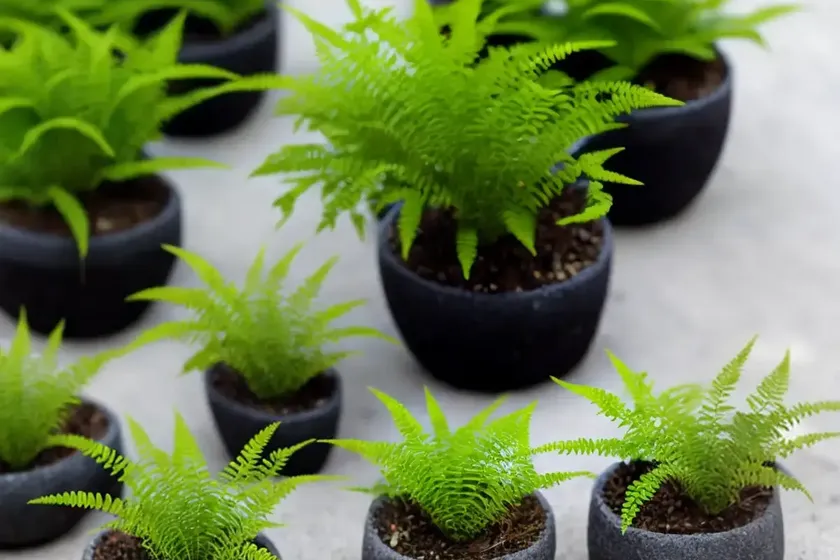
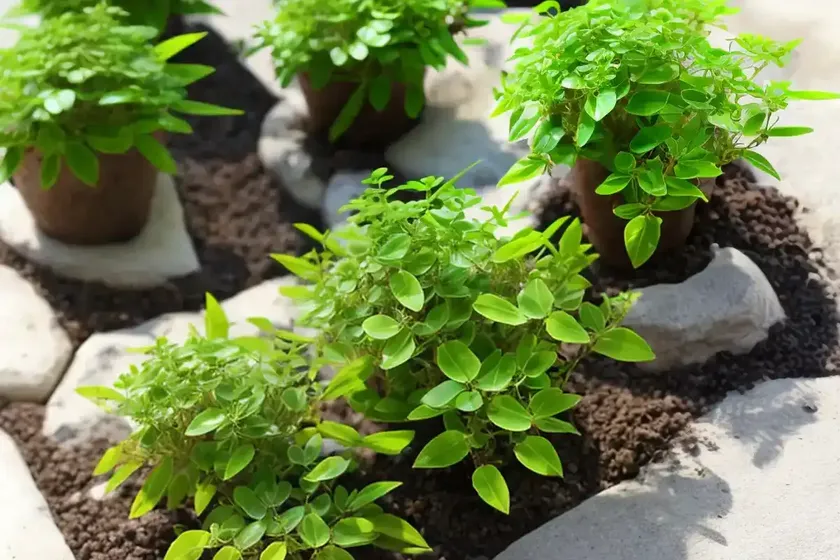
The Callisia repens, commonly known as the Creeping Inchplant or Creeping Jenny, is a popular trailing plant renowned for its cascading foliage and low maintenance requirements. This versatile plant is well-loved for its adaptability to different environments, making it an ideal choice for both indoor and outdoor settings. In this comprehensive guide, we will delve into the various aspects of caring for Callisia repens, from its cultural requirements to propagation, common diseases, and everything in between.
What is Callisia repens?
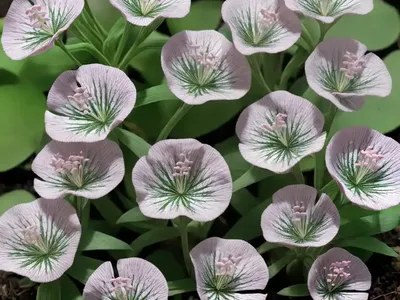
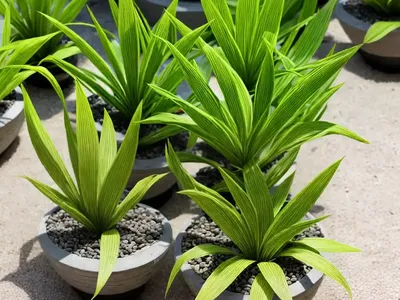
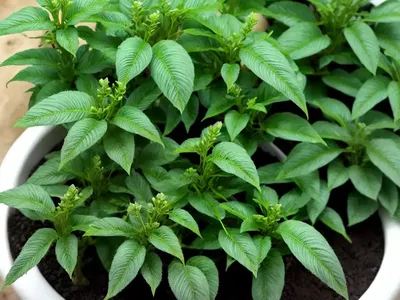
Callisia repens is a species of flowering plant in the Commelinaceae family, native to Central and South America. It is characterized by its trailing stems, which can reach lengths of up to 2-3 feet. The plant features succulent, lance-shaped leaves that are typically green with hints of purple on the undersides. In optimal conditions, it produces small, inconspicuous white flowers.
Callisia repens is prized for its versatility and adaptability, thriving in a variety of growing conditions. It is commonly used as a ground cover, in hanging baskets, or as a trailing plant in containers. The plant’s resilience and low maintenance make it a favorite choice for both novice and experienced plant enthusiasts.
Now, let’s explore the key aspects of caring for Creeping Inchplant, encompassing its cultural requirements, uses, propagation, common diseases, and other considerations.
Cultural Requirements
Water
Proper watering is crucial for the health and vitality of Callisia repens. As a succulent plant, it has moderate water needs and is prone to root rot if overwatered. It is essential to allow the soil to dry out slightly between waterings to prevent waterlogged conditions. Typically, watering every 7-10 days is sufficient, but frequency may vary depending on factors such as temperature, humidity, and the type of growing medium.
Sunlight
Creeping Inchplant thrives in bright, indirect light. Position the plant in a location where it can receive ample sunlight, such as near a window with filtered light. While it tolerates partial shade, insufficient light may lead to leggy growth and reduced foliage density.
Soil
The right soil mix is essential for the well-being of Callisia repens. A well-draining potting mix is ideal, ensuring that excess water does not accumulate around the roots. A combination of peat moss, perlite, and coarse sand creates an optimal growing medium for this trailing plant, promoting healthy root development and preventing waterlogging.
Fertilizer
During the growing season, which typically spans from spring to early fall, fertilize the Creeping Inchplant once a month using a balanced, water-soluble fertilizer. Dilute the fertilizer to half the recommended strength to avoid over-fertilization, which can result in salt buildup and damage to the plant’s roots.
Pruning
Regular pruning helps maintain the attractive appearance of Callisia repens and encourages bushier growth. Trim back leggy stems and pinch off spent flowers to promote new growth and maintain the plant’s desired shape. Additionally, removing any discolored or damaged foliage supports the overall health of the plant.
Propagation
Callisia repens is relatively easy to propagate, offering enthusiasts the opportunity to expand their plant collection or share it with friends and family. The following methods are commonly used for propagating Creeping Inchplant:
-
Stem Cuttings: Propagate the plant by taking stem cuttings, ensuring that each cutting has several nodes. After taking the cuttings, allow them to callus for a day or two before planting them in a well-draining potting mix. Keep the soil lightly moist, and within a few weeks, the cuttings should develop roots and begin to grow.
-
Division: If the plant has multiple stems or offsets, it can be divided into smaller sections. Gently separate the individual stems, ensuring that each division has its own root system. Plant the divisions in suitable growing medium and provide the necessary care for successful establishment.
-
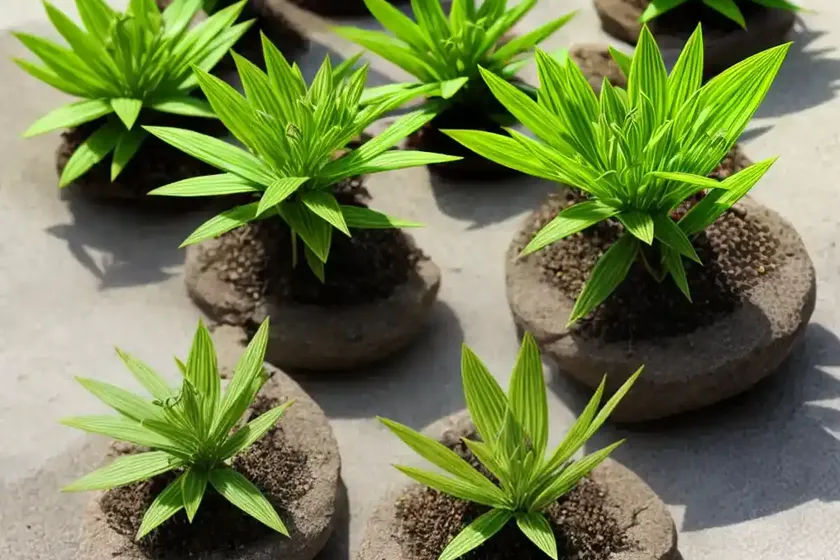
Offsets: Over time, Callisia repens may produce offsets or plantlets around the base of the mother plant. These offsets can be carefully removed and planted in their own container, giving rise to new, independent plants.
Uses
The versatility of Creeping Inchplant lends itself to a wide array of uses, both indoors and outdoors. Some common applications include:
-
Ground Cover: In landscaping, Callisia repens is often used as a ground cover due to its sprawling growth habit and lush foliage. It forms a dense mat of greenery, effectively suppressing weeds and adding visual interest to garden beds.
-
Container Plant: The trailing nature of the plant makes it well-suited for hanging baskets, containers, and vertical gardens. Its cascading foliage adds a touch of elegance to any setting, whether placed indoors or on patios and balconies.
-
Indoor Decor: With its low maintenance requirements and graceful appearance, Creeping Inchplant is an excellent choice for indoor decor. It can be displayed in hanging planters, on shelves, or as a trailing accent on furniture.
-
Terrariums: Due to its compact size and ability to thrive in humid environments, Callisia repens is well-suited for terrariums and miniature gardens. Its trailing stems elegantly drape over the landscape, creating a captivating display within the enclosed space.
Popularity
Callisia repens has garnered widespread popularity among plant enthusiasts for several reasons:
-
Low Maintenance: Its ability to thrive with minimal care makes it an attractive choice for busy individuals or those new to plant care.
-
Versatility: The plant’s adaptability to various growing conditions and uses, ranging from ground cover to container gardening, contributes to its popularity.
-
Aesthetic Appeal: The trailing nature and delicate foliage of Creeping Inchplant add aesthetic value to any setting, whether indoors or outdoors.
-
Ease of Propagation: The plant’s readiness to propagate through stem cuttings and offsets makes it an attractive option for those looking to expand their plant collection or share it with others.
Common Diseases
Despite being a relatively low-maintenance plant, Callisia repens is susceptible to a few common diseases that may impact its health if not addressed promptly. Some of the primary diseases to watch out for include:
-
Powdery Mildew: In conditions of high humidity and poor air circulation, Creeping Inchplant may develop powdery mildew, characterized by a powdery white or gray substance on the foliage. To control powdery mildew, ensure adequate air circulation and avoid overhead watering.
-
Root Rot: Overwatering or waterlogged soil can lead to root rot in Callisia repens. Symptoms include wilting, yellowing leaves, and a foul odor emanating from the soil. To prevent root rot, allow the soil to partially dry out between waterings and ensure proper drainage.
-
Leaf Spot: Fungal pathogens can cause leaf spot on the foliage of Creeping Inchplant, resulting in dark, water-soaked spots on the leaves. Remove and dispose of affected foliage to prevent the spread of the disease and ensure that the plant is not overcrowded, promoting better air circulation.
Disease Diagnosis
Diagnosing diseases in Callisia repens involves careful observation of the plant’s symptoms and consideration of environmental factors. When assessing the plant for signs of disease, consider the following:
-
Leaf Symptoms: Look for unusual spots, discoloration, or powdery residue on the foliage. Changes in leaf texture or shape may also indicate the presence of a disease.
-
Root Health: Check the roots for signs of rot or decay, such as a foul odor or dark, mushy appearance.
-
Growing Conditions: Evaluate the plant’s environment, including factors such as humidity levels, watering practices, and air circulation. Assess whether any conditions may be conducive to the onset of diseases.
-
Pest Infestations: Sometimes, pest infestations can weaken the plant, making it more susceptible to diseases. Take note of any pests that may be present on or around the Creeping Inchplant.
Upon observing potential disease symptoms, it is essential to take prompt action to address the issue. Timely intervention can prevent the spread of diseases and promote the plant’s recovery.
Common Pests
In addition to diseases, Callisia repens may face challenges from various pests that can affect its overall health. Some of the common pests that may impact the plant include:
-
Spider Mites: These tiny arachnids can infest the undersides of the plant’s leaves, causing stippling and webbing. Spider mite infestations can weaken the plant and lead to leaf drop if left unchecked. Introducing natural predators or using insecticidal soap can help control spider mite populations.
-
Mealybugs: Mealybugs are small, soft-bodied insects that feed on the sap of plants, causing stunted growth and honeydew secretion. To manage mealybug infestations, physically remove the pests and consider applying a horticultural oil or insecticidal soap.
-
Aphids: Aphids are common pests that can cluster on the tender growth of Callisia repens, sucking plant juices and potentially transmitting viruses. Prune away heavily infested areas and introduce beneficial insects, such as ladybugs, to control aphid populations.
-
Scale Insects: Scale insects can affix themselves to the plant’s stems and foliage, feeding on plant fluids and causing yellowing and distortion of the leaves. Use a soft brush or cotton swab dipped in rubbing alcohol to remove scale insects from the plant.
Botanist’s Tips
Harnessing the expertise of experienced botanists and plant enthusiasts can provide valuable insights for successful cultivation of Callisia repens. Here are some tips from seasoned individuals in the field:
-
Healthy Root System: Ensure that the plant has a healthy root system by using a well-draining soil mix and providing adequate air circulation around the roots.
-
Balanced Fertilization: Implement a balanced approach to fertilization, applying a dilute, water-soluble fertilizer at regular intervals during the growing season.
-
Regular Inspection: Routinely inspect the plant for signs of pests, diseases, or nutrient deficiencies, addressing any issues promptly to prevent escalation.
-
Appropriate Placement: Position the Creeping Inchplant in a location that offers the right balance of sunlight and humidity, taking into account its preferences for bright, indirect light and moderate moisture levels.
-
Pruning Technique: When pruning the plant, use clean, sharp tools to make precise cuts and encourage healthy regrowth.
Fun Facts
Discover some intriguing and lesser-known facts about the Creeping Inchplant:
-
Medicinal Properties: In some traditional medicine practices, extracts from Callisia repens have been used for their purported medicinal properties, including anti-inflammatory and wound-healing effects.
-
Air-Purifying Qualities: Like many houseplants, Creeping Inchplant contributes to indoor air purification by removing airborne toxins and improving air quality.
-
Drought Tolerance: Despite its preference for moderate moisture, Callisia repens exhibits a degree of drought tolerance, making it resilient in periods of reduced watering.
-
Trailing Vine: The plant’s trailing stems and lush foliage make it an excellent candidate for creating cascading displays in hanging planters and vertical gardens.
Links to External Resources
For further exploration of Callisia repens and related topics, consider the following external resources:
- The American Society of Plant Biologists
- The Royal Horticultural Society
- The International Society for Horticultural Science
- The Botanical Society of America
- The Plant Science Group at the University of Georgia
- The American Phytopathological Society
Conclusion
In conclusion, the Creeping Inchplant (Callisia repens) stands out as a versatile and visually appealing species of plant. From its cultural requirements to propagation methods and addressing common diseases and pests, nurturing and appreciating this trailing plant offers a rich and rewarding experience for plant enthusiasts. By understanding and applying the principles outlined in this comprehensive guide, individuals can cultivate thriving and lush specimens of Callisia repens, whether as part of their indoor decor, landscaping, or personal collections. Embracing its natural beauty and resilience, Creeping Inchplant exemplifies the captivating allure of plant life and the joy of nurturing green companions in our living spaces.
By integrating the knowledge and expertise shared in this guide, enthusiasts can embark on a fulfilling journey of caring for Callisia repens, leveraging its aesthetic charm, adaptability, and potential health benefits to enhance their surroundings and foster a deeper connection with nature.
The comprehensive guide provided encompasses various aspects of caring for the Creeping Inchplant (Callisia repens), from its cultural requirements to its uses, propagation methods, common diseases, and curated tips. The information serves as a valuable resource for plant enthusiasts, providing insights into the nuances of tending to this beloved trailing plant and reaping the rewards it offers.