Creeping Charlie (Pilea Nummulariifolia)
As a plant scientist, I am fascinated by the incredible diversity and uniqueness of plant species. There are countless varieties of plants, each with its.
Introduction
As a plant scientist, I am fascinated by the incredible diversity and uniqueness of plant species. There are countless varieties of plants, each with its own distinct characteristics and requirements. Among these, the Creeping Charlie (Pilea nummulariifolia) stands out as a popular choice for indoor gardening enthusiasts due to its trailing vine habit, attractive foliage, and ease of care.
In this comprehensive guide, we will delve into the world of Creeping Charlie, exploring its cultural significance, uses, care requirements, common diseases and pests, as well as practical tips for propagation and container gardening. By the end of this blog post, you will have a deep understanding of how to nurture and appreciate the beauty of this charming plant.
What is Creeping Charlie (Pilea Nummulariifolia)?
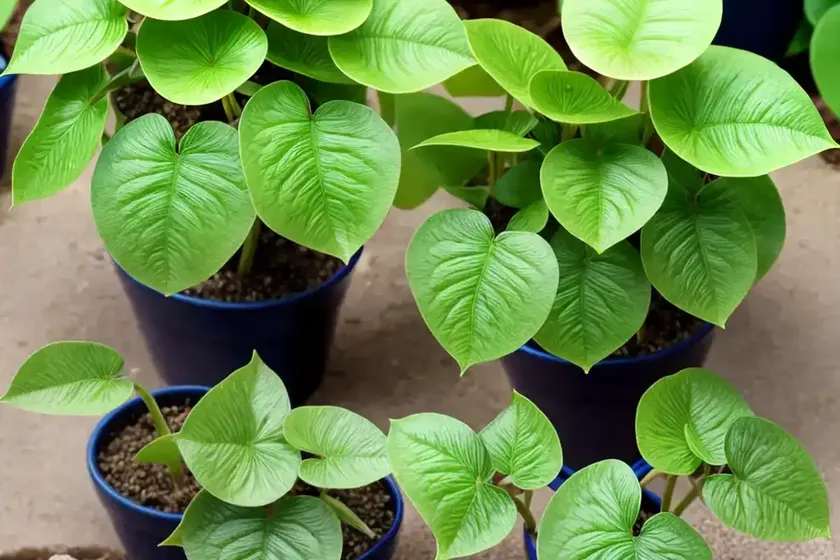
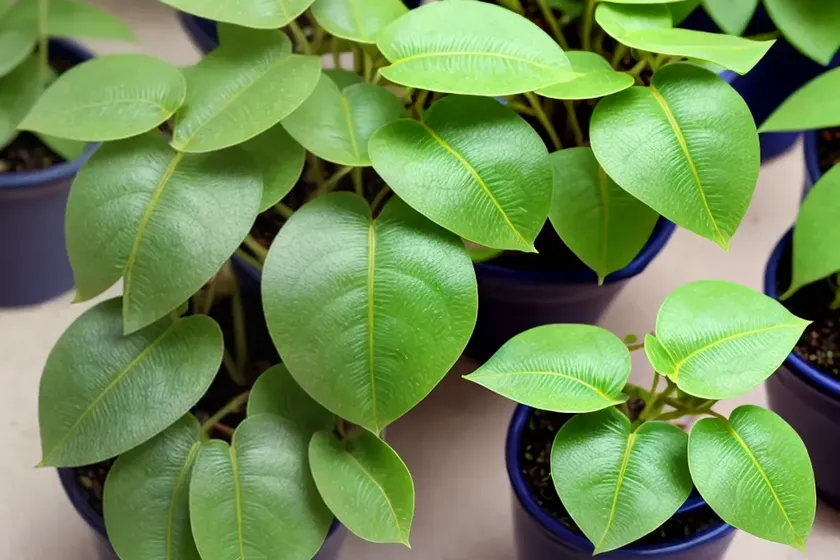
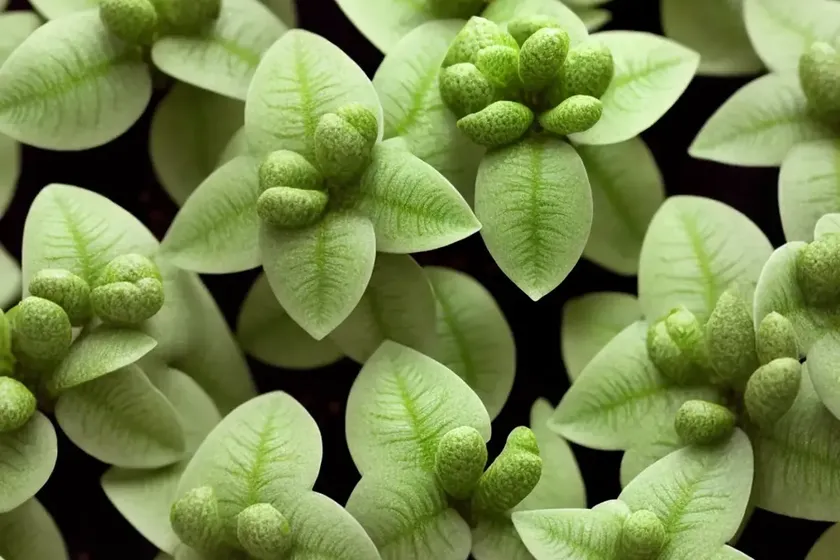
Creeping Charlie, scientifically known as Pilea nummulariifolia, is a member of the Urticaceae family and is native to Central and South America. This delightful trailing plant is characterized by its small, round, succulent-like leaves that grow densely along its creeping stems. The leaves are usually a vibrant shade of green, providing an aesthetically pleasing appearance that can instantly elevate any indoor space. Furthermore, Creeping Charlie is renowned for its low-maintenance nature, making it an ideal choice for both novice and experienced plant enthusiasts.
Key Takeaways – Creeping Charlie (Pilea Nummulariifolia)
Before we delve into the specifics of caring for your Creeping Charlie, let’s first highlight some key takeaways about this remarkable plant.
-
Cultural Significance: Creeping Charlie holds cultural significance as a popular choice for indoor décor, owing to its trailing vine habit and decorative foliage.
-
Uses: This versatile plant is commonly used for hanging baskets, trailing displays, and indoor décor, adding a touch of natural charm to any space.
-
Water: Proper watering is crucial for the health of Creeping Charlie, as it thrives in moist but well-draining soil.
-
Sunlight: While it can tolerate low to moderate light conditions, Creeping Charlie prefers bright, indirect light for optimal growth.
-
Fertilizer: Regular but moderate fertilization during the growing season promotes healthy foliage and overall vigor.
-
Soil: Well-draining, fertile soil with a slightly acidic to neutral pH is essential for ensuring the well-being of Creeping Charlie.
-
Pruning: Occasional pruning helps maintain the plant’s shape and encourages bushier growth, enhancing its aesthetic appeal.
-
Propagation: This plant can be easily propagated through stem cuttings, allowing you to expand your collection or share it with fellow plant enthusiasts.
-
Container Gardening: Creeping Charlie thrives in various container sizes, making it suitable for a wide range of indoor settings.
-
Common Diseases: While generally robust, Creeping Charlie is susceptible to certain diseases such as root rot and powdery mildew.
-
Common Pests: Keeping an eye out for pests such as spider mites and aphids is crucial to prevent infestations that can harm the plant.
-
Botanist’s Tips: As a plant scientist, I will share valuable insights and tips to help you care for your Creeping Charlie with confidence.
-
Fun Facts: Uncover intriguing and little-known facts about Creeping Charlie that will deepen your appreciation for this plant.
Now that we have a clear overview of the key aspects we will cover, let’s dive into the details of caring for Creeping Charlie. This will include cultivation, propagation, care tips, and dealing with common issues to ensure the best possible environment for your plant to flourish.
Cultivation
Water
Proper watering practices are essential for the well-being of Creeping Charlie. This plant appreciates consistently moist soil, but it’s crucial to avoid waterlogging, as excessive moisture can lead to root rot. To determine when to water your Creeping Charlie, perform a simple soil moisture check by inserting your finger into the soil. If the top inch feels dry to the touch, it’s time to water.
Sunlight
Creeping Charlie thrives in bright, indirect light. While it can tolerate lower light conditions, providing it with adequate natural light will result in healthier and more vibrant growth. Avoid exposing it to direct sunlight, as this can lead to leaf scorching, especially during the intense midday hours.
Fertilizer
During the growing season, which typically spans spring through summer, regular but moderate fertilization can significantly benefit your Creeping Charlie. Opt for a balanced, water-soluble fertilizer diluted to half or quarter strength and apply it every 4-6 weeks. It’s important to reduce or cease fertilization during the plant’s dormant period in fall and winter.
Soil
The right soil type is crucial for the proper growth of Creeping Charlie. A well-draining, peat-based potting mix enriched with organic matter provides an ideal medium for this plant. Aim for a slightly acidic to neutral pH level, ideally ranging from 6.0 to 7.0, to ensure optimal nutrient uptake.
Pruning
Regular pruning not only helps maintain the desired shape and size of your Creeping Charlie but also encourages bushier growth and enhances its overall appearance. Use clean, sharp scissors or pruning shears to trim any excess growth or to shape the plant as desired. Be mindful of the natural trailing habit of the plant and prune accordingly to maintain its attractive form.
Propagation
One of the most appealing attributes of Creeping Charlie is its ease of propagation. This plant can be propagated through stem cuttings with a high success rate. To propagate your Creeping Charlie, follow these simple steps:
-
Select a healthy stem and use clean, sharp scissors or a knife to take a cutting that includes at least a few inches of stem and a couple of leaves.
-
Remove the lower leaves from the cutting to expose the nodes.
-
Place the cutting in a jar of water, ensuring that the nodes are submerged. Change the water every few days to maintain freshness.
-
After a few weeks, roots should start to develop from the submerged nodes. Once the roots are a few inches long, your cutting is ready to be potted in soil.
When transplanting your cutting into soil, ensure that the potting mix is moist but well-draining to support the growth of the new plant. With the right care, your propagated Creeping Charlie will soon establish itself and begin to flourish.
Container Gardening
Creeping Charlie is well-suited to container gardening and can thrive in a range of container sizes, making it an excellent choice for various indoor settings. Whether you desire a lush trailing display in a hanging basket or a charming accent in a decorative pot, this plant’s versatility makes it adaptable to different container options. Be sure to select containers with drainage holes to prevent waterlogging and provide aeration to the roots, promoting a healthy growing environment for your Creeping Charlie.
Common Diseases and Pests
Disease Diagnosis
While Creeping Charlie is generally resilient, it can be vulnerable to certain diseases. Root rot, caused by excessively moist conditions, is a potential threat, especially if the plant is overwatered. Symptoms of root rot include wilting, yellowing, and mushy, discolored roots. To prevent root rot, ensure adequate drainage and allow the soil to partially dry out between watering sessions.
Powdery mildew, characterized by white, powdery patches on the foliage, can also affect Creeping Charlie, particularly in conditions of high humidity and poor air circulation. To combat powdery mildew, improve air circulation, avoid overhead watering, and consider applying a suitable fungicidal treatment if necessary.
Common Pests
Keeping a vigilant eye out for common pests is crucial to safeguard the health of your Creeping Charlie. Spider mites and aphids are among the potential pests that may target this plant. These pests can cause damage to the foliage, leading to distortion, discoloration, and a general decline in the plant’s vigor. Regular inspection and the prompt implementation of appropriate pest control measures can help mitigate infestations and protect the well-being of your Creeping Charlie.
Botanist’s Tips
As a plant scientist, I have gathered valuable insights and tips that can enhance your experience in caring for Creeping Charlie:
- Humidity and Temperature: Providing moderate humidity and maintaining a consistent temperature range of 60-75°F (15-24°C) creates an optimal environment for Creeping Charlie to thrive.
- Regular Maintenance: Regularly inspect your plant for signs of stress, disease, or pest infestations to address any issues promptly and ensure its overall well-being.
- Air Purification: Creeping Charlie is known for its air-purifying capabilities, helping to improve indoor air quality and create a healthier living environment.
- Versatile Decor: The trailing vines of Creeping Charlie make it an excellent choice for various décor options, including hanging displays, terrariums, and decorative pot arrangements.
- Repotting: When the roots become congested and outgrow the current container, consider repotting your Creeping Charlie into a slightly larger pot to provide it with ample room for continued growth.
Fun Facts
Here are some intriguing and lesser-known facts about Creeping Charlie that add to its allure:
- Latin Origin: The name “Pilea” is derived from the Latin word “pilere,” meaning to “plait or braid,” in reference to the plant’s trailing habit.
- Basket Plant: In its native habitats, Creeping Charlie is often found trailing along the forest floor, creating a charming hanging display in its natural environment.
- Pet-Friendly: Creeping Charlie is generally considered non-toxic to pets, making it a safe and pet-friendly choice for indoor plant enthusiasts.
Now that we’ve explored the many facets of caring for Creeping Charlie, you are well-equipped to nurture and appreciate the beauty of this delightful plant. Whether you seek to adorn your living space with a charming trailing vine or enhance your indoor garden with a low-maintenance gem, Creeping Charlie (Pilea nummulariifolia) holds the potential to transform any setting into a vibrant and enchanting oasis of greenery.
Links to External Resources
As you further immerse yourself in the world of Creeping Charlie and explore its care and cultivation, consider tapping into additional resources for in-depth guidance and inspiration:
- The Spruce – Creeping Charlie Plant Care
- Gardening Know How – Pilea Nummulariifolia Care: How To Grow Creeping Charlie
- Garden Therapy – Plant Profile: Pilea Nummulariifolia, The Creeping Charlie Plant
- Joy Us Garden – Pilea Nummulariifolia Care: Growing Creeping Charlie In Water
By delving into these valuable resources, you can enrich your knowledge and appreciation for Creeping Charlie (Pilea nummulariifolia) and further hone your skills in caring for this delightful trailing plant.
In conclusion, the world of plants never ceases to amaze with its diversity and charm, and Creeping Charlie (Pilea nummulariifolia) stands as a shining example of nature’s beauty. With its elegant trailing vines, decorative foliage, and low-maintenance nature, it has earned its place as a beloved choice for indoor gardening enthusiasts. Through the insights and tips shared in this comprehensive guide, you are now empowered to cultivate and nurture your own thriving oasis of Creeping Charlie, adding a touch of natural elegance and vitality to your indoor spaces.


