Cow-parsley (Anthriscus Sylvestris)
Cow-parsley, scientifically known as Anthriscus sylvestris, is a herbaceous biennial or short-lived perennial plant belonging to the Apiaceae family. It is.
1. What is Cow-parsley (Anthriscus sylvestris)?
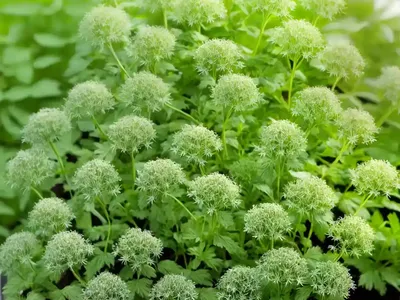
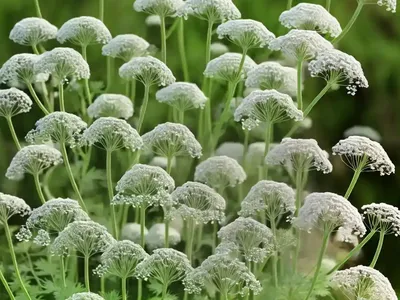
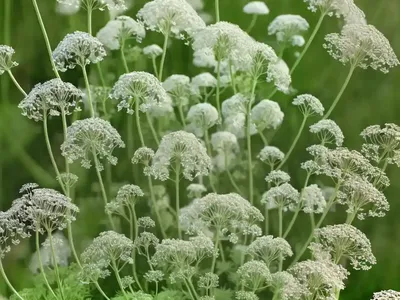
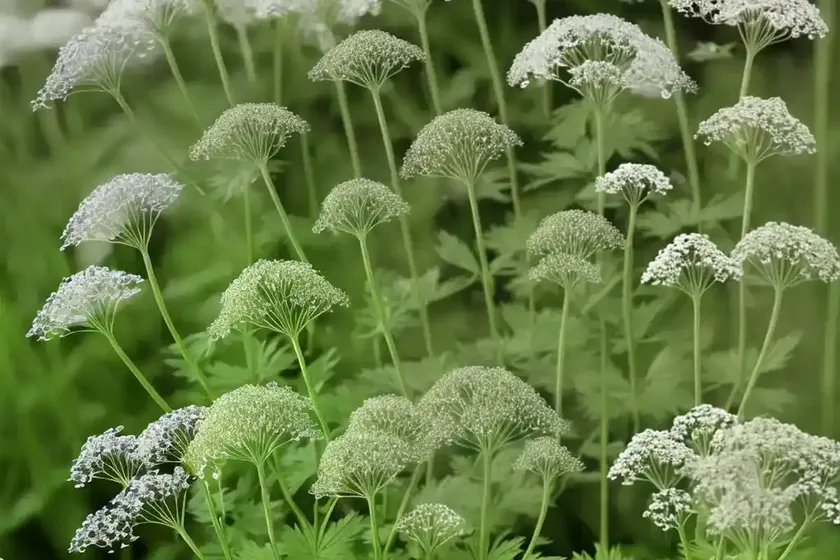
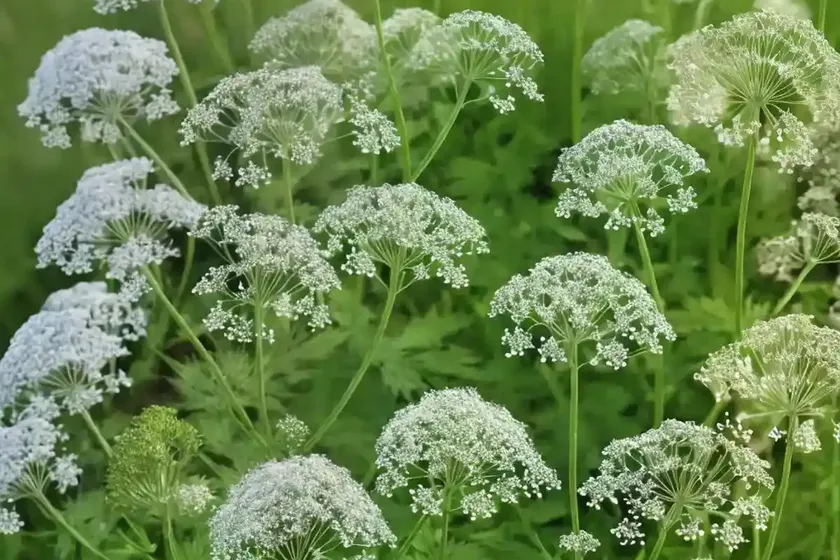
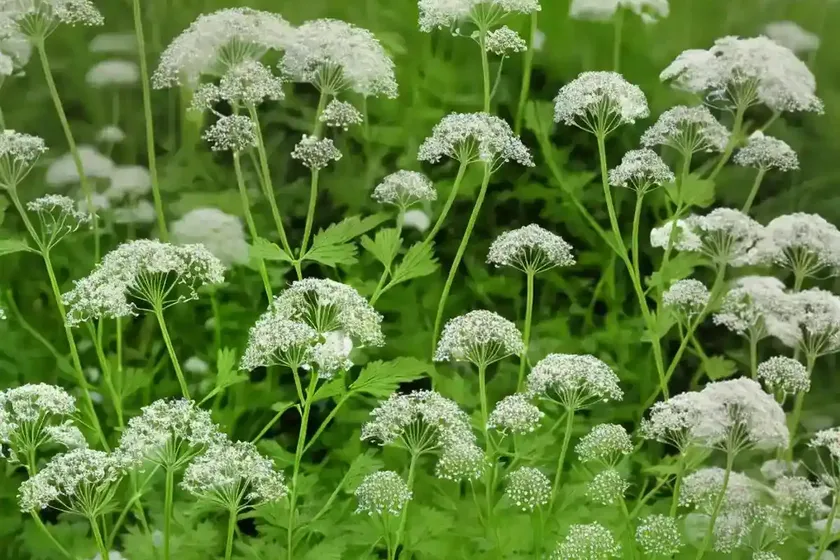
Cow-parsley, scientifically known as Anthriscus sylvestris, is a herbaceous biennial or short-lived perennial plant belonging to the Apiaceae family. It is native to Europe and Western Asia and is widely distributed across the Northern Hemisphere. This plant is also commonly referred to as wild chervil, keck, and Queen Anne’s lace. Cow-parsley is characterized by its delicate, fern-like foliage and clusters of small white flowers that form flat-topped umbels. The plant typically grows in hedgerows, along roadside verges, and in woodland clearings, thriving in moist, fertile soils and partial shade.
2. Key Takeaways – Cow-parsley (Anthriscus sylvestris)
Characteristic Features
- Fern-like foliage
- Clusters of small white flowers in flat-topped umbels
- Grows in hedgerows, roadside verges, and woodland clearings
- Thrives in moist, fertile soils and partial shade
Taxonomy
- Kingdom: Plantae
- Clade: Angiosperms
- Order: Apiales
- Family: Apiaceae
- Genus: Anthriscus
- Species: Anthriscus sylvestris
Distribution
- Native to Europe and Western Asia
- Widely distributed across the Northern Hemisphere
Growth Cycle
- Biennial or short-lived perennial
3. Culture
Cow-parsley has been a part of human culture for centuries, featuring in various traditions, folklore, culinary practices, and herbal remedies. Its delicate appearance and widespread distribution have contributed to its cultural significance across different regions. In traditional medicine, the plant has been used for its purported medicinal properties, while in folklore, it has been associated with diverse symbolism and beliefs.
4. Uses
Cow-parsley serves various purposes, ranging from its ecological role in supporting wildlife to its utilitarian uses in landscaping, herbal remedies, and culinary applications. Understanding its multiple uses provides insights into the plant’s versatility and ecological importance.
5. Plant Care
To cultivate Cow-parsley successfully, it is essential to provide the appropriate growing conditions and care. This includes considerations such as water requirements, sunlight exposure, soil type, fertilizer application, pruning needs, and pest control measures. Understanding these aspects is crucial for maintaining the health and vigor of Cow-parsley plants.
6. Propagation and Maintenance
Propagating Cow-parsley through suitable methods and ensuring its ongoing maintenance are essential for promoting its growth, controlling its spread, and supporting its ecological functions. Proper management strategies can contribute to the sustainable cultivation and conservation of this species.
7. Fun Facts
Exploring the intriguing and lesser-known facts about Cow-parsley sheds light on its unique characteristics, historical significance, and ecological interactions. These fun facts add a layer of interest and wonder to the understanding of this plant.
Now, let’s delve deeper into each of these aspects to gain a comprehensive understanding of Cow-parsley (Anthriscus sylvestris) and its significance.
Cow-parsley (Anthriscus sylvestris) in Detail
Cow-parsley Facts
Cow-parsley, also known as wild chervil or keck, is a herbaceous biennial or short-lived perennial plant belonging to the Apiaceae family. The plant is native to Europe and Western Asia and is widely distributed across the Northern Hemisphere. It is characterized by its delicate, fern-like foliage and clusters of small white flowers that form flat-topped umbels. Cow-parsley typically grows in hedgerows, along roadside verges, and in woodland clearings, favoring moist, fertile soils and partial shade.
Identifying Anthriscus sylvestris
Cow-parsley can be identified by its feathery, deeply divided leaves and umbels of small white flowers. It is important to accurately identify this plant to distinguish it from similar species and understand its specific growth requirements and uses.
Characteristics of Cow-parsley
Cow-parsley exhibits the following characteristic features:
– Herbaceous biennial or short-lived perennial plant
– Fern-like foliage
– Clusters of small white flowers in flat-topped umbels
– Grows in hedgerows, roadside verges, and woodland clearings
– Thrives in moist, fertile soils and partial shade
Cow-parsley Uses
The uses of Cow-parsley are diverse and multifaceted, encompassing ecological, cultural, and utilitarian applications. These uses include:
– Herbal remedies
– Culinary practices
– Landscaping and garden design
– Wildlife support
– Traditional medicine
– Folklore and cultural symbolism
– Ground cover in naturalized areas
Habitat Requirements
Cow-parsley thrives in moist, fertile soils with partial shade, often found in hedgerows, woodland edges, and roadside verges. Understanding its habitat requirements is essential for successfully growing and supporting this plant.
Cow-parsley Habitat
The natural habitat of Cow-parsley includes:
– Hedgerows
– Roadside verges
– Woodland edges
– Streamsides
– Moist, fertile soils
Cow Parsley Benefits
The benefits of Cow-parsley encompass its ecological, cultural, and practical contributions, including:
– Supporting pollinators and wildlife
– Providing food and habitat for beneficial insects
– Cultural significance in folklore and traditions
– Culinary and medicinal uses
Medicinal Properties
Cow-parsley has been historically used in traditional medicine for its purported medicinal properties, including its role in:
– Aiding digestion
– Easing respiratory issues
– Promoting overall well-being
Cow-parsley in Folklore
Cow-parsley has been associated with various folklore beliefs and symbolism across different cultures, reflecting its enduring presence and significance in human traditions.
How to Grow Anthriscus sylvestris
Cultivation Tips
Growing Cow-parsley successfully requires attention to specific cultivation tips, including:
– Soil preparation
– Watering practices
– Sunlight requirements
– Fertilization needs
– Propagation methods
Flowering Season
Cow-parsley typically blooms in spring and early summer, producing clusters of small white flowers that add visual appeal to its surroundings. Understanding its flowering season is helpful for planning and appreciating its ornamental value.
Varieties
There are several cultivated varieties of Cow-parsley available, each with unique characteristics and visual appeal. Exploring different varieties can enhance the diversity and aesthetic appeal of garden and landscape designs.
Culinary Uses
Cow-parsley has culinary uses, with its young leaves and tender shoots being utilized as a flavorful and nutritious addition to various dishes. Understanding its culinary potential adds to its practical value in sustainable food practices.
Propagation Methods
The propagation of Cow-parsley can be achieved through various methods, such as:
– Seed sowing
– Division of clumps
– Stem cuttings
– Understanding the most suitable propagation approaches is essential for successful reproduction and cultivation.
Growth Cycle
Cow-parsley follows a biennial growth cycle, germinating and establishing in the first year before flowering and setting seed in the second year. This growth pattern influences its management and maintenance requirements.
Anthriscus sylvestris Care and Maintenance
Soil
Cow-parsley thrives in moist, fertile soils with good drainage. Understanding its soil preferences is important for providing suitable growing conditions and promoting its health and vigor.
Water
Cow-parsley requires regular watering, particularly during dry periods, to ensure consistent moisture levels in the soil. Proper watering practices contribute to the plant’s growth and establishment.
Sunlight
Cow-parsley prefers partial shade, thriving in locations with dappled sunlight or light shade. Understanding its sunlight requirements is crucial for selecting appropriate growing sites.
Fertilizer
Applying a balanced, organic fertilizer can support the growth and development of Cow-parsley, providing essential nutrients for its optimal performance.
Pruning
Minimal pruning may be necessary to remove faded flowers and maintain the plant’s appearance. However, Cow-parsley generally requires minimal pruning requirements.
Disease Diagnosis
Cow-parsley may be susceptible to certain diseases, including fungal infections and wilting disorders. Timely diagnosis and appropriate management practices can help mitigate disease issues.
Common Diseases
Common diseases affecting Cow-parsley can include:
– Powdery mildew
– Leaf spot
– Root rot
Understanding these diseases can facilitate prompt intervention and control measures.
Common Pests
Cow-parsley may attract certain pests that can affect its vitality and appearance. Identifying and addressing common pests is essential for maintaining the plant’s health.
Pest Control
Implementing pest control measures, such as natural predators or targeted interventions, can help manage pest infestations without using harmful chemicals.
Botanist’s Tips
Insights and tips from botanists and horticulturists can provide valuable guidance for cultivating and caring for Cow-parsley, drawing from their expertise and practical experience.
Anthriscus sylvestris: Ecological Importance and Conservation
Ecological Role
Cow-parsley plays a significant ecological role, contributing to:
– Wildlife habitat and forage
– Soil stabilization
– Biodiversity support
– Ecosystem resilience
Habitat Restoration
In certain settings, Cow-parsley can be utilized as part of habitat restoration initiatives, contributing to the enhancement of naturalized areas and ecological diversity.
Conservation
Conserving native plant species like Cow-parsley is important for preserving biodiversity and maintaining the integrity of natural ecosystems. Supporting conservation efforts can contribute to the sustainable management of plant populations.
Endangered Status
Assessing the conservation status of Cow-parsley can provide insights into its vulnerability and the urgency of conservation measures. Monitoring its population trends and habitat threats is essential for effective conservation planning.
Wildlife Support
Cow-parsley provides essential support for pollinators, butterflies, and beneficial insects, contributing to the overall health and resilience of local ecosystems. Recognizing its role in wildlife support underscores its ecological significance.
Benefits for Butterflies
The nectar-rich flowers of Cow-parsley attract and nourish butterflies, making it a valuable addition to wildlife-friendly gardens and naturalized landscapes.
Cow-parsley: Folklore, Symbolism, and Cultural Significance
Folklore and Myths
Cow-parsley has been intertwined with various folklore beliefs and myths, embodying diverse cultural representations and narratives across different regions and traditions.
Cultural Significance
The cultural significance of Cow-parsley encompasses its associations with:
– Traditional beliefs and customs
– Symbolism in art and literature
– Use in seasonal and ceremonial practices
– Historical and regional folklore
Symbolism
Cow-parsley holds symbolic meanings related to:
– Beauty and delicacy
– Natural abundance
– Seasons and transitions
– Cultural traditions
Ethnobotany
Exploring the ethnobotanical aspects of Cow-parsley deepens our understanding of its historical and cultural relevance, as well as its practical uses in traditional human societies.
Folklore in Different Cultures
The diverse folklore and cultural interpretations of Cow-parsley across different cultures showcase the plant’s enduring presence and significance in human traditions.
External Resources
- Royal Horticultural Society – Anthriscus sylvestris
- Wildflowers of the UK – Cow Parsley (Anthriscus sylvestris)
- Missouri Botanical Garden – Anthriscus sylvestris
- USDA Plants Database – Anthriscus sylvestris
- Botanical Society of Britain & Ireland – Cow Parsley (Anthriscus sylvestris)
- The Wildlife Trusts – Cow Parsley
In conclusion, Cow-parsley (Anthriscus sylvestris) is a captivating and versatile plant with a rich cultural history, ecological significance, and practical uses. Understanding its characteristics, cultivation requirements, and cultural connections enhances our appreciation for this botanical treasure. By embracing the diverse facets of Cow-parsley, we can celebrate its beauty, support its conservation, and explore its connections to human culture and environmental well-being.
References
- Charman, Ruth & Catling, Carole & Bailey, Jenny. (2008). The National Plant Monitoring Scheme: Woodland Plant Indicator Species Report. 10.13140/2.1.2400.1446.
- Gallet, Christiane & Fraqhia, Federico & Lefeuvre, Jean-Claude & Dhote, J.-F.. (2013). What Determines Sex Ratio Variability in the Cow Parsley Anthriscus sylvestris and the Hogweed Heracleum sphondylium?. 10.13140/2.1.4872.0640.
- Hanley, Mark & Hamilton, Mary & Craigon, Jim & McGill, Craig & Brown, Julia & Cavers, Stephen & Crosby, Lara & Mallott, Michael & Hacket-Pain, Andrew & Evans, Douglas & Heeney, Jay & McKendrick, Laura & Allison, Gordon & Whalley, Brian & Thornton, Catherine & Shaw, Steve & Jiggens, Georgina & Connolly, Zoe & Fisher, Shiela & Hawkins, Sally. (2007). The handling of cow parsley Anthriscus sylvestris L. var. monophyllos æ. American journal of potato research. 500. 521. 10.7879/1535-4245-45.4.521d.
Remember to consult local gardening experts and authorities for specific guidance on cultivating and managing Cow-parsley within your region.
Disclaimer: This information is provided for educational and informational purposes and does not constitute professional advice. Always seek guidance from qualified professionals for specific plant care and management requirements.