Anthriscus Sylvestris (Cow Parsley)
Anthriscus sylvestris, commonly known as Cow Parsley, is a graceful and delicate flowering plant that belongs to the Apiaceae family. It is native to.
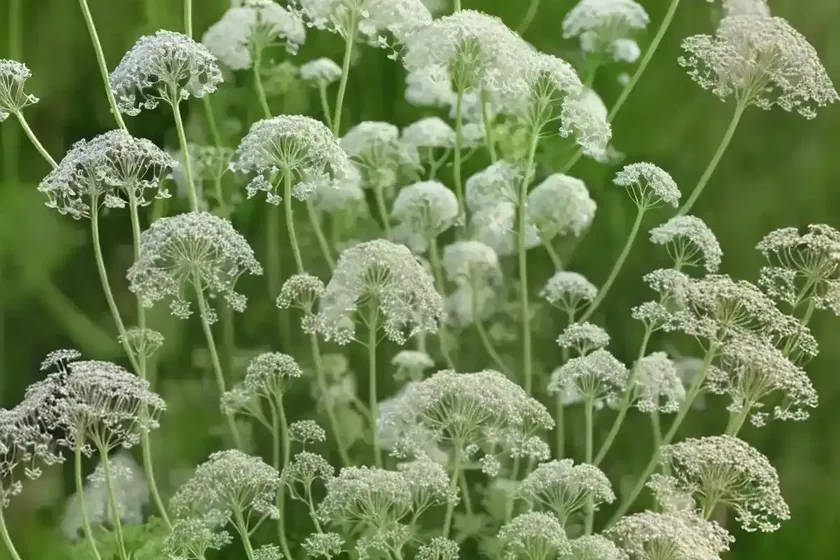
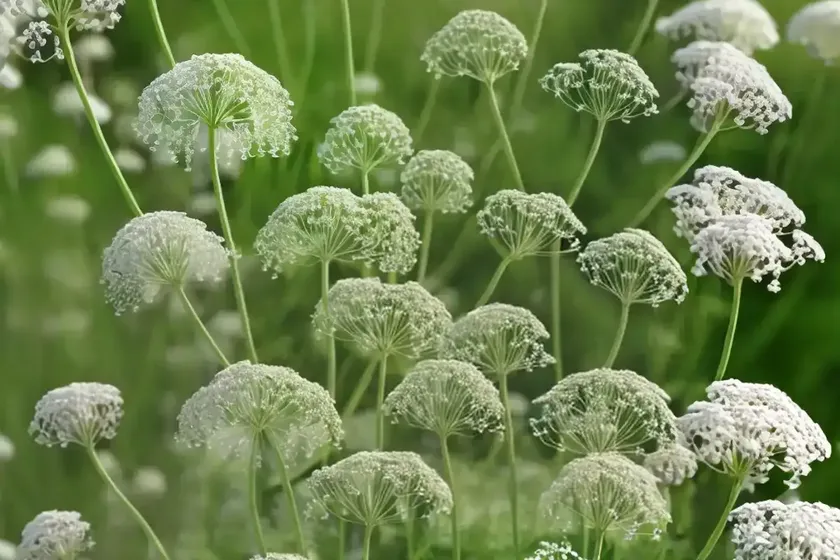
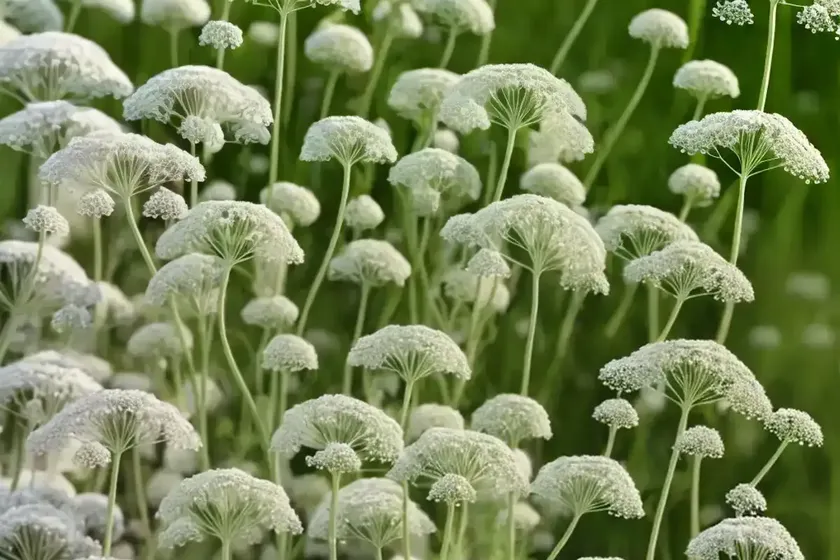
Anthriscus sylvestris, commonly known as Cow Parsley, is a graceful and delicate flowering plant that belongs to the Apiaceae family. It is native to Europe and Asia and is revered for its elegant, lacy white flowers that adorn roadsides, woodland edges, and meadows during the spring and early summer months.
In this comprehensive guide, we will explore the various facets of Anthriscus sylvestris, including its culture, uses, care requirements, cultivation, and ecological significance. Whether you are a seasoned gardener, a nature enthusiast, or someone who appreciates the beauty of wildflowers, there is much to discover about this enchanting plant.
What is Anthriscus sylvestris (Cow Parsley)?
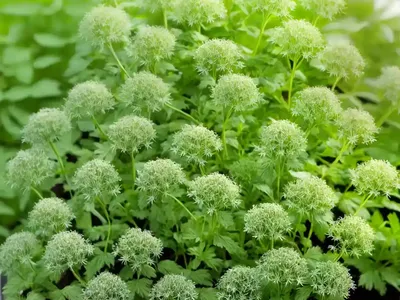
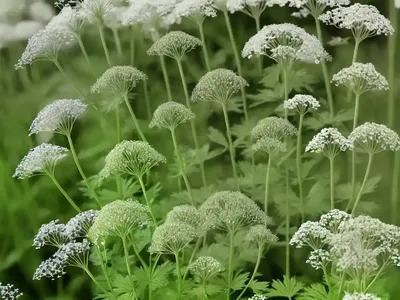
Anthriscus sylvestris, commonly referred to as Cow Parsley, is a herbaceous biennial or short-lived perennial plant. It is characterized by its finely divided, fern-like leaves and delicate, umbrella-shaped clusters of small, white flowers. This plant can reach heights of up to 1.5 meters (5 feet) and has a sprawling, bushy growth habit.
Key Takeaways – Anthriscus sylvestris (Cow Parsley)
Before delving into the various aspects of Anthriscus sylvestris, let’s outline the key takeaways to set the stage for our exploration:
- Anthriscus sylvestris Benefits: Understanding the ecological and cultural significance of Cow Parsley.
- Cow Parsley Uses: Exploring the diverse applications of Anthriscus sylvestris in traditional, culinary, and medicinal contexts.
- Anthriscus sylvestris Facts: Uncovering intriguing and lesser-known facts about this delicate plant.
- Cow Parsley Characteristics: Describing the physical and botanical attributes of Anthriscus sylvestris.
- Anthriscus sylvestris Growth: Exploring the growth habits and seasonal requirements of Cow Parsley.
- Cow Parsley Medicinal Properties: Unraveling the therapeutic potential of Anthriscus sylvestris.
- Anthriscus sylvestris Care: Highlighting the essential care guidelines for cultivating and maintaining Cow Parsley.
- Cow Parsley Gardening Tips: Offering practical insights for successful cultivation and landscaping with Anthriscus sylvestris.
- Anthriscus sylvestris Varieties: Exploring the different varieties and cultivars of Cow Parsley.
- Cow Parsley in Traditional Medicine: Examining the historical and contemporary uses of Anthriscus sylvestris in herbal remedies.
- Anthriscus sylvestris Cultivation: Providing a comprehensive guide to successfully growing and propagating Cow Parsley.
- Cow Parsley as an Ornamental Plant: Understanding the aesthetic appeal of Anthriscus sylvestris in garden and landscape design.
- Anthriscus sylvestris Benefits for Wildlife: Exploring its role in supporting and sustaining local wildlife.
- Cow Parsley Ecological Importance: Understanding the ecological contributions of Anthriscus sylvestris.
- Anthriscus sylvestris Culinary Uses: Exploring the culinary potential and nutritional value of Cow Parsley.
- Cow Parsley Nutritional Value: Uncovering the nutritional content and potential health benefits of Anthriscus sylvestris.
- Anthriscus sylvestris Symbolism: Delving into the symbolic meanings associated with Cow Parsley.
- Cow Parsley Folklore: Unraveling the myths and folklore surrounding Anthriscus sylvestris.
Now, let’s embark on a fascinating journey to discover the enchanting world of Anthriscus sylvestris.
Culture
Understanding the cultural significance and habitat of Cow Parsley is instrumental in appreciating its broader role in the natural landscape and human society.
Natural Habitat
Anthriscus sylvestris thrives in a range of habitats, from woodlands and meadows to hedgerows and verges. It is commonly found in open, semi-shaded areas with well-drained, moist soil. In its native European and Asian habitats, Cow Parsley adorns the countryside with its delicate, frothy blooms, creating a captivating spectacle during the spring and early summer months.
Folklore and Myths
Throughout history, Anthriscus sylvestris has been intertwined with various folklore and myths. In many cultures, Cow Parsley is associated with themes of delicacy, purity, and the arrival of spring. It has been depicted in traditional tales and folklore as a symbol of transformation and the ephemeral nature of life, owing to its fleeting bloom and delicate appearance. Understanding these cultural associations adds an intriguing layer of depth to the appreciation of this humble plant.
Uses
Cow Parsley boasts a diverse range of uses, spanning traditional medicine, culinary applications, wildlife support, and ornamental purposes. Exploring these multifaceted uses sheds light on the plant’s versatility and cultural relevance.
Traditional Uses in Herbal Remedies
Anthriscus sylvestris has historically been utilized in herbal remedies and traditional medicine practices. The plant’s leaves and roots contain bioactive compounds that have been attributed with various therapeutic properties. It has been employed in herbal preparations to alleviate digestive discomfort, support respiratory health, and promote overall wellness. Delving into the historical and contemporary applications of Cow Parsley in traditional medicine provides insight into its enduring significance in human health and well-being.
Culinary and Nutritional Value
The delicate, lacy leaves of Anthriscus sylvestris are not only visually appealing but also hold culinary potential. In certain culinary traditions, the young leaves and tender stems of Cow Parsley are utilized as a flavorful addition to salads, soups, and other dishes. Additionally, the plant contains essential nutrients and bioactive compounds, contributing to its potential health benefits. Exploring the nutritional value of Cow Parsley sheds light on its culinary potential and dietary contributions.
Wildlife Support
In its natural habitat, Cow Parsley plays a crucial role in supporting local wildlife, including insects, birds, and small mammals. The nectar-rich flowers of Anthriscus sylvestris attract a myriad of pollinators, including bees, butterflies, and hoverflies, contributing to the ecological dynamism of the area.
Water
Understanding the water requirements of Anthriscus sylvestris is crucial for ensuring its optimal growth and vitality.
Watering Guidelines
Cow Parsley thrives in moist, well-drained soil, and benefits from regular watering, especially during periods of extended dryness. However, it is important to strike a balance, as excessively waterlogged soil can lead to root rot and other moisture-related issues. When cultivating Cow Parsley in garden or landscape settings, monitoring the soil moisture and providing adequate irrigation is essential for promoting healthy growth and abundant flowering.
Sunlight
Anthriscus sylvestris has specific sunlight requirements that are essential for its overall health and vigor.
Sun Exposure
Cow Parsley typically flourishes in partial shade to dappled sunlight, especially in regions with warmer climates. While it can tolerate some sun, providing it with sheltered, semi-shaded conditions helps prevent excessive wilting and sunscald. Understanding its preferred sun exposure is vital for identifying suitable planting locations and optimizing its growth potential in various settings.
Fertilizer
Adopting the appropriate fertilization practices is integral to ensuring the robust and healthy growth of Anthriscus sylvestris.
Fertilization Needs
Cow Parsley generally thrives in moderately fertile soil and does not require heavy fertilization. Incorporating a balanced, all-purpose fertilizer into the soil during the initial planting phase can provide the plant with essential nutrients for establishing strong roots and healthy foliage. However, excessive fertilization should be avoided, as it can lead to lush, sprawling growth at the expense of flowering.
Soil
Understanding the soil preferences of Anthriscus sylvestris is crucial for creating an optimal growing environment for this delicate plant.
Soil Type
Cow Parsley prefers moist, well-drained soil with a slightly acidic to neutral pH. Loamy soils with good organic content and aeration are well-suited for supporting the growth and development of Anthriscus sylvestris. Ensuring proper soil preparation and amendment can contribute to the plant’s overall vigor and resilience.
Pruning
Pruning plays a pivotal role in maintaining the aesthetic appeal and vigor of Anthriscus sylvestris.
Pruning Techniques
Regular deadheading and light pruning can help prolong the flowering period of Cow Parsley and prevent self-seeding in garden settings. Trimming back spent flower stems and removing any diseased or damaged foliage can also promote a tidy and attractive appearance. Careful pruning practices are essential for managing the growth of Anthriscus sylvestris and preserving its ornamental value.
Propagation
Understanding the propagation techniques of Anthriscus sylvestris is essential for expanding its presence in the garden and landscape.
Propagation Methods
Cow Parsley can be propagated from seed or through division. Collecting mature seeds from the plant and sowing them in prepared soil in autumn or early spring can yield new seedlings. Additionally, dividing established clumps in the autumn provides an opportunity to create new plantings or share the beauty of Anthriscus sylvestris with others. Exploring these propagation methods can expand the presence of Cow Parsley in various settings.
Container Popularity
While Anthriscus sylvestris is commonly admired in naturalistic settings, it can also be grown successfully in container gardens, adding a touch of elegance to outdoor spaces.
Container Cultivation
Cultivating Cow Parsley in containers offers the versatility of enjoying its delicate beauty in smaller garden spaces, patios, and balconies. Selecting a well-draining container and providing adequate space for the plant’s root system are essential for successful container cultivation. In addition, regular watering and partial shade are crucial factors in ensuring the plant’s well-being and aesthetic appeal in a containerized setting.
Common Diseases
Anthriscus sylvestris is susceptible to certain diseases and pests, which can impact its overall health and appearance.
Disease Diagnosis
Cow Parsley may be susceptible to fungal diseases, such as powdery mildew and leaf spot, especially in conditions of high humidity and poor air circulation. Additionally, root rot can occur in waterlogged or poorly drained soil, adversely affecting the plant’s vigor. Recognizing the symptoms of these common diseases and implementing appropriate preventive measures is essential for maintaining the health and vitality of Anthriscus sylvestris.
Common Pests
Anthriscus sylvestris may encounter pest pressures that can compromise its growth and flowering.
Pest Control Methods
Common pests that may affect Cow Parsley include aphids, caterpillars, and certain beetles. Implementing integrated pest management practices, such as regular monitoring, natural predators, and targeted interventions, can effectively mitigate pest infestations without resorting to heavy pesticide use. Adopting proactive pest control methods is essential for safeguarding the health and beauty of Anthriscus sylvestris in garden and landscape settings.
Botanist’s Tips
To cultivate and appreciate Anthriscus sylvestris to its fullest potential, it is valuable to consider the advice and insights from botanical experts.
Expert Recommendations
Botanists recommend planting Cow Parsley in areas with partial shade and moist, well-drained soil for optimal performance. They also advise incorporating organic matter into the soil and providing regular, moderate watering to support the plant’s growth and flowering. Additionally, maintaining good air circulation and practicing prudent pruning and deadheading techniques can contribute to the overall health and aesthetic appeal of Anthriscus sylvestris in garden settings.
Fun Facts
Exploring the intriguing and delightful aspects of Cow Parsley adds a layer of fascination to this charming plant.
Fascinating Tidbits
- The delicate, lacy appearance of Cow Parsley has earned it endearing nicknames such as “Queen Anne’s lace” and “wild chervil” in certain regions.
- Anthriscus sylvestris is often mistaken for other similar-looking plants, such as poison hemlock (Conium maculatum), highlighting the importance of accurate botanical identification.
- The flowers of Cow Parsley are rich in nectar, making them a valuable food source for pollinators, such as bees and butterflies, during the spring and summer months.
Now that we’ve explored the various facets of Anthriscus sylvestris, let’s further enhance our understanding by delving into a selection of external resources that offer valuable insights and information about this captivating plant.
Links to External Resources
To deepen your knowledge of Anthriscus sylvestris and discover additional information about its uses, cultivation, and ecological significance, consider exploring the following external resources:
- Royal Horticultural Society – Cow Parsley
- The Wildlife Trusts – Cow Parsley
- NatureSpot – Cow Parsley
- Kew Science – Anthriscus sylvestris
- Plantlife – Cow Parsley
- Wildflower-UK – Cow Parsley
These resources offer a wealth of knowledge and insights into the captivating world of Anthriscus sylvestris, providing botanical enthusiasts, gardeners, and nature lovers with valuable information to deepen their appreciation for this delicate and enchanting plant.
In conclusion, Anthriscus sylvestris, or Cow Parsley, stands as a testament to the beauty and diversity of the natural world. Its graceful form, delicate flowers, and diverse uses underscore its cultural, ecological, and aesthetic significance. Whether gracing the woodland edges or enhancing garden landscapes, Cow Parsley captivates and enriches the natural tapestry of its surroundings, leaving a lasting impression on all who encounter its gentle beauty.