Couch Paspalum (Paspalum Vaginatum)
Couch Paspalum (Paspalum Vaginatum) is a warm-season grass species that has gained popularity for its lush, dense growth and excellent turf qualities. It.
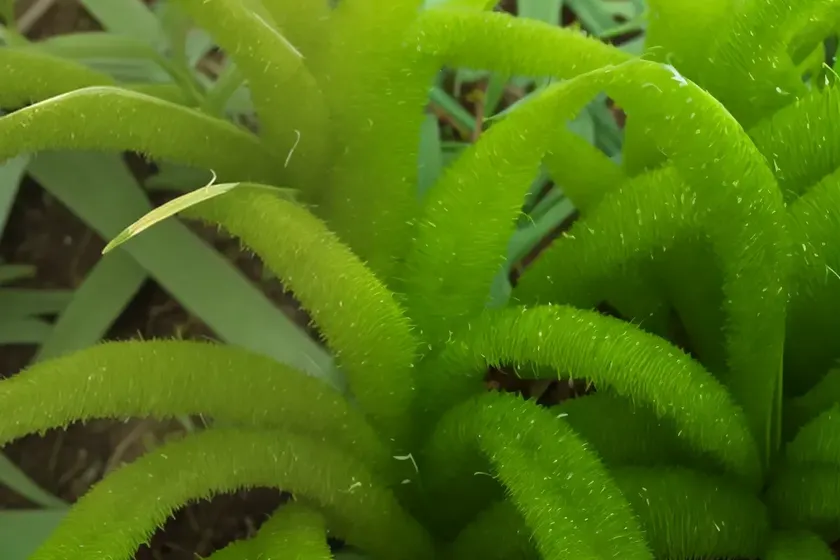
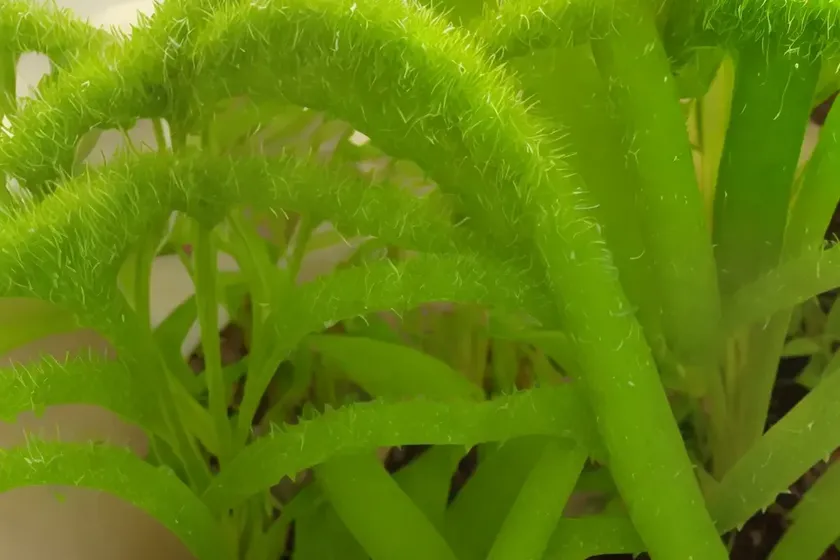
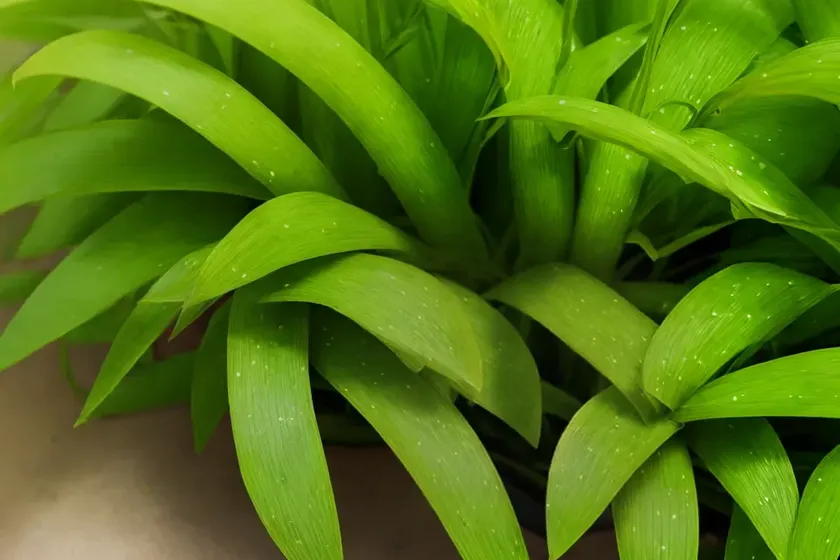
What is Couch Paspalum?
Couch Paspalum (Paspalum Vaginatum) is a warm-season grass species that has gained popularity for its lush, dense growth and excellent turf qualities. It is well suited for a range of applications, from sports fields and golf courses to residential lawns and commercial landscapes. This deep-rooted grass is recognized for its drought resistance and ability to thrive in hot climates.
Key Takeaways – Couch Paspalum (Paspalum Vaginatum)
Before delving into the details of care and cultivation, here are some key takeaways about Couch Paspalum:
- Water: Couch Paspalum is known for its excellent drought tolerance, making it a sustainable option for regions with water restrictions.
- Sunlight: It thrives in full sunlight and can tolerate high heat conditions.
- Fertilizer: Minimal fertilizer requirements make it a low-maintenance option for turfgrass.
- Soil: It can adapt to a variety of soil types but prefers well-draining soil.
- Pruning: Regular mowing is essential to maintain its aesthetic appeal and thickness.
- Propagation: It can be propagated through seeds or sprigs.
- Common Diseases: It is relatively resistant to many diseases, making it an attractive option for low-input turf.
Now, let’s dive deeper into the various aspects of caring for and cultivating Couch Paspalum.
Culture
Couch Paspalum thrives in warm, humid climates, making it an ideal choice for tropical and subtropical regions. This grass species exhibits exceptional adaptability, performing well in various soil types and moisture conditions. Its ability to withstand saline and brackish water conditions has made it popular in coastal areas and regions with high salinity levels in the soil.
Uses
Lawns and Landscapes
Couch Paspalum is widely used for both residential and commercial lawns due to its dense, lush growth and vibrant green appearance. It can withstand heavy foot traffic, making it suitable for parks, recreational areas, and golf courses.
Sports Fields
The durability and fast recovery of Couch Paspalum make it an excellent choice for sports fields, including football, soccer, and baseball fields. Its dense turf provides a smooth and consistent playing surface.
Golf Courses
The ability of Couch Paspalum to tolerate close mowing and its resistance to diseases and pests make it a preferred choice for golf course fairways and tees.
Water
Couch Paspalum exhibits remarkable drought tolerance, making it an ideal choice for regions with limited water availability. Once established, it requires minimal irrigation, reducing the overall water consumption for maintaining lush, green lawns or turfs.
Sunlight
Thriving in full sunlight, Couch Paspalum is adept at harnessing solar energy and converting it into lush turf. It can also tolerate partial shade, although its optimal growth occurs in full sun.
Fertilizer
Couch Paspalum has relatively low fertilizer requirements compared to other turfgrass species. A balanced and minimal application of fertilizers, combined with organic amendments, can support its growth and vigor.
Soil
Couch Paspalum can adapt to various soil types, including sandy and clay soils, as long as they are well-draining. However, it thrives in fertile, loamy soils with good water retention capacity.
Pruning
Regular mowing is essential to maintain the aesthetic appeal and vigor of Couch Paspalum lawns. It is recommended to mow at a height suitable for the desired use, whether for a formal lawn or a sports field. The optimal mowing height for Couch Paspalum is typically between 0.5 to 1.5 inches, depending on the intended use and environmental conditions.
Propagation
Couch Paspalum can be propagated through seeds, sprigs, or sod. Each method has its advantages, and the choice often depends on the scale of the turf installation and the time available for establishment.
Container Popularity
While Couch Paspalum is primarily used for outdoor landscapes and turf management, it can also thrive in containers, providing a lush green addition to patios, balconies, and other outdoor spaces.
Common Diseases
Couch Paspalum exhibits good disease resistance, particularly to common turf diseases such as dollar spot, brown patch, and leaf spot, reducing the need for chemical interventions and making it an environmentally friendly option for turf management.
Disease Diagnosis
Regular monitoring of the turf for signs of discoloration, wilting, or abnormal growth can help in early disease diagnosis. It is essential to address any emerging issues promptly to prevent the spread of diseases.
Common Pests
Couch Paspalum is relatively resistant to many common turf pests. However, occasional monitoring for pests such as chinch bugs, armyworms, and sod webworms is recommended to ensure the health and vitality of the turf.
Botanist’s Tips
To maximize the potential of Couch Paspalum and maintain vibrant, healthy turf, consider the following botanist’s tips:
- Soil Test: Conduct a soil test to assess the nutrient composition and pH levels, enabling targeted and efficient fertilization.
- Proper Irrigation: Implement a deep and infrequent watering schedule to encourage deep root growth and drought tolerance.
- Integrated Pest Management (IPM): Emphasize a holistic approach to pest management, incorporating cultural, biological, and chemical control methods as needed.
- Regular Monitoring: Stay vigilant for signs of stress, diseases, or pests to address potential issues at their early stages.
Fun Facts
- Couch Paspalum is often used for re-vegetation of coastal areas due to its tolerance to saline conditions.
- It has been utilized in erosion control and habitat restoration projects, contributing to the ecological resilience of coastal ecosystems.
Links to External Resources
For further information and detailed insights into Couch Paspalum, refer to:
- University of Florida IFAS Extension – Couchgrass for Lawns
- Couchgrass.org – Paspalum Vaginatum Characteristics
- The American Society of Agronomy – Couch Paspalum Establishment and Maintenance Guide
- International Turfgrass Society – Paspalum Vaginatum Growth Habits: “Texas, with its abundant golf courses and warm climate, is a relatively recent area for the employment of the Scalpmaster (P. Vaginatum) grass by homeowners.”
By leveraging these external resources, you can gain a comprehensive understanding of the unique qualities and optimal management practices for Couch Paspalum.
In the subsequent sections, we will delve into more nuanced elements of Couch Paspalum care and maintenance, exploring topics ranging from disease resistance and pest management to soil requirements and landscaping applications.
Plant Name: “Couch Paspalum (Paspalum Vaginatum)” – In-Depth Care Guide
Couch Paspalum Benefits
Couch Paspalum offers an array of benefits, making it an attractive choice for landscapers, turf managers, and homeowners seeking sustainable and resilient turf solutions.
Drought Tolerance
One of the primary advantages of Couch Paspalum is its exceptional drought tolerance. This characteristic enables it to thrive in water-restricted environments, reducing the overall water consumption for maintaining vigorous and verdant lawns.
Salinity Tolerance
Coastal landscapes and regions with elevated soil salinity levels benefit from the utilization of Couch Paspalum, as it can withstand and adapt to saline conditions, contributing to erosion control and habitat restoration efforts.
Low Fertilizer Requirements
With minimal fertilizer needs, Couch Paspalum presents a low-input turf option, aligning with sustainable turf management practices. This reduces the environmental impact of excess fertilizer application and the associated issues of nutrient runoff.
Pest and Disease Resistance
Couch Paspalum showcases resistance to many common turf pests and diseases, minimizing the reliance on chemical interventions and promoting a healthier and more environmentally friendly turf ecosystem.
Versatile Uses
From residential lawns and commercial landscapes to sports fields and golf courses, Couch Paspalum offers a versatile and adaptable turf solution, catering to a diverse array of applications.
The comprehensive benefits of Couch Paspalum position it as a valuable asset for sustainable turf management and resilient landscape solutions.
Paspalum Vaginatum Uses
Couch Paspalum, scientifically known as Paspalum Vaginatum, finds versatile uses across various domains, leveraging its unique characteristics and adaptability.
Landscaping and Lawns
The lush, dense growth of Couch Paspalum makes it an ideal choice for residential and commercial landscapes, offering an attractive and resilient turf option.
Sports Turf
Its durability and ability to withstand heavy foot traffic render Couch Paspalum suitable for sports fields, including soccer, football, and baseball fields, providing a consistent and high-performing playing surface.
Golf Course Management
Couch Paspalum’s resistance to wear and tear, coupled with its ability to thrive in close mowing conditions, makes it a preferred turfgrass species for golf course fairways and tees, contributing to the aesthetic and playing quality of the course.
The adaptability and performance of Paspalum Vaginatum across diverse applications underscore its value in enhancing landscapes and fulfilling the turf requirements of various recreational and functional spaces.
Couchgrass for Lawns
Couch Paspalum has emerged as a favored choice for lawns, offering numerous advantages for homeowners and landscape professionals seeking vibrant and resilient turf options.
Vibrant Appearance
The lush green color and fine texture of Couch Paspalum contribute to its aesthetic appeal, elevating the visual quality of residential lawns and landscaping.
Drought Tolerance
In regions susceptible to water scarcity, Couch Paspalum’s drought tolerance presents an environmentally conscious and sustainable option for maintaining verdant lawns with reduced water consumption.
Low Maintenance
The minimal fertilizer requirements and relatively low pest and disease susceptibility of Couch Paspalum simplify lawn maintenance, reducing the need for extensive interventions, thus making it a convenient and cost-effective turf choice.
Paspalum Vaginatum Characteristics
Understanding the unique characteristics of Paspalum Vaginatum is essential for maximizing its potential and ensuring optimal turf management practices.
Deep Root System
Couch Paspalum’s deep and extensive root system contributes to its drought tolerance, enabling it to access moisture from deeper soil layers and promoting stability and resilience.
Salinity Tolerance
The ability of Paspalum Vaginatum to thrive in saline soils and brackish water conditions makes it an invaluable asset for coastal landscapes and regions with elevated soil salinity levels.
Wear Resistance
For sports fields and high-traffic areas, the wear resistance of Couch Paspalum ensures a durable and long-lasting turf, maintaining its aesthetic and functional qualities even under intense use.
Rapid Recovery
In the event of stress or damage, Couch Paspalum exhibits rapid recovery, restoring its lush and vibrant appearance and minimizing disruptions in turf quality.
The inherent characteristics of Paspalum Vaginatum contribute to its adaptability and performance, positioning it as a resilient and sustainable turfgrass species.
Couch Paspalum Varieties
Several cultivated varieties of Couch Paspalum are available, each with unique attributes and adaptability to specific environmental conditions and management practices.
SeaIsle 1
Known for its salt tolerance, SeaIsle 1 variety is well-suited for coastal landscapes and regions with high salinity levels in the soil, contributing to erosion control and ecological restoration efforts.
SeaDwarf
With a fine texture and vibrant green color, the SeaDwarf variety of Couch Paspalum is an excellent choice for golf course management, offering exceptional playability and visual appeal.
Platinum TE
Platinum TE variety is recognized for its resilience to wear and tear, making it ideal for high-traffic sports fields and recreational areas where durability and performance are paramount.
Each variety of Couch Paspalum offers distinct advantages and suitability for specific applications, catering to the diverse needs of turf managers, landscape architects, and homeowners.
Paspalum Vaginatum Planting Tips
Optimal planting practices are crucial for establishing vibrant and resilient Couch Paspalum turf, ensuring its successful growth and long-term performance.
Site Preparation
Before planting, ensure thorough site preparation, including soil testing, weed control, and adequate drainage measures to create an optimal environment for Couch Paspalum establishment.
Seedbed Preparation
For seed propagation, meticulous seedbed preparation, including proper soil tilth and optimal seed depth, is essential to support successful germination and establishment of Couch Paspalum.
Irrigation Management
During the establishment phase, implement a controlled and consistent irrigation schedule to support root development and initial growth of Couch Paspalum, ensuring adequate moisture without waterlogging.
Couch Paspalum Care Guide
To maintain the health, vigor, and aesthetic appeal of Couch Paspalum, a comprehensive care guide is essential, encompassing prudent management practices and responsive interventions.
Irrigation Schedule
Maintain a balanced irrigation schedule, aligning with the watering needs of Couch Paspalum to promote deep root growth and drought tolerance, while avoiding excessive moisture that can lead to disease susceptibility.
Fertilization
Implement minimal and targeted fertilizer applications, based on soil test results and the specific nutrient requirements of Couch Paspalum, fostering healthy growth without excessive nutrient loading.
Mowing Practices
Regular and consistent mowing at the appropriate height is crucial for maintaining the dense and vibrant appearance of Couch Paspalum, supporting its resilience and visual quality.
Integrated Pest Management
Adopt an integrated approach to pest management, incorporating cultural, biological, and chemical control methods as needed, while prioritizing preventive strategies to minimize pest pressure.
Paspalum Vaginatum Maintenance
Effective maintenance practices are fundamental for preserving the vitality and longevity of Couch Paspalum, ensuring its enduring performance and aesthetic appeal.
Aerification
Regular aerification of Couch Paspalum turf promotes soil oxygenation, alleviates compaction, and facilitates root growth, contributing to overall turf health and resilience.
Thatch Management
Periodic dethatching and management of excessive thatch accumulation support the vigor and stress tolerance of Couch Paspalum, preventing impediments to nutrient and moisture uptake.
Soil Testing
Conduct routine soil tests to assess nutrient levels, pH balance, and organic matter content, guiding precise fertilizer applications and soil amendments tailored to the specific needs of Couch Paspalum.
Seasonal Adjustments
Adapt maintenance practices based on seasonal variations, including mowing height adjustments, irrigation modifications, and pest management strategies, ensuring optimal care for Couch Paspalum throughout the year.
Couch Paspalum Disease Resistance
Couch Paspalum exhibits notable resistance to various turfgrass diseases, contributing to its reliability and sustainability in low-input turf management.
Dollar Spot
Couch Paspalum displays a degree of resistance to dollar spot, a common turf disease, reducing the need for chemical fungicides and promoting an environmentally friendly disease management approach.
Brown Patch
The resistance of Couch Paspalum to brown patch, particularly under hot and humid conditions, contributes to its consistent and healthy appearance, minimizing the risk of disease-related damage.
Leaf Spot
A relative resilience to leaf spot enhances the disease resistance profile of Couch Paspalum, reducing the likelihood of foliar damage and promoting sustained turf quality.
Paspalum Vaginatum Growth Habits
Understanding the growth habits and developmental characteristics of Couch Paspalum is essential for effective turf management and responsive interventions.
Rhizomatous Growth
Couch Paspalum exhibits rhizomatous growth patterns, contributing to its dense and spreading nature, promoting turf thickness and resilience, particularly under high-traffic conditions.
Stoloniferous Spread
The stoloniferous nature of Couch Paspalum aids in its lateral expansion, enabling efficient ground coverage and rapid recovery from wear and damage, maintaining a consistent and uniform turf surface.
Rapid Establishment
During the establishment phase, the rapid growth and development of Couch Paspalum facilitate quick coverage and turf uniformity, establishing robust and visually appealing lawns and landscapes.
Couchgrass Weed Control
Proactive weed control measures are essential for safeguarding the vigor and aesthetic appeal of Couch Paspalum, minimizing competition and preserving turf quality.
Pre-emergent Herbicides
Strategic application of pre-emergent herbicides targeting specific weed species can prevent weed establishment and proliferation, supporting the unhindered growth of Couch Paspalum.
Mechanical Control
Manual removal of weeds, including hand-pulling and vigilant monitoring, complements herbicidal interventions, enabling targeted weed management while minimizing chemical inputs.
Competitive Vigor
The dense and vigorous growth of Couch Paspalum acts as a natural deterrent against weed encroachment, reducing the reliance on herbicidal interventions and promoting a resilient and sustainable turf ecosystem.
Paspalum Vaginatum Landscaping Ideas
Incorporating Couch Paspalum into landscaping designs can enrich outdoor spaces with vibrant and sustainable turf solutions, offering numerous creative and functional possibilities.
Eco-friendly Lawns
Utilize Couch Paspalum to establish eco-friendly and sustainable lawns and landscapes, aligning with environmentally conscious landscaping practices and promoting ecological resilience.
Recreational Areas
Enhance recreational spaces, including parks, playgrounds, and community areas, with the resilient and durable turf qualities of Couch Paspalum, fostering engaging and inviting outdoor environments.
Coastal Landscapes
In coastal regions and waterfront properties, Couch Paspalum contributes to erosion control and habitat restoration, leveraging its salinity tolerance and vibrant aesthetic qualities to enhance coastal landscapes.
Couch Paspalum Lawn Care
Comprehensive and attentive lawn care practices are essential for sustaining the health and vibrancy of Couch Paspalum lawns, ensuring enduring visual appeal and functional quality.
Soil Aeration
Periodic soil aeration promotes the vitality and resilience of Couch Paspalum lawns, facilitating root development, moisture penetration, and nutrient uptake, supporting sustained turf quality.
Balanced Irrigation
Maintain a balanced and consistent irrigation regimen, tailored to the specific water needs of Couch Paspalum lawns, optimizing moisture availability without excessive water consumption.
Mowing Techniques
Adopt prudent mowing techniques, including utilizing sharp blades and adhering to the recommended mowing heights, to preserve the aesthetic and functional qualities of Couch Paspalum lawns.
Seasonal Adjustments
Adjust lawn care practices based on seasonal variations, addressing specific needs related to temperature, rainfall, and daylight duration to ensure optimal health and resilience of Couch Paspalum lawns.
Paspalum Vaginatum Root System
The robust and extensive root system of Couch Paspalum plays a pivotal role in shaping its resilience, drought tolerance, and overall performance as a turfgrass species.
Deep Root Penetration
Couch Paspalum’s ability to develop deep root penetration promotes its access to moisture reservoirs in the soil, enhancing its drought tolerance and reducing its susceptibility to water stress.
stability and Resilience
The deep and dense root system


