Cotoneaster Adpressus (Creeping Cotoneaster)
Cotoneaster adpressus, widely known as Creeping Cotoneaster, is a low-growing evergreen plant that belongs to the Rosaceae family. This beautiful.



Cotoneaster adpressus, widely known as Creeping Cotoneaster, is a low-growing evergreen plant that belongs to the Rosaceae family. This beautiful groundcover plant is native to western China and has gained popularity as a landscaping choice in various parts of the world. Its trailing habit, glossy green leaves, and vibrant berries make it a favorite among gardeners and landscape designers.
In this comprehensive guide, we will delve into the various aspects of Cotoneaster adpressus, from its cultural requirements to its landscape uses. Whether you are a seasoned horticulturist or a novice gardener, this article will provide you with valuable insights into cultivating and caring for this delightful plant.
Key Takeaways – Cotoneaster adpressus (Creeping Cotoneaster)
Before we embark on our journey to explore the world of Cotoneaster adpressus, let’s take a quick look at the key takeaways that we will be covering in this guide:
- What is Cotoneaster adpressus?
- Cultural requirements: water, sunlight, fertilizer, soil
- Pruning and propagation tips
- Common diseases and pests
- Botanist’s tips for successful cultivation
- Fun facts about Creeping Cotoneaster
- Links to external resources for further information
What is Cotoneaster adpressus?
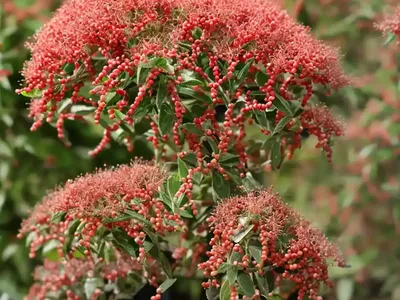
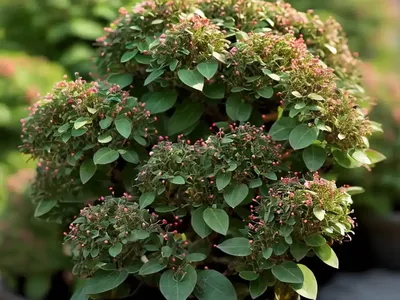
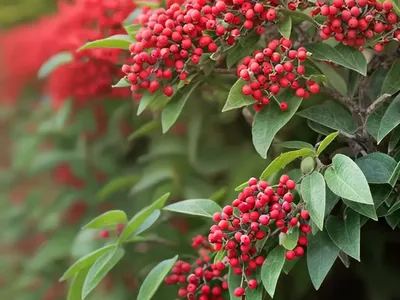
Cotoneaster adpressus, also known as Creeping Cotoneaster, is a low-growing evergreen shrub that is valued for its ornamental features and versatile landscape uses. This species is characterized by its prostrate or trailing habit, making it an excellent choice as a groundcover plant. The glossy, dark green leaves provide an attractive backdrop for the clusters of small, white flowers that adorn the plant in spring and the bright red berries that follow in the fall.
Cotoneaster adpressus Characteristics
Let’s start by exploring the key characteristics of Cotoneaster adpressus:
- Plant Type: Evergreen shrub
- Mature Height: 8-12 inches
- Mature Spread: 3-5 feet
- Foliage: Glossy, dark green
- Flowers: Small, white
- Berries: Bright red
- Growth Habit: Prostrate, trailing
Cotoneaster adpressus is a versatile plant that can thrive in various environmental conditions, making it an ideal choice for landscapes, gardens, and even containers. Its low-maintenance nature and aesthetic appeal have contributed to its increasing popularity among gardeners and landscape enthusiasts.
Culture
Uses
The versatile nature of Cotoneaster adpressus allows for a wide range of uses in landscaping and garden design. Some common landscape and garden uses include:
- Groundcover: With its low-growing and spreading habit, Cotoneaster adpressus is often used as a groundcover to fill in empty spaces and provide erosion control on slopes.
- Borders and Edging: The trailing nature of this plant makes it well-suited for use along borders, walkways, and garden edges, adding a touch of elegance to the landscape.
- Rock Gardens: The compact and spreading growth habit of Creeping Cotoneaster makes it a perfect addition to rock gardens, where it can cascade over rocks and create beautiful visual interest.
- Containers: The low-maintenance and ornamental nature of Cotoneaster adpressus make it an excellent choice for container gardening, whether in pots, troughs, or hanging baskets.
Water
Cotoneaster adpressus exhibits good drought tolerance once established, but regular watering is essential, especially during the first growing season. Proper watering is crucial for the root establishment of this groundcover plant. A consistent watering schedule is recommended, ensuring that the soil is evenly moist but not waterlogged. Once the plant is well-established, it can tolerate short periods of drought, making it suitable for landscapes with varying moisture levels.
Sunlight
Creeping Cotoneaster thrives in full sun to partial shade, making it adaptable to a wide range of light conditions. When planted in full sun, it tends to produce a more abundant display of flowers and berries. However, it can also perform well in partial shade, making it a versatile option for different areas of the landscape.
Fertilizer
When it comes to fertilizer requirements, Cotoneaster adpressus is not overly demanding. A balanced, slow-release fertilizer can be applied in early spring to support healthy growth and flowering. It is important to follow the recommended dosage and application instructions to prevent over-fertilization, which can lead to excessive vegetative growth at the expense of fruit production.
Soil
Well-draining soil is essential for the successful cultivation of Cotoneaster adpressus. It prefers loamy, slightly acidic to slightly alkaline soil with good drainage. Amending the soil with organic matter, such as compost, can improve its texture and fertility, creating an optimal growing environment for this groundcover plant.
Pruning
Proper pruning plays a significant role in maintaining the attractive appearance of Cotoneaster adpressus and promoting healthy growth. Here are some essential pruning tips for Creeping Cotoneaster:
- Regular Maintenance: Light pruning can be done throughout the year to remove any dead, damaged, or overgrown branches. This helps in maintaining the desired shape and appearance of the plant.
- Post-Flowering Pruning: After the flowering period, pruning can be done to remove spent flowers and encourage bushier growth. This also allows for better air circulation within the plant, reducing the risk of disease.
- Renewal Pruning: Every few years, more extensive renewal pruning can be carried out to rejuvenate the plant and stimulate new growth. This involves cutting back older branches to promote fresh growth from the base.
Propagation
Cotoneaster adpressus can be propagated through several methods, including:
- Seed Propagation: Collect seeds from mature berries and sow them in a well-prepared seedbed. It is important to keep the seedbed moist and provide the seeds with adequate sunlight for germination.
- Cutting Propagation: Softwood or hardwood cuttings can be taken from healthy, disease-free plants and rooted in a suitable growing medium. This method allows for the production of new plants that are genetically identical to the parent plant.
Container Popularity
The low-growing and spreading habit of Cotoneaster adpressus makes it a popular choice for container gardening. Whether used in individual pots or mixed container plantings, Creeping Cotoneaster brings a touch of elegance and natural beauty to outdoor spaces. Its cascading growth and year-round interest make it an appealing option for those looking to adorn patios, balconies, and outdoor living areas with vibrant greenery.
Common Diseases
While Cotoneaster adpressus is relatively resistant to most diseases, it may occasionally encounter certain issues that can impact its health and appearance. Some common diseases that may affect Creeping Cotoneaster include:
- Fire Blight: This bacterial disease can cause wilting, blackening, and dieback of the plant’s shoots and branches. Proper sanitation and timely removal of affected plant parts can help manage and prevent the spread of fire blight.
- Leaf Spot: Fungal leaf spot diseases may occur, resulting in the development of dark, circular lesions on the leaves. Adequate air circulation and proper watering practices can help minimize the risk of leaf spot infections.
Disease Diagnosis
Early diagnosis of diseases is crucial for implementing effective management strategies and preventing the spread of infections. Regular monitoring of the plant for any signs of discoloration, wilting, or abnormal growth can aid in the early detection of potential diseases. In the presence of disease symptoms, it is recommended to consult with a plant health specialist or horticulturist to accurately diagnose the issue and determine the appropriate treatment approach.
Common Pests
Cotoneaster adpressus can be susceptible to certain pests that may impact its overall vigor and appearance. Some common pests that may affect this plant species include:
- Aphids: These small, sap-sucking insects can cluster on the new growth and undersides of the leaves, causing distortion and stunting of the plant.
- Scale Insects: Scale insects can infest the stems and foliage of Cotoneaster adpressus, leading to yellowing of leaves and a decline in plant health.
Pest Management
Integrated pest management (IPM) practices can be employed to effectively manage and control pest infestations on Creeping Cotoneaster. This approach may include various strategies such as cultural controls, mechanical controls, and, when necessary, the targeted use of horticultural oils or insecticidal soaps to reduce pest populations. Regular inspection and early intervention are key components of successful pest management in the garden or landscape.
Botanist’s Tips
To ensure the successful cultivation and care of Cotoneaster adpressus, consider the following botanist’s tips:
- Planting Site: Choose a well-drained location with adequate sunlight for optimal growth and performance.
- Watering: Establish a consistent watering routine, especially during the establishment phase, to promote healthy root development.
- Mulching: Apply a layer of organic mulch around the base of the plant to conserve soil moisture and suppress weed growth.
- Pruning: Practice regular maintenance pruning to remove dead or diseased branches and maintain a tidy appearance.
- Fertilization: Use a balanced, slow-release fertilizer to provide essential nutrients without overstimulating excessive vegetative growth.
- Disease and Pest Management: Monitor the plant regularly for any signs of diseases or pest infestations and take timely measures to address any issues.
Fun Facts
- The bright red berries of Cotoneaster adpressus are a valuable food source for birds, making it a wildlife-friendly addition to gardens and landscapes.
- Creeping Cotoneaster’s trailing habit makes it an excellent choice for covering slopes and banks, providing erosion control and visual interest.
- This plant is known for its low-maintenance nature, making it an ideal option for busy homeowners or landscape professionals seeking hassle-free groundcover solutions.
Links to External Resources
For further information on Cotoneaster adpressus (Creeping Cotoneaster), refer to the following external resources:
- Royal Horticultural Society – Cotoneaster adpressus
- Missouri Botanical Garden – Cotoneaster adpressus
- American Society for the Prevention of Cruelty to Plants – Creeping Cotoneaster Care Guide
In conclusion, Cotoneaster adpressus (Creeping Cotoneaster) is a charming groundcover plant that offers a myriad of ornamental and practical benefits for landscaping and garden design. From its low-growing and trailing habit to its vibrant berries and year-round appeal, this species has rightfully earned its place as a beloved choice for both amateur and seasoned gardeners. By understanding its cultural requirements, propagation techniques, potential challenges, and botanist’s tips, enthusiasts can cultivate and care for Cotoneaster adpressus with confidence, creating stunning, sustainable landscapes enriched by the beauty of this remarkable plant.